Alpine Witchery
 79
79

Alpine Witchery
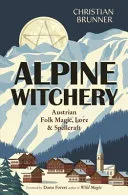
Christian Brunner's "Alpine Witchery" offers a compelling entry into the study of historical European magic, moving beyond theoretical frameworks to engage directly with primary source material. The strength of the book lies in its direct engagement with translated trial testimonies, allowing the voices of the accused to surface with surprising clarity. Brunner's careful presentation of nearly fifty spells, alongside their narrative context, provides a unique window into folk practices. A particularly striking element is the analysis of a spell for "finding lost things" found within the testimony of a woman accused in 1685. However, the book could benefit from a more robust exploration of the potential biases inherent in trial transcripts; while acknowledged, the weight given to these confessions as unvarnished truth occasionally feels a touch too absolute. Despite this, "Alpine Witchery" is an invaluable resource for understanding the practical, often mundane, magic that permeated early modern European life.
📝 Description
79
### What It Is Alpine Witchery by Christian Brunner presents a scholarly yet accessible examination of folk magic as documented in Austrian Witch Trial records. The work meticulously translates and analyzes testimonies and confessions from the Renaissance through the Age of Enlightenment, focusing on the practical applications of magic as understood by the accused and their accusers. It unearths nearly fifty distinct spells and rituals, offering concrete examples of European folk practices that were often suppressed or misunderstood.
### Who It's For This book is designed for practitioners of Western esotericism, historians of magic, folklorists, and anyone interested in the lived experience of magic in early modern Europe. It appeals to those seeking to understand the roots of contemporary magical practices by examining their historical manifestations. Individuals curious about the intersection of legal proceedings, societal beliefs, and everyday magical engagement will find substantial material here.
### Historical Context Brunner situates these practices within the turbulent period of the Austrian Witch Trials, a time when confessions were often extracted under duress and beliefs about witchcraft ranged from the deeply superstitious to the nascently rational. The period covered, roughly from the 16th to the 18th century, saw significant shifts in legal and theological understanding of magic, yet folk practices persisted. The work illuminates how these trials were not just about heresy but also about social control and the persecution of marginalized individuals.
### Key Concepts The central concept is the recovery and reinterpretation of "Alpine Witchery" – a specific regional manifestation of European folk magic. Brunner highlights the distinction between learned magic and the more earthy, practical, and often nature-based sorcery described in trial documents. The book explores concepts like sympathetic magic, cursing, healing, and divination as they were actually performed and recorded, challenging romanticized notions of witchcraft and offering a grounded perspective on historical magical traditions.
💡 Why Read This Book?
• Learn to adapt nearly fifty historical spells from the Austrian Alps, documented in actual 16th-18th century trial records, for your modern magical practice. • Gain a nuanced understanding of European folk magic by studying translated testimonies, moving beyond romanticized notions to see how magic was truly practiced and perceived. • Explore the specific cultural context of Austrian Witch Trials, understanding how societal fears and legal systems intersected with magical beliefs and practices during that era.
⭐ Reader Reviews
Honest opinions from readers who have explored this book.
❓ Frequently Asked Questions
What time period do the Austrian Witch Trials in Alpine Witchery cover?
The book focuses on testimonies and spells from the Austrian Witch Trials spanning the Renaissance through the Age of Enlightenment, roughly from the 16th to the 18th century.
How many spells are included in Christian Brunner's Alpine Witchery?
Alpine Witchery features and analyzes nearly fifty distinct spells and rituals that were documented within the Austrian Witch Trial records.
Are the spells in Alpine Witchery usable today?
Yes, Christian Brunner explicitly teaches readers how to adapt the historical workings documented in the book for their own contemporary magical practice.
What kind of magic is explored in Alpine Witchery?
The book explores European folk magic, including practices for finding lost items, healing, cursing, and divination, as recorded in trial documents from the Austrian Alps.
Is Alpine Witchery based on academic research?
Yes, the book is based on the scholarly analysis of translated testimonies and confessions from Austrian Witch Trials, offering a historical and practical exploration of folk magic.
Who is Christian Brunner?
Christian Brunner is the author of Alpine Witchery, a researcher and practitioner who has delved into historical European folk magic, particularly as it appeared in legal records.
🔮 Key Themes & Symbolism
Recovered Folk Magic
This theme centers on the unearthing and presentation of genuine folk magical practices as evidenced in the Austrian Witch Trials. Brunner emphasizes that these were not elaborate ceremonial rites but often simple, practical enchantments for daily concerns like finding lost objects, ensuring health, or influencing relationships. The work highlights the resilience of these traditions despite severe persecution, offering a direct link to how common people engaged with the supernatural in early modern Europe.
Trial Documents as Magical Archives
The book reframes historical witch trial records not merely as legal documents or historical curiosities, but as vital archives of magical knowledge. Brunner meticulously translates and interprets confessions, accusations, and testimonies to extract practical spell components and ritualistic actions. This approach treats the accused's words, even under duress, as primary evidence of magical beliefs and applications, providing a unique, albeit complex, window into the era's magical landscape.
Adaptation for Modern Practice
A significant theme is the practical application of historical magic for contemporary practitioners. Brunner guides readers on how to understand the underlying principles of the recovered spells and adapt them to modern contexts, tools, and intentions. This bridges the gap between historical study and current esoteric work, encouraging a living tradition rather than a purely academic interest in past magical systems.
The Accused's Perspective
The book strives to give voice to those accused during the Austrian Witch Trials. By presenting their stories and the spells they allegedly used, Brunner offers a counter-narrative to the official proceedings. It explores the context of their lives, their motivations for using magic, and how their practices were perceived and condemned by authorities, humanizing figures often reduced to caricatures in historical accounts.
💬 Memorable Quotes
“Confessions often contained detailed descriptions of spells for everyday needs.”
— This highlights how magic, as practiced by ordinary people, was deeply integrated into daily life and focused on practical outcomes rather than abstract spiritual pursuits.
“Translated testimonies reveal enchantments for finding lost items, healing ailments, and ensuring good fortune.”
— This paraphrase points to the tangible nature of the magic documented, emphasizing its role in addressing common human concerns and desires.
“The book translates nearly fifty spells from Austrian Renaissance and Enlightenment-era trial records.”
— This emphasizes the sheer volume of material presented and its specific historical and geographical origin, grounding the work in concrete data.
“Brunner teaches how to adapt these historical workings for modern practice.”
— This interpretation underscores the practical, hands-on aspect of the book, showing it's not just historical analysis but a guide for contemporary application.
“The Austrian Witch Trials provide a unique lens into European folk magic.”
— This paraphrase suggests that the legal context of the trials, while brutal, inadvertently preserved a valuable record of magical beliefs and practices that might otherwise have been lost.
🌙 Esoteric Significance
Tradition
This work primarily engages with the lineage of Western European folk magic and witchcraft, distinct from more formalized Hermetic or Kabbalistic traditions. It represents a recovery of grassroots magical practices that were often oral and localized, existing outside the written corpus of high magic. By analyzing trial documents, Brunner connects contemporary practitioners to an ancestral magical heritage that was suppressed and driven underground, offering a direct, albeit challenging, link to pre-Christian or syncretic European spiritualities.
Symbolism
The symbolism in "Alpine Witchery" is often rooted in the natural world and everyday objects. For instance, the use of specific herbs for protection or healing, the symbolic meaning of animal parts in curses, or the ritualistic arrangement of stones for divination would have been potent motifs. These symbols derived their power from immediate, tangible associations within the peasant and rural communities from which many accused witches came, reflecting a worldview where the sacred and the mundane were deeply intertwined.
Modern Relevance
Contemporary practitioners of traditional witchcraft, hedge witchery, and animistic spiritualities find significant relevance in "Alpine Witchery." Thinkers and groups focused on historical reconstruction of magical practices, as well as those seeking to decolonize their spiritual practices from overly academic or Westernized esotericism, draw heavily from such source work. It provides a grounding in the lived experience of magic, informing modern approaches to spellcraft, herbalism, and folk healing that seek authenticity and ancestral connection.
👥 Who Should Read This Book
• Students of European folk magic and history: Gain direct access to translated spell components and ritual descriptions from primary sources, offering a grounded understanding of historical practices. • Modern witchcraft practitioners: Discover nearly fifty historical spells from the Austrian Alps and learn practical methods for adapting them to contemporary magical work. • Historians of religion and law: Examine the intersection of legal proceedings, societal beliefs, and the documented magical practices of individuals accused during the Austrian Witch Trials.
📜 Historical Context
The period covered by "Alpine Witchery," roughly the 16th to 18th centuries, was a complex era in European history marked by the height of the witch hunts and significant intellectual shifts. While the Reformation and Counter-Reformation fueled religious anxieties that often intersected with accusations of witchcraft, the burgeoning Age of Enlightenment also began to introduce more rationalistic perspectives. Legal systems grappled with defining and prosecuting witchcraft, often relying on confessions extracted through torture. This work emerges within a scholarly tradition that seeks to understand folk magic and popular belief systems, moving beyond the demonological theories often emphasized by figures like King James VI and I in his "Daemonologie" (1597). Unlike purely theological condemnations, Brunner's approach focuses on the practical elements of magic as performed by the accused, highlighting the persistence of ancient practices amidst intense societal and religious pressures.
📔 Journal Prompts
The translation of spells for finding lost things: How might this function be recreated with modern intent?
Reflect on the societal pressures that may have influenced confessions during the Austrian Witch Trials.
Analyze the folk magical elements present in a specific spell discussed from the 17th century.
Consider the distinction between "learned magic" and "folk magic" as presented in the book.
How can the concept of "sympathetic magic" be applied ethically in contemporary life based on these historical examples?
🗂️ Glossary
Alpine Witchery
A term used by the author to describe the specific regional folk magic practices documented within the Austrian Witch Trials, distinct from more formalized magical traditions.
Austrian Witch Trials
A series of legal proceedings in Austria, primarily from the 16th to 18th centuries, where individuals were accused, tried, and often punished for practicing witchcraft.
Renaissance
The historical period in Europe preceding the Age of Enlightenment, characterized by a flourishing of arts, science, and a renewed interest in classical antiquity, roughly from the 14th to the 16th century.
Age of Enlightenment
An intellectual and cultural movement in the 17th and 18th centuries emphasizing reason, individualism, and skepticism towards traditional authority, influencing legal and social reforms.
Testimonies
Formal statements or declarations of fact made by witnesses, particularly in legal contexts such as the witch trials, often recorded by scribes or judges.
Folk Magic
Magical practices embedded within the traditions and beliefs of ordinary people in a community, often passed down orally and focused on practical concerns.
Sympathetic Magic
A type of magic based on the principle that like produces like, or that a part of something has a connection to the whole (e.g., using a lock of hair to affect a person).