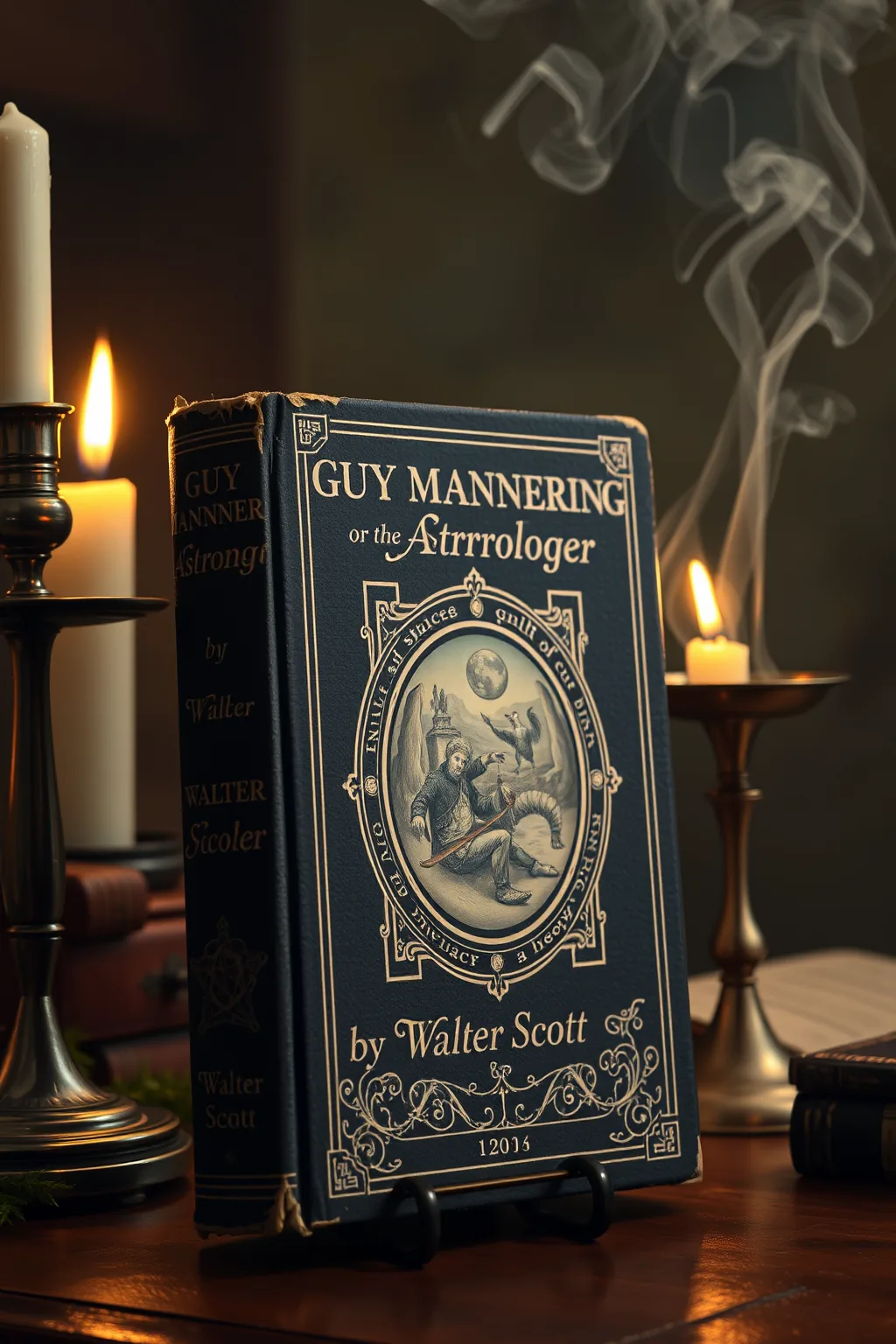
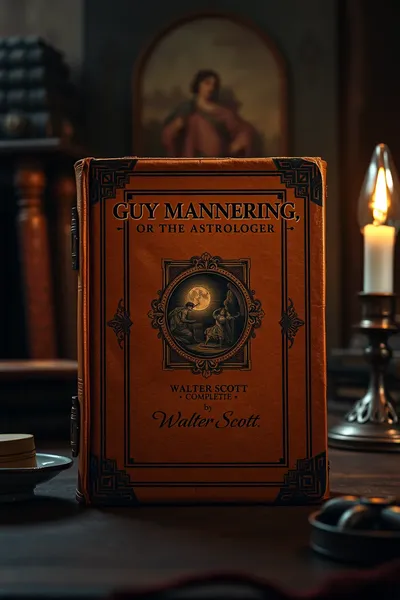
Guy Mannering or the Astrologer
 63
63

Guy Mannering or the Astrologer


Review by Marcus Thorne (Esoteric Sciences Reviewer) — "Guy Mannering or the Astrologer" stands as a seminal work in the annals of esoteric literature, brimming with astrological insights and mystical allure. Walter Scott's masterful storytelling illuminates the hidden pathways of the cosmos, making it an essential read for scholars and practitioners of astrology. The novel's strength lies in its ability to blend historical accuracy with profound esoteric teachings, offering a unique perspective on the influence of celestial bodies on human affairs. Scott's intricate symbolism and philosophical depth make this book a must-have for anyone seeking to deepen their understanding of astrology and its mystical underpinnings."
📝 Description
63
Walter Scott published "Guy Mannering or the Astrologer" in 1815, a novel centered on divination.
Set in the Scottish Borders, "Guy Mannering or the Astrologer" by Walter Scott centers on the character of Guy Mannering, a retired officer who dabbles in astrology. Upon his return to his ancestral estate, he encounters a gypsy fortune teller named Meg Merrilies. Her prophecies and his own astrological readings begin to shape the events surrounding young Harry Bertram, the dispossessed heir to the estate.
The narrative examines the intersection of fate, as foretold by astrological charts and prophecies, with individual choice and circumstance. Scott uses the character of Mannering to question the extent to which celestial influences dictate human lives, while simultaneously weaving a compelling story of inheritance, mystery, and romance. The novel contrasts the rational mindset of Mannering with the superstitious beliefs he encounters, creating a tension between empirical observation and the arcane.
Published in 1815, "Guy Mannering" reflects a period of renewed interest in occultism and esoteric traditions across Europe. Walter Scott, while grounding his work in historical detail and social commentary, engages with popular beliefs surrounding astrology and divination prevalent at the time. The novel incorporates elements of folk magic and prophecy, situating itself within a literary tradition that explores the supernatural and its perceived influence on human affairs, often as a counterpoint to Enlightenment rationality. This engagement with mystical elements was common in Romantic literature, which often sought to explore the hidden forces of nature and the human psyche.
💡 Why Read This Book?
Read "Guy Mannering or the Astrologer" to immerse yourself in the timeless wisdom of astrology and its profound impact on human destiny. This book is ideal for seekers of hidden knowledge, scholars of esoteric sciences, and practitioners of the mystical arts. Walter Scott's evocative narrative and rich symbolism provide a unique opportunity to explore the philosophical significance of astrology and its role in shaping our lives.
⭐ Reader Reviews
Honest opinions from readers who have explored this book.
❓ Frequently Asked Questions
What is the main theme of Guy Mannering or the Astrologer?
The main theme is the influence of astrology on human destiny, exploring the interplay between fate and free will through rich symbolism and esoteric insights.
Who is the intended audience for this book?
This book is intended for seekers of hidden knowledge, scholars of esoteric sciences, and practitioners of the mystical arts, particularly those interested in astrology.
What makes this book unique in the realm of esoteric literature?
The book's unique blend of historical fiction and astrological lore, coupled with Scott's masterful storytelling and intricate symbolism, sets it apart in the realm of esoteric literature.
How does Walter Scott's use of symbolism enhance the narrative?
Scott's use of symbolism adds layers of depth to the narrative, inviting readers to explore the mystical underpinnings of astrology and its influence on human affairs.
What can readers expect to gain from reading this book?
Readers can expect to gain a deeper understanding of astrology, its philosophical significance, and its role in shaping human destiny, all while enjoying a rich, evocative journey into the Scottish Borders.
🔮 Key Themes & Symbolism
The Influence of Astrology
Scott explores the wide impact of astrology on human destiny, examining the interplay between celestial bodies and earthly affairs. The narrative is rich with symbolism, inviting readers to ponder the mystical underpinnings of astrological lore and its role in shaping our lives.
Fate vs. Free Will
The novel grapples with the age-old question of fate versus free will, using the lens of astrology to examine the extent to which our lives are predetermined by the stars. This theme is woven throughout the story, challenging readers to consider the boundaries between destiny and personal agency.
The Power of Prophecy
Prophecy plays a central role in the narrative, as characters read through the complexities of foretold futures and the implications of astrological predictions. Scott's exploration of prophecy adds a layer of intrigue and mystery, highlighting the potential power and danger of hidden knowledge.
💡 Key Ideas
Editorial paraphrase of the work's core concepts — not direct quotes.
"The stars decree, but man may choose."
This line underscores the novel's exploration of fate versus free will, suggesting that while astrology may guide our paths, ultimate choice lies with the individual.
"In the dance of the heavens, we find our steps."
This quote emphasizes the interconnectedness of celestial bodies and human affairs, highlighting the mystical influence of astrology on our lives.
"The wise man reads the stars, but the fool follows them blindly."
This passage warns against the dangers of unquestioning belief in astrological predictions, advocating for a deeper understanding and discernment.
"The night sky whispers secrets to those who listen."
This line invites readers to engage with the mystical arts, suggesting that hidden knowledge can be found in the celestial realm.
"Astrology is the language of the cosmos, spoken in the silence of the night."
This quote underscores the novel's exploration of astrology as a profound and esoteric science, capable of revealing the mysteries of the universe.
🌙 Esoteric Significance
Tradition
This book belongs to the Hermetic tradition, which emphasizes the interconnectedness of the cosmos and the mystical influence of celestial bodies on human affairs. Scott's exploration of astrology and prophecy aligns with Hermetic principles, highlighting the potential power of hidden knowledge.
Symbolism
Key symbols in the novel include the stars, constellations, and astrological charts, each representing different aspects of the celestial realm and its influence on human destiny. These symbols serve as powerful tools for conveying esoteric insights and inviting readers to engage with the mystical arts.
Modern Relevance
Today, "Guy Mannering or the Astrologer" remains relevant for modern practitioners of astrology and those interested in the esoteric sciences. The book's exploration of astrological lore and its philosophical significance continues to inspire seekers of hidden knowledge, offering a rich and evocative journey into the heart of the mystical arts.
👥 Who Should Read This Book
Beginners interested in astrology will find this book an accessible and engaging introduction to the mystical arts. Scholars of esoteric sciences will appreciate Scott's deep exploration of astrological lore and its philosophical significance. Spiritual seekers will be drawn to the novel's strong symbolism and the profound questions it raises about fate and free will. Practitioners of the mystical arts will find valuable insights and inspiration in the narrative, enhancing their understanding of astrology and its role in shaping human destiny.
📜 Historical Context
Published in 1815, "Guy Mannering or the Astrologer" reflects the growing interest in esoteric sciences during the early 19th century. Walter Scott's novel captures the spirit of the time, blending historical fiction with astrological lore to create a unique and compelling narrative. The book's exploration of astrology and its influence on human destiny resonated with contemporary readers, contributing to the popularity of esoteric literature during this period.
📔 Journal Prompts
Reflect on a time when you felt the influence of astrology in your life. How did it shape your experiences or decisions?
Consider the role of prophecy in your spiritual journey. How has it guided or challenged you?
Explore the concept of fate versus free will in your own life. To what extent do you believe your destiny is predetermined?
How do you engage with the mystical arts in your daily life? What practices or rituals do you find meaningful?
Reflect on the symbolism of the stars and constellations in your spiritual or personal journey. What insights do they offer?
🗂️ Glossary
Astrology
The study of the movements and relative positions of celestial bodies interpreted as having an influence on human affairs and the natural world.
Prophecy
A prediction of what will happen in the future, often based on mystical or esoteric insights.
Fate
The predetermined course of events, often seen as influenced by celestial bodies or divine intervention.
Free Will
The power of individuals to make choices and act independently, challenging the notion of predetermined destiny.
Hermetic Tradition
A philosophical and spiritual tradition based on the writings attributed to Hermes Trismegistus, emphasizing the interconnectedness of the cosmos and the mystical influence of celestial bodies.
This book appears in 1 collection
🔮 Readers Also Liked
Browse all →








More by Walter Scott
All books →
From the “Astrology” Collection
View all →








More Free Astrology & Cosmology Books
View all →