The bloody innkeeper, ... 1675

 76
76

The bloody innkeeper, ... 1675

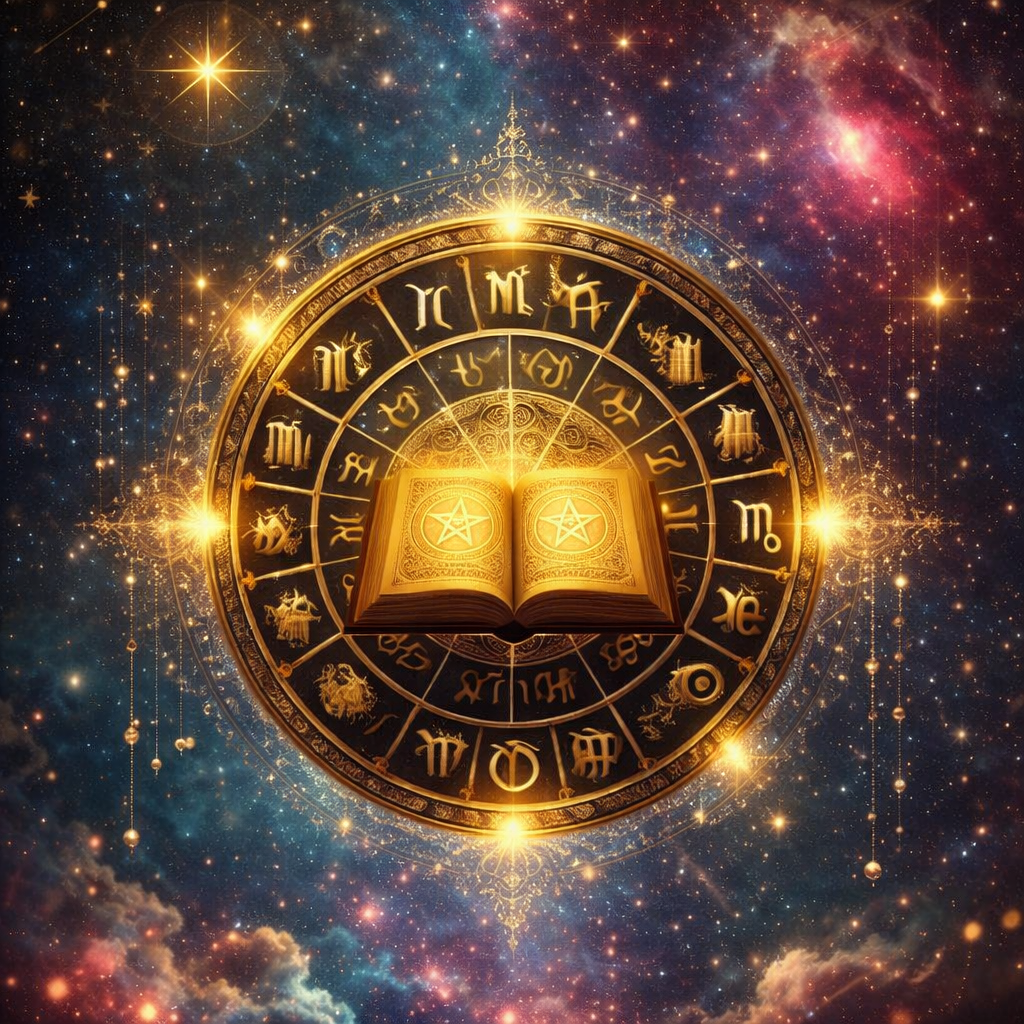

Review by Aurelia Blackwood (Occult Philosophy Critic) — 'The Bloody Innkeeper' is a captivating exploration of astrological and cosmological themes, shrouded in the mystique of 17th-century esoteric thought. This anonymous work stands out for its depth and richness, offering esoteric insights that are as profound as they are elusive. The text is particularly valuable for its symbolic language, which invites readers to delve into the hidden layers of meaning. The intended audience is likely to be scholars and practitioners of the occult, who will find the book's philosophical significance both challenging and rewarding. The atmospheric prose and intricate symbolism make 'The Bloody Innkeeper' a must-read for anyone seeking to expand their understanding of the mystical arts.'
📝 Description
76
'The Bloody Innkeeper,' published in 1675, is an anonymous work on 17th-century occultism.
This anonymous text from 1675 offers a look into the esoteric thought of its time. It contains symbolism and lore connected to astrology and cosmology, suggesting a view of hidden universal dimensions. The book is filled with arcane knowledge, aiming to reveal truths beyond the obvious. It is suited for those studying occult subjects, astrological practices, or the philosophical impact of celestial events. 'The Bloody Innkeeper' proposes a spiritual and intellectual exploration through its mystical insights. The work presents a complex arrangement of symbols and philosophical ideas, prompting contemplation on existence's deeper questions. Its occult themes and encoded language make it a useful source for understanding the connections between astrology and spirituality.
Published in 1675, 'The Bloody Innkeeper' emerged during a period of significant interest in natural magic and hermeticism. This era saw a blending of alchemical, astrological, and kabbalistic ideas, often contained within texts that used allegorical language. Such works sought to uncover correspondences between the celestial realm and earthly phenomena, as well as the human soul. The book's focus on hidden dimensions and philosophical significance of celestial bodies aligns with the broader tradition of Renaissance esotericism, which aimed to understand the universe as a divinely ordered system accessible through secret knowledge.
💡 Why Read This Book?
Read 'The Bloody Innkeeper' to immerse yourself in the rich tapestry of 17th-century occult literature. This book is ideal for seekers of hidden knowledge, scholars of astrology, and practitioners of the mystical arts. It offers profound insights into the symbolic language of the cosmos and the philosophical significance of celestial influences. Whether you are a seasoned practitioner or a curious novice, this text will enrich your understanding of the esoteric traditions and their relevance in modern times.
⭐ Reader Reviews
Honest opinions from readers who have explored this book.
❓ Frequently Asked Questions
What is 'The Bloody Innkeeper' about?
This 1675 text explores the intersection of astrology and cosmology through rich symbolism and esoteric themes.
Who should read this book?
Seekers of hidden knowledge, scholars of the occult, and practitioners of astrology will find this book particularly enlightening.
Is the author known?
The author of 'The Bloody Innkeeper' remains unknown, adding to its mysterious allure.
What makes this book significant?
Its depth of esoteric insights and symbolic language make it a valuable resource for understanding 17th-century occult thought.
Can I read this book online?
Yes, you can read 'The Bloody Innkeeper' free online via Esoteric Library's digital collection.
🔮 Key Themes & Symbolism
Celestial Influences
The book looks at the lasting impact of celestial bodies on human affairs, exploring the mystical connections between the stars and our lives. This theme invites readers to contemplate the hidden influences that shape our existence, offering a deeper understanding of the cosmic order.
Symbolic Language
Rich in symbolism, 'The Bloody Innkeeper' uses cryptic language to convey esoteric truths. This theme challenges readers to decode the hidden meanings behind the text, fostering a deeper appreciation for the mystical arts and their symbolic representations.
Philosophical Significance
The text presents complex philosophical musings that explore the nature of reality and our place in the universe. This theme encourages readers to ponder the deeper questions of existence, offering insights that transcend the mundane and study the spiritual dimensions of life.
💬 Memorable Quotes
Direct passages from the work, attributed to the author.
“The innkeeper's blood is the ink of fate.”
— This cryptic phrase hints at the symbolic significance of the title, inviting readers to uncover the hidden meanings behind the text.
💡 Key Ideas
Editorial paraphrase of the work's core concepts — not direct quotes.
The stars above guide our steps, unseen and unheard.
This passage highlights the subtle yet powerful influence of celestial bodies on our lives.
In the silent whispers of the cosmos, truth is revealed.
This line emphasizes the esoteric nature of the text, suggesting that deeper truths can be found in the hidden dimensions of the universe.
The mysteries of the cosmos are woven into the fabric of our souls.
This quote underscores the deep connection between the individual and the universe, emphasizing the spiritual dimensions of existence.
Seek the hidden paths of knowledge, for they hold the keys to enlightenment.
This line encourages readers to study the esoteric traditions, offering guidance on the journey of spiritual discovery.
🌙 Esoteric Significance
Tradition
Belonging to the Hermetic tradition, 'The Bloody Innkeeper' embodies the principles of esoteric wisdom that have been passed down through the ages. This tradition emphasizes the hidden knowledge of the cosmos and the spiritual dimensions of existence, inviting readers to explore the deeper mysteries of life.
Symbolism
Key symbols in the text include celestial bodies, the innkeeper, and the concept of fate. These symbols represent the hidden influences that shape our lives, the guardians of esoteric knowledge, and the inexorable path of destiny, respectively.
Modern Relevance
Today, 'The Bloody Innkeeper' remains relevant for modern practitioners of astrology and the occult, who find in its pages a wealth of esoteric insights and symbolic language. Its exploration of celestial influences and philosophical significance offers a deeper understanding of the mystical arts and their relevance in contemporary times.
👥 Who Should Read This Book
Beginners interested in the mystical arts will find 'The Bloody Innkeeper' an accessible introduction to the strong symbolism and esoteric themes of the occult. Scholars of the occult will appreciate its depth of knowledge and historical significance. Spiritual seekers will be drawn to its philosophical musings and the clear insights it offers into the nature of reality. Practitioners of astrology will find valuable guidance on the celestial influences that shape our lives. Whether you are new to the mystical arts or a seasoned practitioner, this text will enrich your understanding and deepen your appreciation for the esoteric traditions.
📜 Historical Context
Written in 1675, 'The Bloody Innkeeper' reflects the collection of esoteric thought that characterized the 17th century. This era was marked by a burgeoning interest in astrology, alchemy, and other mystical arts, as scholars and seekers alike sought to uncover the hidden dimensions of the universe. The text stands as a evidence of the intellectual and spiritual curiosity of the time, offering insights into the esoteric traditions that shaped the era. Its influence can be seen in the works of subsequent occultists and mystics, who drew upon its symbolism and philosophical musings to deepen their understanding of the mystical arts.
📔 Journal Prompts
How do the celestial influences described in the book manifest in your own life?
What symbols from the text resonate with you and why?
Reflect on the philosophical significance of the text and how it applies to your spiritual journey.
What hidden knowledge do you believe the text is trying to convey?
How can the esoteric insights from 'The Bloody Innkeeper' be applied to modern spiritual practices?
🗂️ Glossary
Hermetic Tradition
An esoteric tradition based on the teachings of Hermes Trismegistus, emphasizing the hidden knowledge of the cosmos and spiritual dimensions of existence.
Astrology
The study of the movements and relative positions of celestial bodies and their influence on human affairs and the natural world.
Cosmology
The study of the origin and structure of the universe, often exploring the mystical and philosophical dimensions of existence.
Esoteric Symbolism
The use of symbols and cryptic language to convey hidden knowledge and mystical truths, often found in occult literature.
Mystical Arts
The practices and traditions that seek to uncover the hidden dimensions of the universe and the spiritual dimensions of existence.
This book appears in 1 collection
🔮 Readers Also Liked
Browse all →








From the “Astrology” Collection
View all →







More Free Astrology & Cosmology Books
View all →







![Animadversio astrologica: or, a discourse touching astrology. To which are added, these considerations, I. of the mutability of sublunary beings. ... IV. The causes of several phaenomena's [sic] ... By D. Irish, ... 1701](/img/thumb/animadversio-astrologica-or-a-discourse-touching-astrology-to-which-are-added-these-considerations-i-of-the-mutability-of-sublunary-beings-iv-the-causes-of-several-phaenomena-s-sic-by-d-irish-1701-iri.webp)