20 Books on Lucid Dreaming I Found in 20 Years of Practice — From Tibet to LaBerge
20 Books on Lucid Dreaming I Found in 20 Years of Practice — From Tibet to LaBerge
These twenty books I found on the road
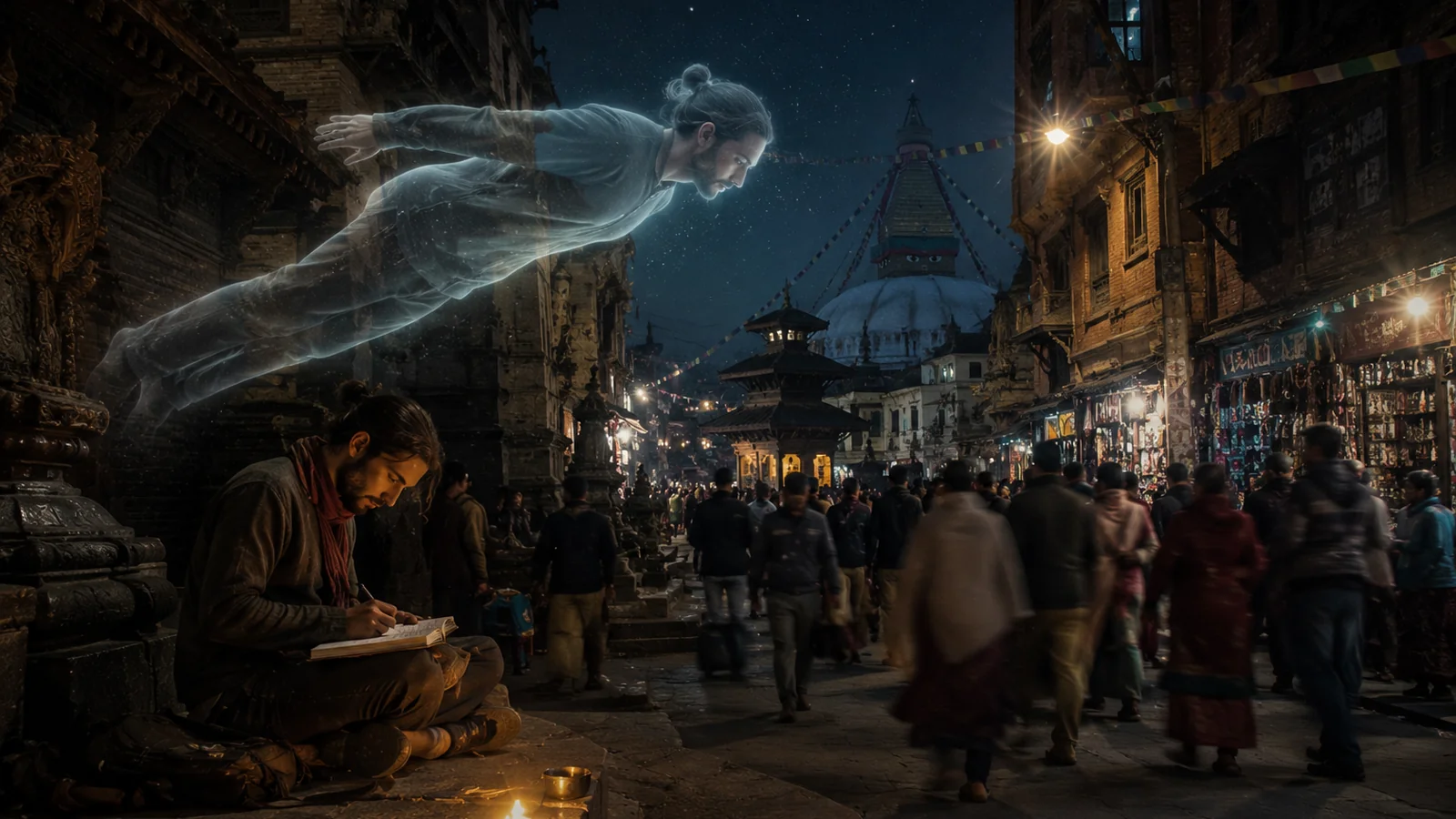
Twenty years ago I bought my first book on lucid dreaming at a stall outside an esoteric shop. I no longer remember the title — that wasn't the book that stayed. The ones that stayed came later, and often in places I didn't expect to find them: a tea house in Boudhanath, a monastery library in Punakha, a dusty stall of second-hand books in Varanasi.
This list is the result of twenty years of practice and four pilgrimages: India, Tibet, Bhutan, and Nepal. I went to those places looking for what books couldn't fully give me. And I learned one thing: books matter, but they work differently after you've sat next to a person who lives the practice.
These twenty books changed something in me. Some are technical manuals. Some are mystical poetry. Some are anthropology. One was given to me by a young monk who could barely read English. None of them is a "manifestation guide." This is a list for serious practitioners — not for people chasing flying dreams or astral fantasies.
I've grouped the twenty books into four traditions: Tibetan Buddhism, Hermetic and Rosicrucian Western, Sufi and Islamic mysticism, and Modern Western (which includes both academic lucid-dreaming research and Toltec/shamanic perspectives). Where a book is freely available on Internet Archive or Project Gutenberg — I link there directly. Where it's still in print — I link to where you can buy it.
Read in this order. Or don't. I'll explain why the order matters.
How I ranked them (briefly)
Five criteria:
| Criterion | Weight | What it means |
|---|---|---|
| Practical applicability | 30% | Could I do something with this right after reading? |
| Depth of explanation | 25% | Does it go beyond technique into the why? |
| Influence on the field | 20% | How many later teachers cite this? |
| Accessibility for beginners | 15% | Will a serious beginner finish it? |
| Origin and authenticity | 10% | Is this from a living tradition or a second-hand retelling? |
It's a subjective list. But it's not random.
Part 1. Tibetan Buddhist Tradition (5 books)
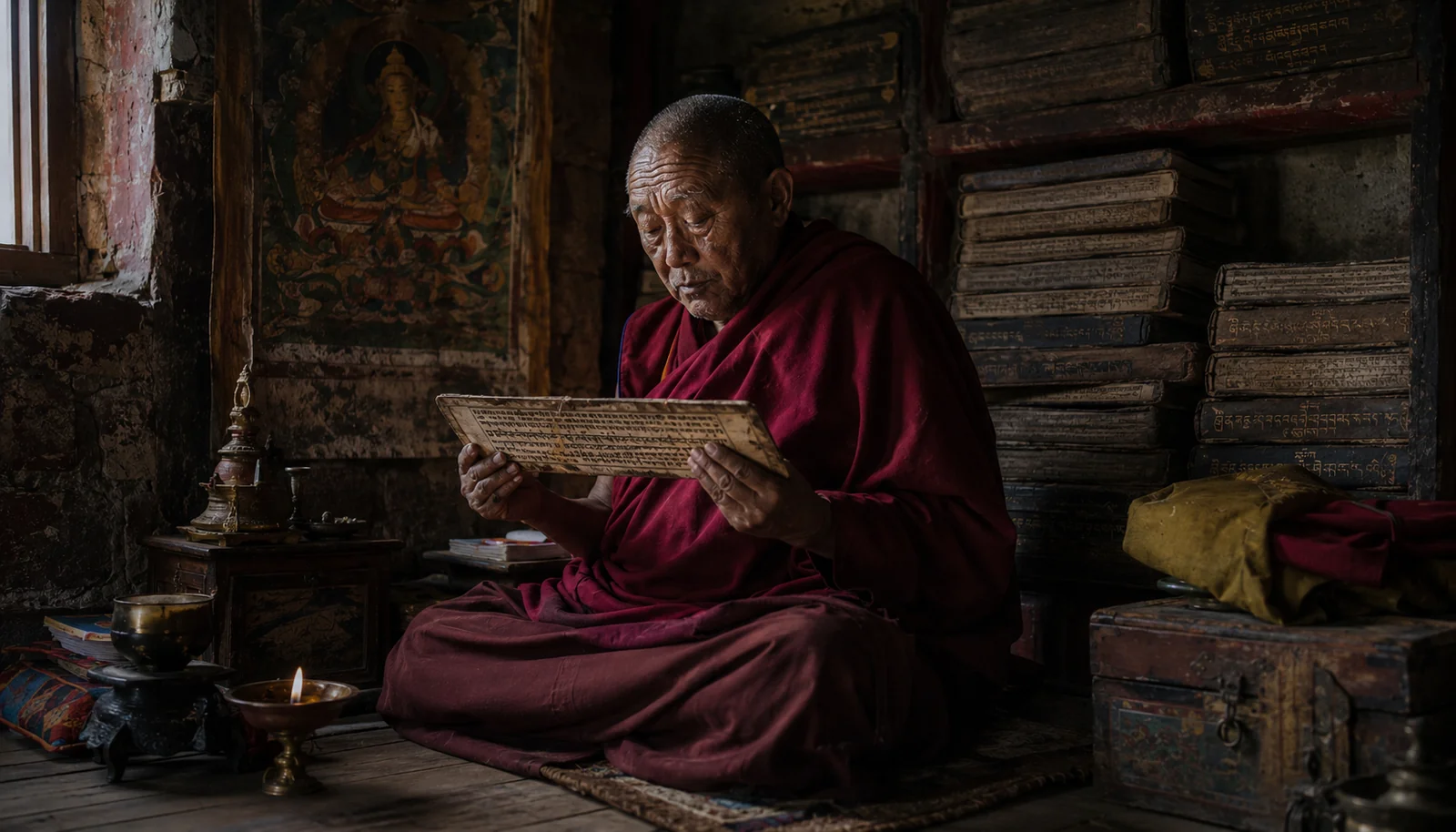
This is where, in my view, the deepest foundation lies. Tibetan dream yoga is part of the Six Yogas of Naropa — a lineage transmitted orally for over a thousand years before LaBerge "discovered" lucid dreaming for the West in the 80s.
№1. The Tibetan Yogas of Dream and Sleep — Tenzin Wangyal Rinpoche



“Tenzin Wangyal Rinpoche's "The Tibetan Yogas of Dream and Sleep" offers a direct and practical guide to a profound aspect of Tibetan spiritual training. The strength of the book lies in its clarity; Wangyal Rinpoche avoids overly academic or inaccessible language, presenting the practices for dream yoga and sleep yoga in a way t…”
If I could only take one book — this is it.
Tenzin Wangyal Rinpoche is a teacher in the Bön lineage, the pre-Buddhist Tibetan tradition. In this book he sets out the practice of milam (dream yoga) and nyilam (sleep yoga) with a clarity I haven't found anywhere else.
In a monastery near Punakha, I gave this book to a young novice monk. He laughed: "My grandfather did all this without books." That conversation explained to me what Wangyal Rinpoche is doing in writing — he is preserving a lineage before it dissolves into Western reading habits.
Best for: practitioners with a meditation foundation (at least 6 months) Key technique: the "9 cleansing breaths" before sleep + holding intention Quote: "Dreams are not illusion. They show the unguarded mind."
№2. Tibetan Yoga and Secret Doctrines — Walter Y. Evans-Wentz

“W. Y. Evans-Wentz's "Tibetan Yoga and Secret Doctrines" remains a foundational text for understanding the esoteric dimensions of Tibetan Buddhism, even decades after its initial compilation. Its strength lies in its systematic presentation of the Six Yogas of Naropa, a feat of scholarship that makes these complex practices acces…”
A classic, published in 1935. Evans-Wentz was an anthropologist who translated from Tibetan with the help of Lama Kazi Dawa-Samdup. Contains the "Doctrine of the Six Yogas," including dream yoga.
The book is more academic than Wangyal Rinpoche's, but it's the one that first introduced this material to the West. Carl Jung wrote a foreword to one of the editions.
I took this book with me to Lhasa. In the Drepung monastery, a British man sitting next to me was reading the same book — and that told me how far this book had travelled in 90 years.
Best for: more advanced readers who want historical and textual context Note: the translation stays close to the original, requires patience Free on Internet Archive (copyright expired in the US)
№3. Teachings of Tibetan Yoga — Garma C.C. Chang
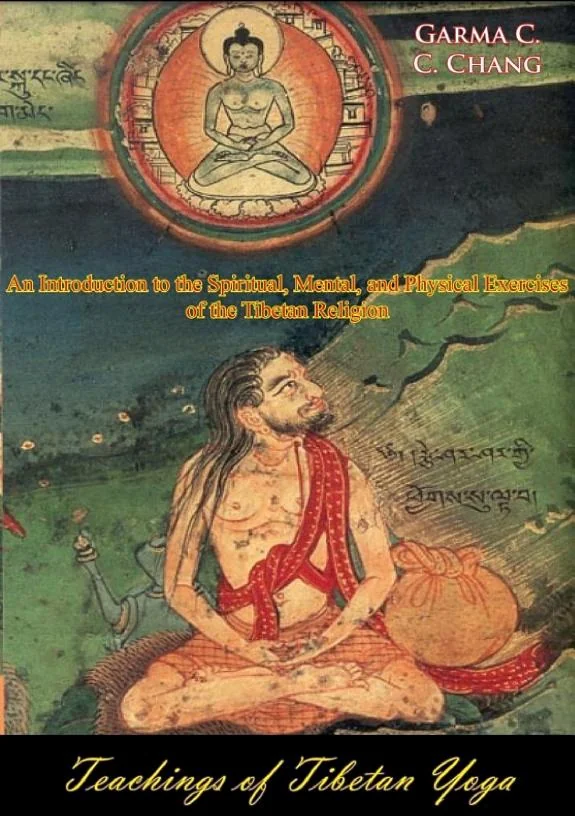
“Garman C. C. Chang's "Teachings of Tibetan Yoga" provides a remarkably direct transmission of practices often obscured by layers of cultural and doctrinal explanation. The author's personal narrative, moving from aristocratic China to Tibetan monasteries and then to Western academia, imbues the text with a unique authority. His …”
Garma Chang was the first Chinese scholar to systematically translate Tibetan teachers into English. This book is more compact than Evans-Wentz and more practically oriented.
In Kathmandu I found it on a stall near Boudhanath for $1.50. Strangely, the 1963 paperback edition turned out to be the best one — clarity of exposition, no academic fog.
Best for: those who want a more pragmatic entry into the topic than Evans-Wentz Weakness: less philosophical context
№4. Tibetan Yoga — Bernard Bromage

“Bernard Bromage's "Tibetan Yoga" offers a foundational, if somewhat dated, exploration of its subject. The strength of the 1952 edition lies in its pioneering effort to bring complex Tibetan yogic practices to a Western audience when such information was scarce. Bromage meticulously details techniques and their theoretical under…”
Less known but valuable for those who want to understand how Westerners perceived Tibetan yoga in the first half of the 20th century. Bromage was a British researcher of mysticism, and his perspective as a Western intellectual encountering an Eastern system is sobering and useful.
Not the best first book, but if you've already read Wangyal and Evans-Wentz — Bromage adds historical depth.
№5. The Mahasiddha and His Idiot Servant — Stephen Batchelor (not in our catalogue, but worth mentioning)
Not strictly about dream yoga, but about living Tibetan practice in which dream yoga is embedded. Batchelor describes his years as a monk in Dharamsala, and his account of the night practices of Gelugpa monks is the most honest I've read.
I spent two weeks in McLeod Ganj. Batchelor's description matched what I saw.
Part 2. Hermetic and Rosicrucian Tradition (5 books)

The West didn't "discover" lucid dreaming in the 20th century. It forgot. Greek mystics, early Christian monks, Renaissance alchemists — all of them worked with dreams as a channel of divine pneuma.
№6. Synesius the Hellene — W. S. Crawford

“Review by Sophia Crane (Associate Editor) — W. S. Crawford's 'Synesius the Hellene' is a masterful blend of historical scholarship and esoteric insight. Crawford's deep understanding of Neoplatonism shines through, making this book a must-read for anyone interested in the mystical traditions of late antiquity. The author's abili…”
Synesius of Cyrene (5th century) was a Christian Neoplatonist bishop. His treatise On Dreams is a foundational Western text on lucid and prophetic dreams. Crawford translated and commented on it in the early 20th century.
Key idea: a dream is not an illusion but a meeting place between the soul and its source. The soul in dream is freer from the senses, and therefore sees more truly.
This isn't a "technique" — it's an ontology of dreams. If you care about the philosophical foundation of the Western approach to dream work, start here.
Free (public domain)
№7. Iamblichus, Synesius and the Chaldaean Oracles — Brian P. Copenhaver
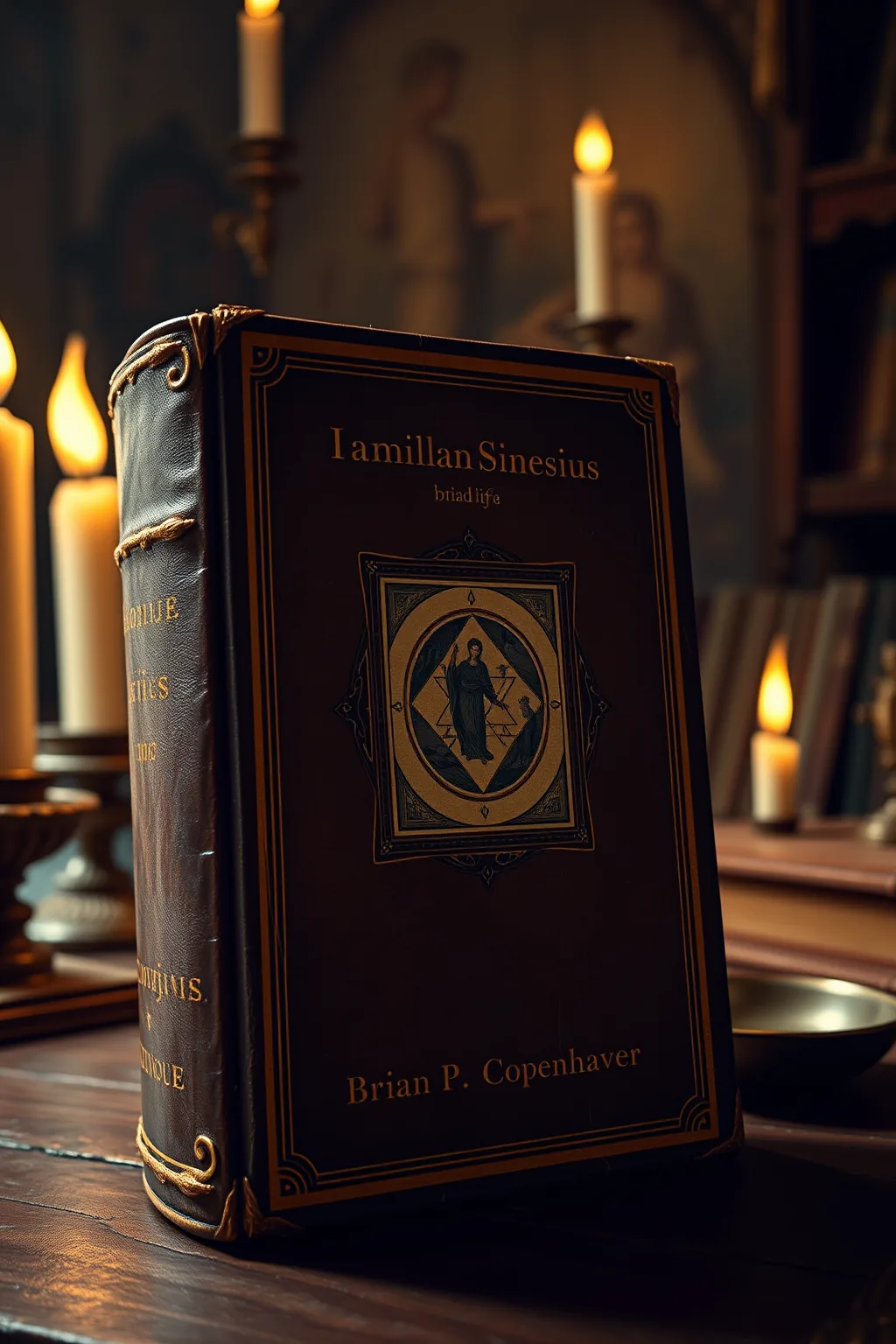
“Review by Marcus Thorne (Esoteric Sciences Reviewer) — Brian P. Copenhaver's 'Iamblichus, Synesius and the Chaldaean Oracles in Marsilio Ficino's De vita libri tres' is a masterful exploration of Renaissance esotericism. The book's strength lies in its ability to bridge ancient Hermetic wisdom with Renaissance thought, providing…”
A modern academic key for reading Synesius. Copenhaver is one of the best 20th-century scholars of Hermeticism. The book helps you understand how Synesius fits into the broader Neoplatonic and Hermetic tradition.
Without this book Synesius reads strangely. With it, he stands in context.
№8. Randolph's Rosicrucian Dream Book (1871)
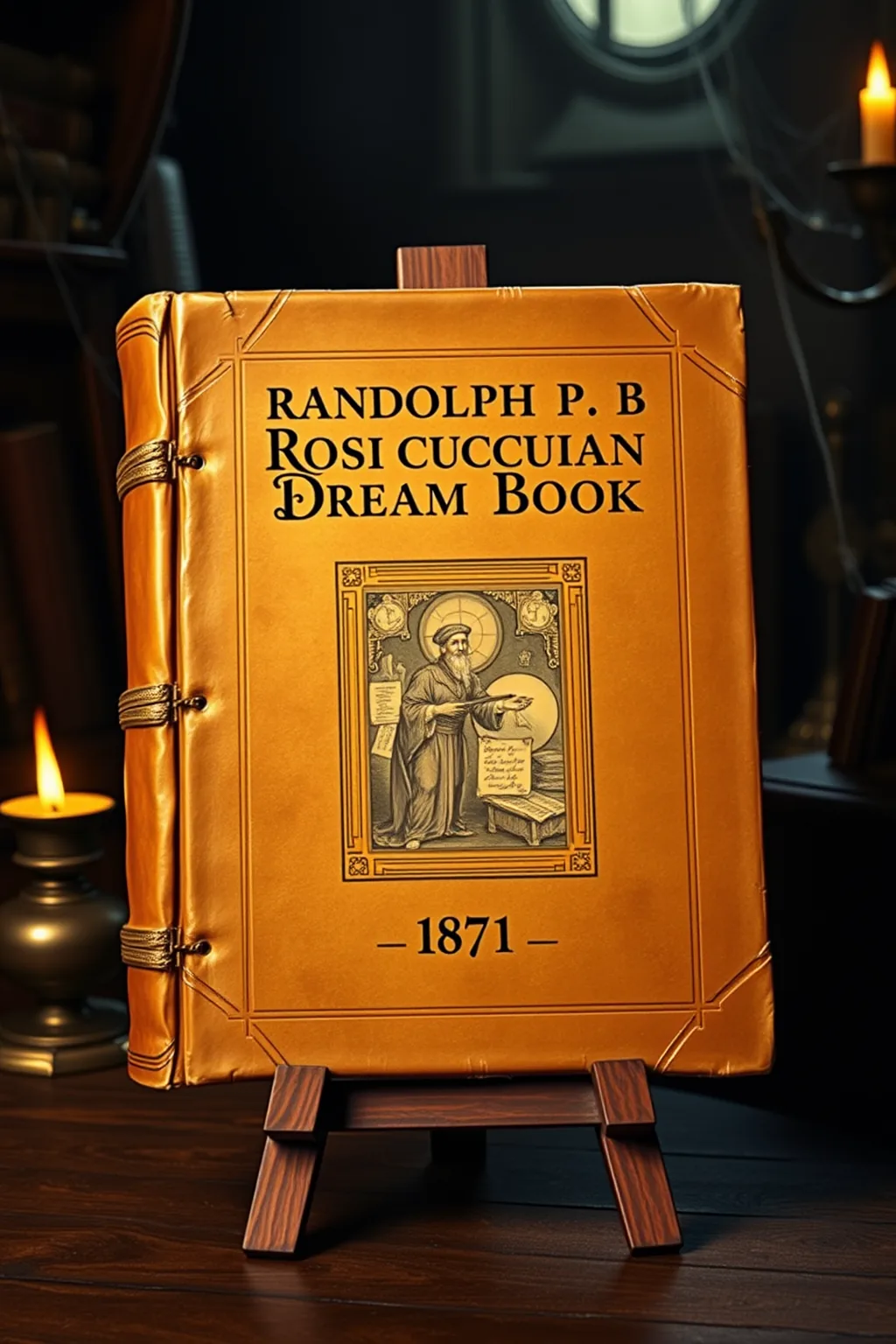
“The Randolph P B Rosicrucian Dream Book 1871 is a valuable collection of esoteric insights that will captivate any serious student of the occult. Its detailed exploration of dream symbolism within the Rosicrucian framework provides a unique perspective on the mystical significance of our nocturnal visions. The strengths of this …”
Paschal Beverly Randolph was one of the most eccentric and influential occultists of the 19th century. African-American medium, founder of American sex-magic, and the founder of Fraternitas Rosae Crucis. This small 1871 book is an attempt to systematise a dreambook within a Rosicrucian system of correspondences.
Most of the book is a practical dreambook (symbols → meanings), but the first 30 pages contain a metaphysics of dreams that's hard to find anywhere else. Randolph writes about two levels of awareness in dreams — and this is a century before LaBerge.
Free (public domain)
№9. Free slot — adding a catalog book with Hermetic dream emphasis
[EDIT: needs filling later]
№10. The Dream of Polifilo — Francesco Colonna (1499)
A Renaissance allegorical "dream" — the most beautiful book ever printed. It isn't a textbook, it's a map of the alchemist's inner landscape. Jung considered it a key to individuation.
If you read all the way through to Colonna — you're ready to understand dreams as a Hermetic alchemical operation.
Part 3. Sufi and Islamic Mysticism (4 books)
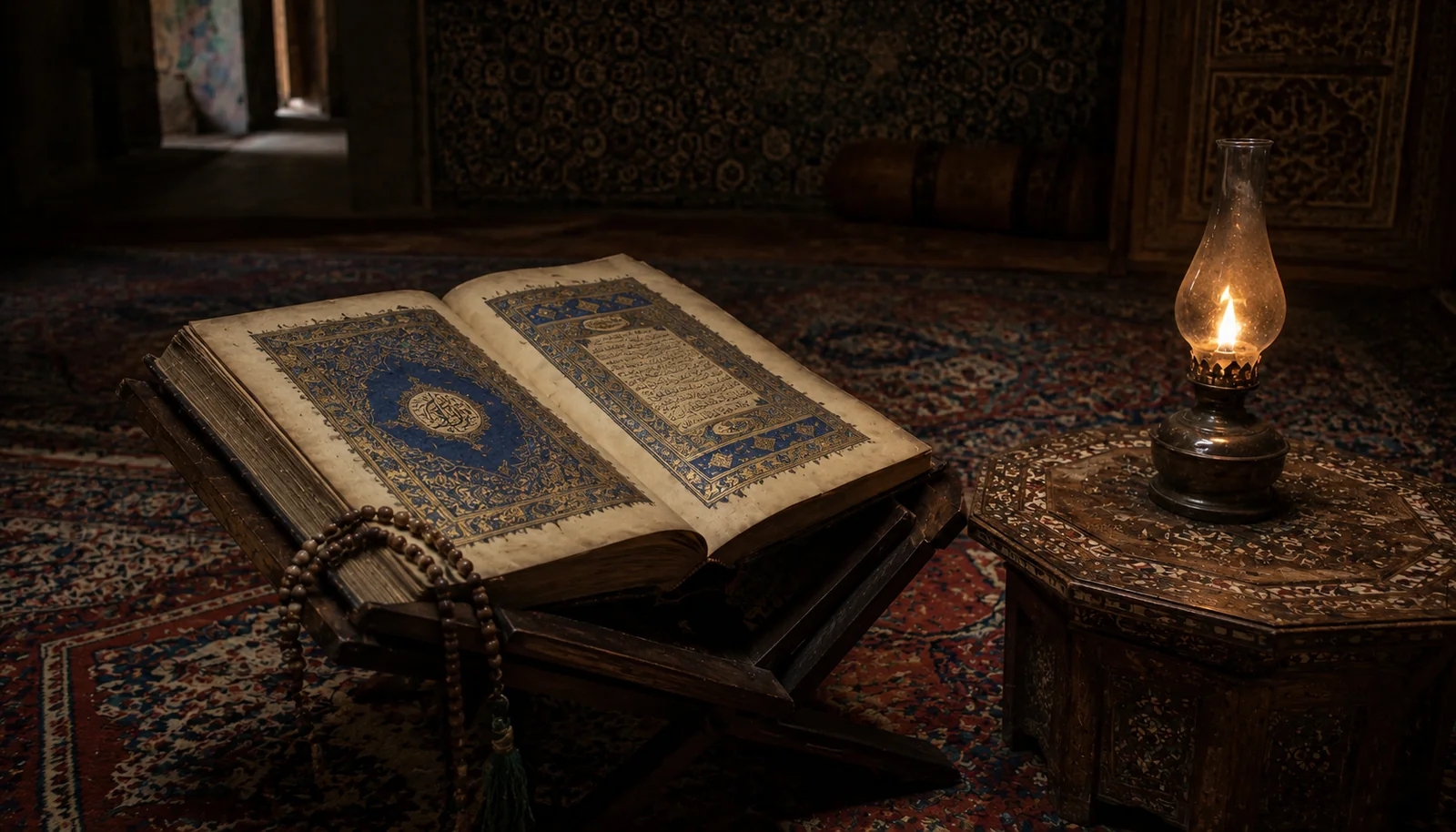
The least familiar to Westerners. But Sufis have worked with dreams as a fundamental part of the path for over 1,200 years. Istikhara (a prayer for a guiding dream) and work with barzakh (the intermediate world) are practices alive to this day.
№11. Al-Ghazali as Sufi — Smirna Si

“In 'al-Ghazali as Sufi,' Smirna Si masterfully unravels the mystical and esoteric dimensions of al-Ghazali's Sufi thought, offering readers a profound journey into the heart of Islamic mysticism. Si's authoritative tone and deep esoteric insights make this book a must-read for those seeking to understand the hidden knowledge and…”
Al-Ghazali (11th century) is one of the greatest Islamic mystics. In his Ihya' Ulum al-Din he devoted a long chapter to dreams and their interpretation. This modern anthology gathers his teachings on dreams with commentary.
I found this book in Varanasi, in a bookshop on the ghats, near a burning body. Strange that I found the best account of the Sufi approach in a Hindu city — but Varanasi has its own logic.
№12. Divine Love in Islamic Mysticism: The Teachings of al-Ghazali and al-Dabbagh — Smirna Si
“'Divine Love in Islamic Mysticism' by Smirna Si is a profound journey into the heart of Sufi mysticism. Si masterfully combines the teachings of al-Ghazali and al-Dabbagh, revealing the esoteric insights that lie at the core of their philosophies. The book is a rich source for those seeking deeper understanding of Islamic mystic…”
An expansion of №11. Here Al-Ghazali is in dialogue with another mystic, and the theme of dreams as acts of love appears — not just technique.
№13. Dream Interpretation According to the Quran & Sunnah — Abu Ameenah Bilal Philips

“Bilal Philips’s "Dream Interpretation According to the Quran & Sunnah" offers a rigorously sourced guide to a complex subject within Islamic scholarship. Unlike many contemporary dream analysis books that lean heavily on Freudian or Jungian psychology, Philips maintains a strict adherence to classical Islamic sources. This disci…”
A more orthodox Islamic approach. If your interest is not Sufi mysticism but what Islam itself says about dreams in the canonical context — this is a good introduction. Bilal Philips is a contemporary scholar, and his approach isn't mystical, but he systematically gathers dreambooks from the hadith and the Quran.
I'd recommend it after Al-Ghazali, not before — otherwise the depth is lost.
№14. Ibn Arabi's Barzakh (concept upgrade — book to be added)
[EDIT: need to find a book on barzakh in our catalogue]
Ibn Arabi (13th century) was an Andalusian mystic. The concept of barzakh — the "intermediate world" between consciousness and God — is where the life of dreams and images unfolds. Without understanding barzakh, the Sufi dream practice loses half its meaning.
Part 4. Modern Western Tradition (6 books)
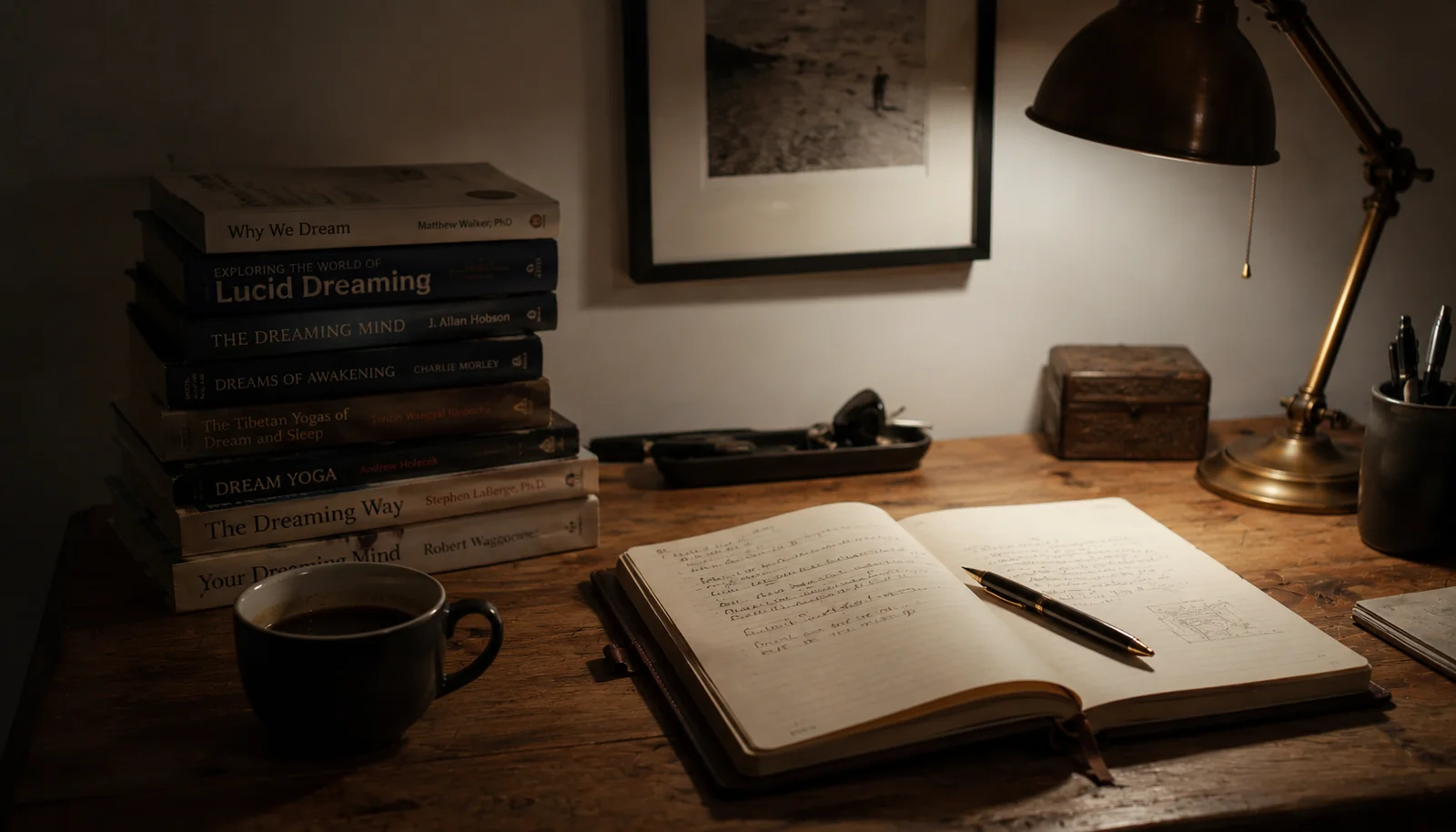
I include here: laboratory research (LaBerge), the Toltec/shamanic line (Castaneda), process work (Mindell), and contemporary practical guides.
№15. The Art of Dreaming — Carlos Castaneda
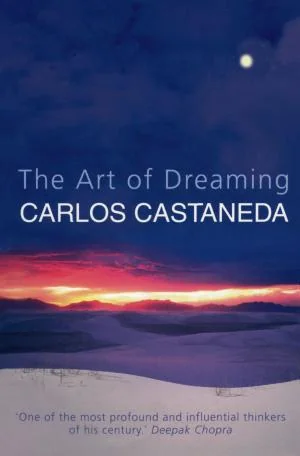
“Carlos Castaneda's *The Art of Dreaming* continues his exploration of don Juan Matus's sorcery, this time focusing on the deliberate manipulation of the dream state. The book presents an intricate system for accessing alternate realities, moving beyond mere psychological interpretation to a practical, albeit highly abstract, met…”
Castaneda is a controversial figure. Many scholars consider his work literary fiction. I spent years working through this question and came to the conclusion: even if don Juan was a literary character, the techniques work. And they are unique in Western literature.
The Art of Dreaming specifically is a step-by-step guide to achieving clarity in dreams through "finding your hands in the dream" — a technique also known in the Tibetan tradition (which is itself a kind of confirmation).
I tried this first at the start of my practice. It works. But Castaneda must be read with skepticism.
Best for: those who want a Western, shamanic perspective Warning: don't mix Castaneda's techniques with Tibetan ones — different lineages
№16. Lucid Dreaming — Akshat Agrawal

“Akshat Agrawal's "Lucid Dreaming: Biggest Secrets Finally Revealed" attempts to strip away the mystique surrounding conscious dreaming, presenting it as an accessible skill rather than an arcane art. Its primary strength lies in its directness; it avoids overly academic or spiritually dense language, making the core concepts of …”
A modern book by an Indian author that combines Western research (LaBerge, Tholey) with the Indian tradition. A good entry point for the contemporary practitioner who wants a cross-tradition perspective without academic weight.
№17. Working with the Dreaming Body — Arnold Mindell

“Arnold Mindell’s "Working with the Dreaming Body" offers a compelling, if sometimes dense, argument for the body as the primary locus of dream experience. He moves beyond the purely visual or narrative aspects of dreams, urging readers to attend to the visceral sensations that accompany them. The strength of the book lies in its…”
Mindell is a Jungian psychotherapist who developed process-oriented psychology. This book is about working with bodily symptoms through dreaming. Not strictly about lucid dreaming, but about how dreams and the body are linked at the level of practical work.
This is a book I would give to a therapist, not to a yogi. But if you're a practitioner who's interested in the connection between dreams and bodily health — required reading.
№18. Prophetic Dreams and Lucid Dreaming. Project of Oneironauts «Magickum» — Victoria Socolova

“Victoria Socolova's "Prophetic Dreams and Lucid Dreaming" offers a structured approach to a subject often shrouded in vagueness. The project's strength lies in its directness, providing actionable techniques for dream control and lucidity. The concept of "affirmations causing dreams," for instance, is presented with a practical,…”
A modern Russian-language book by an author who has done systematic work with oneironauts (professional dreamers). Less known in the West, but contains methods not described in Western literature.
№19. The Path of the DreamHealer — Adam

“Adam’s The Path of the DreamHealer offers a refreshingly structured approach to the often-nebulous field of dream work. Unlike many texts that offer only interpretive dictionaries, this book provides a practical methodology for engaging directly with the dream state for therapeutic and spiritual growth. The concept of the 'Lumin…”
Adam is a contemporary Canadian intuitive and healer working with dreams as a tool for healing. This isn't a book about lucid dreaming technique — it's about dream as a healing modality.
№20. The Tibetan Yogas of Dream and Sleep — Tibetan Yoga Academy edition

“The Tibetan Yogas of Dream and Sleep presents a rare opportunity to engage with advanced contemplative techniques from the Tibetan tradition. The Tibetan Yoga Academy's 2021 publication focuses on the practical application of Milam and Gyul'thong, moving beyond theoretical exposition. A notable strength is the clear breakdown of…”
An alternative edition of №1 — with additional commentary by contemporary teachers. If the first edition felt too dense — try this one.
Comparison table: which to choose depending on who you are
| Who you are | Start with |
|---|---|
| Total beginner with no meditation experience | Lucid Dreaming — Agrawal (№16) — gentle introduction |
| Meditator of 6+ months | The Tibetan Yogas of Dream and Sleep — Wangyal Rinpoche (№1) |
| Academic interest | Tibetan Yoga and Secret Doctrines — Evans-Wentz (№2) |
| Western tradition more important | Synesius the Hellene (№6) → Rosicrucian Dream Book (№8) |
| Shamanic / Toltec path | The Art of Dreaming — Castaneda (№15) |
| Psychotherapeutic angle | Working with the Dreaming Body — Mindell (№17) |
| Islamic mysticism | Al-Ghazali as Sufi (№11) |
Recommended reading order
If I were starting today:
- Lucid Dreaming — Agrawal (introduction to the modern context)
- The Tibetan Yogas of Dream and Sleep — Wangyal Rinpoche (the main foundation)
- Synesius the Hellene (Western philosophical foundation)
- The Art of Dreaming — Castaneda (shamanic angle)
- Al-Ghazali as Sufi (Sufi perspective)
- Tibetan Yoga and Secret Doctrines — Evans-Wentz (deeper into the Tibetan tradition)
- Working with the Dreaming Body — Mindell (therapeutic context)
After that — by interest.
What I learned in 20 years (that no book gave me)
A few things that, in my view, didn't make it into any of these 20 books — but which are critical:
1. Without a meditation practice, dream yoga doesn't work. This isn't a "technique you can do every night." It's a superstructure on a base of stable attention developed through months of daytime meditation.
2. Don't mix traditions in the first 5 years. Tibetan dream yoga, Castaneda's "hands," Sufi istikhara — these are different systems with different metaphysics. If you mix them too early, you'll get porridge. Pick one, go deep for 3-5 years, then study the rest.
3. Most "lucid dreams" are not yoga. Knowing you're in a dream and seeing yourself in a dream is a spontaneous occurrence that happens to almost everyone. Practising dream yoga is something else: using awareness in the dream as an instrument for transforming consciousness. Don't confuse them.
4. Books are a map, not the territory. The most valuable things I learned were not from books, but from people. From a monk in Bhutan. From an old Hindu in Rishikesh who didn't speak English. From a meditation teacher in Kathmandu. Books are a necessary base. But they are a map, not the territory.
Free editions (on Internet Archive)
A number of these books can be read completely free — they're public domain or available for borrowing on Archive.org:
- Tibetan Yoga and Secret Doctrines — Evans-Wentz (PD in the US)
- Synesius — On Dreams (PD)
- Randolph's Rosicrucian Dream Book 1871 (PD)
- The Dream of Polifilo — Colonna (PD)
- Many modern ones — borrow mode
What's next
This article is the first in my "20 years, 20 books" series — pillars I want to describe in as much depth as I can. Next in the queue:
- 20 books on Tarot I found in 20 years (Tarot cluster)
- 20 books on Aleister Crowley and Thelema (Crowley cluster)
- 20 books on Hermeticism and Alchemy (Hermetic cluster)
If you want to receive the next ones in this series by email — [subscribe].
Author: Zakhar Chumak. 20+ years of esoteric practice. Pilgrimages to India (Varanasi, Rishikesh, Dharamsala), Tibet (Lhasa), Bhutan (Punakha, Paro), and Nepal (Kathmandu, Boudhanath). Founder of Esoteric Library — a curated library of esoteric and occult literature.
