John Barnatt
John Barnatt, a former gravedigger, is noted for his association with the profession and its cultural depictions.
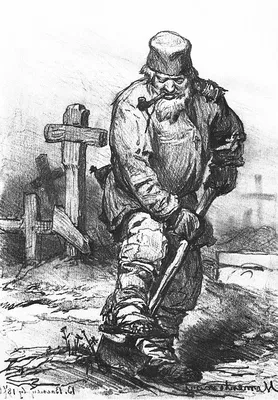
John Barnatt's background includes work as a gravedigger, a profession historically linked to church duties and often associated with societal marginalization due to its connection with death. In various cultures, gravediggers have held different statuses, from members of the clergy in early Christian communities to low-paid laborers in modern cemeteries. The role involves specific tools and techniques for excavation and grave preparation, with depth and spacing requirements playing a significant part in the process.
The work of gravediggers has also found its way into literature and media, often depicted in gothic and crime genres. The ancient Roman term 'fossor' refers to early Christian gravediggers who were considered part of the inferior clergy and even held the authority to sell burial spaces. Their duties could extend to decorating tombs, suggesting a broader role than mere manual labor. The profession's association with death has led to its portrayal in various contexts, reflecting societal attitudes towards mortality and those who handle the deceased.
The Role and History of Gravediggers
Gravediggers, or cemetery workers responsible for excavating burial sites, have a long and varied history. Traditionally, they were often connected to the church, with their duties sometimes falling under the purview of a sexton. In modern times, particularly in secular cemeteries, they can be temporary laborers or professional staff involved in landscaping and interacting with mourners. Across different cultures, the profession has faced stigma due to its association with the dead, which many belief systems consider unclean. Historically, in places like India and feudal Japan, such work was relegated to the lowest castes or specific marginalized groups.
Fossors: Early Christian Gravediggers
The term 'fossor' (from Latin 'to dig') describes grave diggers in the Roman catacombs during the first three centuries of Christianity. Unlike their pagan counterparts, the vespillones, who were often held in low esteem, the fossors were integrated into the early Church hierarchy as an order of inferior clergy. Records indicate they were mentioned alongside bishops and deacons and were referred to as 'clerici.' Initially paid per job, they later received stipends from the Church's treasury. By the fourth century, the corporation of fossors gained the right to sell burial plots, and their responsibilities may have included tomb decoration, as evidenced by accounts of individuals identified as both 'fossor' and 'artifex' (artist).
Gravediggers in Literature and Culture
The profession of gravedigging, due to its intrinsic connection to death, has frequently appeared in literature and popular culture, particularly within gothic and crime fiction. A well-known literary example is the scene in Shakespeare's Hamlet, featuring gravediggers discussing mortality. In crime novels, characters like Gravedigger Jones from Chester Himes' 'Harlem cycle' highlight the darker, often gritty, aspects of the profession. The cultural perception of gravediggers has ranged from being figures of morbid fascination to those associated with the macabre, influencing imagery and themes in various artistic expressions.
Key Ideas
- Historical and cultural roles of gravediggers
- The status and perception of the profession across societies
- The specific tasks and tools involved in grave excavation
- The symbolic and literary significance of gravediggers