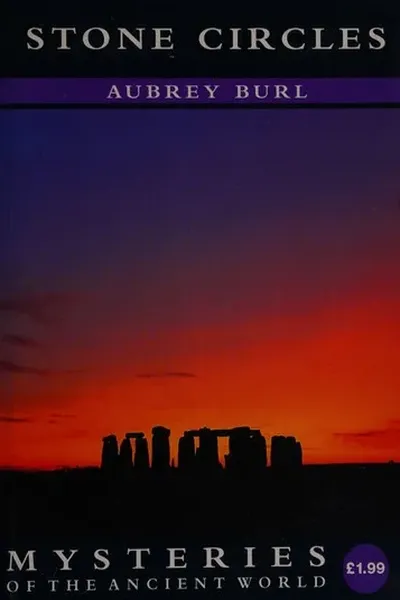
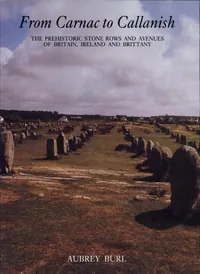
Aubrey Burl was a British archaeologist renowned for his studies of megalithic monuments and prehistoric rituals.
Harry Aubrey Woodruff Burl (1926–2020) was a British archaeologist who specialized in the study of megalithic structures and the associated prehistoric rituals. He served as Principal Lecturer in Archaeology at Hull College before his retirement. The New York Times recognized him as the foremost authority on British stone circles. Burl's research approached the astronomical significance of megaliths with caution, often questioning more speculative claims within archaeoastronomy. He proposed that monuments like stone circles and henges were primarily sites for ritualistic practices related to death, fertility, and ancestor veneration, rather than solely astronomical observatories. These rituals, he suggested, occurred at significant times of the year, such as solstices and equinoxes, to ensure agricultural success. Burl also challenged the widely held belief that Stonehenge's bluestones were manually transported from the Preseli Hills, suggesting they might have been deposited by glaciers. This theory, however, faced counterarguments based on the stones' chemical signatures and the lack of direct glacial paths connecting the hills to the Salisbury Plain, though later research indicated potential glacial activity reaching relevant coastal areas.
Megalithic Monuments and Ritual Practices
Aubrey Burl dedicated much of his career to understanding the purpose and context of megalithic monuments across Britain and Europe. While acknowledging the potential astronomical alignments of structures like stone circles and henges, Burl was critical of interpretations that overemphasized their role as purely astronomical observatories. He posited that these sites were more likely centers for ritualistic activities deeply connected to the cycles of life and death. His research suggested that rituals associated with fertility, ancestor worship, and agricultural prosperity were central to the use of these monuments, drawing parallels with practices observed in other traditional agricultural societies, including those of Native North American tribes. These ceremonies were often timed to coincide with key astronomical events like the spring equinox and summer solstice, believed to influence the success of harvests.
The Stonehenge Bluestone Debate
Burl engaged in scholarly debate regarding the origins of the bluestones used in the construction of Stonehenge. He questioned the prevailing theory that these stones were laboriously transported by hand from the Preseli Hills in southwest Wales. Instead, Burl proposed that glaciers might have deposited the bluestones closer to the Stonehenge site, making them accessible for the monument's builders. This hypothesis, however, met with significant academic opposition. Critics pointed to the distinct chemical signatures of the bluestones, which traced them specifically to the Preseli Hills, and noted the absence of any known glacial pathways that could have connected these hills to the Salisbury Plain. While some scientific research has since indicated that glacial ice did reach coastal areas of Somerset and Devon from Pembrokeshire, the direct link to Stonehenge remains a subject of discussion.
Academic Career and Recognition
Before his passing in 2020 at the age of 93, Aubrey Burl held the position of Principal Lecturer in Archaeology at Hull College in the East Riding of Yorkshire. His significant contributions to the field were recognized by his peers and the wider public. The New York Times notably referred to him as "the leading authority on British stone circles." His academic impact was further acknowledged through a Festschrift, a volume of collected essays presented in his honor by fellow scholars, celebrating his influential research and insights into prehistoric archaeology.
Key Ideas
- Megalithic monuments primarily served ritualistic purposes (death, fertility, ancestor worship) rather than solely astronomical observation.
- Rituals at megalithic sites were often tied to agricultural cycles and key solar/lunar events.
- Questioned the manual transport theory for Stonehenge's bluestones, proposing glacial deposition as a possibility.
Notable Quotes
“the leading authority on British stone circles”
Books by
19 free public domain books · Read online or download