The Scorch Trials
 71
71

The Scorch Trials
Dashner crafts a relentless pace in The Scorch Trials, pushing Thomas and his fellow Gladers into the desolate 'Scorch.' While the initial premise of escape from the Glade is compelling, the sequel often feels like a prolonged chase sequence. The introduction of new characters and the heightened sense of urgency are strengths, but the constant barrage of external threats occasionally overshadows deeper character development. A particularly effective passage involves the group's desperate fight against the Cranks, showcasing the brutal realities of their world and the desperate measures WICKED employs. However, the narrative's reliance on escalating peril sometimes sacrifices nuance. The work ultimately serves its purpose as a high-octane middle installment, driving the plot forward with considerable energy.
📝 Description
71
Published in 2010, The Scorch Trials thrusts readers into a brutal post-apocalyptic world.
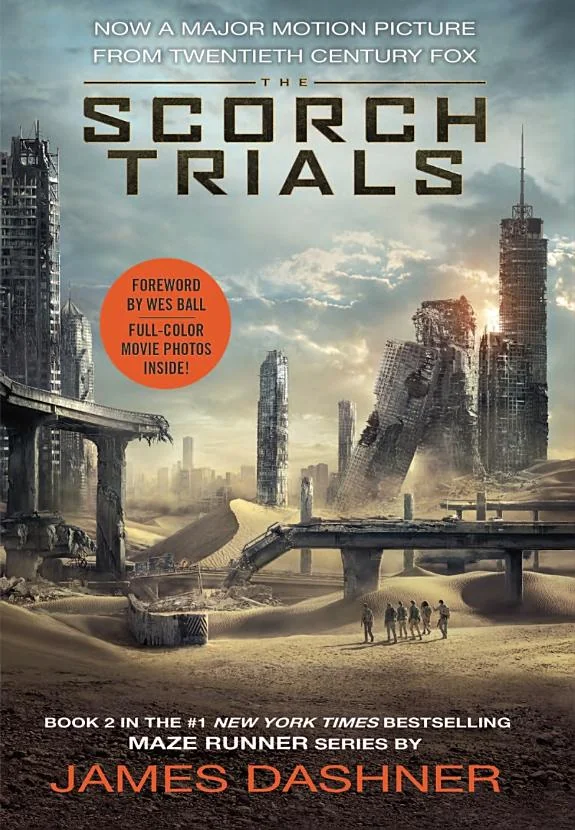
The Scorch Trials, the second book in James Dashner's Maze Runner series, picks up after the characters' escape from the Glade. Thomas and the surviving Immunes must now cross the Scorch, a vast, dangerous wasteland. Their journey is fraught with environmental hazards and the constant threat of WICKED, the organization that imprisoned them. WICKED's agents pursue the group, seeking to recapture them for their own undisclosed purposes. The narrative details the physical and psychological struggles of the survivors as they face dwindling resources and internal conflict.
The group's objective is to reach a safe haven, but the path is uncertain and perilous. They encounter new dangers and must rely on each other to survive the extreme conditions and the relentless pursuit. The story examines the moral compromises necessary for survival and the question of who to trust when survival is the only goal. It builds on the established world, expanding the scope beyond the initial maze experiment.
Emerging in 2010, The Scorch Trials aligns with a contemporary trend in young adult fiction that examines societal collapse and authoritarian control. This genre often reflects anxieties about global crises, surveillance, and the ethics of survival. By placing its characters in a devastated world controlled by a shadowy organization, the book taps into a vein of speculative fiction that questions authority and the nature of humanity under pressure. Its focus on engineered dangers and desperate escape echoes themes found in earlier post-apocalyptic narratives, but it reframes them within a YA context.
💡 Why Read This Book?
• Learn about the strategic and psychological demands of survival in a post-environmental collapse world, specifically as depicted in the desolate 'Scorch' terrain. • Understand the complex ethical dilemmas posed by WICKED's methods, which force characters to question the cost of humanity's salvation. • Experience the narrative tension and character resilience forged under extreme duress, exemplified by the Gladers' desperate escape from the facility.
⭐ Reader Reviews
Honest opinions from readers who have explored this book.
❓ Frequently Asked Questions
What is the primary goal of WICKED in The Scorch Trials?
WICKED's primary objective is to find a cure for the Flare virus. To achieve this, they subject young immunes, like Thomas and Teresa, to extreme tests and environmental hazards, believing it will reveal crucial data for their research.
Who are the Cranks and what role do they play?
Cranks are individuals infected with the Flare virus, which causes severe mental and physical deterioration, often leading to aggression. They represent a constant, visceral threat to the Gladers as they traverse the Scorch.
How does The Scorch Trials differ from the first book, The Maze Runner?
While The Maze Runner focused on escaping the Glade, The Scorch Trials shifts the setting to a dangerous wasteland and expands the scope to include WICKED's larger agenda and the global crisis caused by the Flare.
What is the significance of the 'Scorch' itself?
The Scorch is a vast, desolate desert landscape, ravaged by solar flares and environmental catastrophe. It serves as a brutal testing ground, physically and mentally challenging the survivors and highlighting the consequences of the world's collapse.
Does the book offer any resolution to the overarching plot?
The Scorch Trials does not provide a full resolution. It serves as a middle chapter, introducing new challenges and deepening the mystery surrounding WICKED and the Flare, leaving the reader with anticipation for the next installment.
When was The Scorch Trials originally published?
The Scorch Trials was first published in 2010, positioning it within the burgeoning young adult dystopian fiction trend of the early 21st century.
🔮 Key Themes & Symbolism
Survival Against Overwhelming Odds
The narrative thrust of The Scorch Trials is the desperate fight for survival in a hostile environment. Survivors must contend not only with the natural dangers of the Scorch—extreme heat, scarce resources, and treacherous terrain—but also with the engineered threats posed by WICKED. This theme explores human resilience, the instinct to persevere, and the psychological toll exacted by constant peril. The Gladers' journey is a stark depiction of pushing past physical and mental limits when faced with annihilation, forcing them to rely on each other and their own wits.
The Morality of Extreme Measures
Central to the plot is the ethical quagmire presented by WICKED's actions. The organization justifies its cruel experiments and manipulations by claiming they are necessary to find a cure for the Flare virus and save humanity. This raises profound questions about utilitarianism: can the suffering of a few justify the potential salvation of many? The characters, particularly Thomas, grapple with these moral ambiguities, questioning whether WICKED's ultimate goals excuse their brutal methods.
Trust and Betrayal
In the high-stakes environment of the Scorch, trust becomes a fragile commodity. The Gladers must learn whom to rely on, both within their group and among the new survivors they encounter. The narrative deliberately blurs lines, as characters like Teresa exhibit conflicting loyalties, and the true intentions of WICKED remain obscured. This theme explores the difficulty of forming genuine connections when survival is paramount and deception is a constant threat, highlighting how betrayal can be as devastating as any physical danger.
The Nature of Humanity
Beyond the immediate survival narrative, The Scorch Trials probes what it means to be human in the face of societal collapse and scientific experimentation. The Flare virus itself is a manifestation of biological breakdown, and the Cranks represent a tragic loss of humanity. Conversely, the Gladers' capacity for empathy, sacrifice, and hope demonstrates enduring human spirit. The book questions whether true humanity lies in preserving life at all costs or in maintaining one's moral integrity, even when faced with impossible choices.
💬 Memorable Quotes
Direct passages from the work, attributed to the author.
“They were going to make it. They had to.”
— This internal thought captures the driving force of desperation and hope that propels the characters forward. It's a raw expression of the will to survive against seemingly insurmountable odds, highlighting the psychological imperative to keep going.
“The Scorch was a deadly place.”
— A simple, stark statement that defines the primary antagonist: the environment itself. It underscores the extreme danger and unforgiving nature of the world outside the relative safety of the Glade, setting the stage for the trials to come.
“WICKED is good.”
— This repeated mantra, often questioned by the protagonists, represents the central conflict of the narrative. It forces readers to consider the ethical implications of WICKED's actions and whether their ostensibly noble goals justify their methods.
“Fear was a luxury they could not afford.”
— This highlights the intense pressure and constant danger faced by the characters. In their perilous situation, succumbing to fear is not an option; it is a direct path to failure and potential death, emphasizing the need for stoicism.
💡 Key Ideas
Editorial paraphrase of the work's core concepts — not direct quotes.
They had to get to the safe zone.
This quote signifies a tangible objective amidst the chaos. The 'safe zone' represents a strong example of hope and a crucial waypoint in their perilous journey, driving the plot towards its next critical challenge.
🌙 Esoteric Significance
Tradition
While not explicitly aligned with a single esoteric tradition, The Scorch Trials engages with themes common in Gnostic and Hermetic thought. The concept of a flawed, oppressive demiurge (represented by WICKED) controlling a trapped population seeking liberation echoes Gnostic cosmology. The idea of a hidden, destructive force (the Flare) and the search for purification or salvation aligns with Hermetic principles of transformation. The narrative explores the acquisition of forbidden knowledge and the struggle for gnosis (understanding) in a world shrouded in deception.
Symbolism
The 'Scorch' itself symbolizes a world fallen from grace, a material plane corrupted by destructive forces, akin to a spiritual wasteland. WICKED functions as a modern, secularized Gnostic Archon – a controlling entity that believes it knows best, hindering true liberation. The 'Cranks' represent humanity succumbing to material decay and spiritual sickness, a cautionary symbol of what happens when the inner light is extinguished by external corruption or internal despair.
Modern Relevance
Contemporary thinkers exploring themes of technological overreach, bioethics, and societal control find echoes in WICKED's methods. The narrative's questioning of authority and the pursuit of knowledge, even at great cost, remains relevant in discussions about artificial intelligence, genetic engineering, and global crises. Its depiction of resilient youth navigating complex moral landscapes continues to inspire discussions on agency and resistance in challenging societal structures.
👥 Who Should Read This Book
• Young adult readers interested in survival thrillers and dystopian societies, particularly those who enjoyed the first book and seek a continuation of the fast-paced plot. • Students of comparative literature examining the tropes and themes prevalent in 21st-century young adult dystopian fiction, focusing on narrative structure and character archetypes. • Fans of speculative fiction who appreciate explorations of post-apocalyptic settings and the ethical quandaries of survival in extreme circumstances, like the challenges presented by the 'Scorch'.
📜 Historical Context
Published in 2010, The Scorch Trials arrived during a peak period for young adult dystopian fiction, a genre galvanized by Suzanne Collins' The Hunger Games (2008) and the continued popularity of films like Children of Men (2006). James Dashner's work tapped into a growing public consciousness concerning climate change, governmental control, and the potential for societal collapse. The narrative's focus on a post-apocalyptic world ravaged by solar flares and disease resonated with anxieties of the era. While not directly engaging with specific philosophical schools, the book’s premise of a controlling organization making ethically dubious decisions for a perceived greater good echoed debates surrounding real-world events and policy. The reception was largely positive within its target demographic, contributing to the series' overall success and solidifying Dashner's place among prominent YA authors of the time, alongside contemporaries like Veronica Roth.
📔 Journal Prompts
The Gladers' reliance on each other in the Scorch.
WICKED's definition of 'good' versus the characters' experiences.
The psychological impact of the Cranks' condition.
Thomas's internal conflict regarding his memories and loyalties.
The symbolic meaning of reaching a 'safe zone'.
🗂️ Glossary
The Scorch
A vast, desolate wasteland outside the Glade, ravaged by solar flares and environmental catastrophe. It is characterized by extreme heat, dangerous terrain, and scarce resources, serving as a brutal testing ground for the survivors.
WICKED
Acronym for World In Catastrophe Elimination Directive. This clandestine organization conducts experiments on immune adolescents, believing it is the only way to find a cure for the Flare virus and save humanity.
Flare Virus
A deadly, infectious disease that causes severe brain damage and eventual death, leading to the collapse of civilization. It is the primary catalyst for WICKED's experiments.
Cranks
Individuals infected with the Flare virus. Their condition causes extreme aggression, paranoia, and physical deterioration, making them a significant threat to the uninfected survivors.
Immunes
Adolescents who are resistant to the Flare virus. They are highly sought after by WICKED for their potential to hold the key to a cure.
Safe Zone
Designated areas within the Scorch that are supposed to offer temporary refuge from the environmental dangers and infected individuals. Reaching these zones is a critical objective for the Gladers.
Group B (The Girls)
A group of female survivors encountered by Thomas and his group in the Scorch, adding another layer of complexity and potential alliances or conflicts to their journey.
🔮 Readers Also Liked
Browse all →









More by James Dashner
All books →

More Free Occult Philosophy Books
View all →