Sufficiently Advanced Magic
 81
81

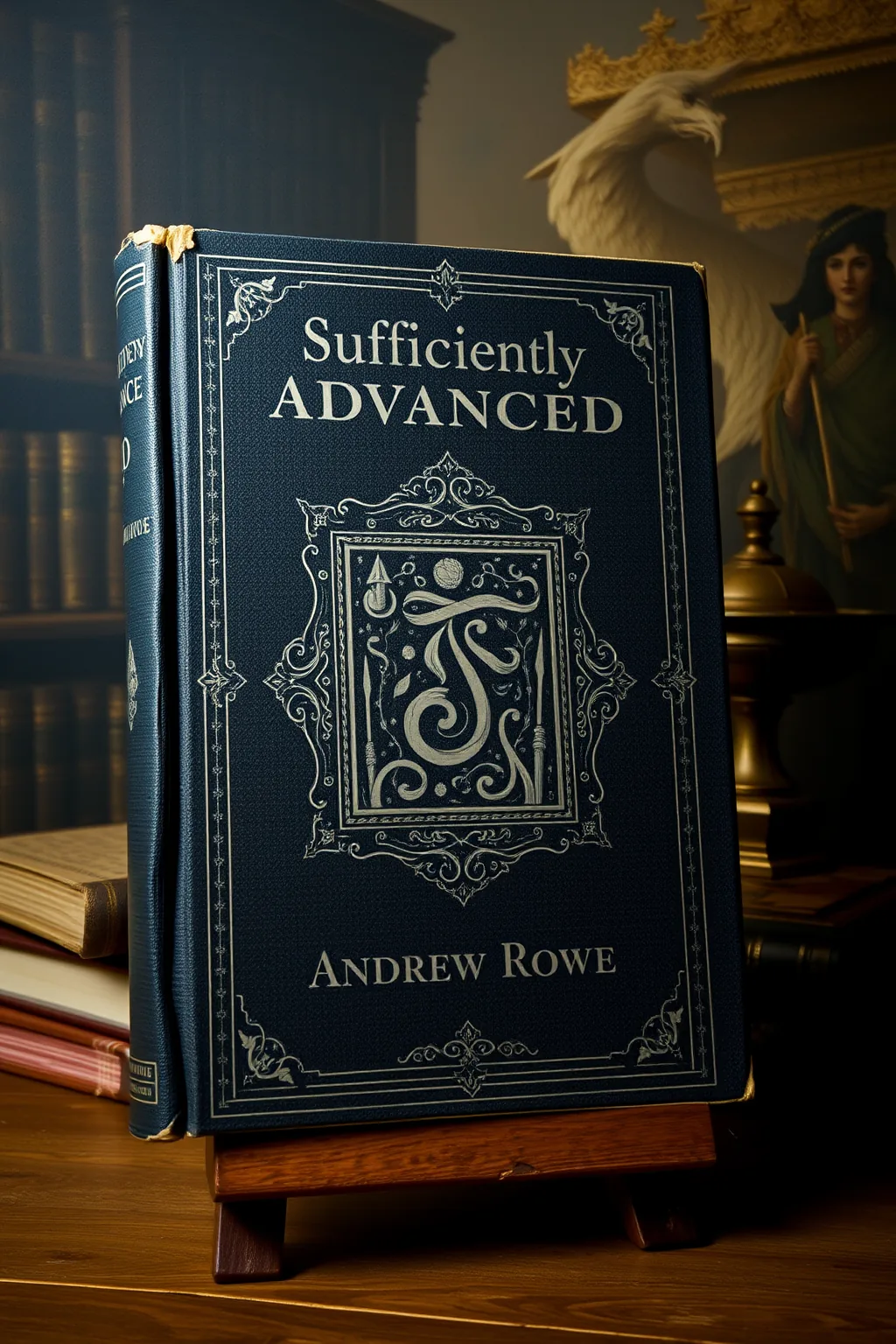
Sufficiently Advanced Magic
Andrew Rowe’s Sufficiently Advanced Magic doesn't just present a magic system; it dissects it with the precision of a scholar. The book’s strength lies in its meticulously crafted world and the academic rigor applied to its arcane arts. Corin Cadence's journey through the Attunement trials is a compelling demonstration of this, where magical theory is tested through practical, often perilous, application. The narrative meticulously details the mechanics of spells, mana flow, and the very architecture of magical artifacts, making the magic feel tangible and earned. However, the sheer density of explanation, while a boon for system enthusiasts, occasionally slows the narrative momentum. A passage detailing the precise energy requirements and somatic components for a specific warding spell, while fascinating from a world-building perspective, might test the patience of readers seeking a faster-paced plot. Despite this, the novel succeeds in establishing a unique and deeply realized magical universe. It’s a highly cerebral fantasy that rewards close attention.
📝 Description
81
Andrew Rowe's 2017 novel, Sufficiently Advanced Magic, presents a world where magic functions as a rigorous academic discipline.
Sufficiently Advanced Magic, published in 2017, is the first book in Andrew Rowe's Arcane Ascension series. It centers on Corin Cadence, a young man facing the Attunement, a perilous magical examination. Failure means a fate worse than death, pushing Corin to master a complex, formalized magic system.
The book details a world where magic is studied in academies, governed by structured rules and abilities known as "Attunements" and "Permissions." Corin's journey involves deciphering ancient magical constructs and understanding mana manipulation. This approach appeals to readers who enjoy detailed world-building and magic systems based on logical, almost scientific, principles. It is particularly suited for fans of litRPG and progression fantasy, highlighting Corin's advancement through study and earned power.
The narrative emphasizes problem-solving and strategic thinking within a framework of clear character progression. Rowe's work contributes to a genre that values logical consistency and the systematic acquisition of abilities.
Published in 2017, Sufficiently Advanced Magic emerged within a growing interest in progression fantasy and detailed magic systems, particularly in online fiction communities. Rowe's novel contributes to this genre by focusing on the structured, educational aspects of magic. Unlike some earlier fantasy that presented magic more vaguely, this work treats magical study and practice with an academic rigor, akin to a codified curriculum. It builds upon a tradition of authors popularizing intricate magic systems, carving a niche by emphasizing the examination and acquisition of magical abilities as a central plot driver.
💡 Why Read This Book?
• Gain insight into a meticulously structured magic system where spells are akin to scientific formulas, allowing you to understand the logical underpinnings of arcane power as presented in the "Attunement" trials. • Experience a unique take on fantasy education, focusing on academic progression and rigorous testing of magical abilities, mirroring the challenges faced by Corin Cadence in his pursuit of magical mastery. • Explore a world where magic is a formalized discipline, offering a compelling narrative for those who appreciate detailed world-building and a clear, step-by-step advancement of a protagonist's capabilities.
⭐ Reader Reviews
Honest opinions from readers who have explored this book.
❓ Frequently Asked Questions
What is the central conflict in Sufficiently Advanced Magic?
The central conflict revolves around Corin Cadence's attempt to pass the Attunement, a dangerous magical examination. Failure results in a catastrophic magical backlash, making his pursuit a matter of survival and magical attainment.
How is magic depicted in Andrew Rowe's book?
Magic is depicted as a complex, codified system studied academically, akin to a science or advanced mathematics. It involves understanding mana, spellcraft, and specific "Permissions" which govern magical abilities, as seen in the world of 2017.
What are "Attunements" and "Permissions" in this book?
Attunements are the formal magical qualifications characters strive for, often tested through rigorous trials. Permissions are the specific magical abilities and rules that a mage can learn and utilize, forming the building blocks of their magical repertoire.
Is Sufficiently Advanced Magic part of a series?
Yes, Sufficiently Advanced Magic (2017) is the first book in the Arcane Ascension series by Andrew Rowe, a popular progression fantasy saga.
What makes the magic system in this book unique?
Its uniqueness stems from its academic and procedural nature. Magic is treated less as an innate gift and more as a subject requiring intense study, logical deduction, and practical application, much like a complex curriculum.
Who is the protagonist and what is his goal?
The protagonist is Corin Cadence, who seeks to achieve his magical Attunement within a demanding academy system. His primary goal is to survive the trials and gain access to higher levels of magical knowledge and power.
🔮 Key Themes & Symbolism
The Academic Study of Magic
The novel presents magic not as an ethereal art but as a rigorous academic discipline. Students attend academies, take exams, and must master specific "Permissions" and "Attunements." This approach, evident from its 2017 publication, treats arcane knowledge with the seriousness of scientific inquiry, emphasizing theory, practice, and the logical progression of skill acquisition. The world treats magic as a subject to be learned, mastered, and codified, moving beyond simple notions of innate talent to focus on diligent study and problem-solving.
Structured Progression and Trial
Central to the narrative is the concept of structured progression, exemplified by Corin's journey through the Attunement trials. These aren't arbitrary challenges but meticulously designed tests of magical knowledge and capability. The book details the mechanics of these trials, highlighting how characters advance their abilities through overcoming specific obstacles and acquiring new "Permissions." This focus on clear, measurable advancement aligns with progression fantasy tropes, making the protagonist's growth feel earned and logical within the established framework.
The Dangers of Ignorance and Failure
Rowe imbues the world with a tangible sense of danger tied directly to magical understanding and competence. The Attunement, for instance, carries severe penalties for failure, implying that insufficient knowledge or skill can lead to catastrophic consequences. This elevates the stakes beyond mere plot convenience, suggesting that ignorance in a world of advanced magic is a perilous state. The narrative explores how understanding the rules, or "Permissions," of magic is not just about gaining power but also about survival.
The Nature of Magical Artifacts
Sufficiently Advanced Magic examines the creation and function of magical artifacts, treating them as sophisticated constructs with specific properties and mana flows. The narrative often requires characters to interact with, understand, or even repair these items. This detailed approach to magical technology adds another layer to the world's systematic magic, suggesting that artifacts are not merely enchanted objects but complex pieces of arcane engineering that require specific knowledge to operate or counter.
💬 Memorable Quotes
Direct passages from the work, attributed to the author.
“Failure in the Attunement means the destruction of your mind and soul.”
— This statement underscores the extreme stakes of magical trials within the narrative. It moves beyond simple academic failure to a fate that implies a complete existential erasure, highlighting the perilous nature of advanced magical study.
“Corin had to understand the foundational principles before he could attempt the advanced spells.”
— This reflects the narrative's commitment to structured learning. It shows that characters must master basic magical concepts and "Permissions" before progressing to more complex abilities, mirroring a rigorous educational path.
“The mana flow was unstable, requiring precise adjustments to the warding matrix.”
— This example illustrates the technical and detailed nature of magic in the book, treating mana manipulation and spell construction with the precision of engineering or complex chemistry.
“He felt the surge of raw mana, but lacked the Permission to properly shape it.”
— This highlights the distinction between raw magical energy and controlled, usable magic. It emphasizes that possessing "Permissions" is crucial for effectively wielding magical power, not just having access to mana.
💡 Key Ideas
Editorial paraphrase of the work's core concepts — not direct quotes.
Magic is a system of rules. You just have to learn them.
This paraphrased concept emphasizes the core philosophy of the book's magic system: it is logical, learnable, and governed by discoverable principles, rather than being purely mystical or arbitrary.
🌙 Esoteric Significance
Tradition
While not explicitly tied to a single esoteric lineage like Hermeticism or Kabbalah, Sufficiently Advanced Magic engages with the principle of magic as a knowable, structured system, akin to how certain Western Esoteric traditions sought to codify and understand occult forces. The emphasis on learning specific "Permissions" and "Attunements" reflects the idea of magical disciplines requiring dedicated study and mastery of specific formulae or correspondences, a concept found in various grimoires and magical texts seeking to systematize power.
Symbolism
The concept of "Permissions" can be seen as symbolic of specialized knowledge or keys that unlock specific potentials, akin to how sigils or divine names in older traditions unlock specific powers or influences. The "Attunement" itself functions as a symbolic trial or initiation, representing a rite of passage where an individual proves their worthiness and capacity to wield greater magical forces, a common motif in initiatory magical systems.
Modern Relevance
This work is highly relevant to modern discussions on structured fantasy systems and the "progress bar" narrative prevalent in litRPG and progression fantasy. Contemporary authors and readers exploring detailed magic systems, academic fantasy settings, and character progression through logical mastery often cite or are influenced by the meticulous world-building and rule-based magic presented here, making it a touchstone for the genre's evolution.
👥 Who Should Read This Book
• Readers fascinated by intricate, rule-based magic systems who enjoy seeing characters logically overcome obstacles through study and application, similar to how one might approach advanced mathematics. • Fans of academic fantasy settings who appreciate detailed world-building centered around magical institutions, curricula, and examinations, like the trials Corin Cadence faces. • Enthusiasts of progression fantasy seeking narratives where a protagonist's power growth is clearly defined, earned through effort, and meticulously explained, mirroring the structured advancement within the Grand Academy.
📜 Historical Context
Published in 2017, Andrew Rowe's Sufficiently Advanced Magic arrived at a flourishing point for progression fantasy and intricate magic systems, particularly within online fiction communities. Its detailed, almost scientific, approach to magic distinguished it from many contemporaries. While authors like Brandon Sanderson had already popularized complex arcane rulesets in works like the Stormlight Archive, Rowe’s focus on the academic study and examination of magic within institutions like the Grand Academy offered a distinct angle. The book emerged in an era where readers sought logical frameworks for fantasy worlds. Unlike earlier fantasy that might lean on innate talent or vague mystical forces, Rowe presented magic as a subject to be mastered through structured learning and rigorous testing, mirroring the intellectual currents of systematization prevalent in popular online fiction platforms. The positive reception indicated a strong reader appetite for such detailed, rule-based magic systems.
📔 Journal Prompts
The precise mechanics of a specific Permission.
The implications of failing an Attunement trial.
Corin Cadence's study habits and their effectiveness.
The role of foundational knowledge in advanced magic.
The ethical considerations of codified magical abilities.
🗂️ Glossary
Attunement
A formal magical qualification or license earned through rigorous testing, signifying a mage's mastery and right to wield certain powers.
Permission
A specific, codified magical ability or spell that a mage can learn and employ. These are the building blocks of a mage's repertoire.
Mana
The fundamental magical energy present in the world, which mages learn to draw upon and shape.
Grand Academy
The primary institution where individuals study magic, undergo trials, and strive to achieve their Attunements.
Warding Matrix
A complex magical construct designed to protect an area or object, often requiring precise mana flow and specific spell components.
Somatic Components
The physical gestures or movements required to cast a spell or activate a magical ability.
Progression Fantasy
A subgenre of fantasy characterized by protagonists who systematically gain power, skills, and knowledge over time, often through defined levels or trials.
🔮 Readers Also Liked
Browse all →






More by Andrew Rowe
All books →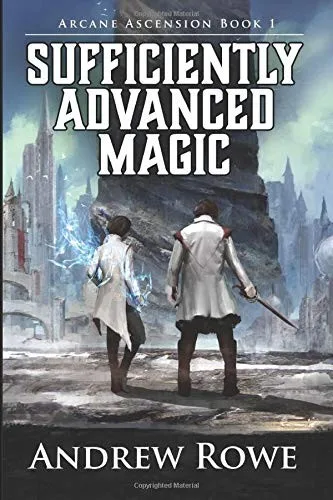
More Free Magic & Ritual Books
View all →