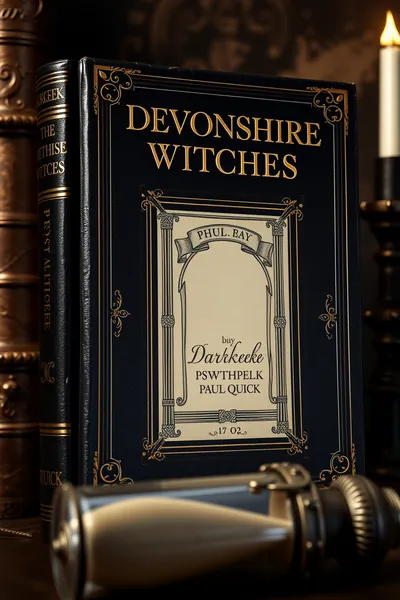
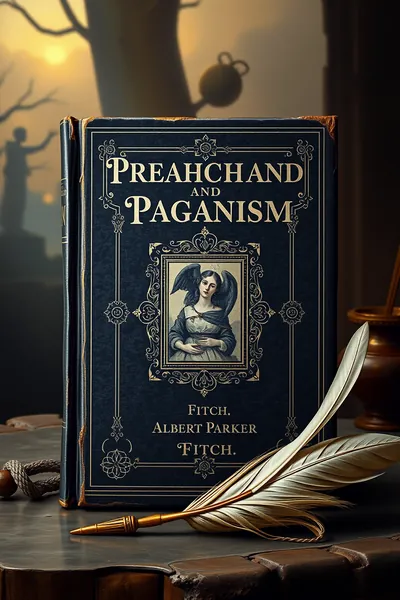
Witch's pyre

 81
81

Witch's pyre
Angelini’s Witch's Pyre offers a stark confrontation with the historical narrative of the witch, moving beyond romanticized notions to excavate the brutal realities of persecution. The author’s strength lies in her unflinching portrayal of the pyre as a multifaceted symbol – not just of execution, but of societal fear and the attempted erasure of specific forms of knowledge. A particularly compelling section details the legalistic justifications used during the 17th-century witch trials, highlighting the chilling banality of evil. However, the book occasionally leans towards a generalized lament for lost feminine power without sufficiently differentiating between historical witch-persecution victims and later practitioners of occult arts. While it successfully frames the witch as a victim of patriarchal suppression, it could benefit from a more nuanced exploration of the diverse beliefs and practices attributed to those accused. Despite this, Witch's Pyre serves as a potent reminder of the dangers of scapegoating and the enduring power of suppressed archetypes.
📝 Description
81
Josephine Angelini's Witch's Pyre, published in 2016, examines the witch as a symbol of suppressed female power.
Published in 2016, Josephine Angelini's Witch's Pyre looks at the historical persecution of witchcraft and the figure of the witch. It presents the witch not just as a character from folklore, but as a representation of female power and older systems of knowledge that were pushed down. The book discusses how fear and accusations have historically targeted those seen as different, especially women who did not follow the rules set by men.
This book is for readers interested in folklore, history, and the esoteric. It helps explain the origins of current witchcraft practices and the social forces that influenced how they were viewed. People curious about how female power is symbolized, the psychology behind persecution, and the lasting impact of witch trials will find a lot to think about. It is also suitable for students of mythology and cultural studies.
Witch's Pyre connects to a resurgence of interest in paganism and Wicca, alongside new views on historical witch trials from the 15th to 18th centuries. Angelini's focus on the 'witch's pyre' directly references the violent methods used in these hunts. The book is informed by feminist analysis and the academic study of occult traditions, aiming to correct histories often clouded by fear and prejudice. It positions the witch as a holder of primal feminine energy, misunderstood and feared by mainstream society.
💡 Why Read This Book?
• Understand the historical terror of witch trials, particularly the methods and societal fears prevalent in 17th-century Europe, gaining a concrete grasp of the 'witch's pyre' as a symbol of state-sanctioned violence. • Explore the archetype of the witch as a representation of suppressed feminine power, moving beyond simplistic folklore to analyze its role in historical and contemporary societal dynamics. • Examine the enduring legacy of persecution and how it shaped the perception of esoteric practices, offering a critical lens through which to view modern spiritual movements.
⭐ Reader Reviews
Honest opinions from readers who have explored this book.
❓ Frequently Asked Questions
When was Josephine Angelini's Witch's Pyre first published?
Witch's Pyre by Josephine Angelini was first published in 2016, placing it within a contemporary wave of re-examinations of historical witch trials and esoteric traditions.
What historical period do the witch trials discussed in Witch's Pyre primarily cover?
The book primarily addresses the witch trials that occurred most intensely from the 15th to the 18th centuries across Europe, a period marked by widespread accusations and executions.
Does Witch's Pyre focus on specific geographical locations of witch hunts?
While the book addresses the phenomenon broadly, its symbolic 'pyre' concept evokes the widespread nature of witch hunts across various European regions during the peak persecution centuries.
What is the primary symbolic meaning of the 'witch's pyre' in Angelini's work?
The 'witch's pyre' symbolizes not only the literal execution of accused witches but also the societal fear, the attempted erasure of feminine power, and the suppression of ancient knowledge systems.
Is Witch's Pyre a historical account or an esoteric interpretation?
Witch's Pyre functions as an esoteric interpretation that uses historical events, particularly the witch trials, as a foundation to explore themes of suppressed feminine power and archetypal symbolism.
Who is the intended audience for Witch's Pyre?
The book is aimed at readers interested in folklore, the history of witchcraft, feminist critiques, and the esoteric, particularly those seeking to understand the symbolic representation of female power.
🔮 Key Themes & Symbolism
The Pyre as Symbol
The 'witch's pyre' transcends its literal meaning as a tool of execution during the historical witch hunts. Angelini employs it as a potent symbol for the societal fear and violent suppression of feminine power and alternative knowledge systems. It represents the attempted eradication of specific spiritual traditions and the silencing of voices that deviated from patriarchal norms. The recurring image of the pyre underscores the destructive impulse to purge what is deemed threatening, echoing through centuries of persecution and its lingering psychological impact.
Suppressed Feminine Power
Central to the work is the concept of the witch as an embodiment of primal feminine energy. This energy, often associated with intuition, nature, and ancient wisdom, becomes a focal point of societal anxiety and control. The book explores how this power, when perceived as a threat to established hierarchies, was systematically demonized and persecuted. The 'pyre' becomes the ultimate manifestation of this suppression, a brutal attempt to extinguish the very essence of independent female agency and spiritual autonomy.
Archetypes of Fear and Othering
Witch's Pyre examines the historical construction of the 'witch' as an archetype of the 'other.' This archetype served to consolidate societal power by identifying and punishing those who did not conform. The book examines the psychological mechanisms behind this 'othering,' illustrating how fear of the unknown, particularly concerning female sexuality and spiritual independence, fueled mass hysteria and persecution. The pyre, in this context, is the ultimate act of 'othering' – the complete removal of the deviant from the community.
Legacy of Persecution
The work posits that the historical persecution of witches, symbolized by the pyre, has left an indelible mark on collective consciousness. Angelini suggests that the traces of these trials and the suppression of ancient practices continue to influence contemporary attitudes towards spirituality, particularly those associated with women and nature. The book encourages a critical examination of how historical narratives of fear and condemnation continue to shape modern perceptions and potentially hinder the revival or understanding of certain esoteric traditions.
💬 Memorable Quotes
Direct passages from the work, attributed to the author.
“Fear built the pyre, and fear fed the flames.”
— This interpretation points to the psychological roots of the witch trials, emphasizing that societal anxieties and the fear of the unknown were the primary drivers behind the persecution, rather than genuine evidence of malevolence.
“They sought to purify the land by burning its wild heart.”
— This captures the idea that the persecution was seen by accusers as a cleansing ritual, targeting the untamed, natural aspects of feminine power and spirituality that were perceived as a threat to social order.
“The ashes held the stories they tried to silence.”
— This suggests that even in destruction, remnants of the suppressed knowledge and the experiences of the persecuted persist, waiting to be rediscovered or remembered, symbolizing the enduring nature of truth.
“In their pyres, we see the fear of what we cannot control.”
— This interpretation connects historical events to broader human psychology, positing that the historical witch hunts, symbolized by the pyre, were fundamentally rooted in a fear of uncontrollable forces, particularly those associated with female autonomy and spiritual power.
💡 Key Ideas
Editorial paraphrase of the work's core concepts — not direct quotes.
The flame consumed not just flesh, but the whispers of old ways.
This paraphrased concept highlights the pyre as an instrument of cultural destruction, aiming to obliterate not only individuals but also the knowledge, traditions, and spiritual practices they represented.
🌙 Esoteric Significance
Tradition
Witch's Pyre engages with themes central to modern witchcraft and neo-pagan traditions, particularly those that view historical 'witches' not as malevolent figures but as carriers of suppressed feminine spiritual knowledge. It aligns with interpretations that see the persecution of witches as an attack on earth-based spirituality and matriarchal lineage. While not strictly adhering to a singular lineage like Hermeticism or Gnosticism, it draws on the broader archetypal and symbolic language common in Western esoteric thought, particularly its feminist manifestations.
Symbolism
The 'witch's pyre' is the dominant symbol, representing not only literal immolation but also the societal fear and violent suppression of feminine power and ancient, nature-aligned spiritual practices. The concept of 'ashes' can symbolize residual knowledge or the enduring spirit that survives destruction. The 'flame' itself signifies both purification and annihilation, a dualistic force often explored in esoteric contexts, representing the destructive and transformative potential inherent in confronting suppressed truths.
Modern Relevance
Contemporary practitioners of modern witchcraft, eco-feminist spiritualists, and scholars of gender and religion often draw upon the symbolic framework presented in works like Witch's Pyre. It speaks to ongoing discussions about reclaiming suppressed histories, the nature of patriarchal control, and the vital importance of earth-based and feminine spiritualities in a post-industrial, often disembodied world. Thinkers exploring trauma, collective memory, and the archetype of the persecuted wise woman find resonance here.
👥 Who Should Read This Book
• Students of Western Esotericism interested in the historical context and symbolic representation of witchcraft, particularly the societal forces that led to persecution. • Readers of feminist literature and theory seeking to understand archetypal representations of feminine power and its historical suppression. • Individuals interested in comparative mythology and folklore who wish to explore the enduring symbolism of the witch and the 'pyre' in cultural narratives.
📜 Historical Context
Published in 2016, Witch's Pyre emerged during a period of significant scholarly and popular re-engagement with the history of witchcraft and esoteric traditions. The book directly confronts the brutal era of the European witch trials, which peaked between the 15th and 18th centuries, a dark chapter marked by mass accusations and executions. Angelini’s work sits alongside contemporary historical scholarship that sought to clarify these events, moving beyond religious explanations to analyze socio-economic factors, gender dynamics, and the psychology of fear. It engaged with feminist reinterpretations of witchcraft that began gaining traction in the mid-20th century, challenging earlier patriarchal narratives. Unlike purely academic historical accounts, Angelini's approach frames these events through an esoteric lens, exploring the symbolic significance of the 'witch's pyre' as a representation of suppressed feminine power, connecting it to broader themes of archetypal struggle that resonated with the resurgence of Wicca and modern paganism.
📔 Journal Prompts
Reflect on the societal fears that fueled the historical witch trials and how they manifest today.
Analyze the 'witch's pyre' as a symbol of suppressed feminine energy in your own life or community.
Consider the archetypal meaning of the 'wild heart' and its suppression in historical and modern contexts.
Explore the concept of 'othering' in relation to historical persecution and contemporary social dynamics.
How does the legacy of historical witch hunts inform modern understandings of esoteric practices?
🗂️ Glossary
Witch Trials
A series of historical persecutions, primarily in Europe and North America from the 15th to 18th centuries, where individuals, mostly women, were accused of practicing witchcraft and often subjected to torture and execution.
Feminine Power
Encompasses qualities often associated with the feminine archetype, such as intuition, nurturing, connection to nature, creativity, and inherent spiritual agency, which have historically been suppressed or demonized.
Archetype
A universal, inherited pattern of thought or imagery derived from the collective unconscious and recurring in literature, myth, and dreams, such as the 'witch' or the 'wise woman'.
Esoteric
Relating to or accessible only by a select group of initiated people; dealing with the hidden meanings or spiritual significance of something.
Patriarchal Norms
Social structures, beliefs, and practices that establish male dominance and privilege, often leading to the marginalization and oppression of women and feminine principles.
Othering
The process of perceiving or portraying someone or something as fundamentally different from and alien to oneself or one's own group, often leading to prejudice and discrimination.
Neo-Paganism
A modern religious movement characterized by a revival of ancient pagan beliefs and practices, often incorporating nature worship, polytheism, and ritual magic.
🔮 Readers Also Liked
Browse all →


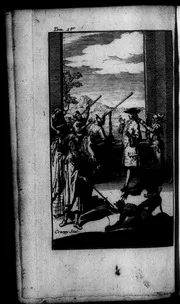
![D. [i. e., Doktor] Balthasar Bekkers reformierten Predigers in Amsterdam bezauberte Welt. ... 1781: Vol 1 Iss 81](/img/thumb/d-i-e-doktor-balthasar-bekkers-reformierten-predigers-in-amsterdam-bezauberte-welt-1781-vol-1-iss-81-bekker-balthasar-1634-1698.webp)

More Free Witchcraft & Paganism Books
View all →
![A Witch of the Hills, v. 2 [of 2]](/img/thumb/a-witch-of-the-hills-v-2-of-2-warden-florence.webp)