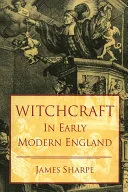
Witchcraft in Early Modern England
 73
73

Witchcraft in Early Modern England
James Sharpe's "Witchcraft in Early Modern England" provides a grounded, scholarly counterpoint to more sensationalist accounts of the period. The book excels in its meticulous dissection of primary source materials, offering a clear view of how legal and popular conceptions of witchcraft intersected. Sharpe's strength lies in his detailed examination of the judicial processes and the contemporary legal and theological frameworks that underpinned them, particularly his analysis of the influence of figures like Sir Matthew Hale. A limitation, however, is that the focus remains primarily on the legal and intellectual history, sometimes at the expense of exploring the lived experiences of those accused or the broader cultural diffusion of beliefs beyond elite discourse. The section detailing the evolution of the 'witchcraft trial' as a legal and social phenomenon in the 16th century is particularly illuminating. This is a rigorously researched introduction, essential for understanding the mechanics of early modern witch persecution.
📝 Description
73
James Sharpe's 1996 study analyzes witchcraft beliefs and practices in early modern England.
This book examines witchcraft beliefs and practices in early modern England, moving beyond simple explanations to detail the realities of accusations, trials, and societal fears. Sharpe investigates how these beliefs developed from the medieval era through the intense witch panics of the 16th and 17th centuries.
The early modern period in England was marked by considerable social, religious, and political change. This climate of anxiety often led to the persecution of those accused of witchcraft. The book places these events within the larger contexts of the religious Reformation, the growth of rational thought, and changing legal systems. Influential demonological texts were published during this time, and prominent judges and theologians participated actively in witch trials.
The work dissects the witch stereotype, showing how societal anxieties were directed at marginalized individuals. It looks at the part folklore, religious teachings, and legal processes played in shaping accusations and convictions. Sharpe also analyzes historical arguments about the social, economic, and psychological factors behind the witch panics, questioning earlier ideas and giving different views on the reasons for the persecutions.
While not overtly esoteric in the modern sense, this book examines a historical period where beliefs about the supernatural, magic, and demonic forces were deeply interwoven with religious doctrine and societal anxieties. It situates the study of witchcraft within the broader intellectual currents of early modern Europe, including demonology and the nascent challenges from rationalism, offering a scholarly perspective on how societies constructed and persecuted perceived threats from the magical and occult.
💡 Why Read This Book?
• Gain a factual understanding of the legal and social mechanisms behind early modern English witchcraft accusations, moving beyond myth to grasp the historical reality of the witch trials. • Comprehend the intellectual and religious currents of the 16th and 17th centuries that fueled witch panics, as detailed through the discussion of demonological texts and judicial attitudes. • Explore the historical debates surrounding the causes of witchcraft persecution, offering concrete perspectives on the socio-economic and psychological factors as presented in the text.
⭐ Reader Reviews
Honest opinions from readers who have explored this book.
❓ Frequently Asked Questions
What specific time period does "Witchcraft in Early Modern England" primarily cover?
The book focuses on the early modern period, predominantly the 16th and 17th centuries, which saw significant witch panics and trials across England.
Who was James Sharpe and what is his expertise?
James Sharpe is a historian specializing in early modern English history, with a particular focus on witchcraft, crime, and social history. His work is informed by extensive archival research.
Does the book discuss the Malleus Maleficarum?
While not explicitly detailed in the provided blurb, the book explores contemporary views on witchcraft put forward by judges and theologians, which would have been influenced by widely circulated demonological texts of the era.
What distinguishes this book from popular accounts of witchcraft?
This book offers a scholarly, evidence-based approach, analyzing historical trends, legal debates, and societal factors rather than relying on folklore or sensationalized narratives.
Are there specific regions or counties in England highlighted for witch trials?
The book examines witchcraft across England, discussing general trends and legal precedents that applied nationally, rather than focusing on a single geographic area.
What kind of evidence does Sharpe use to support his arguments?
Sharpe draws on a wide range of primary sources, including legal records, court documents, theological writings, and contemporary accounts of accusations and trials.
🔮 Key Themes & Symbolism
The Witch-Stereotype
The work examines the construction and dissemination of the 'witch' as a figure within early modern English society. It details how societal fears, religious anxieties, and popular folklore coalesced to create a recognizable stereotype, often applied to marginalized individuals. The book analyzes the role of judges and theologians in solidifying this image, exploring how legal frameworks and demonological treatises reinforced these perceptions and contributed to the persecution of those labeled as witches.
Legal Persecution and Judicial Attitudes
A significant focus is placed on the legal processes involved in witchcraft accusations and trials. The book investigates the evolution of laws pertaining to witchcraft, the procedures followed in courts, and the attitudes of legal authorities. It examines the perspectives of prominent judges and legal figures of the era, scrutinizing their contributions to the legal debate surrounding witchcraft and its prosecution, and how these views shaped the outcomes of trials.
Societal Anxieties and Witch Panics
The text explores the broader societal context that enabled and amplified witch panics in early modern England. It links the intensity of these persecutions to periods of religious upheaval, social instability, and widespread fear. The work dissects the historical debates surrounding the underlying causes of these panics, considering factors such as economic hardship, religious extremism, and psychological stress, offering a nuanced understanding of why certain periods saw heightened accusations.
Theological and Folkloric Influences
This theme addresses the interplay between formal religious doctrine and popular beliefs in shaping witchcraft accusations. The book examines how theological interpretations of the Devil and demonic pacts influenced official views, while also considering the role of older folkloric traditions and superstitions in everyday accusations. The synthesis of these elements created a potent framework for identifying and prosecuting suspected witches.
💬 Memorable Quotes
Direct passages from the work, attributed to the author.
“The author discusses how contemporary views of witchcraft were put forward by judges and theologians.”
— This highlights the book's focus on the intellectual and legal foundations of witch persecution, showing how established authorities shaped perceptions and judicial practices during the early modern period.
“The work charts the witch panics that took place in the early modern period.”
— This signifies the book's commitment to detailing specific historical periods of intense witchcraft accusations and trials, providing context for the scale and nature of these persecutions.
“Sharpe examines the historical debate surrounding the causes of the legal persecution of witches.”
— This points to the book's analytical depth, engaging with scholarly discourse on the motivations behind witch trials, whether social, economic, religious, or psychological.
“The book begins with a discussion of witchcraft in the early modern period.”
— This indicates the foundational approach of the text, establishing the historical setting and the initial understanding of witchcraft before examining later developments and panics.
“It addresses the 'witch-stereotype' prevalent in the era.”
— This suggests an exploration of how societal imaginations and cultural narratives constructed the image of the witch, influencing who was accused and why.
🌙 Esoteric Significance
Tradition
While not strictly within a defined esoteric lineage like Hermeticism or Kabbalah, this work is crucial for understanding the historical roots of Western magical and occult beliefs. It provides the empirical and historical grounding necessary to contextualize later esoteric developments that engaged with or reacted against historical witchcraft. The book illuminates the societal forces that shaped the very concept of 'witchcraft,' a term later reclaimed and reinterpreted by various esoteric traditions seeking to understand their own historical trajectory and symbolic language.
Symbolism
The book indirectly touches upon symbols associated with witchcraft, such as the 'witch's mark' (often a physical anomaly interpreted as demonic) or the concept of the 'pact with the devil.' These elements, while discussed in a historical and legal context, represent potent symbols of forbidden knowledge, transgression, and the perceived inversion of divine order. Understanding their historical manifestation in accusations and trials provides a critical lens for examining how these symbols were later adopted or subverted within esoteric practices.
Modern Relevance
Contemporary practitioners of Neopaganism and Wicca, who often draw inspiration from historical notions of witchcraft, find this book essential for understanding the origins and historical persecution of their perceived predecessors. Modern scholars of cultural history and comparative religion also utilize Sharpe's meticulous research to analyze the social construction of 'otherness' and the dynamics of mass hysteria, concepts that remain relevant in understanding contemporary societal anxieties and belief systems.
👥 Who Should Read This Book
• Students of early modern British history seeking to understand the social, legal, and religious factors driving witchcraft accusations and trials. • Researchers in folklore and anthropology interested in the evolution of belief systems and the societal role of marginalized figures. • Individuals exploring the historical roots of Western magical traditions, providing essential context for later interpretations of witchcraft.
📜 Historical Context
The early modern period in England, roughly spanning from the late 15th to the mid-18th century, was a time of profound transformation marked by the English Reformation, intense religious debate, and significant social upheaval. This era saw the rise of influential demonological treatises and the active involvement of key intellectual figures in shaping perceptions of witchcraft. The work is situated within this context, explaining how prevailing theological doctrines and the evolving legal system facilitated widespread witch panics. Sharpe engages with the historical debate concerning the causes of these persecutions, offering a nuanced perspective that moves beyond simplistic explanations. He implicitly contrasts his approach with earlier, more purely folkloric or religiously deterministic views, by grounding his analysis in legal records and judicial attitudes. The period was also characterized by the intellectual currents of emerging rationalism, which paradoxically coexisted with deep-seated anxieties about supernatural malevolence. Key contemporaries whose views on law and order, or religious matters, would have indirectly influenced the climate of fear include figures like Sir Matthew Hale, whose own judicial pronouncements on witchcraft were significant.
📔 Journal Prompts
The witch-stereotype and its application in historical accusations.
The role of judges and theologians in shaping contemporary views of witchcraft.
Analysis of the historical debate surrounding the causes of witch panics.
The influence of religious Reformation on witchcraft beliefs and persecutions.
Examining the legal procedures during early modern English witch trials.
🗂️ Glossary
Witch Panics
Periods of intense, widespread fear and accusation of witchcraft, leading to numerous trials and executions. These often occurred during times of social stress or religious upheaval in early modern Europe.
Demonological Treatises
Scholarly works written during the early modern period that systematically described witchcraft, its supposed nature, the Devil's influence, and methods for identifying and prosecuting witches.
Witchcraft Accusations
Claims made against individuals, often based on suspicion, folklore, or alleged supernatural malevolence, leading to legal investigation and potential prosecution.
Legal Persecution
The systematic prosecution of individuals accused of witchcraft through formal legal channels, involving trials, testimonies, and judicial rulings based on the laws of the time.
Early Modern Period
A historical era generally considered to span from the late 15th century to the late 18th century, characterized by significant societal, religious, and intellectual changes in Europe.
Witch-Stereotype
A generalized image or set of characteristics attributed to individuals believed to be witches, often encompassing physical traits, behaviors, and alleged pacts with demonic forces.
Theological Doctrine
The body of beliefs and teachings within a religious system, particularly concerning the nature of good and evil, divine law, and the role of the supernatural, which influenced views on witchcraft.