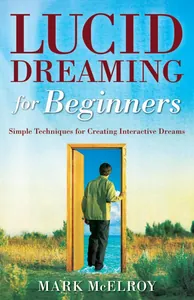
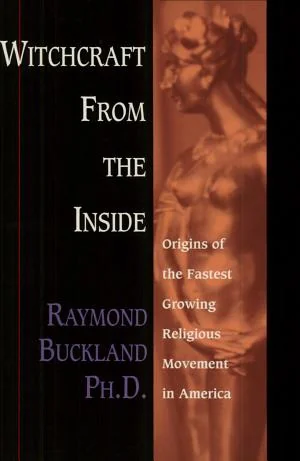
Witchcraft from the Inside
 74
74

Witchcraft from the Inside
Raymond Buckland's "Witchcraft from the Inside" tackles the pervasive misinterpretations surrounding the Craft with a direct, unvarnished approach. Buckland, a seasoned practitioner and scholar, effectively strips away the sensationalist layers that have historically obscured Wicca. His strength lies in presenting the religion with clarity and respect, particularly in his discussion of its evolution from persecuted practices to a recognized spiritual path. A notable passage details the shift in perception following the 1950s, when figures like Gerald Gardner began to openly share their traditions. However, the book occasionally leans towards a narrative that might feel slightly dated to contemporary readers immersed in the more diverse landscape of modern Paganism. While it provides an excellent historical and foundational overview, some might seek more nuanced explorations of the varied expressions of Witchcraft today. Despite this, the work remains a vital resource for understanding the roots of modern Wicca. It serves as an authoritative introduction, offering a necessary corrective to centuries of misunderstanding.
📝 Description
74
Raymond Buckland's 1995 book demystifies contemporary Witchcraft, presenting it as practiced by adherents.
Published in 1995, "Witchcraft from the Inside" by Raymond Buckland aims to clarify modern Witchcraft, often called Wicca. Buckland, a significant figure in modern Paganism, uses his experience to show the religion as lived by its followers, moving past sensationalized accounts. The book details its origins, beliefs, and rituals. It seeks to correct misunderstandings and historical persecutions associated with the term "Witchcraft."
The work is for anyone curious about authentic modern Witchcraft, especially those wanting to understand its practices beyond common stereotypes. It suits readers interested in comparative religion, alternative spirituality, and esoteric traditions. Those who have encountered misinformation will find a clear, historically informed explanation. It is also for newcomers to the subject or those seeking to deepen their knowledge with a dependable source.
This book belongs to the modern Pagan and Wiccan revival, distinguishing contemporary practice from historical folklore and accusations. Buckland addresses the historical misrepresentations of Witchcraft, particularly during periods of intense persecution like the European witch trials. He contrasts these with the actual tenets and traditions of Wicca, reframing it as a legitimate spiritual path. The work situates these practices within a broader narrative of modern esoteric and religious movements seeking to reclaim and redefine ancient or misunderstood spiritual traditions.
💡 Why Read This Book?
• Understand the historical trajectory of modern Witchcraft, including the impact of figures like Gerald Gardner and the societal shifts following the 1950s, which Buckland meticulously outlines. • Gain clarity on the core tenets and practices of Wicca, moving beyond sensationalized folklore to appreciate its spiritual dimensions and internal logic. • Discover the reasons behind the historical persecution of individuals accused of witchcraft, providing context for the misunderstandings that persist today.
⭐ Reader Reviews
Honest opinions from readers who have explored this book.
❓ Frequently Asked Questions
What is the primary difference between historical perceptions of witchcraft and modern Wicca according to Raymond Buckland?
Buckland emphasizes that "Witchcraft from the Inside" distinguishes between the centuries of persecution and fear surrounding accusations of witchcraft and the reality of modern Wicca as a legitimate spiritual path focused on nature and personal growth.
When was 'Witchcraft from the Inside' first published and why is this significant?
The book was first published in 1995. This timing is significant as it emerged during a period of growing interest in alternative religions and Paganism, offering a much-needed insider perspective when public understanding was still limited.
Who is Raymond Buckland and what is his authority on the subject of Witchcraft?
Raymond Buckland was a highly respected author and High Priest in Wicca. His extensive involvement and scholarship in the Craft since the mid-20th century lend significant authority to his explanations of its history and practice.
Does the book 'Witchcraft from the Inside' cover rituals or spells?
Yes, the book discusses the nature of rituals and beliefs within modern Witchcraft. It aims to explain these practices in an accessible way, demystifying them from the sensationalism often associated with them.
How does Buckland address the evolution of Witchcraft into a growing religion?
Buckland traces the evolution of Witchcraft, particularly Wicca, from its historical roots and periods of persecution to its emergence as one of the fastest-growing religions, explaining the factors contributing to its modern acceptance and growth.
What is the book's stance on the persecution of individuals accused of witchcraft?
The book acknowledges the severe persecution, torture, and death faced by millions accused of witchcraft over the past 500 years, framing this historical context as a crucial element in understanding the subsequent development and perception of the Craft.
🔮 Key Themes & Symbolism
Explaining Wicca
This theme centers on Buckland's effort to peel back the layers of misinformation and fear that have historically surrounded Witchcraft. He contrasts the sensationalized images of secret spells and dark rituals, often fueled by centuries of persecution, with the actual spiritual and ethical framework of modern Wicca. The book aims to present the Craft as a nature-based religion with established traditions and practices, accessible to those seeking an authentic understanding rather than succumbing to sensationalized folklore or historical inaccuracies.
Historical Evolution and Persecution
A significant aspect of the book involves tracing the historical lineage and societal perception of Witchcraft. Buckland addresses the severe persecution, including torture and death, faced by millions over the last 500 years due to accusations of practicing Witchcraft. He contextualizes how this historical period shaped negative perceptions, differentiating it sharply from the contemporary practice of Wicca, which he presents as a distinct spiritual path that has evolved significantly, particularly from the mid-20th century onwards.
Insider Perspective on Practice
Buckland provides an 'inside' view of contemporary Witchcraft, drawing from his own extensive experience as a High Priest and author. This perspective focuses on how the religion is actually lived and practiced by its adherents, rather than how it is perceived from the outside. The book details elements of belief, ritual, and community structure, offering readers a glimpse into the authentic spiritual life of Wiccans and aiming to foster greater comprehension and acceptance.
Witchcraft as a Modern Religion
The work explores the development of Witchcraft, particularly Wicca, into one of today's fastest-growing religions. Buckland examines the factors contributing to this growth, presenting Wicca not merely as a historical phenomenon or a collection of folklore, but as a dynamic and evolving spiritual tradition with a coherent belief system and organized practices. It highlights the shift from clandestine practices to open adherence and scholarly interest.
💬 Memorable Quotes
Direct passages from the work, attributed to the author.
“The word Witchcraft has been misunderstood for centuries.”
— This opening statement expresses the book's core mission: to correct widespread misconceptions. It sets the stage for Buckland's detailed examination of how historical fear and folklore have distorted the reality of contemporary Wicca.
“In the past 500 years, millions of people have faced persecution, torture, and even death after being accused of practicing Witchcraft.”
— This highlights the brutal historical reality faced by individuals labeled as witches. It serves as a stark contrast to the modern, nature-focused practices Buckland aims to explain, underscoring the importance of distinguishing historical witch hunts from contemporary Wiccan traditions.
“So what exactly is Witchcraft (also called Wica or Wicca), and how did it evolve into one of today's fastest-growing religions?”
— This rhetorical question frames the central inquiry of the book. Buckland promises to provide clear answers, tracing the historical development and defining the essence of modern Witchcraft as a contemporary spiritual movement.
“Witchcraft From the Inside presents the history of Witchcraft-from its...”
— This unfinished phrase from the original blurb suggests a comprehensive historical scope. The book intends to cover the subject's origins and evolution, offering an authoritative account grounded in factual exploration rather than speculation.
💡 Key Ideas
Editorial paraphrase of the work's core concepts — not direct quotes.
For many people the word "Witch" still conjures up images of secret spells and diabolical midnight rituals.
This quote directly addresses the persistent stereotypes that Buckland seeks to dismantle. He aims to replace these sensationalized images with a grounded understanding of Wicca's spiritual principles and community practices.
🌙 Esoteric Significance
Tradition
Buckland's work fits within the lineage of modern Paganism, specifically the Wiccan tradition he helped to popularize. While drawing on elements that echo older folk magic and nature reverence, Wicca as presented here is largely a product of 20th-century revivalism, heavily influenced by figures like Gerald Gardner. It departs from more rigidly structured esoteric systems like Hermeticism or Kabbalah by emphasizing immanence, the divine within nature, and a dyadic deity concept (God and Goddess), rather than solely transcendent or abstract principles.
Symbolism
Key symbols often explored in Wiccan literature, and implicitly addressed by Buckland's foundational approach, include the pentacle (representing the elements and spirit) and the Horned God (symbolizing nature, fertility, and the wild masculine). The Goddess, often depicted in her triple aspect (Maiden, Mother, Crone), represents the cycles of life, death, and rebirth, and the feminine divine. These symbols are central to Wiccan cosmology and ritual, signifying the interconnectedness of all things and the sacredness of the natural world.
Modern Relevance
Buckland's "Witchcraft from the Inside" remains a foundational text for many exploring Wicca and modern Paganism today. Its clear explanations continue to inform beginners and serve as a reference point for understanding the historical context of the Craft's resurgence. Contemporary practitioners and scholars in Pagan studies frequently cite Buckland's work when discussing the development and core tenets of Wicca, particularly concerning its establishment as a distinct religious path in the latter half of the 20th century.
👥 Who Should Read This Book
• Aspiring Wiccans and Pagans seeking a clear, historically informed introduction to the Craft, moving beyond sensationalized stereotypes. • Students of comparative religion or mythology interested in understanding the evolution and practice of modern spiritual movements. • Individuals curious about the societal impact of historical witch accusations and how contemporary Witchcraft reclaims its identity.
📜 Historical Context
Published in 1995, "Witchcraft from the Inside" emerged during a period of burgeoning interest in Neo-Paganism and alternative spiritualities. The late 20th century saw a growing academic and public curiosity about traditions previously relegated to folklore and superstition. Buckland’s work arrived as a counterpoint to sensationalized media portrayals and the lingering effects of historical witch hunts that had demonized the Craft for centuries. While figures like Gerald Gardner had begun to revive and publicize Wicca in the mid-20th century, there was still a significant gap in accessible, authoritative texts explaining its nature. Buckland, already a known author in Pagan circles, aimed to fill this void. His book provided a structured, insider's view, distinguishing modern Wicca from the historical phenomena of witch trials and differentiating it from other esoteric or occult systems that were also gaining attention, such as ceremonial magic or Theosophy.
📔 Journal Prompts
Reflect on the historical persecution of witchcraft contrasted with the practices described by Buckland.
Analyze the evolution of the term 'Witchcraft' from its historical negative connotations to its modern religious meaning.
Consider the core beliefs and rituals of Wicca as presented in the book, identifying key differences from popular stereotypes.
Explore the significance of the "inside" perspective Buckland offers regarding contemporary Witchcraft practices.
How does the book's explanation of Wicca as a growing religion challenge preconceived notions?
🗂️ Glossary
Witchcraft
In the context of Buckland's work, refers to the contemporary religious and spiritual path known as Wicca, distinct from historical folk magic or malicious practices attributed during periods of persecution.
Wica/Wicca
Alternative spellings for the modern Pagan religion that emphasizes reverence for nature, the divine in both male and female forms (God and Goddess), and often involves ritualistic practice.
Esoteric
Relating to or accessible by only a small number of people with a specialized knowledge or interest; often pertaining to spiritual or mystical subjects outside mainstream understanding.
Persecution
Hostility and ill-treatment, especially because of race or political or religious beliefs. In this context, it refers to the historical suppression and punishment of individuals accused of practicing witchcraft.
Diabolical
Belonging or so evil as to be the work of the devil. Buckland uses this term to describe the misconceptions often associated with witchcraft, contrasting it with the actual practices of Wicca.
Rituals
Established or traditional procedures, often with symbolic meaning, used in religious or other contexts. In Wicca, rituals frequently honor nature cycles and deities.
Modern Paganism
A broad category of contemporary religious movements that draw on pre-Christian, indigenous, or folk traditions of Europe, often characterized by polytheism, nature reverence, and ritual practice.
This book appears in 1 collection
🔮 Readers Also Liked
Browse all →








From the “Wicca” Collection
View all →




More Free Occult Philosophy Books
View all →