Wicca
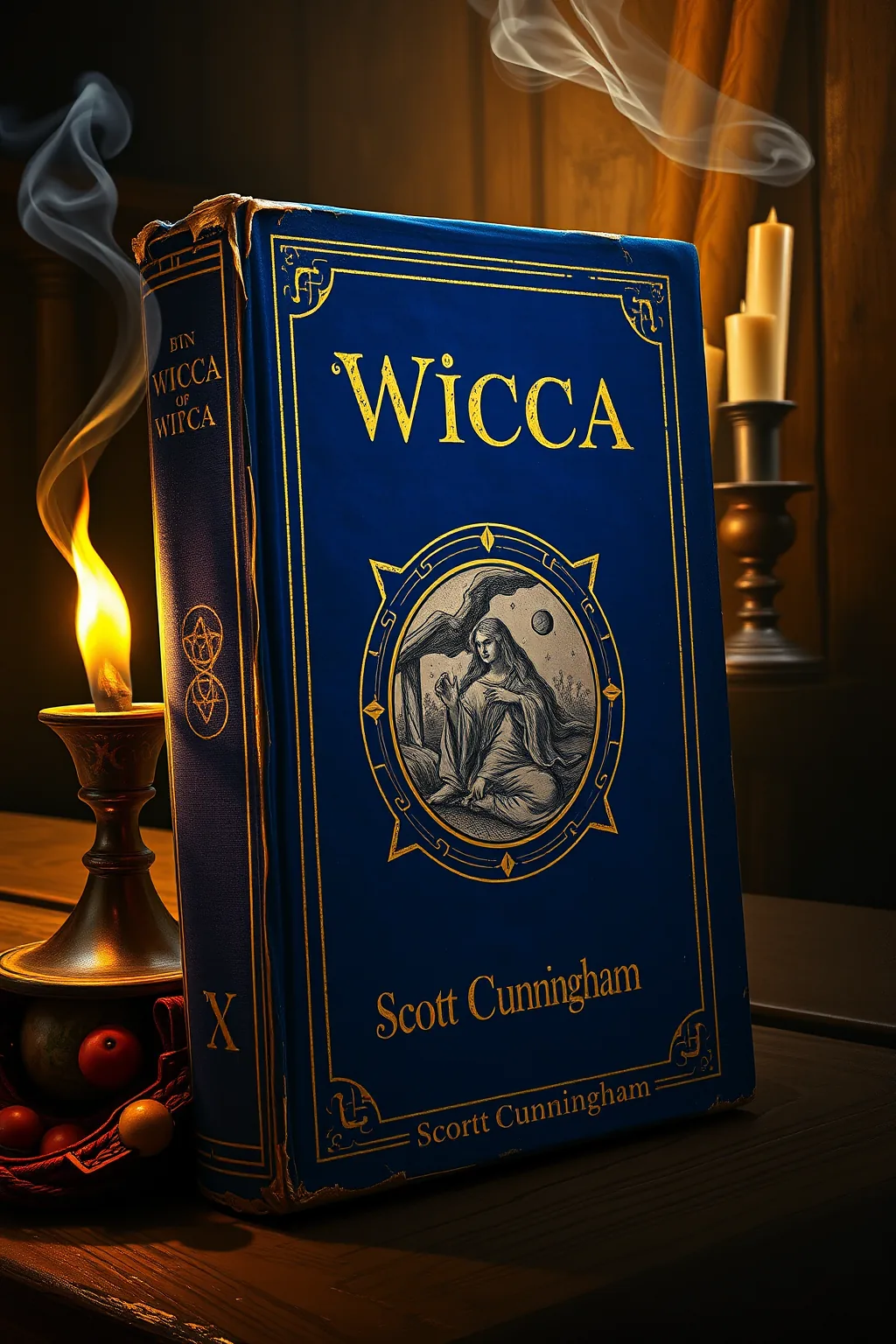
 84
84

Wicca
Scott Cunningham’s "Wicca" offers a remarkably accessible entry point into a spiritual practice often shrouded in misunderstanding. Its strength lies in its gentle, earth-focused approach, which eschews the more complex ceremonial structures found in earlier Wiccan traditions. The book’s emphasis on personal connection to nature and the divine feels genuinely empowering. However, for those already steeped in the history of witchcraft or seeking deeper theoretical underpinnings, its simplicity might feel limiting. The section on "The Craft in the Home" provides practical, grounded advice that avoids sensationalism, making ritual feel achievable. Ultimately, Cunningham's work is a valuable primer for the sincere seeker.
📝 Description
84
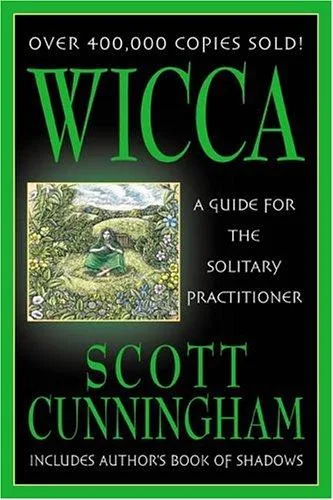
Scott Cunningham's "Wicca" was published in 1988 to explain the Craft to a modern audience.
Scott Cunningham's "Wicca," first published in 1988, presents the spiritual path not as an ancient mystery but as an accessible practice for modern life. The book focuses on core tenets and personal connection to nature and the divine, avoiding rigid dogma.
It is suitable for individuals curious about Wicca, especially those looking for a gentle, earth-centered spirituality. The book is also useful for readers unfamiliar with occult terms or those who found other esoteric traditions daunting. It will interest readers of comparative religion and Pagan studies.
Cunningham explains fundamental Wiccan concepts like the Wheel of the Year, the God and Goddess, the Wiccan Rede, and spellcraft. He emphasizes intention, visualization, and the use of natural elements as tools for personal growth and connection.
Published in 1988, "Wicca" appeared during a period of increasing interest in Pagan and Wiccan traditions. Following earlier figures who helped establish modern Wicca, Cunningham's work offered a more personal interpretation. It contributed to a broader public understanding of Wicca amid growing interest in alternative spiritualities outside mainstream religions.
💡 Why Read This Book?
• Learn the foundational principles of Wicca as presented by a key figure in its modern popularization, understanding the significance of the Wheel of the Year and the God and Goddess. • Gain practical insights into earth-centered spirituality and ritual craft, focusing on accessible techniques for connecting with natural cycles and personal energy. • Explore Wiccan ethics through the lens of the Wiccan Rede, understanding its emphasis on personal responsibility and harmlessness in practice.
⭐ Reader Reviews
Honest opinions from readers who have explored this book.
❓ Frequently Asked Questions
When was Scott Cunningham's "Wicca" first published?
Scott Cunningham's influential book "Wicca" was first published in 1988, marking a significant moment in the popularization of Wiccan practices.
What is the core philosophy presented in Cunningham's "Wicca"?
The core philosophy centers on earth-centered spirituality, personal connection to nature and the divine, and accessible ritual practices, emphasizing harmlessness and personal growth.
Is Scott Cunningham's "Wicca" suitable for complete beginners?
Yes, the book is widely considered an excellent starting point for beginners due to its clear language, non-dogmatic tone, and focus on fundamental concepts and practices.
Does "Wicca" by Scott Cunningham discuss the history of witchcraft?
While it touches upon the lineage of modern Wicca, the book primarily focuses on presenting contemporary Wiccan practice and philosophy rather than an exhaustive historical account.
What are some key practices introduced in the book "Wicca"?
Key practices include celebrating the Wheel of the Year, working with the energies of the God and Goddess, and performing simple rituals using intention and natural elements.
What is the Wiccan Rede mentioned in Scott Cunningham's "Wicca"?
The Wiccan Rede is a central ethical guideline presented in the book, often summarized as 'An it harm none, do what ye will,' emphasizing responsible action and personal freedom.
🔮 Key Themes & Symbolism
The Wheel of the Year
Cunningham presents the Wheel of the Year as a central organizing principle for Wiccan practice. This cycle of eight festivals (Sabbats) marks the changing seasons and significant points in the agricultural and solar year. It encourages practitioners to align their spiritual focus with natural rhythms, fostering a deeper connection to the earth and its inherent magic. The book details the general themes and energies associated with each Sabbat, from Yule's rebirth to Samhain's reflection.
The God and Goddess
Central to Cunningham's depiction of Wicca is the concept of a divine duality, often represented as the God and Goddess. This pairing is not about rigid gender roles but symbolizes complementary forces found throughout nature—creation and destruction, light and darkness, activity and rest. The work explores how honoring these archetypes can provide balance and wholeness in one's spiritual life, inviting a personal relationship with these immanent divine powers.
Nature-Based Spirituality
A defining characteristic of Cunningham's approach is its profound emphasis on nature. Wicca is presented as a path intrinsically linked to the earth, its elements, and its cycles. The book advocates for drawing power and wisdom directly from the natural world, using elements like sun, moon, water, and earth in ritual. This perspective encourages a reverence for all living things and a recognition of the sacred within the mundane.
Accessible Ritual and Magic
Cunningham clarifies ritual and magic, presenting them as accessible tools for personal growth and spiritual expression. He focuses on intention, visualization, and creating sacred space rather than complex ceremonial procedures. The book offers guidance on performing simple spells, blessings, and meditations, making the practice of Wicca feel achievable for the everyday individual seeking to enhance their life and connection to the divine.
💬 Memorable Quotes
Direct passages from the work, attributed to the author.
“The Craft is a religion of life, not of death.”
— This statement directly counters common misconceptions associating witchcraft with negativity or morbidity. Cunningham emphasizes that Wicca is fundamentally about celebrating life, nature, and personal well-being.
“The God and Goddess are within you.”
— This highlights the immanent nature of the divine in Wicca, as presented by Cunningham. It suggests that the divine principles are not external but reside within each individual, accessible through inner connection.
“The Wiccan Rede is the only creed.”
— This emphasizes the ethical core of Wicca as presented in the book. The Wiccan Rede, with its principle of 'An it harm none,' serves as the primary guide for action, prioritizing personal freedom within a framework of responsibility.
“The seasons are the heartbeat of the Craft.”
— This metaphor underscores the deep connection between Wiccan practice and the natural cycles. Cunningham frames the Wheel of the Year as essential for spiritual attunement and understanding life's rhythms.
“Magic is the art of drawing power from nature.”
— This definition simplifies the concept of magic, grounding it firmly in the natural world. Cunningham presents magic as an accessible skill rooted in observing and interacting with natural energies.
🌙 Esoteric Significance
Tradition
Cunningham's work fits within the broad lineage of modern Western Esotericism, specifically the Wiccan tradition that emerged in the 20th century. While drawing from earlier witchcraft revivalists like Gerald Gardner, his approach is often categorized as "Eclectic Wicca" or "New Age Wicca" due to its emphasis on personal interpretation, simplified rituals, and psychological integration rather than strict adherence to a specific coven lineage or highly structured magical system.
Symbolism
The pentacle is a key symbol, representing the five elements (Earth, Air, Fire, Water, Spirit) and often used as a protective amulet or symbol of faith. The Horned God and the Triple Goddess are archetypal symbols representing masculine and feminine divine energies, fertility, and the cycles of nature. The Wheel of the Year itself functions symbolically, mapping the sacred progression of seasons and life stages.
Modern Relevance
Cunningham's "Wicca" remains highly relevant today for practitioners seeking a gentle introduction to earth-centered spirituality. Its accessible style influences many contemporary online Pagan communities and beginner-focused witchcraft courses. Thinkers and practitioners exploring modern animism, nature-based spirituality, and simplified ritual forms often reference Cunningham's foundational ideas.
👥 Who Should Read This Book
• Aspiring practitioners of earth-centered spirituality seeking a gentle, non-dogmatic introduction to Wicca. • Individuals interested in comparative religion or exploring alternative spiritual paths outside Abrahamic traditions. • Those looking for practical ways to connect with nature's cycles and integrate simple, personal rituals into daily life.
📜 Historical Context
Published in 1988, Scott Cunningham's "Wicca" arrived during a significant period for the popularization of Pagan and Wiccan paths in the Western world. Following the foundational work of figures like Gerald Gardner and Doreen Valiente in the mid-20th century, Cunningham offered a distinct, more accessible interpretation. His approach moved away from some of the more intricate ceremonial aspects, focusing instead on personal experience and nature-based spirituality. This resonated widely as interest in alternative religions surged, contrasting with the more dogmatic structures of traditional faiths. While contemporary authors like Margot Adler were also exploring and documenting Paganism, Cunningham's work specifically focused on providing a practical guide to Wiccan practice itself, making it a widely adopted text for newcomers.
📔 Journal Prompts
Reflect on your personal connection to the current season, noting specific observations from nature.
Consider the archetypes of the God and Goddess in relation to your own life experiences.
How might the principle of 'An it harm none' guide a recent decision or interaction?
Visualize a simple ritual for personal grounding, incorporating natural elements.
Explore your feelings about the Wheel of the Year and its potential significance for you.
🗂️ Glossary
Wiccan Rede
The ethical code central to Wicca, famously summarized as 'An it harm none, do what ye will.' It emphasizes personal freedom balanced with responsibility for one's actions.
Wheel of the Year
The cycle of eight seasonal festivals (Sabbats) celebrated in Wicca, marking significant points in the solar and agricultural year, such as Yule, Imbolc, Beltane, and Samhain.
Sabbat
One of the eight major festivals of the Wheel of the Year, celebrating the changing seasons and natural cycles. Examples include the solstices, equinoxes, and cross-quarter days.
God and Goddess
The primary divine archetypes in many Wiccan traditions, representing complementary masculine and feminine creative forces, often associated with nature's cycles of life, death, and rebirth.
Pentacle
A five-pointed star, typically enclosed within a circle. It is a significant symbol in Wicca, often representing the five elements (Earth, Air, Fire, Water, Spirit) and protection.
Ritual
A formalized sequence of actions, words, and gestures performed to achieve a specific spiritual or magical purpose, often involving the creation of sacred space and invocation of energies.
Spellcraft
The practice of directing personal energy and intention, often with the aid of tools and natural elements, to influence events or manifest desired outcomes.
🔮 Readers Also Liked
Browse all →






More by Scott Cunningham
All books →


More Free Magic & Ritual Books
View all →