What You Can See from Here
 73
73

What You Can See from Here
The peculiar omen of an okapi dream sets Mariana Leky's "What You Can See from Here" in motion, a novel that manages a delicate balance. Its strength lies in the author's ability to imbue everyday village life with an almost palpable sense of quiet anticipation, turning small gestures and unspoken tensions into compelling narrative threads. The depiction of Luise observing her community's peculiar reactions to Selma's dream is particularly well-handled, capturing a youthful perspective amidst adult anxieties. However, the narrative's gentle pace, while effective in building atmosphere, occasionally verges on languid, particularly in the middle sections. A passage where the villagers discuss the okapi, oscillating between dismissal and unease, perfectly encapsulates this: the power of the unknown subtly eroding their composure. The book offers a tonic, not a cure, for troubled times, finding solace in shared human foibles.
📝 Description
73
Mariana Leky's 2021 novel begins with a dream of an okapi signaling death in a German village.
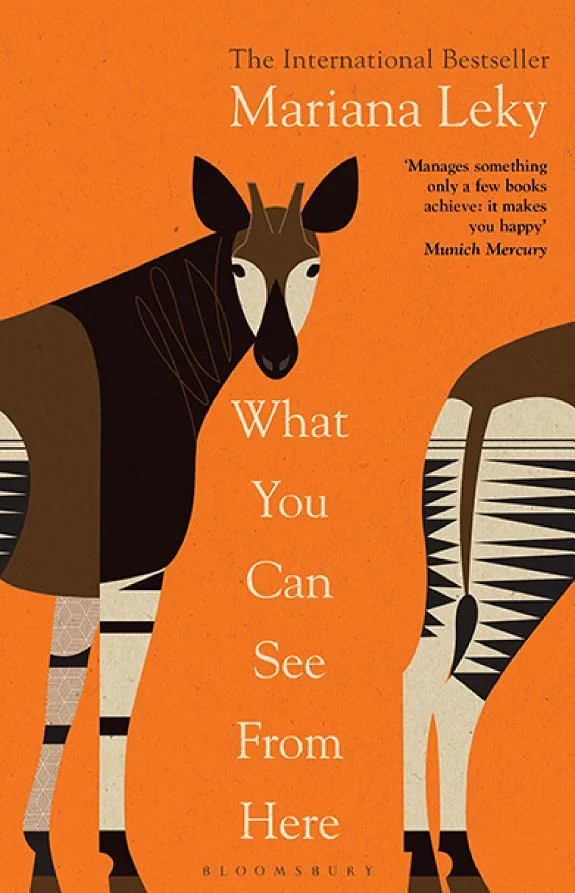
In Mariana Leky's "What You Can See from Here," a German village is unsettled when Selma dreams of an okapi, an omen of impending death. This strange event prompts the villagers to examine their superstitions and the hidden histories that connect them. The story centers on Luise, Selma's granddaughter, who watches as the community grapples with the foreboding and the subtle changes it brings.
Leky's novel is for readers who enjoy stories with a quiet uncanny element and a focus on human connections. It explores how ordinary communities confront portents and the past that shapes their present. The narrative balances gentle humor with an undercurrent of melancholy, offering a rich experience for those who appreciate nuanced character studies and the impact of shared anxieties.
Leky's novel echoes earlier literary traditions that explored the supernatural and its influence on individual lives. Its focus on folklore and the impact of omens connects to 19th-century German Romanticism and older folk tales where the unseen world directly shaped human events. The book examines how shared anxieties and inherited memories can ripple through a collective consciousness, demonstrating a modern engagement with themes of fate and the uncanny.
💡 Why Read This Book?
• Gain insight into how shared anxieties manifest in close-knit communities, as seen through the villagers' reactions to Selma's okapi dream, offering a unique lens on collective psychology. • Experience a narrative that explores the subtle power of omens and folklore in contemporary life, similar to how 19th-century tales used such elements to reflect societal undercurrents. • Discover how unspoken secrets and inherited memories can surface, impacting present relationships, a theme central to Luise's observations of her family and neighbors.
⭐ Reader Reviews
Honest opinions from readers who have explored this book.
❓ Frequently Asked Questions
What is the significance of the okapi in "What You Can See from Here"?
The okapi in Selma's dream serves as an omen of death within the village. It's a symbol that triggers a collective unease and prompts the residents to examine their superstitions and hidden histories, acting as a catalyst for revealing buried secrets.
What kind of atmosphere does Mariana Leky create in the book?
Leky crafts an atmosphere of quiet anticipation and gentle melancholy. The village setting feels both idyllic and charged with unspoken tensions, where ordinary events are imbued with a sense of underlying significance, especially after the okapi omen.
Who is Luise and what is her role in the story?
Luise is Selma's granddaughter. She acts as an observer, watching the villagers' strange behavior and the surfacing of long-held secrets after the okapi dream. Her perspective provides a grounded, yet insightful, view of the unfolding events.
What are the main themes explored in the novel?
The novel explores themes of community, superstition versus rationality, the weight of secrets, inherited memory, and the subtle ways the past shapes the present. The okapi dream acts as a central motif that brings these themes to the forefront.
Is "What You Can See from Here" a mystery novel?
While it begins with an omen of death and prompts characters to reveal secrets, it is not a traditional mystery. The focus is more on character dynamics, atmosphere, and the psychological impact of anticipation and revelation within the community.
When was "What You Can See from Here" originally published?
The novel "What You Can See from Here" by Mariana Leky was originally published in 2021. This places it within contemporary literature, reflecting modern sensibilities while drawing on timeless human concerns.
🔮 Key Themes & Symbolism
The Okapi as Omen
The okapi dream is the central symbolic event, functioning as a powerful omen of death. Its appearance disrupts the village's equilibrium, forcing residents to confront their latent superstitions and anxieties. This motif draws upon the long tradition of dream interpretation and premonition found in various cultural mythologies, highlighting how a singular, unusual symbol can catalyze collective introspection and reveal underlying societal fears and hidden narratives.
Community and Secrets
The novel intricately examines the dynamics of a small, interconnected community where personal histories and unspoken secrets create a complex web. The impending death, signaled by the okapi, acts as a pressure point, causing these buried truths to surface. This theme reflects how close-knit societies, despite outward appearances of unity, often harbor deep-seated individual narratives that influence communal behavior and relationships.
Rationality vs. Superstition
A core tension in the narrative is the villagers' struggle between their stated rationality and their underlying superstitious beliefs. Despite protestations of not being superstitious, the okapi omen prompts peculiar behaviors and anxieties. This exploration mirrors historical debates and ongoing human tendencies to grapple with the unknown, seeking logical explanations while being swayed by intuition and folklore.
Inherited Memory
The novel subtly explores how past events and unresolved issues are passed down through generations, influencing present attitudes and relationships. Luise's perspective as an observer allows for a nuanced understanding of how inherited memories, often unspoken, shape the community's collective consciousness and individual actions, creating a layered sense of history within the narrative.
💬 Memorable Quotes
Direct passages from the work, attributed to the author.
“Selma has dreamed of an okapi. Someone is about to die.”
— This stark pronouncement immediately establishes the novel's premise. It links a specific, unusual dream symbol (the okapi) to a universal human fear (death), setting the stage for the community's reaction and the subsequent unfolding of secrets.
“The imminent threat brings long carried secrets to the surface.”
— This interpretation points to the narrative's core mechanism: how a perceived danger, initiated by an omen, acts as a catalyst for confronting buried truths and historical baggage within the community.
“A clear-eyed tonic in troubled times.”
— This assessment implies the book offers a refreshing and insightful perspective that can provide comfort or clarity during periods of difficulty, suggesting a tone of gentle wisdom and observation.
💡 Key Ideas
Editorial paraphrase of the work's core concepts — not direct quotes.
As the residents of the village begin acting strangely (despite protestations that they are not superstitious), Selma's granddaughter Luise looks on.
This passage highlights the central conflict between outward denial and inner unease. Luise's role as an observer underscores the narrative's focus on subtle psychological shifts and the ways communities process collective apprehension.
Manages something only a few books achieve: it makes you happy.
This quote suggests the novel possesses a unique ability to uplift and bring joy, likely through its characterizations, gentle humor, or satisfying resolution, rather than through overt didacticism or escapism.
🌙 Esoteric Significance
Tradition
While not overtly belonging to a specific esoteric lineage like Hermeticism or Gnosticism, the novel taps into a broader, cross-cultural tradition of divination and omen interpretation. It engages with the archetypal human response to perceived supernatural signs, particularly dreams, which have been central to spiritual practices and folk beliefs across numerous cultures for millennia. The work can be seen as a modern, secularized exploration of how communities process perceived messages from the unknown.
Symbolism
The primary symbol is the **okapi**, an unusual and rarely seen animal, which functions as a potent harbinger of death. Its exotic nature and dreamlike manifestation lend it an uncanny quality, amplifying its impact as an omen. Another motif is the **village itself**, representing a microcosm of society where collective anxieties, secrets, and inherited patterns play out, acting as a symbolic landscape for human psychological and relational dynamics.
Modern Relevance
In an era often characterized by digital saturation and a perceived disconnection from nature and traditional wisdom, the novel's focus on a tangible omen and community-based anxieties holds contemporary relevance. It speaks to a modern yearning for deeper meaning and connection, exploring how ancient modes of understanding (like dream interpretation) still resonate. Thinkers and practitioners interested in Jungian psychology, archetypal symbolism, and the resurgence of interest in folklore and local mythologies will find traces of their concerns here.
👥 Who Should Read This Book
• Readers interested in contemporary European fiction that subtly incorporates elements of the uncanny and folklore, seeking narratives that explore the psychological impact of omens and dreams. • Individuals drawn to character studies and stories about community dynamics, who appreciate nuanced portrayals of how secrets and unspoken histories affect relationships. • Those seeking a reflective reading experience that balances gentle humor with a melancholic undertone, offering insights into human nature without resorting to overt philosophical exposition.
📜 Historical Context
Published in 2021, "What You Can See from Here" by Mariana Leky arrives in a contemporary literary landscape often preoccupied with fragmented narratives and global anxieties. While the novel doesn't overtly engage with specific intellectual movements of the early 21st century, its focus on the psychological impact of a shared omen and the uncovering of hidden community histories echoes traditions that have long explored folklore and the uncanny. The book's reception, noted by the Munich Mercury and The Guardian, positions it within a current appreciation for character-driven stories that offer solace and keen observation. It stands apart from more experimental or overtly political narratives, opting instead for a grounded, almost pastoral, exploration of human connection and inherited burdens. Unlike the more starkly existentialist works that dominated mid-20th century European literature, Leky's approach is gentler, finding profundity in the mundane and the seemingly supernatural.
📔 Journal Prompts
Selma's okapi dream and its immediate aftermath.
Luise's observations of the villagers' peculiar behaviors.
The weight of long-carried secrets within the community.
The tension between rationality and superstition in everyday life.
How inherited memories shape present relationships.
🗂️ Glossary
Okapi
A rainforest dwelling mammal native to the northeast of the Democratic Republic of the Congo in Central Africa. Its appearance, resembling a cross between a giraffe and a zebra, makes it an unusual and striking symbol, particularly when appearing in a dream as an omen.
Omen
An event regarded as a portent of good or evil. In the context of the novel, the okapi dream serves as a specific omen signaling an imminent death within the village, prompting unusual behavior and introspection.
Luise
The granddaughter of Selma. She acts as a key observer within the narrative, watching the reactions of the villagers to the okapi omen and the subsequent surfacing of secrets.
Selma
An elder resident of the village whose dream of an okapi initiates the central plot. Her dream is interpreted as an omen of death, affecting the entire community.
Inherited Memory
The concept that past experiences, traumas, or unresolved issues can be passed down through generations, influencing the behavior and emotional range of descendants, even unconsciously.
Rationality vs. Superstition
The inherent human conflict between logical, evidence-based thinking and belief in supernatural or unexplainable phenomena, often seen when communities face ambiguous or unsettling events.
Community Dynamics
The complex interplay of relationships, social structures, shared beliefs, and hidden tensions within a group of people living in close proximity, as depicted in the novel's village setting.
This book appears in 1 collection
🔮 Readers Also Liked
Browse all →









From the “Precognition” Collection
View all →




More Free Occult Philosophy Books
View all →