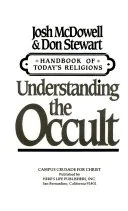
Understanding the Occult
 81
81

Understanding the Occult
McDowell and Stewart’s 1982 volume, *Understanding the Occult*, tackles a broad spectrum of esoteric claims with a decidedly critical stance. The book’s strength lies in its systematic deconstruction of concepts like astrology and spiritism, presenting their tenets clearly before dissecting them. For instance, its explanation of how astrological charts are constructed offers a factual basis for its subsequent critique, a useful element for those unfamiliar with the practice. However, the work's inherent bias, while transparent, limits its ability to engage with the subjective experiences of practitioners or explore the sociological roots of these beliefs with genuine curiosity. The authors' persistent framing of all occult phenomena through a singular theological lens, while consistent, can feel reductive. Ultimately, *Understanding the Occult* serves as a focused counter-argument rather than an exhaustive exploration.
📝 Description
81
Published in 1982, Understanding the Occult critically examines paranormal claims.
Josh McDowell and Don Stewart's 1982 book dissects claims found in occult literature. It analyzes the origins and impacts of phenomena like spiritism, astrology, and psychic abilities. The authors aim to identify the underlying tenets and alleged manifestations of these subjects, approaching them from a critical perspective. The book is for readers interested in a skeptical inquiry into the occult. It appeals to those who question supernatural claims and seek rational explanations or critiques. Individuals exploring comparative religion, paranormal investigations, or belief system histories may find its analytical approach useful.
The early 1980s saw significant public interest in the paranormal. Understanding the Occult emerged as a counterpoint, offering a critical lens on these gaining phenomena. Its publication coincided with debates about the classification and interpretation of occult practices. The book systematically addresses spiritualism, astrology, psychic abilities, and demonic influence. It defines these concepts as proponents understand them before critiquing them. The authors frame their analysis within a specific theological and philosophical worldview.
Emerging in the early 1980s, a period of heightened public fascination with the paranormal, Josh McDowell and Don Stewart's book offered a critical perspective. It engaged with popular occult interests by dissecting their claims rather than embracing them. This approach positioned the book as a skeptical counterpoint within a broader cultural conversation about the supernatural. It distinguished itself from purely descriptive or devotional works by seeking rational explanations and critiques of phenomena gaining traction.
💡 Why Read This Book?
• Gain a historical perspective on criticisms of occultism, specifically understanding the arguments presented in the 1982 publication against practices like spiritism and astrology. • Learn about the specific theological framework used by McDowell and Stewart to analyze supernatural claims, offering insight into a particular critical methodology. • Examine the book's structured approach to dissecting esoteric concepts, providing a model for critical analysis of belief systems, even if one disagrees with its conclusions.
⭐ Reader Reviews
Honest opinions from readers who have explored this book.
❓ Frequently Asked Questions
What specific occult practices are examined in Understanding the Occult?
The book examines a range of practices including spiritism, astrology, psychic phenomena, and witchcraft. It aims to define and then critique the core tenets and alleged manifestations associated with each.
When was Understanding the Occult first published and by whom?
Understanding the Occult was first published in 1982 by Josh McDowell and Don Stewart, reflecting the cultural interest in these topics during that period.
Does the book offer historical context for the occult beliefs it discusses?
While primarily critical, the work touches upon the historical development of certain beliefs to better critique them. It situates its analysis within the context of early 1980s paranormal interest.
What is the primary perspective or worldview from which the book is written?
The book adopts a critical, often skeptical perspective, frequently framing its analysis through a specific theological viewpoint that views occult practices as potentially harmful or deceptive.
Who would benefit most from reading this book?
Individuals interested in critical analyses of paranormal and occult claims, comparative religion scholars, and those seeking to understand common arguments against esoteric practices would find this book relevant.
Does the book provide definitions for the occult terms it uses?
Yes, the authors generally define the concepts and practices they discuss, such as spiritism or astrology, before proceeding with their critique, aiming for clarity on the subjects under examination.
🔮 Key Themes & Symbolism
Skeptical Analysis of Spiritism
The work scrutinizes the phenomenon of spiritism, questioning the authenticity of communication with the deceased. It examines claims of séances and mediumship, often attributing reported experiences to psychological factors or deception rather than genuine supernatural contact. The authors detail common practices within spiritism to highlight perceived inconsistencies and potential dangers, framing it as a departure from established religious doctrines.
Critique of Astrological Principles
Understanding the Occult dissects the foundations of astrology, challenging its predictive power and scientific validity. It outlines how astrological charts are typically constructed and interpreted, then proceeds to critique the astrological assertion that celestial bodies influence human personality and destiny. The analysis questions the logical coherence and empirical support for such claims, positioning it as a system lacking verifiable evidence.
Examination of Psychic Phenomena
The book addresses claims of extrasensory perception (ESP), telekinesis, and other psychic abilities. It explores the common arguments and purported evidence presented by proponents of psychic powers, offering alternative explanations rooted in psychological suggestion, coincidence, or fraud. The authors aim to explain these phenomena by presenting them within a framework that prioritizes rational investigation over unverified assertions.
Theological Counterpoint
A central theme is the presentation of a specific theological worldview that serves as a basis for critiquing occult practices. The authors consistently interpret esoteric phenomena through this lens, often highlighting perceived conflicts with religious teachings. This perspective shapes their analysis, leading to conclusions that frame occult involvement as problematic or spiritually detrimental.
💬 Memorable Quotes
Direct passages from the work, attributed to the author.
“The work analyzes how astrological charts are typically constructed.”
— This represents the book's method of grounding its critique in the actual mechanics of the practice it examines. By explaining the process, the authors aim to create a foundation for their subsequent arguments against astrology's validity.
“The book questions the influence of celestial bodies on human destiny.”
— This points to the core critique of astrology presented in the text, focusing on the rejection of determinism based on astronomical positions and emphasizing a different understanding of fate and free will.
“Proponents of psychic powers are often met with alternative explanations.”
— This interpretation reflects the book's strategy of addressing claims of ESP and other psychic abilities by offering skeptical viewpoints and suggesting mundane causes for seemingly extraordinary events.
“Occult involvement is framed within a specific theological perspective.”
— This captures the overarching interpretive lens used by the authors, indicating that their analysis of occultism is consistently filtered through a particular religious or spiritual doctrine.
💡 Key Ideas
Editorial paraphrase of the work's core concepts — not direct quotes.
Claims of communication with the deceased are often attributed to psychological factors.
This paraphrased concept highlights the book's tendency to offer naturalistic or psychological explanations for phenomena associated with spiritism, suggesting that the perceived supernatural is a result of human processes.
🌙 Esoteric Significance
Tradition
While not aligning with any specific esoteric lineage like Hermeticism or Gnosticism, *Understanding the Occult* functions as an external critique of many traditions that fall under the broad umbrella of 'occult.' It operates from a position outside these systems, seeking to deconstruct their claims rather than engage with them from within. Its significance lies in representing a particular historical wave of skeptical and apologetic literature that sought to counter the growing popularity of esoteric thought in the late 20th century.
Symbolism
The book itself does not deeply engage with esoteric symbolism as a primary focus. Instead, it analyzes the symbols and practices of traditions like astrology (e.g., zodiacal signs, planetary correspondences) and spiritism (e.g., séances, Ouija boards) primarily to critique their purported meanings and efficacy. The symbols are treated as elements of belief systems under examination, rather than as keys to hidden knowledge within an esoteric framework.
Modern Relevance
In contemporary discussions, *Understanding the Occult* remains relevant for its historical perspective on skepticism towards esoteric practices. Thinkers and groups interested in the history of apologetics or the sociology of belief systems might reference it. While contemporary esoteric practitioners may find its critiques dated or biased, the book provides a case study of the critical arguments prevalent in the 1980s that continue to inform certain debates about the occult today.
👥 Who Should Read This Book
• Individuals interested in historical critiques of paranormal claims, seeking to understand the arguments made against practices like spiritism and astrology in the early 1980s. • Students of comparative religion or sociology of belief, who wish to examine a specific theological and skeptical approach to occult phenomena. • Skeptics and critical thinkers exploring the historical range of debates surrounding the occult, looking for structured arguments against esoteric beliefs.
📜 Historical Context
Published in 1982, *Understanding the Occult* emerged during a period of heightened public fascination with paranormal and esoteric subjects in the Western world. The late 20th century saw a resurgence of interest in areas like astrology, spiritism, and New Age philosophies, often popularized through media and self-help movements. This cultural backdrop provided fertile ground for both proponents and critics of these phenomena. The book's approach, offering a systematic critique, stood in contrast to more devotional or purely descriptive texts that also proliferated. It engaged with a broader cultural conversation, reflecting anxieties and debates about the spiritual and philosophical implications of widespread engagement with occult ideas, particularly within certain religious communities that viewed these practices with alarm.
📔 Journal Prompts
The construction of astrological charts as presented in the book.
The psychological explanations offered for spiritism phenomena.
The core tenets of psychic phenomena critique.
The theological framework underpinning the book's analysis.
Comparison of 1982 occult critiques with contemporary views.
🗂️ Glossary
Spiritism
A belief system centered on communication with the spirits of the deceased, often through mediums or séances. The book examines its practices and purported outcomes critically.
Astrology
The study of the movements and relative positions of celestial bodies interpreted as having an influence on human affairs and the natural world. This work critiques its fundamental principles.
Psychic Phenomena
Abilities that supposedly transcend known physical laws, such as telepathy, clairvoyance, or precognition. The book analyzes claims related to these phenomena.
Mediumship
The practice by which a person, the medium, supposedly communicates with spirits. This is a key aspect of spiritism examined in the text.
Theological Framework
A system of religious beliefs and doctrines used to interpret phenomena. The book consistently applies a specific theological framework to its critique of the occult.
Skepticism
An attitude of doubt towards claims that are not supported by evidence. The book adopts a skeptical stance towards many occult beliefs.
Esotericism
Belief systems and practices concerned with hidden knowledge or spiritual truths, often distinct from exoteric or public teachings. The book analyzes various forms of esotericism.
This book appears in 1 collection
🔮 Readers Also Liked
Browse all →









From the “Lycanthropy” Collection
View all →




More Free Occult Philosophy Books
View all →