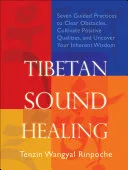
Tibetan Sound Healing
 75
75

Tibetan Sound Healing
Tenzin Wangyal Rinpoche's "Tibetan Sound Healing" offers a direct transmission of the Bön tradition's sonic practices, centering on the "Five Warrior Syllables." The strength of this work lies in its unadorned presentation of a potent, yet accessible, system for internal cultivation. Rinpoche's personal blessing, quoted in the original blurb, sets a tone of genuine generosity. One passage that particularly stands out is the explanation of how the syllable 'AH' can help release stagnant energy, a concept grounded in the physical sensation of exhalation. A potential limitation for some readers might be the lack of extensive comparative analysis with other sound healing systems, as the focus remains squarely on the Bön lineage. Nevertheless, the book provides a clear, actionable guide to a practice that is both ancient and remarkably relevant for modern stress.
📝 Description
75
Tenzin Wangyal Rinpoche introduces the Bön tradition's Five Warrior Syllables for inner strength and clarity.
Tibetan Sound Healing presents the Bön tradition's practice of the Five Warrior Syllables, a method for fostering inner strength, clarity, and wakefulness. Tenzin Wangyal Rinpoche details the practical application of these specific sounds, which serve as a pathway to personal transformation through sonic vibration. The book is intended for individuals seeking to cultivate mental and emotional resilience. It is particularly suited for those interested in Tibetan spiritual practices, sound healing, and methods for enhancing mindfulness and self-awareness. Practitioners of meditation, yoga, or energy work may find its principles applicable to their own disciplines.
The core of the practice revolves around the Five Warrior Syllables: A, AH, HUNG, RA, and SHANG, along with their associated sounds and energies. These syllables are presented as potent sonic tools designed to purify negative emotions, strengthen the body's energetic system, and awaken inherent wisdom. The book explains how to integrate these sounds into daily life for sustained well-being.
The Bön tradition, originating in Tibet, is one of the world's oldest continuous spiritual lineages. Tenzin Wangyal Rinpoche, as a lineage holder, shares teachings that predate Buddhism's widespread introduction to Tibet. This book makes accessible a specific aspect of Bön: the Five Warrior Syllables. These have been preserved and transmitted through oral and written traditions for centuries, representing a unique sonic technology within this ancient spiritual path.
💡 Why Read This Book?
• Learn the precise pronunciation and application of the Five Warrior Syllables, as detailed in the book's core chapters, to cultivate inner strength and clarity. • Understand the Bön tradition's unique perspective on sound as a tool for purification and awakening, drawing from Tenzin Wangyal Rinpoche's direct lineage. • Discover how to integrate specific sonic practices, like the use of the 'AH' syllable for releasing stagnation, into your daily routine for tangible energetic shifts.
⭐ Reader Reviews
Honest opinions from readers who have explored this book.
❓ Frequently Asked Questions
What is the origin of the Five Warrior Syllables practice?
The practice originates from the Tibetan Bön tradition, one of the world's oldest spiritual lineages. Tenzin Wangyal Rinpoche is a lineage holder of this tradition, ensuring the authentic transmission of these teachings.
How do the Five Warrior Syllables differ from Buddhist mantras?
While both involve sacred sounds, the Five Warrior Syllables are specific to the Bön tradition and are presented as potent sonic tools for purifying the mind and body, aiming to awaken inherent wisdom rather than invoking external deities.
Can anyone practice Tibetan Sound Healing?
Yes, the book is designed for a wide audience interested in self-improvement and spiritual practice. It emphasizes simplicity and accessibility, inviting individuals to receive the practice with blessings for personal benefit.
What are the main benefits of practicing these syllables?
The practice aims to foster kindness, strength, clarity, and wakefulness. It helps in releasing stagnant energies, purifying negative emotions, and strengthening one's energetic system.
When was Tibetan Sound Healing first published?
The book "Tibetan Sound Healing" by Tenzin Wangyal Rinpoche was first published on February 1, 2011.
Does the book offer guidance on chanting the syllables?
Yes, the book provides detailed instructions on how to perform the practice of the Five Warrior Syllables, including guidance on their application for personal benefit.
🔮 Key Themes & Symbolism
The Five Warrior Syllables
The central theme revolves around the Five Warrior Syllables (A, AH, HUNG, RA, SHANG) derived from the Tibetan Bön tradition. These are presented as potent sonic tools, not mere sounds, but vibrational keys designed to unlock inner potential. Each syllable is associated with specific energetic qualities and intended effects, such as purification, strengthening, and awakening. The book details their practical application, guiding readers to utilize these ancient sounds for personal transformation and well-being.
Bön Tradition Lineage
This work is firmly rooted in the Bön tradition, recognized as one of Tibet's oldest spiritual lineages. Tenzin Wangyal Rinpoche's authority as a lineage holder lends authenticity to the teachings presented. The book emphasizes that this practice is a genuine transmission from this unbroken spiritual heritage, offering readers access to a profound and ancient system of wisdom preserved through centuries.
Sonic Purification and Awakening
A core concept is the use of sound for energetic cleansing and spiritual awakening. The syllables act as a form of sonic medicine, targeting and releasing stagnant energies and negative emotions that cloud the mind. By engaging with these sounds, practitioners are guided towards a state of greater clarity, wakefulness, and inherent wisdom, aligning with the Bön path's emphasis on self-discovery.
Cultivating Inner Qualities
The practice is presented as a direct means to cultivate essential inner qualities. The book explicitly mentions fostering kindness, strength, clarity, and wakefulness. This focus on tangible personal development through sound indicates the practical and accessible nature of the teachings, designed to support individuals in their daily lives and spiritual journeys.
💬 Memorable Quotes
Direct passages from the work, attributed to the author.
“This simple and elegant practice of the Five Warrior Syllables... will benefit many beings in the West.”
— This statement from the author highlights the accessibility and universal applicability of the Bön practice, aiming to bridge cultural divides and offer ancient wisdom to a modern, Western audience.
“One of the world's oldest unbroken spiritual traditions is the Bön Buddhist tradition of Tibet.”
— This factual statement underscores the deep historical roots and continuity of the Bön teachings, positioning the practice within a lineage of profound spiritual lineage.
“Please receive it with my blessing, and bring it into your life.”
— This conveys the author's personal endorsement and transmission of the practice, inviting the reader to engage with the teachings from a place of spiritual generosity and connection.
“This simple and elegant practice... based on the highest teachings of the Tibetan Bön Buddhist tradition.”
— This phrase emphasizes the sophisticated yet straightforward nature of the Five Warrior Syllables, connecting its efficacy to the profound depth of the Bön spiritual heritage.
💡 Key Ideas
Editorial paraphrase of the work's core concepts — not direct quotes.
Let it support you to become kind and strong and clear and awake.
This quote articulates the direct, practical outcomes of engaging with the sound healing techniques, emphasizing personal growth in fundamental character traits and states of consciousness.
🌙 Esoteric Significance
Tradition
This work is deeply rooted in the Bön tradition, a spiritual lineage that predates Buddhism's arrival in Tibet. As a lineage holder, Tenzin Wangyal Rinpoche presents the Five Warrior Syllables as a core practice within this ancient system. It aligns with Bön's emphasis on innate potential and direct experience, utilizing sound as a primary vehicle for purification and awakening, distinct from many Buddhist mantra traditions.
Symbolism
The Five Warrior Syllables (A, AH, HUNG, RA, SHANG) are central symbols. 'A' often represents primordial purity and the origin of sound, while 'HUNG' signifies accomplishment and the integration of wisdom and method. 'RA' can symbolize the energy of life force, and 'SHANG' might relate to presence or the five elements. Together, they form a sonic mandala intended to purify the energetic channels and awaken innate awareness.
Modern Relevance
In contemporary wellness and esoteric circles, "Tibetan Sound Healing" appeals to practices like mantra meditation, sound baths, and breathwork. Thinkers and practitioners in fields such as consciousness studies and somatic psychology may find the Bön approach to sound and energy particularly relevant for therapeutic applications and personal development.
👥 Who Should Read This Book
• Individuals interested in the unique spiritual heritage of the Bön tradition, seeking direct teachings from a recognized lineage holder. • Practitioners of meditation, yoga, or energy work looking to expand their toolkit with ancient sonic practices for purification and strength. • Those seeking accessible methods to cultivate inner calm, mental clarity, and emotional resilience in their daily lives.
📜 Historical Context
Published in 2011, Tenzin Wangyal Rinpoche's "Tibetan Sound Healing" emerged during a period of increased global interest in Eastern spiritual practices and mindfulness techniques. The Bön tradition, while historically intertwined with Tibetan Buddhism and sometimes considered its precursor, maintains distinct lineages and teachings. Contemporary authors like Sogyal Rinpoche were also bringing Tibetan spiritual traditions to Western audiences around this time, though Bön often remained less widely known than mainstream Tibetan Buddhism. The book’s focus on the Five Warrior Syllables offers a specific, practical application of Bön philosophy, distinct from broader tantric or philosophical texts, making it accessible to a lay audience seeking direct methods for well-being.
📔 Journal Prompts
The Five Warrior Syllables' potential for personal transformation.
How the concept of sonic purification relates to modern stress.
The role of kindness and strength in spiritual practice.
Integrating clarity and wakefulness into daily routines.
Reflecting on the Bön tradition's unique place in spiritual history.
🗂️ Glossary
Bön
The indigenous spiritual tradition of Tibet, predating Buddhism's arrival, with its own unique teachings, practices, and lineage holders.
Five Warrior Syllables
Specific sacred sounds (A, AH, HUNG, RA, SHANG) from the Bön tradition used for energetic purification, strengthening the mind, and awakening awareness.
Lineage holder
An individual recognized within a spiritual tradition as having received and being authorized to transmit authentic teachings and practices.
Sonic vibration
The energetic quality of sound, understood in esoteric traditions as having the power to influence physical, mental, and spiritual states.
Purification
In esoteric contexts, the process of clearing negative energies, obscurations, or habitual patterns to reveal one's innate clarity and wisdom.
Wakefulness
A state of alert, present consciousness, often associated with spiritual awakening and the clear perception of reality.
Tantric
Relating to esoteric traditions, often within Buddhism and Hinduism, that employ ritual, visualization, and mantra for spiritual transformation.