Rouault
 80
80

Rouault
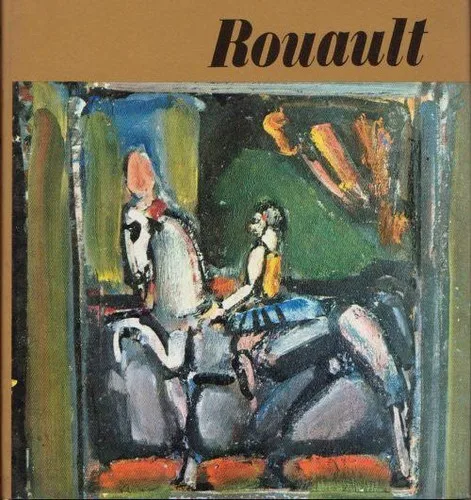
Georges Rouault's artistic output, as explored in this volume, offers a compelling case study in the fusion of spiritual conviction and visual intensity. The strength of this work lies in its detailed dissection of Rouault's technique, particularly his application of pigment and his bold use of color, which are central to conveying the emotional weight of his subjects. A particular highlight is the exploration of his religious paintings, where the distortion of form amplifies the spiritual drama. However, the book could benefit from a broader engagement with the socio-political climate of the 1930s, which Rouault's art so pointedly addressed; the analysis occasionally feels too narrowly focused on purely aesthetic or devotional interpretations. Nevertheless, the examination of the clown motif as a vehicle for existential angst and human vulnerability is particularly insightful. This compilation serves as a valuable scholarly resource for understanding a singular artistic vision.
📝 Description
80
First published in 1930, this volume examines Georges Rouault's unique visual language.
This book offers an examination of Georges Rouault's art, focusing on his spiritual themes and distinctive style. It discusses his use of color, form, and subject matter, highlighting how his Catholic faith influenced works depicting religious figures, the poor, and clowns. The text details Rouault's approach to impasto and expressive brushwork, which creates a tactile and emotional intensity in his paintings. Rouault, associated with Fauvism and Expressionism, created art that engaged with social commentary, offering a contrast to purely aesthetic or abstract movements of his time.
The volume includes contributions from Fabrice Hergott and Sarah Whitfield, expanding on the original 1930 publication. It is intended for art historians, critics, collectors, and students interested in early 20th-century European art, especially Fauvism and Expressionism. Readers seeking to understand the connection between artistic innovation and spiritual exploration, as well as those who appreciate detailed visual analysis, will find this work valuable. It provides context for Rouault's development as an artist within the avant-garde of his era.
Georges Rouault's work often engages with the spiritual, a theme that resonates within certain esoteric traditions. His focus on the human condition, particularly the suffering and redemption found in religious subjects and depictions of the marginalized, aligns with mystical interpretations of faith. While not strictly occult, his art reflects a deep inquiry into the soul and the divine, often expressed through intense color and distorted forms. This approach can be seen as a visual manifestation of a spiritual search, a common element in esoteric thought that seeks to understand ultimate realities through personal experience and symbolic representation.
💡 Why Read This Book?
• Gain insight into Georges Rouault's unique approach to religious iconography, understanding how his stylistic choices, like distorted figures and bold color, amplify spiritual themes as seen in his 1930s works. • Explore the symbolic significance of recurring motifs such as the clown and the judge, learning how Rouault used these figures to comment on human suffering and societal critique. • Appreciate the technical mastery of Rouault's impasto and expressive brushwork, recognizing how his application of paint contributes to the visceral emotional impact of his art.
⭐ Reader Reviews
Honest opinions from readers who have explored this book.
❓ Frequently Asked Questions
When was Georges Rouault's work first critically examined in this publication?
The initial publication of this work examining Georges Rouault's art dates back to 1930, providing an early critical perspective on his artistic development and thematic concerns.
What art movements are most associated with Georges Rouault's style discussed in the book?
Georges Rouault is primarily associated with Fauvism, around 1905, and later with Expressionism. This book explores how his style synthesized elements of both movements.
Does the book discuss Rouault's use of color?
Yes, a significant focus is placed on Rouault's distinctive and often vibrant use of color, and how it contributes to the emotional and spiritual impact of his paintings.
What is the significance of the clown motif in Rouault's art according to this book?
The book interprets Rouault's clown figures as potent symbols of human suffering, vulnerability, and resilience, reflecting his deep engagement with the human condition.
Who are the key contributors to this volume on Rouault?
This volume features contributions from Georges Rouault himself, alongside critical analysis by Fabrice Hergott and Sarah Whitfield, offering multifaceted perspectives on his work.
What subject matter does Rouault frequently explore in his art as detailed in this book?
Rouault frequently explores religious subjects, social commentary through figures like judges and the poor, and the existential themes embodied by his clown figures.
🔮 Key Themes & Symbolism
Spiritual Depth in Form
The work highlights how Georges Rouault translated his profound Catholic faith into visual form, moving beyond mere representation. His deliberate distortion of figures, particularly in his religious works and depictions of societal outcasts, serves not as a failure of draftsmanship but as a powerful tool to convey spiritual intensity and human pathos. The thick impasto and vibrant, often contrasting, color choices further amplify the emotional and sacred resonance, making the canvas a site of spiritual encounter rather than simple observation.
The Clown as Existential Mirror
A central theme explored is Rouault's consistent use of the clown figure. Far from being a mere jester, Rouault's clowns are presented as archetypes of human suffering, vulnerability, and stoic endurance. The book posits that these figures act as mirrors reflecting the artist's contemplation of the human condition, its absurdities, and its inherent dignity. Through their painted expressions and often somber palettes, the clowns become conduits for exploring themes of alienation, pain, and the search for meaning in a challenging world.
Social Critique Through Art
Beyond religious and existential concerns, Rouault's art, as examined in this volume, offers a searing critique of social injustices. His stark portrayals of judges, lawyers, and the impoverished underscore societal inequalities and moral failings. The book details how Rouault used his distinctive visual language, characterized by raw emotion and unflinching observation, to challenge viewers and provoke thought on the ethical responsibilities within society, particularly evident in works created during the tumultuous early 20th century.
Fauvist Color and Expressionist Emotion
This analysis situates Rouault within the broader artistic currents of his time, notably Fauvism and Expressionism. It details how he adopted and adapted the Fauvist approach to color, using it not just for decorative effect but to convey deep emotional states and spiritual fervor. His expressive brushwork and often jarring compositions align with Expressionist aims, prioritizing subjective experience and psychological impact over objective reality, creating a visual language that is both intensely personal and universally resonant.
💬 Memorable Quotes
Direct passages from the work, attributed to the author.
“The clown is the most human of all beings.”
— This statement captures Rouault's view of the clown not as a figure of mere entertainment, but as a profound symbol of humanity's shared experiences of pain, joy, and existential vulnerability.
“Color is the means by which I express myself.”
— This highlights Rouault's conscious use of color as his primary vehicle for emotional and spiritual communication, going beyond descriptive or decorative functions to convey inner states.
“Religious subjects are imbued with raw human feeling.”
— This concept reflects Rouault's approach to sacred themes, emphasizing that his depictions are not idealized but grounded in authentic human emotion and suffering, making the divine accessible.
“The thick application of paint gives my work a visceral texture.”
— This describes Rouault's distinctive impasto technique, underscoring how the physical presence of the paint itself contributes to the tactile and emotional intensity of his canvases.
💡 Key Ideas
Editorial paraphrase of the work's core concepts — not direct quotes.
My judges are often painted with dark, somber tones.
This paraphrase points to Rouault's critical portrayal of figures of authority, suggesting their representation in grim colors reflects his commentary on the often harsh or morally compromised nature of justice.
🌙 Esoteric Significance
Tradition
Rouault's work can be seen as a modern manifestation of Christian Gnosticism or a deeply personal, non-dogmatic form of Christian mysticism. While not adhering strictly to any single esoteric lineage, his art engages with themes of divine light obscured by material darkness, the suffering soul, and the search for spiritual truth within the mundane. It departs from formal Kabbalistic or Hermetic traditions by grounding its symbolism firmly within a Catholic framework, yet shares with them an emphasis on inner illumination and the profound meaning hidden within everyday forms.
Symbolism
Key symbols in Rouault's art include the clown, often representing the suffering Christ or the universal human condition caught between joy and sorrow. The figure of the judge or lawyer, frequently depicted with harsh, distorted features, symbolizes societal hypocrisy and flawed human justice. His vibrant, often juxtaposed colors, such as deep blues against fiery oranges, can be interpreted through an alchemical lens as representing the tension between spirit and matter, or the transformative process of spiritual awakening.
Modern Relevance
Contemporary artists and spiritual thinkers continue to draw inspiration from Rouault's ability to imbue figurative art with profound psychological and spiritual depth. His unflinching portrayal of human suffering and his critique of social injustice remain relevant for artists engaged with social activism and existential themes. Moreover, his unique use of color and texture influences painters seeking to express inner states, aligning with modern practices in art therapy and contemporary spiritual art that prioritizes emotional honesty and symbolic resonance.
👥 Who Should Read This Book
• Students of early 20th-century art movements like Fauvism and Expressionism will find detailed analysis of Rouault's stylistic innovations and contributions. • Individuals interested in the intersection of art and spirituality, particularly Christian mysticism, will benefit from understanding how Rouault translated faith into visual form. • Art historians and critics focused on social commentary in art will appreciate Rouault's unflinching depictions of societal inequalities and moral hypocrisy.
📜 Historical Context
The initial publication of this volume in 1930 placed Georges Rouault's work within a dynamic early 20th-century art scene. Rouault, associated with Henri Matisse and André Derain in the Fauvist movement around 1905, developed a unique style that also resonated with Expressionism. This era saw artists like Wassily Kandinsky exploring spirituality in art, and social commentary was a significant thread in avant-garde circles. Rouault's focus on the human condition, particularly the plight of the poor and the hypocrisy within the justice system, offered a stark counterpoint to purely formalist explorations. His deeply personal Catholic faith infused his work, distinguishing it from the more secular or abstract spiritual quests of some contemporaries. Reception of his work was generally strong, though his intense subject matter sometimes challenged conventional tastes.
📔 Journal Prompts
Georges Rouault's clown figures: Reflect on their role as symbols of human suffering and resilience.
The application of impasto: Consider how thick paint contributes to the emotional weight of his religious works.
Color juxtapositions: Analyze the spiritual or emotional impact of Rouault's bold color choices.
The judge motif: Explore Rouault's critique of societal structures through these figures.
Faith expressed visually: How does Rouault's Catholic belief manifest in his artistic choices?
🗂️ Glossary
Fauvism
An early 20th-century art movement characterized by strong, non-naturalistic colors and bold brushwork, exemplified by artists like Henri Matisse and André Derain around 1905.
Expressionism
A modernist movement, originating in Germany, that sought to express emotional experience rather than physical reality, often through distorted forms and vivid colors.
Impasto
A painting technique where paint is applied thickly, so that brushstrokes are visible and create a textured surface, adding a tactile dimension to the work.
Motif
A recurring element, such as a subject, theme, or image, that appears in a work of art, often carrying symbolic meaning.
Pathos
A quality that evokes sadness or pity; the evocation of emotion, particularly sorrow or sympathy, in the viewer.
Archetype
A very typical example of a certain person or thing; in art, a recurring symbolic image or character that represents universal human experiences.
Gnosticism
A complex set of religious ideas and systems, originating in the Hellenistic period, that emphasize spiritual knowledge (gnosis) for salvation, often involving a dualistic worldview.
🔮 Readers Also Liked
Browse all →









More by Georges Rouault, Fabrice Hergott, Sarah Whitfield
All books →
More Free Occult Philosophy Books
View all →