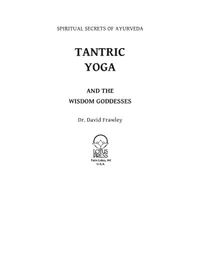
Three Books of Occult Philosophy (De Occulta Philosophia) (1651)
 81
81

Three Books of Occult Philosophy (De Occulta Philosophia) (1651)



Three Books of Occult Philosophy by Heinrich Cornelius Agrippa is a timeless classic that continues to captivate modern esoteric seekers. Agrippa's meticulous research and profound insights make this text a cornerstone of occult literature. The original 1651 English translation by John French preserves the authenticity and depth of Agrippa's original work, making it accessible to contemporary readers. For those interested in exploring the mysteries of magic, astrology, and theosophy, this book is an essential read. Agrippa's exploration of natural and celestial magic, along with his discussions on the spiritual dimensions of existence, offers a comprehensive guide to the occult. The text is not only informative but also thought-provoking, encouraging readers to delve deeper into the hidden realms of reality. The value of this text for modern esoteric seekers cannot be overstated. It serves as a foundational work that bridges ancient wisdom with contemporary understanding, making it a must-have for anyone serious about the study of the occult.
📝 Description
81
Heinrich Cornelius Agrippa's 'Three Books of Occult Philosophy' first appeared in English translation in 1651.
This work, originally written in the 16th century, presents a systematic approach to natural, celestial, and divine magic. Agrippa sought to reconcile Neoplatonic philosophy with Christian theology, using magic as a means to understand God's creation. He details correspondences between the human body (microcosm) and the universe (macrocosm), drawing upon Kabbalah, Hermeticism, and ancient philosophies. The text covers talismans, astrology, numerology, and the nature of spirits. Agrippa's aim was to reveal the hidden connections within the cosmos, guiding the reader toward a deeper comprehension of divine order. It was intended for those who sought a philosophical framework for occult studies.
Agrippa organizes his material across three distinct books. The first book discusses natural magic, focusing on the earthly elements and their properties. The second book addresses celestial magic, examining the influence of stars and planets, and the creation of magical images. The third book is dedicated to divine magic, exploring theology, angels, and the union of the soul with God. This comprehensive structure made the book a reference for subsequent generations interested in Western esotericism.
Agrippa's 'Three Books of Occult Philosophy' is a key text in the Western esoteric tradition, bridging medieval occultism with Renaissance Neoplatonism and Hermeticism. It synthesizes diverse philosophical and magical systems, including those derived from the Kabbalah, ancient Greek philosophy, and Arabic occult sciences. The work attempts to create a coherent worldview where magic is a natural philosophy, a tool for understanding and interacting with the divine order of the universe. It was highly influential on later magical practitioners and theorists, helping to shape the trajectory of occult thought from the 17th century onwards.
💡 Why Read This Book?
Reading Three Books of Occult Philosophy today offers a unique opportunity to connect with the rich heritage of esoteric knowledge. This book provides a deep understanding of magic, astrology, and theosophy, making it an invaluable resource for both scholars and practitioners. By exploring Agrippa's insights, readers can gain a deeper appreciation for the hidden dimensions of reality and the spiritual forces that shape our lives. This text is particularly relevant for those seeking to expand their knowledge of the occult and mystical traditions, as it offers a comprehensive and enlightening journey into the world of esoteric wisdom.
⭐ Reader Reviews
Honest opinions from readers who have explored this book.
❓ Frequently Asked Questions
What is the significance of Three Books of Occult Philosophy?
Three Books of Occult Philosophy is a foundational text in the study of the occult, providing deep insights into magic, astrology, and theosophy. It has significantly influenced Western esoteric thought and remains a key resource for scholars and practitioners.
Who should read this book?
This book is ideal for anyone interested in the occult, mysticism, and the hidden dimensions of reality. It is valuable for both seasoned occultists and curious newcomers seeking to explore esoteric knowledge.
What makes the 1651 English translation special?
The 1651 English translation by John French preserves the authenticity and depth of Agrippa's original work, making it accessible to contemporary readers while maintaining the historical integrity of the text.
🔮 Key Themes & Symbolism
Occult Sciences
Agrippa's work delves deeply into the occult sciences, including astrology, alchemy, and natural magic. These sciences are presented as tools for understanding the hidden forces that govern the universe, inviting readers to explore the mystical dimensions of existence. The book's exploration of these themes offers a comprehensive guide to the esoteric knowledge that has captivated seekers for centuries.
Symbolism and Correspondences
Symbolism plays a central role in 'Three Books of Occult Philosophy,' where Agrippa explores the correspondences between the microcosm and macrocosm. Through intricate symbolism, he reveals the interconnectedness of all things, offering readers a path to spiritual enlightenment and a deeper understanding of the mystical traditions that shape human thought.
Philosophical Significance
This book is a profound philosophical journey that transcends time and space. Agrippa's insights into the mystical traditions that have shaped human thought offer a collection of knowledge that spans astrology, magic, and the Kabbalah. The philosophical significance of this work lies in its ability to illuminate the path to spiritual enlightenment and to reveal the hidden dimensions of reality.
💬 Memorable Quotes
Direct passages from the work, attributed to the author.
“The mind is the greatest magic.”
— Agrippa emphasizes the power of the mind in shaping reality, highlighting the mystical potential within each individual.
“The true philosopher is a lover of wisdom, not a lover of words.”
— Agrippa encourages a deeper, more meaningful pursuit of wisdom, emphasizing the importance of genuine understanding over superficial knowledge.
💡 Key Ideas
Editorial paraphrase of the work's core concepts — not direct quotes.
Magic is the highest, most absolute, and most divine power of knowledge.
This quote underscores the divine nature of magical knowledge, positioning it as a supreme form of understanding that bridges the natural and supernatural worlds.
The whole secret of philosophy is to know how to live.
This quote expresses the practical application of philosophical wisdom, urging readers to apply their knowledge to achieve a fulfilling and enlightened life.
The key to the occult lies in the understanding of correspondences.
This quote highlights the significance of symbolic correspondences in unlocking the mysteries of the occult, inviting readers to explore the hidden dimensions of reality.
🌙 Esoteric Significance
Tradition
This book belongs to the Hermetic tradition, which emphasizes the unity of all things and the mystical correspondences that bind the microcosm and macrocosm. It draws on ancient wisdom and symbolism to reveal the hidden dimensions of reality, offering a path to spiritual enlightenment and a deeper understanding of the occult arts.
Symbolism
Key symbols in this book include the planets, elements, and Kabbalistic seals, each representing profound mystical truths. These symbols serve as tools for understanding the interconnectedness of all things and the hidden forces that govern the universe, inviting readers to explore the mysteries of the occult.
Modern Relevance
This book remains relevant to modern practitioners by providing a deep understanding of occult symbols and their meanings. It serves as a reference for those studying astrology, magic, and the Kabbalah, offering insights that are as enlightening today as they were centuries ago.
👥 Who Should Read This Book
Beginners will find 'Three Books of Occult Philosophy' to be a comprehensive introduction to the occult sciences, offering a collection of knowledge that spans astrology, magic, and the Kabbalah. Scholars of esoteric traditions will appreciate the book's depth and historical significance, while spiritual seekers will find inspiration in its exploration of mystical correspondences and symbolism. Practitioners of the occult arts will benefit from the book's practical insights and philosophical wisdom, making it an essential resource for anyone interested in delving deeper into the mysteries of the universe.
📜 Historical Context
Published in the 16th century and translated into English in 1651, 'Three Books of Occult Philosophy' reflects the intellectual ferment of the Renaissance, a period marked by a resurgence of interest in classical learning and the occult sciences. Agrippa's work was influential in shaping the mystical traditions that emerged during this era, offering a comprehensive guide to the esoteric knowledge that captivated seekers of the time. The book's exploration of astrology, magic, and the Kabbalah provided a framework for understanding the hidden forces that govern the universe, making it a central to occult philosophy.
📔 Journal Prompts
Reflect on the significance of occult symbolism in your own life.
Consider how the interconnectedness of all things influences your understanding of reality.
Explore the role of the mind in shaping your perception of the world.
How does the pursuit of wisdom differ from the pursuit of knowledge?
What are the key correspondences that reveal the hidden dimensions of reality?
🗂️ Glossary
Microcosm
The small world, representing the individual or the human body, in contrast to the macrocosm, which is the large world or the universe.
Macrocosm
The large world or the universe, encompassing all things and representing the totality of existence.
Kabbalah
A mystical tradition within Judaism that explores the hidden dimensions of reality through symbolism and esoteric teachings.
Astrology
The study of the movements and relative positions of celestial bodies and their supposed influences on human affairs and the natural world.
Natural Magic
The practice of harnessing natural forces and energies to achieve magical effects, often through the use of symbols and correspondences.
This book appears in 6 collections
🔮 Readers Also Liked
Browse all →









More by Heinrich Cornelius Agrippa
All books →
From the “Occultism” Collection
View all →






More Free Occult Philosophy Books
View all →