This is Tai Chi
 80
80

This is Tai Chi
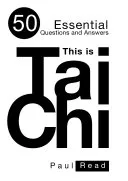
Paul Read’s "This is Tai Chi" tackles the most pressing questions a newcomer might have about this multifaceted discipline. Its strength lies in its direct, unpretentious approach, cutting through potential jargon to offer clear answers. The Q&A format, particularly the section addressing the "martial art or health art" question, is effective in clarifying common misconceptions. However, the book occasionally feels too brief, leaving one wishing for more depth on specific historical styles or the deeper philosophical underpinnings of Qi cultivation. A concrete passage that stands out is the explanation of how the slow, deliberate movements paradoxically build strength and resilience, a concept often misunderstood by beginners. While it serves as an excellent primer, seasoned practitioners will find little new here. It’s a competent, if unadventurous, introduction to the world of Tai Chi.
📝 Description
80
Paul Read's 2016 book, "This is Tai Chi," answers fundamental questions about the practice.
This is Tai Chi, by Paul Read, uses a question-and-answer format to explain the Chinese practice to newcomers. The book aims to clarify Tai Chi's origins, its use as a martial art, and its health benefits. It directly addresses common questions about how Tai Chi supports both physical movement and mental balance.
This guide is written for people considering their first Tai Chi class or those who want a basic understanding before starting instruction. It covers beginner concerns, such as the learning process, how it suits different physical conditions like knee or nerve issues, and how to incorporate it into daily life. Readers wondering about Tai Chi's core nature will find this book helpful.
The book touches on the historical development of Tai Chi and its various styles. While not an in-depth academic study, it acknowledges the lineage and traditions from which Tai Chi comes. It shows Tai Chi as a system developed over centuries, drawing from traditional Chinese martial arts and philosophy.
Tai Chi's practice is rooted in Taoist philosophy and traditional Chinese medicine, concepts often explored within esoteric traditions. The cultivation of 'Qi,' or vital energy, and the union of mind and body are central to its application as both a martial discipline and a method for enhancing health and longevity. This book, though practical, touches upon these deeper philosophical underpinnings, connecting the physical movements to a broader understanding of internal cultivation and energetic flow.
💡 Why Read This Book?
• Gain clarity on Tai Chi’s dual nature as both a martial art and a health practice, as explored in the "Is it a martial art or health art?" section, helping you understand its comprehensive benefits. • Discover practical advice on selecting a Tai Chi class, informed by the book's guidance on what to look for, ensuring you find suitable instruction from the outset. • Understand the estimated learning curve and potential benefits for physical well-being, such as improved knee or nerve health, as addressed in the Q&A format, setting realistic expectations for your practice.
⭐ Reader Reviews
Honest opinions from readers who have explored this book.
❓ Frequently Asked Questions
How long does it typically take to learn Tai Chi?
Paul Read's "This is Tai Chi" suggests that while basic movements can be learned relatively quickly, achieving proficiency and understanding the deeper principles can take years of consistent practice. The book emphasizes that progress is gradual and deeply personal.
Is Tai Chi primarily a martial art or a health exercise?
The book explains that Tai Chi originated as a martial art but has evolved into a practice widely recognized for its health benefits. It functions as both, integrating defensive applications with exercises for physical and mental well-being.
What are the benefits of Tai Chi for physical health?
This is Tai Chi highlights benefits such as improved balance, flexibility, and strength, which can be particularly helpful for conditions affecting the knees. It also promotes relaxation and stress reduction, benefiting overall nervous system health.
How can Tai Chi be useful in daily life?
The practice cultivates mindfulness, improved posture, and a greater sense of calm, which can be applied to everyday activities. This increased awareness and centeredness help manage stress and enhance physical coordination outside of formal practice.
What should I look for when choosing a Tai Chi class?
Paul Read advises looking for instructors who clearly explain the movements, demonstrate proficiency, and cater to beginners' needs. Understanding the specific style taught and the teacher's experience is also crucial for a positive learning experience.
Does "This is Tai Chi" cover different styles of the practice?
Yes, the book provides an overview of the history and different styles of Tai Chi, offering insights into their origins and characteristics to help readers understand the diversity within the practice.
🔮 Key Themes & Symbolism
Martial vs. Health Art
A central theme explored is the dual nature of Tai Chi as both a sophisticated martial art and a profound health practice. The book clarifies how the slow, flowing movements, rooted in self-defense principles, simultaneously cultivate internal energy (Qi) and promote physical and mental well-being. It addresses the common misconception that Tai Chi is solely a gentle exercise, revealing its deeper strategic and energetic foundations derived from traditional Chinese martial philosophy.
The Learning Journey
This is Tai Chi emphasizes that mastering the art is a gradual process. It directly answers questions about the time commitment involved, setting realistic expectations for beginners. The book frames learning Tai Chi not as a race to completion but as a continuous journey of refinement, encouraging patience and consistent practice to unlock its full potential for both physical health and internal development.
Practical Integration
Beyond the formal practice, the book explores how Tai Chi principles can enhance daily life. It discusses how the cultivated mindfulness, improved balance, and centeredness gained from practice translate into better posture, stress management, and overall coordination in everyday activities. This theme highlights Tai Chi's utility as a life-enhancing discipline rather than an isolated pursuit.
Understanding Qi
While accessible for beginners, the book touches upon the concept of Qi (vital energy) as a fundamental element in Tai Chi. It explains how the practice aims to cultivate, balance, and circulate Qi throughout the body, contributing to health and vitality. This esoteric concept is presented in a straightforward manner, clarifying its role within the practice for newcomers.
💬 Memorable Quotes
Direct passages from the work, attributed to the author.
“Is it better for your knees or your nerves?”
— This question highlights the practical, health-oriented benefits beginners seek from Tai Chi, framing the practice as a potential remedy for common physical and mental ailments.
“How is it useful in your daily life?”
— This query underscores the desire to integrate the discipline's principles beyond formal training, seeking tangible improvements in everyday activities and overall well-being.
“What to look for in a class”
— This points to the practical guidance needed by prospective students to make informed decisions about finding qualified instruction and a suitable learning environment.
“Is it a martial art or health art?”
— This fundamental question addresses the core identity of Tai Chi, seeking to reconcile its historical roots in combat with its widespread modern application as a therapeutic practice.
“The essential book for anyone interested in learning the basics”
— This self-description positions the work as a crucial starting point for newcomers, promising to provide the foundational knowledge required before beginning formal Tai Chi study.
🌙 Esoteric Significance
Tradition
While "This is Tai Chi" is primarily an introductory guide, it touches upon principles inherent in Taoist philosophy and traditional Chinese internal martial arts. It aligns with esoteric traditions that emphasize the cultivation of internal energy (Qi) and the connection between mind, body, and spirit. The work departs from purely martial applications by focusing on the health and meditative aspects, making its esoteric underpinnings accessible to a wider audience seeking balance and vitality.
Symbolism
The book indirectly engages with symbolism through the concept of Qi, the vital life force central to Taoist and esoteric thought. The slow, circular movements themselves can be seen as symbolic of natural cycles and the continuous flow of energy. While not explicitly detailing complex iconographies, it introduces the idea that the physical form of Tai Chi movements reflects deeper energetic and philosophical principles of harmony and balance.
Modern Relevance
Contemporary thinkers and practitioners in fields like embodied cognition, somatic psychology, and holistic wellness draw upon practices like Tai Chi. The book's accessible approach to mind-body integration and stress reduction speaks to modern wellness trends and therapeutic modalities that seek to leverage ancient practices for contemporary health challenges, including mental well-being and physical rehabilitation.
👥 Who Should Read This Book
• Absolute beginners curious about Tai Chi but unsure where to start, seeking clear answers to fundamental questions about its nature and benefits. • Individuals exploring complementary health practices who want to understand how Tai Chi can contribute to physical well-being, such as knee or nerve health. • Prospective students looking for practical advice on selecting an appropriate Tai Chi class and instructor, ensuring a positive and effective learning experience.
📜 Historical Context
Published in 2011, Paul Read's "This is Tai Chi" emerged during a period where interest in traditional Chinese practices like Tai Chi had significantly broadened in the West. While academic works by scholars such as Benjamin Pang Jern Brophy were exploring the historical and philosophical depth of Tai Chi, Read's book aimed at a more general audience, democratizing access to basic information. It arrived at a time when Western interpretations of martial arts and mind-body disciplines were common, influenced by figures like Bruce Lee who, though focused on Kung Fu, popularized Eastern martial philosophies. Read's work doesn't engage directly with specific contemporary authors or academic debates but rather addresses the prevalent questions and curiosities of individuals encountering Tai Chi for the first time in a globalized wellness market.
📔 Journal Prompts
Tai Chi's dual nature as martial and health art.
The learning journey and patience in practice.
Integrating Tai Chi principles into daily life.
Understanding the role of Qi in movement.
Selecting the right Tai Chi class.
🗂️ Glossary
Tai Chi
An ancient Chinese internal martial art practiced for both its defensive applications and its health benefits, characterized by slow, flowing movements and deep breathing.
Qi
Vital life force or energy believed to flow through the body in traditional Chinese medicine and martial arts, central to practices like Tai Chi for health and vitality.
Martial Art
A system of combat or self-defense, often with codified techniques and principles, originating from various cultures and traditions.
Health Art
A practice or discipline primarily focused on promoting physical, mental, and emotional well-being, often incorporating elements of exercise, meditation, and therapeutic principles.
Styles (of Tai Chi)
Different lineages or forms of Tai Chi practice that have evolved over time, such as Yang, Chen, Wu, and Sun styles, each with distinct characteristics in posture, movement, and emphasis.
Learning Curve
The rate at which someone learns a new skill or task; in Tai Chi, it refers to the time and effort required to grasp the basic movements and principles.
Mindfulness
A mental state achieved by focusing one's awareness on the present moment, while calmly acknowledging and accepting one's feelings, thoughts, and bodily sensations.