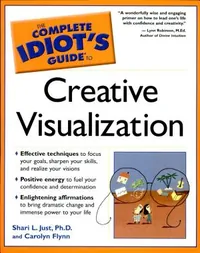
Thelema Hellvetia

 83
83

Thelema Hellvetia
Michael von Bergen's Thelema Hellvetia is an arresting document, less a polished treatise and more a raw testament to a singular quest for liberation. The book's central premise—the deliberate "death" of one's bourgeois existence—is both its most potent strength and its potential stumbling block for readers. Von Bergen's account of shedding societal shackles is unflinchingly personal, offering a stark contrast to more academic or theoretical explorations of freedom. He writes with an urgent, almost confessional tone, particularly when detailing the act of "killing" his bourgeois self, a narrative anchor that provides considerable weight. However, the avant-garde style, while fitting the subject matter, can at times obscure the broader societal critique it purports to build. The dense, often symbolic language requires significant reader investment. Nevertheless, the work's courage in confronting the mundane realities of societal conformity and proposing a radical, albeit demanding, alternative makes it a significant, if challenging, contribution to esoteric literature. It compels one to examine the very definition of freedom.
📝 Description
83
Michael von Bergen's 2006 book, Thelema Hellvetia, critiques societal structures and individual conformity.
Published in 2006, Thelema Hellvetia offers a critique of societal norms and the pressures of individual conformity. Michael von Bergen details his own experience shedding a conventional, bourgeois existence to pursue magical liberation. This work is less a how-to guide and more a philosophical reflection, using his personal transformation as a means to examine wider ideas about freedom and self-determination.
This book is for readers who challenge established ideas and look for different ways to understand life. It will interest those drawn to philosophical critiques of society, the personal stories of occult practitioners, and discussions of subjective reality. People who enjoy unconventional writing styles and are ready to question their own views on personal liberty and societal roles will find much to consider.
Emerging in the early 21st century, Thelema Hellvetia connects to a history of counter-cultural and esoteric thought that has always questioned societal limitations. Von Bergen's book, though deeply personal, echoes critiques found in earlier movements such as the Beat Generation and the 1960s counterculture, both of which stressed individual freedom from societal pressures. The author's idea of the magician's death of the bourgeois self aligns with certain interpretations of Aleister Crowley's Thelema, though von Bergen's perspective is notably individualistic and critical.
💡 Why Read This Book?
• Understand the concept of the "death of the bourgeois self" as a radical act of liberation, as detailed in von Bergen's personal narrative, offering a unique perspective on societal conformity. • Explore the philosophical underpinnings of societal "enslavement" and the author's critique of conventional existence, providing a framework for questioning established norms. • Gain insight into avant-garde esoteric writing through von Bergen's 2006 publication, examining how personal transformation can serve as a foundation for profound social commentary.
⭐ Reader Reviews
Honest opinions from readers who have explored this book.
❓ Frequently Asked Questions
What is the central theme of Michael von Bergen's Thelema Hellvetia?
The central theme is the radical liberation from societal enslavement through the personal act of "killing" one's bourgeois existence. Von Bergen uses his own transformative journey as a foundation for a critique of conformity and a call for authentic self-determination.
When was Thelema Hellvetia first published?
Thelema Hellvetia was first published in 2006.
What does the author mean by "killing his bourgeois existence"?
This refers to a conscious, deliberate renunciation of the conventional societal roles, values, and expectations associated with middle-class life, seen by the author as a form of "powerless servitude" that must be shed for true freedom.
Is Thelema Hellvetia a practical guide to magic?
No, it is not a practical manual. While the author identifies as a magician and his personal transformation is central, the book functions primarily as a philosophical exploration and social critique, using his experiences as illustration.
What kind of reader would appreciate Thelema Hellvetia?
Readers interested in esoteric philosophy, societal critique, personal transformation narratives, and avant-garde literature. It appeals to those who question norms and seek deeper understanding of individual freedom beyond societal constraints.
What historical or philosophical movements does Thelema Hellvetia relate to?
The book's themes of liberation from societal constraints echo earlier counter-cultural movements and philosophical critiques of conformity. It also engages with certain interpretations of Thelemic philosophy, albeit from a distinctly individualistic stance.
🔮 Key Themes & Symbolism
Societal Enslavement
Von Bergen meticulously dissects the concept of societal "enslavement," arguing that conventional life traps individuals in a state of "powerless servitude." This theme is explored not as a political manifesto but as a deeply personal observation of how societal structures, norms, and expectations inhibit genuine freedom and self-expression. The book suggests that this servitude is often self-imposed through adherence to bourgeois values, leading to a profound disconnect from one's authentic self.
The Death of the Bourgeois Self
A core part of the work is the radical act of "killing" one's bourgeois existence. This is presented as a necessary sacrifice, a conscious renunciation of the comfort, security, and identity derived from conventional societal roles. Von Bergen's own narrative illustrates this process, portraying it as a fundamental step toward achieving true autonomy and forging a new identity based on personal gnosis rather than societal acceptance.
Magical Liberation
The pursuit of magical practice serves as the author's chosen vehicle for liberation. Thelema Hellvetia posits that magic, understood as a means of altering consciousness and reality, offers a potent antidote to societal conditioning. By embracing the path of the magician, one actively rejects the passive role of the enslaved citizen, beginning a journey of self-creation and the realization of individual will, free from external dictates.
Authentic Self-Creation
Beyond mere rejection, the book champions the active creation of an authentic self. This involves dismantling the imposed identity and constructing a new one based on inner truth and self-defined principles. The work explores the challenges and rewards of this process, suggesting that true freedom lies not in escaping society entirely, but in fundamentally transforming one's relationship to it through radical self-awareness and intentional living.
💬 Memorable Quotes
Direct passages from the work, attributed to the author.
“The author details the necessity of "killing" his bourgeois existence.”
— This refers to the central narrative act of renouncing conventional societal roles and values. It signifies a deliberate break from the perceived constraints of middle-class life to pursue a path of individual liberation and self-discovery.
“The text presents a foundation for comprehensive social criticism.”
— This indicates that von Bergen's personal journey is not merely autobiographical but serves as a springboard for a broader analysis of societal structures and their impact on individual autonomy. The critique is framed through the lens of esoteric transformation.
“The book is characterized as the fantastic work of a creative mind seeking liberation.”
— This emphasizes the imaginative and unconventional nature of the text. It suggests that the author's creative spirit drives the exploration of freedom, positioning the work as an artistic and philosophical endeavor rather than a standard social commentary.
“The author's bourgeois existence is portrayed as something to be "killed" to achieve freedom.”
— This highlights the dramatic and decisive action the author advocates. It implies that the societal identity is an obstacle that must be actively destroyed or transcended to pave the way for a liberated, authentic self.
💡 Key Ideas
Editorial paraphrase of the work's core concepts — not direct quotes.
The work explores the idea of escaping "powerless servitude" through radical self-transformation.
This paraphrase captures the essence of the book's critique of societal norms. It highlights the author's view that conventional life leads to a state of subjugation and that genuine freedom requires a profound internal shift, not just external change.
🌙 Esoteric Significance
Tradition
Thelema Hellvetia draws implicitly from the Western Esoteric Tradition, particularly its focus on individual will and the rejection of societal constraints, echoing themes found in Hermeticism and certain interpretations of Thelema itself. However, von Bergen's approach is highly personalized and critical, departing from established dogmas to forge a unique path. It emphasizes subjective experience and radical self-creation over adherence to a specific lineage or set of rituals, positioning it as an avant-garde exploration within the broader esoteric landscape.
Symbolism
The central symbol is the "death of the bourgeois self," representing the shedding of societal conditioning and the birth of a new, authentic identity. This act can be seen as a symbolic ritual of purification and rebirth, akin to initiatory processes found in various esoteric traditions. The concept of "enslavement" itself functions symbolically, representing the invisible chains of conformity that bind the individual will, which the magician seeks to break through conscious effort.
Modern Relevance
Von Bergen's work speaks to contemporary discussions on individual autonomy, authenticity, and the critique of consumer culture. Thinkers and practitioners exploring themes of radical self-transformation, societal disillusionment, and the reclaiming of personal power may find inspiration in his unflinching examination of the "bourgeois" trap. The book's avant-garde nature also appeals to artists and writers interested in pushing the boundaries of esoteric expression and social commentary.
👥 Who Should Read This Book
• Individuals questioning societal norms and seeking philosophical frameworks for personal liberation. They will gain a radical perspective on conformity and the means to challenge it. • Practitioners and students of esoteric traditions interested in autobiographical accounts of profound personal transformation. They will find a unique example of integrating magical practice with social critique. • Readers of avant-garde literature and social critics seeking unconventional analyses of modern existence. They will encounter a challenging, artistically driven exploration of freedom and self-creation.
📜 Historical Context
Published in 2006, Michael von Bergen's Thelema Hellvetia emerged during a period of burgeoning interest in esoteric thought and counter-cultural critique, though often expressed through digital platforms rather than print. The book's radical stance against societal conformity and its embrace of a personal "death" of the bourgeois self can be seen as a continuation of the anti-establishment sentiments prevalent in earlier movements like the Beat Generation and the 1960s counterculture. While not directly engaging with a specific academic debate, its themes of individual liberation and critique of societal norms find parallels in philosophical discussions questioning postmodern alienation. The work stands apart from more mainstream self-help or popular esoteric texts by its uncompromising, avant-garde approach and its grounding in the author's personal, transformative experience as a magician, aligning it with a tradition of esoteric autobiography but with a distinct critical edge.
📔 Journal Prompts
The concept of "powerless servitude" and its manifestation in your own life.
Reflecting on the "death of the bourgeois self" as a metaphorical or literal act.
The role of societal expectations in shaping personal identity.
Identifying personal "chains" of conformity and potential methods for breaking them.
The relationship between individual will and societal structures explored in the text.
🗂️ Glossary
Bourgeois Existence
Refers to the conventional lifestyle, values, and social status typically associated with the middle class, often characterized by conformity, material comfort, and adherence to societal norms.
Powerless Servitude
A state of subjugation or enslavement imposed by society, where individuals feel a lack of agency or control over their own lives, often due to ingrained societal expectations and conditioning.
Killing the Bourgeois Self
A radical act of renouncing and dismantling the conventional, socially conditioned identity to achieve authentic selfhood and freedom. It implies a decisive break from societal norms and values.
Magician
In this context, refers to an individual who actively pursues self-transformation and liberation through esoteric practices, aiming to master their own will and reality.
Avant-garde
Describes work that is experimental, radical, and pushes the boundaries of conventional artistic or intellectual expression. It often challenges established norms and traditions.
Societal Enslavement
The condition of being bound or controlled by the structures, norms, and expectations of society, leading to a loss of individual freedom and autonomy.
Authentic Self
The true, unconditioned identity of an individual, free from the constraints and influences of societal expectations, which is realized through conscious effort and self-discovery.
This book appears in 1 collection
🔮 Readers Also Liked
Browse all →









From the “Thelema” Collection
View all →





More Free Occult Philosophy Books
View all →