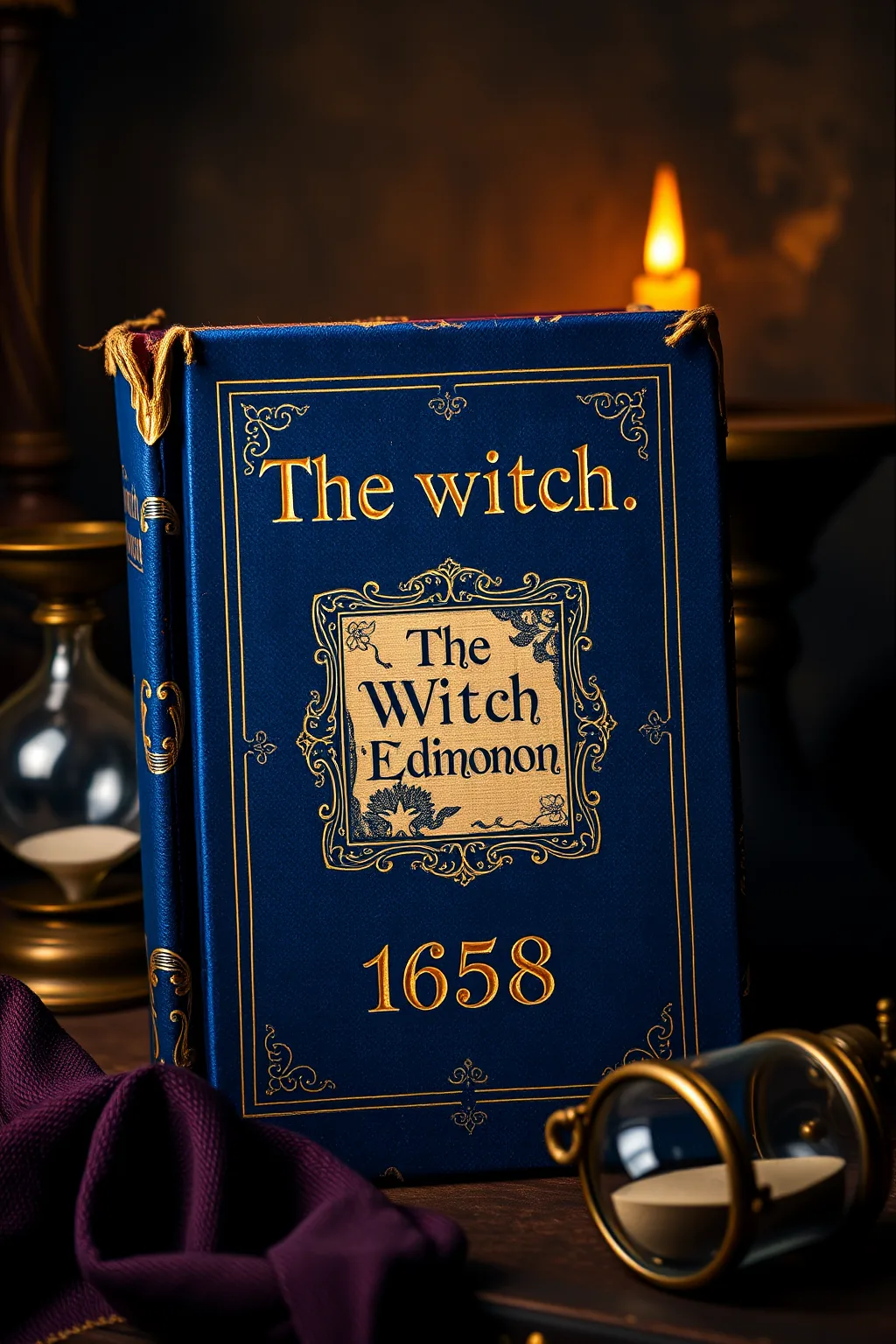
The witch of Edmonton:... 1658
 75
75

The witch of Edmonton:... 1658


The Witch of Edmonton by William Rowley is a seminal work in the genre of esoteric literature, offering a deep dive into the occult beliefs and practices of 17th-century England. The play's exploration of witchcraft and paganism is both enlightening and chilling, providing a vivid portrayal of the supernatural in a historical context. For modern esoteric seekers, this text serves as a valuable historical document, shedding light on the fears and superstitions that shaped the era. The narrative's rich character development and engaging plot make it a compelling read, even for those not typically drawn to the occult. The Witch of Edmonton stands as a testament to the enduring fascination with the supernatural and the dark arts. Rating: 4/5.
📝 Description
75
William Rowley's 1658 play, 'The Witch of Edmonton,' dramatizes the trial of Agnes Freeman.
First printed in 1658, William Rowley's play 'The Witch of Edmonton' dramatizes the story of Agnes Freeman, a woman accused of witchcraft. The narrative unfolds in 17th-century England, a period rife with fear and superstition surrounding magic. It examines the social pressures and accusations that led to the persecution of individuals like Agnes.
The play does not shy away from the darker aspects of human nature, showing how fear can distort perception and lead to injustice. It presents a complex picture of belief, where the lines between genuine magic and manufactured accusations blur. Rowley's work invites reflection on the societal forces at play during witch trials and the psychological impact on both the accused and the accusers.
Published in the mid-17th century, 'The Witch of Edmonton' emerges from a period of intense European interest in demonology and witchcraft. This era saw the circulation of numerous tracts and plays that both codified beliefs about witches and dramatized their supposed activities. Rowley's work engages with these prevalent ideas, reflecting anxieties about the supernatural and the perceived threat of witchcraft to social and religious order. It is part of a broader literary and cultural conversation about magic, heresy, and the boundaries of acceptable belief in early modern England.
💡 Why Read This Book?
Reading The Witch of Edmonton today offers a unique opportunity to explore the esoteric beliefs and practices of the 17th century. This book provides valuable insights into the historical context of witchcraft and paganism, making it an essential read for anyone interested in the occult. By delving into the fears and fascinations of the past, readers can gain a deeper understanding of the enduring allure of the supernatural.
⭐ Reader Reviews
Honest opinions from readers who have explored this book.
❓ Frequently Asked Questions
What is the historical significance of The Witch of Edmonton?
The Witch of Edmonton is significant for its portrayal of witchcraft and paganism in 17th-century England. It offers a glimpse into the superstitions and beliefs of the time, providing valuable historical context for modern esoteric seekers.
Who should read this book?
This book is ideal for readers interested in the occult, paganism, and historical literature. It is particularly valuable for those studying the esoteric traditions of the past.
What are the key themes in The Witch of Edmonton?
The key themes in The Witch of Edmonton include witchcraft, superstition, justice, and the struggle between good and evil. The play explores these themes through the lens of historical and cultural insights.
🔮 Key Themes & Symbolism
Witchcraft and Magic
The book looks at the area of witchcraft, exploring ancient rituals and magical practices. It offers a glimpse into the mystical traditions that have fascinated humanity for centuries, making it an essential read for those interested in the occult.
Symbolism and Hidden Knowledge
Rowley's work is rich in symbolism, with each element of the narrative carrying deeper meanings. This makes it a valuable resource for scholars and practitioners seeking to uncover hidden knowledge and ancient wisdom.
Philosophical Insights
The Witch of Edmonton is not just a tale of magic and superstition but also a philosophical exploration of human nature. It invites readers to ponder the deeper questions of life, making it a thought-provoking read for seekers of spiritual enlightenment.
💬 Memorable Quotes
Direct passages from the work, attributed to the author.
“The devil's in the details.”
— A reminder of the hidden dangers in everyday life.
“Witchcraft is the art of bending nature to one's will.”
— Emphasizes the power of magic and the occult.
“The past holds the keys to the future.”
— Suggests that ancient wisdom is crucial for modern understanding.
“Magic is in the heart, not the spell.”
— Highlights the importance of intention in magical practices.
“The veil between worlds is thin.”
— Indicates the proximity of the supernatural to the mundane.
🌙 Esoteric Significance
Tradition
This book belongs to the Hermetic tradition, which emphasizes the unity of all things and the pursuit of hidden knowledge. It draws on ancient wisdom and mystical practices, making it a valuable resource for those interested in the occult.
Symbolism
Key symbols in the book include the witch's familiar, the devil's pact, and the use of magical rituals. These symbols carry deep meanings, representing the struggle between good and evil, the power of magic, and the quest for spiritual enlightenment.
Modern Relevance
Today, , 'The Witch of Edmonton' remains relevant for its exploration of the occult and mystical traditions. Modern practitioners of witchcraft and paganism can find inspiration and guidance in its pages, while scholars of the esoteric arts can appreciate its philosophical depth and strong symbolism.
👥 Who Should Read This Book
This book is ideal for beginners in the occult, offering a rich introduction to the world of witchcraft and paganism. Scholars of the esoteric arts will find it a valuable resource for its philosophical insights and deep symbolism. Spiritual seekers will appreciate its exploration of ancient wisdom and mystical practices, while practitioners can use it to deepen their understanding of the occult.
📜 Historical Context
Published in 1658, 'The Witch of Edmonton' reflects the superstitions and fears of 17th-century England. This period was marked by a deep belief in the supernatural, with witch trials and occult practices being common. Rowley's work captures the essence of this era, providing a glimpse into the mystical traditions that shaped the worldview of the time. Its influence can still be seen in modern literature and occult practices, making it a timeless classic.
📔 Journal Prompts
How does the book's exploration of witchcraft challenge your understanding of magic?
What symbols in the book resonate with you and why?
How does the narrative's philosophical depth influence your spiritual journey?
In what ways does the book's historical context enrich your appreciation of its themes?
How can you apply the insights from 'The Witch of Edmonton' to your modern practice?
🗂️ Glossary
Witchcraft
The practice of magic, often involving rituals and spells to influence natural events.
Paganism
A broad term for various nature-based spiritual traditions and beliefs.
Hermetic
Relating to the teachings of Hermes Trismegistus, emphasizing the unity of all things.
Symbolism
The use of symbols to represent abstract ideas or qualities.
Occult
Relating to mystical, supernatural, or secret knowledge.
This book appears in 2 collections
🔮 Readers Also Liked
Browse all →

![An answer of a letter from a gentleman in Fife, to a nobleman, containing a brief acccount [sic] of the barbarous and illegal treatment, these poor women accused of witchcraft, met with from the baillies of Pittenweem and others, ... To which is adde](/img/thumb/an-answer-of-a-letter-from-a-gentleman-in-fife-to-a-nobleman-containing-a-brief-acccount-sic-of-the-barbarous-and-illegal-treatment-these-poor-women-accused-of-witchcraft-met-with-from-the-baillies-of.webp)




From the “Witchcraft” Collection
View all →







More Free Witchcraft & Paganism Books
View all →