The Three Impostors, or, The Transmutation
 72
72

The Three Impostors, or, The Transmutation
Arthur Machen's "The Three Impostors" offers a potent distillation of cosmic dread, eschewing overt spectacle for a pervasive sense of unease. The episodic structure, while occasionally feeling disjointed, effectively builds a cumulative atmosphere of uncanny intrusion into the everyday. Machen's prose excels at evoking the liminal spaces where the familiar world gives way to something ancient and unsettling. A particularly striking element is the recurring motif of the "hidden," the sense that beneath the veneer of London lies a world of secret rites and non-human intelligences, as hinted at in the pursuit of the Dionysian coin. However, the narrative's deliberate ambiguity, while a strength for some, can leave certain thematic threads feeling underdeveloped, particularly the motivations of the titular impostors. The work's ultimate power lies not in resolution, but in the lingering questions it poses about the nature of reality and humanity's place within it. It remains a significant work for its exploration of occult themes through literary fiction.
📝 Description
72
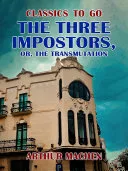
Arthur Machen published "The Three Impostors, or, The Transmutation" in 1895, a collection of unsettling tales.
This 1895 collection gathers interconnected, unsettling tales framed by a narrative involving a quest for a Roman coin and a clandestine society. Machen presents these episodes as the findings of an investigator documenting encounters with mysterious figures and bizarre occurrences. The stories create an atmosphere of pervasive dread and occult mystery, where the mundane world bleeds into the uncanny. It is suited for readers who prefer subtle, creeping horror and literary explorations of the subconscious over explicit gore. Those who enjoy ambiguity, where the true nature of events remains unclear and the psychological impact of the unknown is central, will find this work engaging. Readers expecting straightforward plot resolutions might find it challenging.
The book delves into the concept of the "Other," a reality or force existing beyond ordinary perception, often accessed through forbidden knowledge or ancient rituals. It touches upon the idea of hidden pagan survivals within modern society, suggesting that ancient, primal forces continue to influence human affairs. The "impostors" themselves represent a disruption of the perceived normal, hinting at deeper, often sinister, truths concealed beneath the surface of everyday life.
Published in 1895, "The Three Impostors" emerged during a period of intense occult revival in Britain, coinciding with movements like Theosophy and the Hermetic Order of the Golden Dawn. Machen's work tapped into a fin-de-siècle fascination with ancient mysteries and the intrusion of the supernatural into everyday life. It aligns with Gothic and Decadent literary trends of the time, exploring themes of degeneration and the pursuit of hidden knowledge.
💡 Why Read This Book?
• Gain insight into the esoteric undercurrents of late Victorian literature, understanding how authors like Machen engaged with occultism and pagan survivals beyond mere sensationalism. • Experience a unique form of psychological horror that relies on atmosphere and suggestion, particularly through Machen's depiction of the uncanny intrusion of ancient rites into mundane London. • Explore the symbolic significance of the Dionysian coin and the "Three Impostors" as archetypal figures representing hidden knowledge and the manipulation of perceived reality.
⭐ Reader Reviews
Honest opinions from readers who have explored this book.
❓ Frequently Asked Questions
What is the significance of the Roman coin in "The Three Impostors"?
The Roman coin, commemorating an infamous orgy, serves as a MacGuffin and a potent symbol. It represents a tangible link to ancient, debauched pagan rites and is sought by the secret society, acting as a catalyst for the narrative and a focal point for occult desires.
Who are the "Three Impostors" in Arthur Machen's novel?
The "Three Impostors" are members of a secret society devoted to pagan rites. They act as deceptive figures who weave tales and influence events, embodying the hidden, often sinister, forces that Machen suggests lurk beneath the surface of ordinary life.
What makes "The Three Impostors" an "esoteric" novel?
The book delves into hidden knowledge, secret societies, ancient pagan rituals, and the intrusion of supernatural or non-human intelligences into the human world. It explores themes beyond conventional reality, aligning with esoteric traditions that seek deeper, often hidden, truths.
When was "The Three Impostors" first published?
Arthur Machen's "The Three Impostors, or, The Transmutation" was first published in 1895, placing it within the context of late Victorian occult revival and decadent literature.
What is the writing style of Arthur Machen in this book?
Machen employs a distinctive prose style characterized by its evocative descriptions, atmospheric dread, and a sense of the uncanny. He focuses on suggestion and psychological unease rather than explicit horror, creating a subtly terrifying effect.
Does "The Three Impostors" have a clear plot?
The novel is episodic rather than strictly linear. While there are connecting narrative threads, such as the search for the coin and the presence of the impostors, the focus is on individual tales of the weird and unsettling, building a cumulative atmosphere.
🔮 Key Themes & Symbolism
Hidden Societies and Pagan Rites
The novel centers on a clandestine society practicing ancient, debauched pagan rites, suggesting that these primal forces persist beneath the surface of modern London. The "Three Impostors" are agents of this hidden world, manipulating events and individuals. The pursuit of the Roman coin commemorating an orgy serves as a tangible link to these forbidden practices, highlighting Machen's fascination with the survival of ancient, often terrifying, spiritual currents within the ostensibly civilized world of the late 19th century.
The Uncanny Intrusion
Machen masterfully portrays the intrusion of the uncanny into the mundane. Ordinary settings in London become stages for inexplicable events and encounters with unsettling figures. This theme explores the fragility of perceived reality and the notion that unseen, ancient powers can breach the veil of everyday consciousness. The narrative structure, comprised of interconnected weird tales, amplifies this effect, suggesting a pervasive, underlying strangeness that defies rational explanation.
Deception and Perception
The "Impostors" themselves embody the theme of deception, operating through misdirection and the manipulation of perception. Their interactions with characters, and the framing of the stories they relate, question the reliability of experience and the nature of truth. The work suggests that what appears solid and real may be a construct, masking deeper, more sinister realities governed by forces beyond human comprehension.
The Quest for Forbidden Knowledge
The search for the Roman coin acts as a symbol for a broader quest for forbidden or lost knowledge. This knowledge is tied to ancient paganism and potentially dangerous occult truths. Machen implies that the pursuit of such esoteric understanding carries inherent risks, often leading characters into perilous spiritual or psychological territory, blurring the lines between enlightenment and damnation.
💬 Memorable Quotes
Direct passages from the work, attributed to the author.
“It is not a question of belief, but of fact.”
— This statement underscores Machen's approach to the supernatural, presenting bizarre events not as matters of faith but as objective occurrences that defy conventional understanding. It suggests a reality where the uncanny is demonstrably real, even if inexplicable.
“The rites were ancient beyond reckoning, and the god was nameless.”
— This phrase points to the primal and mysterious nature of the pagan practices depicted. It emphasizes the deep antiquity and the unknowable essence of the divine forces Machen associates with hidden cults, evoking a sense of awe and dread.
“He had seen the veil lifted, and could never again be content with the ordinary.”
— This captures the transformative, yet often burdensome, effect of encountering the supernatural or esoteric. Once the perceived limits of reality are breached, the mundane world loses its appeal, leading to a perpetual state of seeking deeper truths.
💡 Key Ideas
Editorial paraphrase of the work's core concepts — not direct quotes.
The world is a phantasmagoria, and nothing is what it seems.
This paraphrased concept reflects the novel's pervasive theme of deception and illusion. It suggests that ordinary reality is a thin veneer, masking a more complex, perhaps terrifying, underlying truth accessible only through direct, often disturbing, experience.
There are more things in heaven and earth than are dreamt of in your philosophy.
While a general allusion, this quote captures the essence of Machen's exploration of the unknown. It posits the existence of realms and forces beyond human comprehension and scientific understanding, central to the novel's occult atmosphere.
🌙 Esoteric Significance
Tradition
Machen's work draws loosely from Western Esotericism, particularly themes found in Gnosticism and Hermeticism regarding hidden knowledge and the manipulation of perceived reality. It echoes Gnostic ideas of a flawed demiurge or hidden powers influencing the material world. While not strictly adhering to any single tradition, it engages with the concept of surviving pagan cults and ancient, chthonic forces, aligning with currents of Neo-Paganism and the broader occult revival of the late 19th century.
Symbolism
The "Three Impostors" can symbolize the deceptive nature of the material world or specific negative spiritual influences that mislead seekers. The Dionysian coin represents a tangible link to ecstatic, potentially dangerous, ancient rites and the embodiment of primal, untamed energies. The city of London itself functions symbolically, becoming a landscape where the mundane and the occult intersect, a place where hidden cults operate unseen within the fabric of modern life.
Modern Relevance
Contemporary practitioners of Chaos Magick and those exploring esoteric psychological horror often cite Machen. His techniques of evoking atmosphere and exploring the psychological impact of the uncanny resonate with modern artists and writers interested in the liminal and the subconscious. Thinkers in comparative mythology and those examining the persistence of ancient pagan motifs in modern culture also find value in his depiction of hidden spiritual currents.
👥 Who Should Read This Book
• Students of late Victorian literature and occultism seeking primary source material that bridges literary aesthetics with esoteric themes. • Practitioners of Western Esotericism interested in symbolic explorations of deception, hidden knowledge, and the survival of ancient pagan rites. • Readers of philosophical horror and the uncanny who appreciate atmospheric storytelling and ambiguous narratives over explicit scares.
📜 Historical Context
Published in 1895, "The Three Impostors" emerged during Britain's late Victorian fin-de-siècle, a period rife with spiritual seeking and occult fascination. This era saw the rise of figures like Helena Blavatsky and the formation of groups such as the Hermetic Order of the Golden Dawn, reflecting a widespread interest in esotericism, Theosophy, and Neo-Paganism. Machen, a contemporary of Algernot Blackwood, contributed to a literary milieu that explored the uncanny and the supernatural, often through a decadent or Gothic lens. The work’s focus on hidden pagan survivals and secret societies tapped into contemporary anxieties about degeneration and the persistence of ancient, primal forces beneath the veneer of modernity. It stood apart from more sensationalist occult fiction, offering a literary exploration of the darker, more ambiguous aspects of the occult, aligning with the Symbolist movement's emphasis on suggestion and subjective experience.
📔 Journal Prompts
The nature of the "Three Impostors" as conduits for hidden forces.
Reflections on the intrusion of the uncanny into the mundane London depicted.
The symbolic weight of the Roman coin commemorating ancient rites.
How Machen's prose evokes a sense of pervasive dread and the unknown.
The allure and danger associated with the quest for forbidden knowledge in the narrative.
🗂️ Glossary
The Three Impostors
Members of a secret society within the novel who deceive others and relate tales of the weird. They represent hidden, possibly sinister, forces operating within society.
Pagan Rites
Ancient religious ceremonies and practices associated with pre-Christian, polytheistic traditions, often depicted in the novel as debauched and connected to primal forces.
Roman Coin
A specific artifact sought by the secret society, commemorating an infamous orgy, symbolizing a tangible link to ancient, forbidden practices.
The Uncanny
A literary and psychological concept referring to the eerily strange or unsettling, often involving the familiar becoming disturbingly unfamiliar.
Weird Tales
Stories that evoke a sense of the uncanny, supernatural, or inexplicable, often focusing on atmosphere and psychological dread rather than conventional horror tropes.
Secret Society
An organized group with clandestine aims and practices, central to the novel's plot, devoted to ancient and potentially dangerous rituals.
Fin-de-siècle
Refers to the end of the 19th century (late Victorian era), a period characterized by artistic decadence, spiritual searching, and fascination with the occult.