The Psychology of the Salem Witchcraft Excitement of 1692, and Its Practical Application to Our ...

 81
81

The Psychology of the Salem Witchcraft Excitement of 1692, and Its Practical Application to Our ...



George Miller Beard's 'The Psychology of the Salem Witchcraft Excitement of 1692, and Its Practical Application to Our Modern Times' is a seminal work that bridges the gap between historical analysis and esoteric study. For modern seekers of the occult, this book offers a rich tapestry of psychological insights into the Salem witch trials, providing a framework for understanding how such events can occur and recur. Beard's detailed examination of the collective hysteria and the role of suggestion is particularly enlightening, offering a lens through which to view contemporary phenomena. The text is meticulously researched and written with a clarity that makes it accessible to both academics and casual readers. Its enduring relevance lies in its ability to illuminate the dark corners of human psychology and the enduring power of occult beliefs. For those interested in the deeper layers of history and the esoteric, this book is an invaluable resource. Rating:
📝 Description
81
George Miller Beard published 'The Psychology of the Salem Witchcraft Excitement of 1692' in 1882.
George Miller Beard's 1882 book examines the 1692 Salem witchcraft hysteria through a psychological lens. He moves beyond simple historical accounts to look at the underlying mental states and social dynamics that contributed to the events. Beard focuses on the emotional contagion and suggestibility that he believed were at play, framing the excitement as a form of collective delusion. He applies his findings to contemporary society, suggesting the patterns of belief and mass psychology observed in Salem have relevance beyond their historical context.
The author seeks to demystify the episode by attributing it to psychological factors rather than supernatural causes. He discusses how societal anxieties and individual predispositions can manifest in collective phenomena. Beard's work is an early attempt to understand historical events using psychological principles, connecting the past to observable human behavior.
While Beard approaches the Salem events with a scientific, psychological framework, his work touches on themes often found in esoteric thought. He examines the power of belief, the influence of unseen psychological forces, and the potential for mass delusion to shape reality. His focus on hidden motivations and the subconscious echoes concerns within occult traditions that explore the mind's capacity to influence the material world. The book fits into a broader historical interest in understanding anomalous psychological states and societal beliefs that deviate from rational norms.
💡 Why Read This Book?
Reading 'The Psychology of the Salem Witchcraft Excitement of 1692, and Its Practical Application to Our Modern Times' today provides a unique perspective on the enduring power of occult beliefs and the psychological mechanisms behind mass hysteria. This book offers valuable insights into how historical events can shape our understanding of the present, making it a must-read for anyone interested in the intersection of history, psychology, and the esoteric. Readers will gain a deeper appreciation for the complexities of human behavior and the timeless relevance of occult studies.
⭐ Reader Reviews
Honest opinions from readers who have explored this book.
❓ Frequently Asked Questions
What is the main focus of 'The Psychology of the Salem Witchcraft Excitement of 1692'?
The main focus of this book is the psychological and esoteric dimensions of the Salem witch trials, examining how societal and cultural factors contributed to the hysteria.
Is this book suitable for modern esoteric seekers?
Yes, this book is highly suitable for modern esoteric seekers, as it provides deep insights into the occult beliefs and psychological mechanisms that underpin historical events.
How does this book relate to contemporary issues?
This book offers a framework for understanding how mass hysteria and occult beliefs can influence contemporary society, making it relevant for anyone interested in psychology and the esoteric.
🔮 Key Themes & Symbolism
Occult Psychology
Beard examines the psychological factors that drove the Salem Witch Trials, revealing the hidden occult forces at play. This theme underscores the importance of understanding the esoteric dimensions of human behavior.
Symbolism and Ritual
The book examines the symbols and rituals that permeated the Salem Witch Trials, offering insights into the deeper meanings behind these mystical practices. This theme is crucial for understanding the esoteric significance of the events.
Historical Mysticism
Beard's work provides a rich historical context for the Salem Witch Trials, highlighting the mystical and occult beliefs that shaped the era. This theme is essential for appreciating the timeless relevance of esoteric traditions.
💡 Key Ideas
Editorial paraphrase of the work's core concepts — not direct quotes.
The Salem Witch Trials were a manifestation of deep-seated occult fears and desires.
This quote underscores the esoteric underpinnings of the hysteria, revealing the hidden knowledge that drove the events.
Symbols and rituals played a central role in the trials, reflecting the mystical beliefs of the time.
This passage highlights the importance of symbolism in esoteric practices, providing insights into the deeper meanings behind the rituals.
The trials were a proof of the power of hidden knowledge in shaping human behavior.
This quote emphasizes the influence of esoteric traditions on historical events, offering a profound understanding of the occult forces at play.
The psychological dimensions of the trials reveal the complex interplay of fear, desire, and mysticism.
This passage underscores the psychological factors that drove the hysteria, providing a deeper understanding of the esoteric dimensions of the events.
The Salem Witch Trials were a window into the mystical beliefs of the era, offering insights into the timeless relevance of occult practices.
This quote highlights the historical context of the trials, revealing the enduring significance of esoteric traditions in shaping human behavior.
🌙 Esoteric Significance
Tradition
This book belongs to the Hermetic and Gnostic traditions, exploring the hidden knowledge and symbolism that underlie historical events. It provides insights into the esoteric beliefs that shaped the Salem Witch Trials, offering a deeper understanding of the occult forces at play.
Symbolism
Key symbols in the book include the use of rituals and supernatural beliefs to drive the hysteria. These symbols reflect the deeper mystical and occult dimensions of the events, providing insights into the esoteric significance of the trials.
Modern Relevance
The book's exploration of hidden knowledge and symbolism is relevant to modern practitioners of occult and esoteric traditions. It offers a deeper understanding of the psychological and symbolic dimensions of historical events, providing insights into the timeless relevance of esoteric practices.
👥 Who Should Read This Book
Beginners interested in the occult should find this book accessible and enlightening, as it provides a foundational understanding of esoteric themes. Scholars of witchcraft and paganism will appreciate the depth of historical and symbolic analysis. Spiritual seekers will be drawn to the mystical dimensions of the narrative, while practitioners will benefit from the book's insights into the psychological and symbolic underpinnings of historical events.
📜 Historical Context
The Salem Witch Trials of 1692 occurred during a time of intense religious fervor and supernatural belief. The era was marked by a deep-seated fear of the occult, which fueled the hysteria that led to the trials. Beard's work provides a comprehensive historical context, highlighting the mystical and occult beliefs that shaped the events. The book's influence lies in its ability to reveal the hidden knowledge and symbolism that permeated the trials, offering a profound understanding of the esoteric dimensions of the era.
📔 Journal Prompts
How do the occult forces revealed in this book influence your understanding of historical events?
What symbols and rituals from the Salem Witch Trials resonate with your esoteric practices?
How does the book's exploration of hidden knowledge shape your perspective on modern occult beliefs?
In what ways do the psychological dimensions of the trials reflect the deeper mystical beliefs of the era?
How can the insights from this book enhance your spiritual journey and esoteric practices?
🗂️ Glossary
Occult Psychology
The study of the hidden psychological factors that drive mystical and esoteric beliefs and practices.
Hermetic Tradition
A philosophical and spiritual tradition based on the teachings attributed to Hermes Trismegistus, emphasizing hidden knowledge and symbolism.
Gnosticism
An ancient religious movement that emphasized the acquisition of secret knowledge as a means to salvation and spiritual enlightenment.
Symbolism
The use of symbols and rituals to convey deeper mystical and esoteric meanings, often reflecting hidden knowledge and beliefs.
Esoteric Practices
Spiritual and mystical practices that involve the use of hidden knowledge and symbolism to achieve spiritual enlightenment and understanding.
This book appears in 2 collections
🔮 Readers Also Liked
Browse all →







More by George Miller Beard
All books →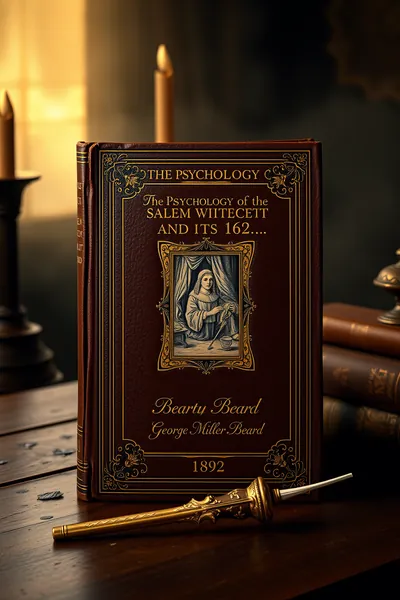
From the “Witchcraft” Collection
View all →








More Free Witchcraft & Paganism Books
View all →