The President's Shadow
 74
74

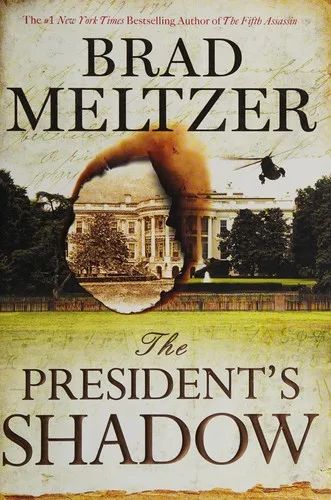
The President's Shadow
Brad Meltzer’s *The President's Shadow* presents a compelling premise: a hidden cabal that has subtly steered presidential decisions for centuries. The strength of the novel lies in its intricate plotting and the genuine suspense it generates as protagonist Ben Geller uncovers fragments of this deep-seated conspiracy. Meltzer excels at creating a sense of immediate danger, particularly in scenes where Ben is pursued by unknown forces. However, the narrative occasionally falters under the weight of its own ambition. While the historical allusions are intriguing, some plot resolutions feel convenient rather than earned, particularly concerning the motivations of the shadowy figures. A standout element is the exploration of the Lincoln Memorial's symbolic significance, which Meltzer uses effectively to frame a pivotal moment of revelation. Ultimately, *The President's Shadow* delivers a fast-paced thriller that, despite minor narrative stumbles, successfully engages with the enduring allure of presidential secrets.
📝 Description
74
Brad Meltzer's 2016 novel, The President's Shadow, imagines a secret society influencing American presidents.
The President's Shadow, published in 2016, is a thriller that builds its plot around a hidden historical secret connected to the U.S. presidency. The story suggests that a clandestine society has manipulated presidential actions for generations from the shadows of American power. The narrative follows a young boy who uncovers this secret, leading to a pursuit by influential figures intent on its concealment.
Meltzer's novel appeals to readers who enjoy conspiracy thrillers grounded in history. It is for those curious about hidden forces shaping world events and the potential for secret organizations to impact political outcomes. While sharing common ground with authors like Dan Brown, Meltzer focuses more specifically on American political lore and its associated mysteries.
This novel fits within a tradition of speculative fiction that examines secret government bodies and hidden historical narratives. It taps into ongoing American discourse concerning power structures and behind-the-scenes operations, a theme present since the early 20th century. Meltzer's work also reflects a modern interest in declassified documents and the perceived lack of transparency in government operations.
💡 Why Read This Book?
• You will learn about the symbolic architecture of Washington D.C., specifically how locations like the Lincoln Memorial are utilized within the narrative's conspiracy framework to hide or reveal crucial information. • You will experience the tension of a modern-day chase driven by a secret dating back to Abraham Lincoln's era, exploring the concept of "keepers" of presidential history. • You will gain insight into how fictional narratives can posit the existence of influential, non-governmental groups shaping American presidential legacies, a theme explored through the "shadows" protecting presidential secrets.
⭐ Reader Reviews
Honest opinions from readers who have explored this book.
❓ Frequently Asked Questions
What is the central secret The President's Shadow revolves around?
The book's core secret involves a clandestine society that has influenced U.S. presidents for generations, tasked with safeguarding or manipulating presidential history and decisions.
Who are the main protagonists in The President's Shadow?
The primary protagonists are Ben Geller, a young boy who accidentally discovers the secret, and his father, who becomes entangled in protecting him and uncovering the truth.
Does The President's Shadow draw on real historical events?
While a fictional thriller, the novel is inspired by historical lore and the concept of hidden influences in American politics, touching upon events and figures from different presidential eras.
What is the significance of the Lincoln Memorial in the book?
The Lincoln Memorial serves as a crucial symbolic location within the narrative, acting as a site where significant revelations about presidential secrets are made and understood.
Is The President's Shadow part of a series?
No, The President's Shadow is a standalone novel by Brad Meltzer and is not part of a larger series.
What kind of conspiracy does the book explore?
It explores a historical conspiracy centered on presidential legacies and a secret society's role in shaping them, rather than a contemporary political plot.
🔮 Key Themes & Symbolism
Presidential Legacy and Secrecy
The novel posits that presidents harbor profound secrets, not necessarily personal scandals, but decisions and influences that, if revealed, would alter public perception of their time in office. These "shadows" are presented as guardians or manipulators of this hidden history, operating under the guise of national security or maintaining a particular historical narrative. The work explores the immense psychological weight of such secrets and the lengths individuals will go to preserve them, questioning the true nature of leadership when hidden truths are involved.
Hidden Societies and Influence
Central to the plot is the idea of a long-standing, informal network of individuals who have historically influenced or protected presidential decisions. This is not a typical Illuminati-style organization but a more organic, almost inherited role of "keepers." Meltzer examines how such a group, operating outside the established structures of government, could exert power and shape events across different administrations, raising questions about accountability and the true locus of control in political history.
Symbolism of Washington D.C.
The novel strategically employs the iconic landmarks of Washington D.C. as more than just a setting; they become integral to the mystery. Monuments like the Lincoln Memorial are imbued with symbolic meaning, serving as sites where historical secrets are encoded or revealed. This use of architecture and memorialization suggests that truth can be found within the very fabric of the nation's capital, accessible to those who understand its hidden language.
The Burden of Knowledge
The narrative examines the personal cost of possessing dangerous historical knowledge. Characters who stumble upon these "shadows" are immediately thrust into peril, their lives irrevocably changed. The "keepers" themselves are depicted as individuals living under constant strain, their actions driven by a duty that isolates them. This theme explores the human element within grand conspiracies, focusing on the psychological impact of secrets and the moral quandaries they create.
💬 Memorable Quotes
Direct passages from the work, attributed to the author.
“The President's Shadow isn't just a book; it's a secret.”
— This statement suggests the novel's content is so intertwined with hidden truths and conspiracies that reading it feels like being initiated into classified information, blurring the line between fiction and perceived reality.
“Some secrets are too big for one president. They belong to the office.”
— This concept highlights the idea that certain historical truths or decisions are deemed too consequential or dangerous for any single administration to manage, thus becoming the responsibility of an enduring, perhaps hidden, entity tied to the presidency itself.
“History isn't written by the victors. It's written by the survivors.”
— This interpretation suggests that historical narratives are shaped not necessarily by those who achieved overt success, but by those who managed to endure and protect their version of events, often through clandestine means.
“The monuments are built to remember. But sometimes, they're built to hide.”
— This idea frames public landmarks within the narrative as potentially having dual purposes: to commemorate historical figures or events, and simultaneously to serve as physical or symbolic repositories for concealed information or dangerous truths.
“Every president leaves a shadow. Some are longer than others.”
— This metaphorical statement implies that each presidential term has an unseen legacy or consequence that extends beyond their time in office, suggesting these "shadows" are the hidden aspects of their impact, influenced or maintained by external forces.
🌙 Esoteric Significance
Tradition
While not explicitly rooted in a formal esoteric tradition like Hermeticism or Kabbalah, *The President's Shadow* engages with themes common in conspiracy literature that often intersects with esoteric thought. It explores the idea of hidden knowledge and secret custodianship of information, reminiscent of Gnostic concepts of hidden truths guarded by select individuals. The narrative operates on the fringes of what might be considered political esotericism—the belief in unseen forces and secret orders guiding worldly affairs.
Symbolism
The novel heavily utilizes the symbolism of Washington D.C.'s monuments. The Lincoln Memorial, for instance, becomes a focal point, representing not just a historical figure but a repository of hidden presidential history. The "shadows" themselves act as a symbol for the unseen influence and the potentially darker, unacknowledged aspects of presidential legacies. The very act of hiding secrets within plain sight, using iconic structures, speaks to a symbolic language of power and concealment.
Modern Relevance
In an era marked by widespread distrust in institutions and the proliferation of online conspiracy theories, *The President's Shadow* appeals to contemporary anxieties about hidden power structures. Thinkers and groups interested in political psychology and the sociology of belief systems might analyze the novel's portrayal of how narratives of secret influence take hold and persist. It speaks to modern discussions about "deep state" theories and the perceived opacity of government, making its themes relevant to understanding contemporary cultural discourse.
👥 Who Should Read This Book
• Readers fascinated by American presidential history and the potential for hidden narratives behind public events will find the exploration of presidential "shadows" compelling. • Conspiracy thriller enthusiasts seeking a fast-paced plot with intricate twists, centered on secrets buried within the nation's capital, will appreciate the suspense. • Those interested in how fictional narratives can utilize historical landmarks and figures to construct elaborate mysteries will find the symbolic use of D.C. engaging.
📜 Historical Context
Brad Meltzer's *The President's Shadow*, published in 2016, arrived at a time when public fascination with government transparency and historical conspiracies was high. The novel taps into a lineage of American speculative fiction that questions official narratives, echoing concerns present since the early 20th century regarding hidden powers. While not directly engaging with esoteric traditions, its premise of secret societies influencing political outcomes aligns with a broader cultural interest in clandestine organizations, sometimes linked to theories surrounding groups like the Freemasons or shadowy intelligence factions. The reception of such thrillers often hinges on their ability to blend plausible historical context with high-stakes fiction, a balance Meltzer actively pursues. Contemporary authors like Dan Brown had already paved the way for commercially successful historical conspiracy novels, demonstrating a strong market for such narratives.
📔 Journal Prompts
The concept of presidential "shadows" and their protective mechanisms.
Ben Geller's accidental discovery and the immediate danger it presents.
The symbolic role of the Lincoln Memorial in revealing historical truths.
The ethical implications of "keepers" who manipulate historical narratives.
The psychological burden carried by those who guard presidential secrets.
🗂️ Glossary
The Shadows
A clandestine group or network of individuals tasked with protecting or manipulating the hidden history and decisions of U.S. presidents, operating outside public knowledge.
Keepers
Individuals within "The Shadows" responsible for safeguarding sensitive presidential secrets, often passing this duty through generations or selecting successors.
Presidential History
In the context of the book, this refers not just to public records but to the unacknowledged, often controversial, decisions, influences, and events that occurred during a presidency but were kept secret.
Clandestine Network
An organized group operating in secrecy, specifically referring to the informal but powerful "Shadows" that exert influence on the presidency from outside official channels.
Symbolic Architecture
The use of Washington D.C.'s monuments and buildings, like the Lincoln Memorial, not just as settings but as elements containing or hinting at hidden meanings and secrets within the narrative.
The Office
Refers to the U.S. Presidency itself, suggesting that certain secrets transcend individual presidents and become inherent to the institution, requiring continuous protection.
Hidden Legacy
The unrevealed impact, decisions, or consequences of a president's term that are concealed from public view, forming the "shadow" of their time in power.
🔮 Readers Also Liked
Browse all →








More by Brad Meltzer
All books →
More Free Occult Philosophy Books
View all →