The Phoenix and the Carpet

 77
77

The Phoenix and the Carpet
Edith Nesbit's "The Phoenix and the Carpet" offers a curious blend of innocent adventure and latent mysticism, a characteristic often found in her more celebrated works like "The Railway Children." The premise of a wish-granting carpet is a charming vehicle for exploring historical settings, from ancient Egypt to Rome, allowing Nesbit to showcase her historical knowledge without resorting to dry exposition. The children's interactions with the carpet are often imbued with a sense of wonder, particularly when the carpet itself exhibits a distinct personality and agency. However, the narrative's pacing can occasionally falter, with some wish-fulfillment sequences feeling somewhat perfunctory. The true strength lies in the subtle suggestion that magic is not an external force, but an emergent property of belief and circumstance, a concept explored when the children grapple with the limitations and implications of their wishes. Ultimately, it’s a story that rewards patient readers with its quiet enchantment.
📝 Description
77
Edith Nesbit published 'The Phoenix and the Carpet' in 1931, blending children's fantasy with occult undertones.
The Pembrook children discover a magical Persian carpet that grants wishes, leading them on adventures to ancient Egypt and Roman times. This sentient artifact allows them to fulfill their desires, but not without consequence. Nesbit weaves these fantastical events into a seemingly ordinary Edwardian setting, suggesting the extraordinary can exist within the mundane.
The narrative focuses on wish fulfillment, using the carpet as the central magical element. The children's desires are met, but the story explores the nature of wanting and the unexpected outcomes of such power. It is a tale that invites readers to consider the magical possibilities hidden within everyday life.
Published in 1931, 'The Phoenix and the Carpet' appeared during a period of growing interest in spiritualism and Theosophy. While not explicitly a Theosophical text, Edith Nesbit's work reflects this intellectual climate, hinting at deeper spiritual realities and ancient wisdom. The book integrates magical elements into a domestic setting, a common trope in occult fiction that suggests the hidden power within the ordinary world.
💡 Why Read This Book?
• Gain an appreciation for early 20th-century children's literature that subtly incorporates magical realism, as seen in the sentient Persian carpet, a unique narrative device not found in typical fairy tales. • Experience a narrative that uses wish fulfillment not just for plot, but as a means of character development, reflecting the children's learning curve from their wishes made during their adventures. • Discover the symbolic weight of the phoenix motif, which appears in the title and suggests themes of renewal and cyclical transformation, offering a deeper layer of meaning beyond the immediate story.
⭐ Reader Reviews
Honest opinions from readers who have explored this book.
❓ Frequently Asked Questions
What is the main magical object in "The Phoenix and the Carpet"?
The primary magical artifact is a sentient, wish-granting Persian carpet. This carpet is not merely a prop but an active character that facilitates the children's extraordinary adventures and teaches them valuable lessons.
When was "The Phoenix and the Carpet" first published?
The book was first published in 1931. This places it in the interwar period, a time of significant cultural and intellectual shifts that may have influenced its subtle thematic undercurrents.
Who are the main characters in the story?
The main characters are the Pembrook children: the narrator, his brother, and his two sisters. They are ordinary children whose lives are transformed by the discovery of the magical carpet.
Does "The Phoenix and the Carpet" have any connections to Egyptian mythology?
Yes, the carpet transports the children to ancient Egypt, where they encounter elements of Egyptian mythology and history, offering a glimpse into that ancient civilization through a child's eyes.
Is Edith Nesbit known for other children's books?
Yes, Edith Nesbit is highly regarded for her contributions to children's literature, with other notable works including "The Railway Children" and "Five Children and It," which also feature elements of magic and fantasy.
What is the significance of the phoenix in the title?
The phoenix is a mythical bird symbolizing rebirth, immortality, and cyclical renewal. Its inclusion in the title suggests deeper themes of transformation and the cyclical nature of life within the narrative.
🔮 Key Themes & Symbolism
Wish Fulfillment and Consequence
The sentient carpet's ability to grant wishes serves as the primary engine of the plot. However, the narrative consistently explores the often unintended and complex consequences that arise from unchecked desires. The Pembrook children must learn to read through the practical and moral implications of their wishes, demonstrating a subtle lesson in responsibility. This theme speaks to esoteric traditions that emphasize the importance of intention and the karmic impact of one's actions, suggesting that magic requires wisdom and restraint.
The Mundane and the Magical
Nesbit masterfully integrates the extraordinary into the ordinary lives of the Pembrook children. The magical carpet is discovered not in a mystical realm, but within their own home, suggesting that the potential for wonder and enchantment exists within everyday circumstances. This perspective aligns with certain esoteric philosophies that advocate for seeing the divine or magical within the material world, and that true spiritual insight can be found by looking closely at the seemingly commonplace.
Cyclical Nature and Rebirth
The title itself, "The Phoenix and the Carpet," points to the symbolic importance of the phoenix, a creature associated with cyclical death and rebirth. This motif suggests an underlying theme of transformation and renewal that the children undergo through their adventures. The carpet, too, represents a recurring element that brings change and opportunity. This concept of cyclical progression and renewal is a fundamental principle in many esoteric traditions, such as Hermeticism and Gnosticism, emphasizing ongoing spiritual evolution.
Exploration of Historical Eras
Through the carpet's magical transportations, the children visit various historical periods, including ancient Egypt and the Roman Empire. These excursions are not mere backdrops but opportunities for the children to learn about different cultures, peoples, and ways of life. This engagement with history can be seen as a form of symbolic exploration, where understanding the past informs the present and future, a practice valued in traditions that seek wisdom from ancient sources and historical cycles.
💬 Memorable Quotes
Direct passages from the work, attributed to the author.
“The carpet was alive, and it could grant wishes.”
— This statement captures the central magical premise of the book. It suggests that inanimate objects can possess agency and that desires, when properly channeled, can manifest reality, a concept explored in various magical traditions.
“They found themselves in ancient Egypt, facing pyramids and sphinxes.”
— This describes one of the many fantastical journeys facilitated by the carpet. It highlights the book's engagement with historical and mythological settings, treating them as accessible realms through the power of magic.
“The phoenix is a symbol of rebirth and new beginnings.”
— This interpretation of the phoenix, directly referenced in the title, suggests deeper thematic layers related to transformation, overcoming adversity, and cyclical renewal, fundamental concepts in many spiritual and esoteric frameworks.
“Magic could be found in the most ordinary places.”
— This interpretation reflects the idea that extraordinary events stem from ordinary objects, like the carpet found in a mundane setting. It encourages readers to perceive hidden potential and enchantment within their everyday reality.
💡 Key Ideas
Editorial paraphrase of the work's core concepts — not direct quotes.
The consequences of their wishes were not always what they expected.
This paraphrased concept points to the narrative's exploration of cause and effect, particularly concerning wish fulfillment. It implies that magic, like any powerful force, requires careful consideration of its repercussions, a common theme in esoteric teachings on power and responsibility.
🌙 Esoteric Significance
Tradition
While not strictly belonging to a single esoteric lineage, "The Phoenix and the Carpet" echoes themes found in Hermeticism and general Western esotericism. It aligns with the Hermetic principle of "As Above, So Below," suggesting a connection between the mundane world (the carpet) and extraordinary realms (historical periods, magical events). The narrative's emphasis on wish fulfillment also touches upon concepts of manifestation and the power of focused intent, principles explored in various magical and occult traditions.
Symbolism
The titular phoenix is a potent symbol of rebirth, resurrection, and cyclical renewal, a recurring motif in ancient mythologies and esoteric traditions that speaks to spiritual transformation. The Persian carpet itself functions as a symbol of a gateway or vehicle for transcending ordinary reality, facilitating journeys into the past and imaginative landscapes. Its sentience suggests an awakened consciousness or spirit residing within the material object, capable of interaction and guidance.
Modern Relevance
Contemporary interest in Nesbit's work, particularly "The Phoenix and the Carpet," often stems from its early exploration of magical realism and its subtle engagement with esoteric symbolism. Modern practitioners of creative writing and those interested in comparative mythology might draw inspiration from its seamless blend of fantasy and historical elements. The themes of wish fulfillment and the consequences of desire continue to be relevant in discussions of personal development and the law of attraction, albeit viewed through a secular lens today.
👥 Who Should Read This Book
• Young readers (ages 8-12) developing an interest in fantasy and adventure who are ready for stories with underlying symbolic meaning. • Adults interested in the history of children's literature and early 20th-century fantasy that subtly incorporates magical and symbolic elements. • Students of comparative mythology and ancient history who appreciate fictional narratives that engage with historical settings like ancient Egypt and Rome in an imaginative way.
📜 Historical Context
Edith Nesbit penned "The Phoenix and the Carpet" in 1931, a period marked by the lingering influence of spiritualism and the growing popularity of Theosophy, spearheaded by figures like Helena Blavatsky. While Nesbit herself was not a formal adherent of Theosophy, her work often engaged with themes of hidden worlds and the potential for magic within the ordinary. This was a time when authors like G.K. Chesterton were also exploring fantastical elements with philosophical undertones. Nesbit’s contemporaries in children’s literature, such as A.A. Milne and later C.S. Lewis, also incorporated fantastical elements that sometimes hinted at deeper spiritual or moral frameworks. The book’s reception was generally positive, fitting into a tradition of children’s literature that sought to educate as well as entertain, subtly introducing readers to concepts beyond the purely material. It offered a counterpoint to the more overtly didactic children’s literature of the era.
📔 Journal Prompts
The sentient carpet's ability to grant wishes: How might ordinary objects in your life possess hidden potential?
The Pembrook children's journey through ancient Egypt: What historical periods or cultures spark your curiosity for exploration?
The phoenix as a symbol of rebirth: Reflect on a personal transformation you have undergone or aspire to.
The consequences of wishes: Consider a time when a desire led to unexpected outcomes, and what you learned.
The integration of magic into the mundane: Where do you perceive the extraordinary within your everyday reality?
🗂️ Glossary
Sentient Carpet
A magical Persian carpet that possesses consciousness, personality, and the ability to grant wishes to its discoverers, acting as a primary magical artifact and character.
Wish Fulfillment
The narrative device by which characters' desires are actualized through magical means, exploring the resultant outcomes and lessons learned.
Phoenix
A mythical bird, central to the book's title, symbolizing rebirth, immortality, and cyclical renewal, representing themes of transformation and cyclical processes.
Ancient Egypt
A historical period and civilization visited by the characters via the magical carpet, serving as a setting for adventure and learning.
Roman Empire
Another historical era encountered by the children, providing a backdrop for exploration and illustrating the carpet's capability to traverse time.
Magical Realism
A literary genre where magical elements are woven into an otherwise realistic narrative, treated as ordinary occurrences, as seen with the carpet.
Symbolic Interpretation
The practice of analyzing elements within the narrative (like the phoenix or carpet) for deeper, often esoteric, meanings beyond their literal function.
🔮 Readers Also Liked
Browse all →









More by Edith Nesbit
All books →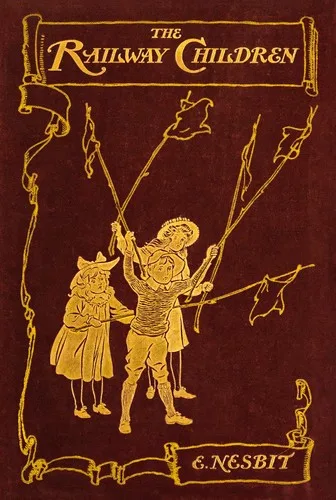





More Free Occult Philosophy Books
View all →