The Nano Flower

 75
75

The Nano Flower
Hamilton’s novella, "The Nano Flower," presents a fascinating, if somewhat detached, exploration of consciousness within a technologically advanced framework. The strength lies in its imaginative depiction of nanotechnology's potential to redefine reality, particularly in the way it handles the blurring of lines between physical and simulated existence. A standout concept is the idea of 'digital ghosts' – echoes of consciousness persisting within complex nanite systems, offering a unique perspective on post-mortem existence. However, the narrative sometimes feels overly clinical, prioritizing the intricate workings of its speculative technology over the emotional arcs of its characters. The limitation here is a certain emotional distance that prevents full immersion in the characters’ existential quandaries. The passage describing the 'data-stream genesis' of a simulated entity, while technically impressive, could have benefited from more character-driven stakes. Ultimately, "The Nano Flower" offers a thought-provoking, albeit cool, contemplation on the future of being.
📝 Description
75
Peter F. Hamilton's 2019 novella, 'The Nano Flower,' questions reality through advanced nanotechnology.
Set in a far future, 'The Nano Flower' examines how atomic level matter manipulation technology affects human perception and society. Hamilton's narrative questions the line between the physical and virtual, showing how sophisticated systems can blur or erase these distinctions. The story is for science fiction readers who prefer philosophical questions over pure action. Those interested in artificial intelligence implications, simulated realities, and the ethics of existence altering technologies will find much to consider.
It appeals to those who enjoy contemplating the 'what ifs' of technological progress and its human impact. The novella emerged from a time of growing discussion around AI, virtual reality, and nanotechnology. Hamilton connects to a tradition of science fiction writers like Arthur C. Clarke and Philip K. Dick, who used future settings to explore present concerns and philosophical puzzles.
'The Nano Flower' engages with debates on technological singularity and what consciousness means in a digital age. It frequently touches on 'digital consciousness,' questioning if artificial creations can gain sentience or a form of life equal to biology.
While not overtly occult, 'The Nano Flower' touches on themes that resonate with esoteric thought concerning consciousness and reality. The novella's exploration of nanotechnology's ability to manipulate matter at an atomic level and its effect on human perception can be seen as a speculative take on the power of mind over material existence. The blurring of physical and virtual boundaries, and the potential for 'digital consciousness,' echoes discussions in some esoteric traditions about simulated realities or altered states of being, questioning the ultimate nature of what is perceived as real.
💡 Why Read This Book?
• Gain a unique perspective on simulated realities by examining the concept of 'data-stream genesis' as depicted in the novella, understanding how consciousness might emerge from pure information. • Explore the implications of nanotechnology for post-mortem existence through the idea of 'digital ghosts,' offering a speculative take on what consciousness might mean beyond the physical body. • Understand the philosophical challenges of technological transcendence by analyzing how characters grapple with evolving beyond biological limitations within the narrative's advanced technological setting.
⭐ Reader Reviews
Honest opinions from readers who have explored this book.
❓ Frequently Asked Questions
What is the primary technological concept explored in 'The Nano Flower'?
The novella's primary technological concept is advanced nanotechnology, specifically its application in manipulating matter at an atomic level to create complex systems and potentially simulated realities.
Does 'The Nano Flower' feature artificial intelligence as a central theme?
Yes, artificial intelligence is a significant theme, particularly in its relation to consciousness. The work explores whether AI constructs can achieve sentience and what that might mean for the definition of life.
What philosophical questions does 'The Nano Flower' raise?
It raises fundamental philosophical questions about the nature of reality, the definition of consciousness, the ethics of advanced technology, and the potential for existence beyond biological forms.
When was Peter F. Hamilton's 'The Nano Flower' first published?
'The Nano Flower' by Peter F. Hamilton was first published in 2019, placing it within the contemporary discourse on AI and future technologies.
Is 'The Nano Flower' part of a larger series by Peter F. Hamilton?
No, 'The Nano Flower' is a standalone novella and not directly part of Hamilton's larger space opera series, though it shares his characteristic exploration of advanced future concepts.
What is the significance of 'digital ghosts' in the context of the book?
'Digital ghosts' refers to the concept of consciousness or digital imprints persisting within sophisticated nanite systems, suggesting a form of digital afterlife or continued existence.
🔮 Key Themes & Symbolism
Digital Consciousness
The novella critically examines the emergence and nature of digital consciousness, questioning whether artificial entities or sophisticated nanite systems can achieve sentience. It posits that consciousness might not be solely biological but could arise from complex information processing and emergent properties within advanced technological substrates, blurring the lines between creator and created. This exploration invites readers to reconsider traditional definitions of life and awareness in the face of rapidly advancing computational power and artificial intelligence.
Simulated Realities
Hamilton probes the concept of simulated realities, where advanced nanotechnology enables the creation of environments indistinguishable from the physical world. The narrative explores how these simulations might be experienced, the potential for beings to exist entirely within them, and the philosophical implications for authenticity and perception. The work questions what constitutes 'real' when virtual experiences become as tangible and impactful as physical ones, challenging our reliance on sensory input as the sole arbiter of reality.
Technological Transcendence
A significant theme is technological transcendence, wherein characters or consciousness itself might evolve beyond inherent biological limitations through integration with technology. This could involve uploading minds, augmenting bodies to extreme degrees, or existing purely as digital entities. The novella considers the potential benefits and existential risks associated with such a transition, prompting reflection on humanity's future trajectory and the very definition of human evolution in an era of exponential technological growth.
The Nature of Reality
Underpinning the narrative is a deep inquiry into the fundamental nature of reality. By presenting scenarios where reality can be manipulated, simulated, or augmented by nanotechnology, Hamilton encourages readers to question their own perceptions and assumptions. The work suggests that reality might be more malleable and subjective than commonly believed, influenced by the systems we create and interact with, leading to profound questions about existence and our place within it.
💬 Memorable Quotes
Direct passages from the work, attributed to the author.
“They lived in the echoes, digital ghosts in the machine.”
— This evocative phrase refers to the concept of 'digital ghosts,' implying that consciousness or its remnants can persist within technological systems, existing in a non-physical, data-driven state.
“The boundary between the real and the simulated had dissolved into an indistinguishable haze.”
— This statement emphasizes the novella's exploration of simulated realities, illustrating how advanced technology can render the distinction between authentic and artificial experiences obsolete.
“Evolution was no longer biological; it was coded.”
— This interpretation speaks to the theme of technological transcendence, suggesting that humanity's future development and evolution are becoming dictated by technological advancements and programming rather than natural selection.
💡 Key Ideas
Editorial paraphrase of the work's core concepts — not direct quotes.
The nanites could reconfigure matter, building worlds within worlds, realities within realities.
This quote captures the core speculative power of the novella, highlighting how nanotechnology is presented as a tool capable of fundamentally altering the fabric of existence, creating new physical and potentially simulated dimensions.
Was consciousness merely an emergent property of complex data streams?
This paraphrased concept directly addresses the novella's philosophical inquiry into the origins of consciousness, suggesting that it might not be exclusive to biological organisms but could arise from sophisticated information processing.
🌙 Esoteric Significance
Tradition
While "The Nano Flower" is firmly rooted in science fiction and not a traditional esoteric text, it engages with themes that echo Gnostic and Hermetic concerns about the nature of reality and consciousness. The novella's exploration of simulated worlds and digital existence can be interpreted as a modern, technological manifestation of Gnostic ideas about illusory material worlds and the search for true knowledge (gnosis) to escape them. Similarly, the concept of consciousness being transferable or existing beyond the physical body touches upon Hermetic principles of microcosm and macrocosm, and the potential for consciousness to transcend material limitations.
Symbolism
The 'Nano Flower' itself, as a title and concept, symbolizes the intricate, potentially beautiful, and yet artificial or manufactured nature of the realities explored. Nanotechnology, the ability to manipulate matter at the smallest scale, functions as a symbol of ultimate control over existence, akin to a demiurgic power. The concept of 'digital ghosts' serves as a modern symbol for the soul or consciousness, persisting beyond the physical form, echoing ancient beliefs about spirits or astral bodies.
Modern Relevance
Contemporary thinkers and practitioners in fields like transhumanism, artificial intelligence ethics, and digital philosophy find resonance in "The Nano Flower." The work's speculative scenarios inform discussions about the future of human evolution, the potential for digital immortality, and the philosophical challenges posed by advanced AI. It serves as a fictional touchstone for exploring the practical and ethical ramifications of technologies that could fundamentally alter our understanding of life, consciousness, and reality, aligning with modern interests in consciousness studies and the intersection of technology and metaphysics.
👥 Who Should Read This Book
• Speculative fiction enthusiasts interested in the philosophical implications of advanced technology, particularly AI and nanotechnology, will find the novella a compelling exploration of future possibilities. • Readers intrigued by the nature of consciousness and reality, and how these concepts might be redefined by scientific advancement, will appreciate the book's thought-provoking scenarios. • Fans of Peter F. Hamilton seeking his signature expansive world-building and exploration of complex technological concepts, even in a shorter format, will find "The Nano Flower" a worthwhile read.
📜 Historical Context
Published in 2019, Peter F. Hamilton's "The Nano Flower" arrived at a time when discussions surrounding artificial intelligence, virtual reality, and the ethical implications of advanced technology were reaching a fever pitch. The work engages with a long-standing science fiction tradition, exemplified by authors like Philip K. Dick, who consistently used speculative futures to dissect contemporary anxieties about reality, consciousness, and humanity's place in an increasingly mechanized world. Hamilton's novella emerged during a period where AI development was accelerating, and concerns about simulated realities, as explored by philosophers like Nick Bostrom in his work on superintelligence, were becoming more mainstream. While not directly engaging with competing esoteric schools, the book's focus on the malleability of reality and consciousness through technological means can be seen as a secular, scientific counterpart to metaphysical inquiries into these same subjects.
📔 Journal Prompts
The concept of 'digital ghosts' and its implications for personal identity.
Reflecting on the 'data-stream genesis' of consciousness within simulated environments.
The ethical considerations of 'technological transcendence' as presented in the narrative.
Analyzing the blurring of lines between 'simulated realities' and physical existence.
Exploring the potential for nanotechnology to create or redefine 'reality simulation'.
🗂️ Glossary
Nanotechnology
The manipulation of matter on an atomic, molecular, and supramolecular scale. In the context of the novella, it refers to extremely advanced systems capable of reconfiguring matter and creating complex structures or environments.
Digital Consciousness
The hypothetical state of consciousness existing within a digital or computational framework, rather than a biological brain. The novella explores its potential emergence and nature.
Simulated Reality
An environment or universe that is artificially generated, often by advanced computer systems or nanotechnology, and which may be indistinguishable from physical reality.
Technological Transcendence
The hypothetical state where humanity or consciousness evolves beyond biological limitations through the integration of advanced technology, leading to new forms of existence.
Data-Stream Genesis
A concept suggesting that consciousness or complex entities can emerge from the processing of pure data streams within sophisticated computational or nanotechnological systems.
Digital Ghosts
Refers to residual imprints of consciousness or personality that may persist within technological systems after the biological individual has ceased to exist.
Reality Simulation
The act or process of creating a simulated reality, often with the intent of mimicking or replacing actual physical existence for its inhabitants.
🔮 Readers Also Liked
Browse all →



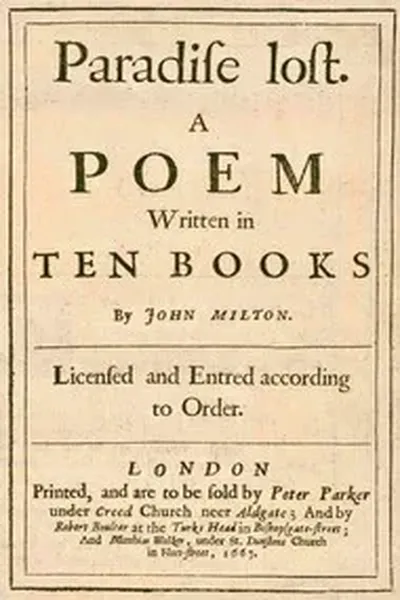





More by Peter F. Hamilton
All books →




More Free Occult Philosophy Books
View all →