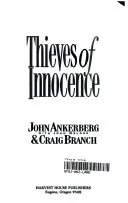
The Little Book of Affirmations
 75
75

The Little Book of Affirmations
Orange Hippo!'s 'The Little Book of Affirmations' offers a straightforward, accessible entry point into the practice of positive self-suggestion. Its strength lies in its sheer volume and variety of affirmations, covering broad areas from health to abundance. The text consistently champions the Law of Attraction, a concept popularized by early 20th-century New Thought authors like Wallace Wattles. However, the book's primary limitation is its lack of deeper exploration into *why* these affirmations might work beyond mere assertion; it presents the mechanism without much theoretical underpinning. A particularly effective section offers affirmations for attracting peace, which, while simple, provides a tangible benefit for the anxious reader. This book serves as a functional toolkit for those new to affirmations, but it may leave seasoned practitioners seeking more nuanced guidance. It is a practical, if not deeply analytical, guide to cultivating positivity.
📝 Description
75
Published in 2022, 'The Little Book of Affirmations' collects positive statements to counter negative self-talk.
'The Little Book of Affirmations,' released in 2022 by Orange Hippo!, offers a selection of positive statements. These are intended to combat negative self-talk, reduce anxiety, and encourage a more positive outlook. The book operates on the idea that focused, positive thoughts can help bring about desired results, aligning with concepts like the Law of Attraction. This volume is for individuals looking for practical methods to improve their mental well-being and personal development. It appeals to those interested in self-help, mindfulness, and the effects of positive thinking on the psyche. Anyone experiencing self-doubt, stress, or a wish to attract abundance, healing, or peace will find it useful.
The book's core idea is the strength of affirmations as a psychological and potentially metaphysical instrument. It touches on the Law of Attraction, proposing a connection between a person's thoughts and their outer circumstances. The goal is to alter internal conversations, achieve balance between mind and body, and provide readers with daily exercises to attract specific positive outcomes such as health and prosperity.
While a recent publication, 'The Little Book of Affirmations' connects to a history of self-improvement and New Thought literature. The use of affirmations grew notably in the late 19th and early 20th centuries. Key figures like Wallace Wattles and the broader New Thought movement championed spiritual and mental healing through the power of belief.
💡 Why Read This Book?
• Learn practical techniques for dispelling negative self-talk, a core component of early 20th-century New Thought philosophy, enabling you to reframe your inner dialogue. • Harness the Law of Attraction, a concept central to this work, to consciously attract desired outcomes such as healing and abundance into your daily experience. • Discover daily affirmations specifically designed to promote balance and resilience, offering concrete phrases to help you face life's challenges with a more centered mindset.
⭐ Reader Reviews
Honest opinions from readers who have explored this book.
❓ Frequently Asked Questions
What is the core principle behind 'The Little Book of Affirmations'?
The book is based on the Law of Attraction, the idea that positive thoughts and affirmations can attract positive results and manifest desired outcomes like health, healing, and abundance into your life.
When was 'The Little Book of Affirmations' first published?
The book was first published on September 29, 2022, by Orange Hippo!.
How can affirmations help with anxiety?
Affirmations work by countering negative self-talk and soothing anxiety with positive, intentional statements. Regular practice can help reframe thought patterns, promoting a sense of peace and mental balance.
What kind of results can one expect from using these affirmations?
The book suggests affirmations can help attract health, healing, abundance, and peace. They are intended to balance mind and body, fostering resilience and a more positive outlook on life's challenges.
Is this book related to any specific philosophical or spiritual movements?
Yes, it draws heavily on the principles of the Law of Attraction and the broader New Thought movement, which emphasizes the power of the mind to influence reality.
Who is the author of 'The Little Book of Affirmations'?
The author is credited as Orange Hippo!, a collective known for producing inspirational and self-help titles.
🔮 Key Themes & Symbolism
Law of Attraction
This theme explores the core tenet that positive thoughts and affirmations can directly influence one's external reality. The book posits that by consistently focusing on desired outcomes—be it health, wealth, or peace—individuals can attract these conditions into their lives. This principle, popularized by the New Thought movement, suggests a reciprocal relationship between inner beliefs and outer circumstances, encouraging deliberate cultivation of positive mental states.
Combating Negative Self-Talk
A significant focus is placed on identifying and neutralizing detrimental internal dialogue. The affirmations provided are designed as direct antidotes to self-doubt, anxiety, and limiting beliefs. By replacing negative thought patterns with empowering statements, the book aims to foster self-compassion, build confidence, and create a more resilient psychological framework for facing life's difficulties.
Mind-Body Balance
The work emphasizes the interconnectedness of mental and physical well-being. Affirmations are presented not just as cognitive tools but as means to achieve holistic balance. By harmonizing the mind through positive reinforcement, the book suggests that individuals can promote healing, reduce stress-related physical symptoms, and enhance their overall vitality, leading to a more integrated sense of self.
Manifestation Practices
This theme centers on the practical application of affirmations for manifesting specific goals. The book offers guidance on using these statements daily to attract abundance, healing, and peace. It encourages readers to view affirmations as active tools for co-creating their reality, aligning their intentions with actions and beliefs to bring about desired changes.
💬 Memorable Quotes
Direct passages from the work, attributed to the author.
“Affirmations to attract health, healing, abundance and peace into your life.”
— This statement expresses the book's primary objective: to provide users with tools for conscious manifestation. It highlights the specific domains—health, healing, abundance, and peace—that the affirmations are designed to influence, framing the practice as a method for actively shaping one's reality.
“Harness the power of positive thinking with affirmations that you can use every day.”
— This emphasizes the actionable nature of the book's content. It positions positive thinking, amplified through daily affirmations, as a potent force capable of yielding tangible benefits, encouraging consistent engagement with the practice.
“These affirmations – based on the law of attraction, that positive thoughts will bring positive results.”
— This directly links the practice of affirmations to the Law of Attraction. It explains the underlying philosophy: a belief that mental focus and positive ideation are causal factors in generating favorable outcomes in one's life.
“Balance your mind and body and help you face challenges in your life by encouraging balance, resilience.”
— This highlights the holistic benefit of using affirmations. It suggests that the practice contributes to psychological equilibrium and emotional fortitude, equipping individuals with the inner resources needed to navigate adversity effectively.
“Dispel negative self-talk, soothe anxiety and promote positivity.”
— This phrase outlines the therapeutic applications of the affirmations. It presents them as a means to alleviate common psychological distress, fostering a more optimistic and mentally stable state for the practitioner.
🌙 Esoteric Significance
Tradition
This work draws heavily from the New Thought tradition, a spiritual, philosophical, and health movement that gained prominence in the United States during the late 19th and early 20th centuries. While not strictly Hermetic or Gnostic, New Thought shares common ground with esotericism through its emphasis on the power of the mind, the concept of a universal creative force (often equated with God or Spirit), and the belief in direct, individual access to divine wisdom and power.
Symbolism
While the book itself may not be rich in overt symbolism, the core concept of affirmation functions symbolically. The spoken or written word becomes a vehicle for intention, representing the power of focused consciousness to shape reality. The 'attraction' of health, abundance, or peace can be seen as a symbolic representation of aligning one's inner state with the desired outer manifestation, akin to alchemical transmutation of base thoughts into golden outcomes.
Modern Relevance
Contemporary thinkers and practitioners in fields like positive psychology, manifestation coaching, and mindfulness frequently utilize principles found in this book. Its accessible approach to affirmations and the Law of Attraction makes it relevant to modern self-help gurus and individuals seeking practical tools for mental well-being and personal development, bridging esoteric concepts with mainstream wellness practices.
👥 Who Should Read This Book
• Individuals new to self-help and positive psychology who seek simple, actionable tools to manage stress and improve their outlook. • Those interested in the Law of Attraction and New Thought principles who want practical affirmations to supplement their understanding and practice. • Anyone experiencing persistent negative self-talk or anxiety and looking for accessible, daily exercises to foster a more positive internal dialogue.
📜 Historical Context
Published in 2022, 'The Little Book of Affirmations' emerges in an era where self-help and mental wellness literature are highly prevalent. Its core concepts align with the enduring influence of the New Thought movement, which saw its heyday in the late 19th and early 20th centuries. Figures like Wallace Wattles, whose 1910 book 'The Science of Getting Rich,' championed similar ideas about the power of thought to create wealth and well-being. While Wattles and others focused on spiritual principles, contemporary works like this one often integrate psychological perspectives. Unlike the more overtly religious or philosophical texts of early New Thought, this book leans towards secular self-improvement and practical application. Its reception is part of a broader cultural trend valuing mindfulness and positive psychology, a stark contrast to the more skeptical or materialist intellectual currents prevalent in earlier decades.
📔 Journal Prompts
The Law of Attraction: How have your dominant thoughts influenced recent events?
Dispelling negative self-talk: Identify one recurring negative thought and create a counter-affirmation.
Attracting abundance: What does 'abundance' mean to you beyond financial wealth?
Promoting positivity: How can practicing affirmations daily shift your emotional state?
Mind-body balance: Reflect on a time your mental state directly impacted your physical well-being.
🗂️ Glossary
Affirmation
A positive statement, typically stated in the present tense, designed to challenge or overcome negative or irrational thoughts and to encourage positive changes in one's life.
Law of Attraction
A principle suggesting that positive or negative thoughts bring positive or negative experiences into a person's life. It posits that like attracts like and that focusing on desired outcomes can manifest them.
Negative Self-Talk
The internal dialogue characterized by criticism, doubt, and pessimism directed towards oneself, often undermining confidence and well-being.
Anxiety
A feeling of worry, nervousness, or unease, typically about an imminent event or something with an uncertain outcome. In this context, affirmations aim to soothe and reduce this feeling.
Positivity
The quality of being optimistic and confident; the practice of focusing on the good in any situation.
Mind-Body Balance
The concept that mental and physical health are interconnected and influence each other. Achieving balance is seen as crucial for overall well-being.
Resilience
The capacity to recover quickly from difficulties; toughness. Affirmations are presented as a tool to build this capacity.




![All Things Ancient Egypt [2 volumes]](/img/thumb/all-things-ancient-egypt-2-volumes-lisa-k-sabbahy-855122.webp)