The Last Oracle
 74
74

The Last Oracle
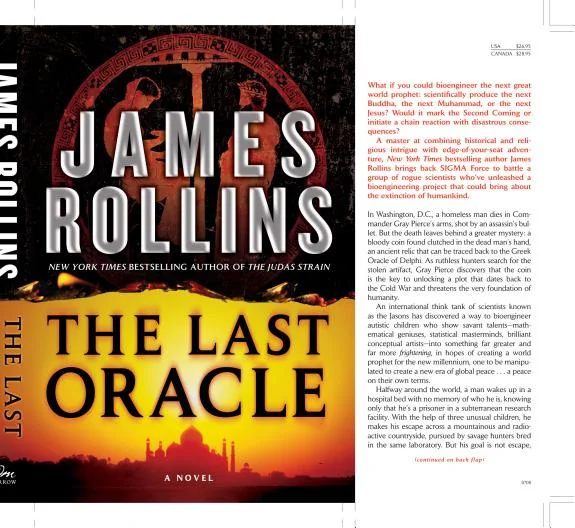
James Rollins' The Last Oracle doesn't just present a conspiracy; it weaponizes it. The premise – the bioengineering of a world prophet – is audacious, a speculative leap that fuels the narrative's relentless pace. Rollins excels at juxtaposing ancient mysteries with cutting-edge science, a signature that usually makes his SIGMA Force series so compelling. Here, the strength lies in the sheer audacity of the antagonist's plan and the global stakes it creates. However, the sheer complexity of the scientific and religious threads occasionally feels overstuffed, with some plot mechanics requiring significant suspension of disbelief. A passage detailing the potential impact of a scientifically manufactured messiah on global politics and faith systems particularly stands out, highlighting the novel's thematic ambition. While the action is propulsive, the ethical quandaries it raises are what linger, even if not always fully resolved. The Last Oracle is a high-octane thriller that dares to ask 'what if?' on a cosmic scale.
📝 Description
74
James Rollins' 2008 thriller, The Last Oracle, imagines scientists bioengineering religious prophets.
The novel follows the SIGMA Force as they uncover a conspiracy by scientists seeking to create a new religious leader through genetic manipulation. This ambitious project raises questions about the boundary between scientific progress and religious belief, with the potential for widespread global disruption. The plot interweaves historical artifacts, ancient prophecies, and contemporary scientific ideas.
Readers who enjoy action thrillers with an intellectual bent will find this story engaging. It combines historical mystery and rapid adventure, similar to works by Dan Brown. The book also appeals to those interested in speculative fiction that examines the intersection of science, religion, and humanity's future. It tackles ethical dilemmas related to genetic engineering and faith.
Published in 2008, The Last Oracle reflects anxieties surrounding rapid advancements in genetic engineering. The concept of 'prophet engineering' — the scientific creation of figures with the perceived divine connection of historical prophets — confronts readers with speculative ideas about faith and human intervention. The novel taps into contemporary concerns about the ethical limits of science and its potential to alter societal and religious structures, echoing themes explored in speculative fiction concerning humanity's control over destiny.
💡 Why Read This Book?
• Learn about the ethical dilemmas of genetic engineering applied to religious figures, as explored through the 'prophet engineering' concept that drives the plot. • Discover how historical artifacts and religious texts are presented as containing scientific keys, a narrative device seen throughout the book's exploration of ancient mysteries. • Experience the thrill of a global adventure that pits SIGMA Force against a dangerous scientific ambition, mirroring the speculative science fiction trends of the late 2000s.
⭐ Reader Reviews
Honest opinions from readers who have explored this book.
❓ Frequently Asked Questions
What is the central premise of James Rollins' The Last Oracle?
The novel's core idea involves a clandestine group of scientists attempting to bioengineer the next major world prophet, aiming to scientifically produce a figure akin to Jesus or Muhammad, raising profound ethical and global implications.
What are the main organizations or groups involved in The Last Oracle?
The primary protagonists are SIGMA Force, a covert operations unit, who are pitted against a shadowy consortium of rogue scientists and potentially other global factions interested in controlling or exploiting the 'prophet engineering' project.
Does The Last Oracle incorporate real historical or religious elements?
Yes, the book weaves in historical intrigue and religious prophecies, often using ancient artifacts and texts as plot devices that connect to the central scientific conspiracy, a common technique in Rollins' thrillers.
What kind of scientific concepts are explored in The Last Oracle?
The novel delves into speculative genetic engineering and biotechnology, focusing on the theoretical possibility of creating individuals with specific, influential traits, pushing the boundaries of current scientific understanding.
Is The Last Oracle part of a series?
Yes, The Last Oracle is part of James Rollins' SIGMA Force series, featuring recurring characters and an ongoing narrative structure, though it can often be read as a standalone thriller.
What is the publication year of The Last Oracle?
The Last Oracle was first published on June 24, 2008, placing it within the late 2000s era of techno-thrillers and speculative fiction.
🔮 Key Themes & Symbolism
The Ethics of Creation
The novel confronts the profound ethical quandaries arising from the ability to scientifically engineer human beings, particularly when the goal is to create a figure of religious significance. It questions whether divinity can be manufactured and explores the potential for hubris in such an endeavor. The narrative forces readers to consider the implications of playing God, the definition of faith, and the potential for unintended consequences when science oversteps perceived natural or spiritual boundaries.
Faith vs. Science
Fundamentally, The Last Oracle examines the perennial tension between scientific rationalism and religious faith. The central premise of bioengineering a prophet directly challenges traditional notions of divine inspiration and chosen individuals. The book explores how scientific advancements might be interpreted through religious lenses, or conversely, how religious doctrines could be re-examined in light of new scientific possibilities, creating a dynamic interplay between these two fundamental aspects of human experience.
Ancient Secrets and Future Technology
Rollins frequently employs the trope of ancient artifacts and forgotten knowledge holding keys to future technologies or critical information. In The Last Oracle, this theme manifests as historical clues and prophecies potentially guiding or warning against the bioengineering project. This suggests a cyclical view of history where humanity repeatedly grapples with similar existential questions, albeit with different tools and understanding, linking past wisdom to present-day technological challenges.
Global Conspiracy and Control
The narrative is driven by a high-stakes global conspiracy, where powerful entities seek to control or exploit a revolutionary scientific breakthrough for their own ends. This theme taps into common anxieties about hidden powers manipulating world events and the potential for advanced technology to be used for domination rather than betterment. The race against time to thwart the conspirators' plans forms the backbone of the thriller's suspense.
💬 Memorable Quotes
Direct passages from the work, attributed to the author.
“The ambition to scientifically produce the next Buddha, Muhammad, or Jesus.”
— This core concept highlights the audacious, almost blasphemous, goal of the antagonists. It frames the narrative around the ultimate intersection of advanced science and deep-seated human spirituality, questioning the very nature of prophecy and divine calling.
“A bioengineering project that could bring about the ex...”
— This unfinished thought from the blurb suggests the immense, potentially catastrophic, consequences of the rogue scientists' work. It implies that their creation could lead to an end of an era, a fundamental shift in global order, or even a form of apocalypse.
“Combining historical and religious intrigue with edge-of-your-seat adventure.”
— This describes Rollins' signature writing style, indicating that the book will not only feature thrilling action sequences but will also be deeply rooted in explorations of ancient mysteries and religious lore, appealing to a broad audience.
“SIGMA Force to battle a group of rogue scientists.”
— This establishes the central conflict: a highly skilled, covert military unit confronting brilliant but morally compromised scientists. It sets up a dynamic where tactical expertise clashes with scientific ambition and ethical ambiguity.
“Would it mark the Second Coming or initiate a chain reaction with disastrous consequences?”
— This rhetorical question captures the novel's central dilemma. It poses the ultimate dichotomy: is this scientific endeavor a path to salvation or destruction, forcing readers to contemplate the profound moral and existential stakes involved.
🌙 Esoteric Significance
Tradition
While not strictly adhering to a single esoteric lineage, The Last Oracle draws heavily on themes prevalent in Gnosticism and Hermeticism, particularly the idea of humanity's potential to achieve god-like powers through knowledge and manipulation of the material world. The concept of 'prophet engineering' echoes Gnostic notions of false demiurges or attempts to bypass natural divine processes. It also touches upon Hermetic principles of 'As Above, So Below,' suggesting that understanding and manipulating fundamental principles (like genetics) can lead to profound, world-altering outcomes.
Symbolism
The 'prophet' itself functions as a potent symbol, representing divine connection, spiritual authority, and the collective unconscious's search for meaning. The act of bioengineering such a figure symbolizes humanity's ultimate hubris and the desire to control or replicate that which is considered sacred or divinely ordained. Ancient artifacts and prophecies serve as symbols of enduring wisdom or warnings from the past, suggesting that humanity's struggles with faith, power, and knowledge are cyclical and deeply ingrained.
Modern Relevance
In contemporary discussions around AI consciousness, transhumanism, and advanced bioengineering, The Last Oracle's themes remain highly relevant. Thinkers and practitioners exploring the ethical boundaries of artificial intelligence, genetic modification (like designer babies), and the potential for technology to fundamentally alter human consciousness or societal structures find traces of Rollins' narrative. The book serves as a cautionary tale and a thought experiment for those involved in fields like bioethics, futurism, and speculative philosophy.
👥 Who Should Read This Book
• Thriller enthusiasts seeking a blend of high-octane action and intellectual puzzles, particularly those who enjoy Dan Brown's historical mysteries. • Readers interested in speculative fiction that explores the intersection of cutting-edge science, religion, and ethics, pondering the consequences of bioengineering. • Fans of James Rollins' SIGMA Force series looking for another globe-trotting adventure that combines historical intrigue with modern military operations.
📜 Historical Context
The Last Oracle, released in 2008, arrived during a central moment in public perception of genetic science. Advances in gene sequencing and early discussions around gene editing technologies like CRISPR (though not yet mainstream) fueled both fascination and fear. This era saw a surge in techno-thrillers, with authors like Michael Crichton often exploring the potential downsides of unchecked scientific progress. Rollins' novel tapped into this zeitgeist, posing a provocative question about the limits of human intervention in fundamental aspects of life and belief. The book's premise resonated with anxieties about scientific overreach, mirroring debates surrounding stem cell research and cloning prevalent at the time. While specific reception events like major awards or widespread censorship are not widely noted for this particular title, its release contributed to a broader literary conversation about the ethical field of emerging biotechnologies, placing it alongside other contemporary speculative fiction grappling with similar themes.
📔 Journal Prompts
The ambition to bioengineer a prophet: Reflect on the ethical implications of attempting to artificially create spiritual leaders.
SIGMA Force's role in global crises: Consider the balance between covert operations and the potential for unintended global consequences.
The interpretation of ancient prophecies in a modern scientific context: How might historical texts inform or conflict with contemporary technological ambitions?
The concept of 'faith engineering': What are the dangers of manipulating deeply held beliefs through scientific means?
The potential for scientific advancement to be perceived as divine intervention: Explore the blurring lines between human creation and perceived miracles.
🗂️ Glossary
SIGMA Force
A fictional elite special operations unit within the U.S. government, tasked with addressing extraordinary threats, often involving science, history, and international intrigue.
Prophet Engineering
The central speculative concept in the novel, referring to the scientific endeavor of bioengineering individuals intended to possess the characteristics and influence of historical religious prophets.
Bioengineering
The use of engineering principles and biological knowledge to design, create, or modify biological systems, organisms, or their components.
Second Coming
A theological concept, particularly in Christianity, referring to the anticipated future return of Jesus Christ to Earth. The novel uses this to frame the potential impact of engineered prophets.
Rogue Scientists
Individuals with advanced scientific knowledge who operate outside ethical guidelines or governmental oversight, often pursuing dangerous or morally questionable research.
Genetic Manipulation
The process of altering the genetic makeup of an organism, often through biotechnology, to achieve specific traits or outcomes.
Historical Artifacts
Objects made by humans in the past, often possessing historical or cultural significance, frequently used in thrillers as clues or plot devices.
This book appears in 1 collection
🔮 Readers Also Liked
Browse all →









From the “Secret Societies” Collection
View all →







More Free Occult Philosophy Books
View all →