The language of letting go
 82
82

The language of letting go
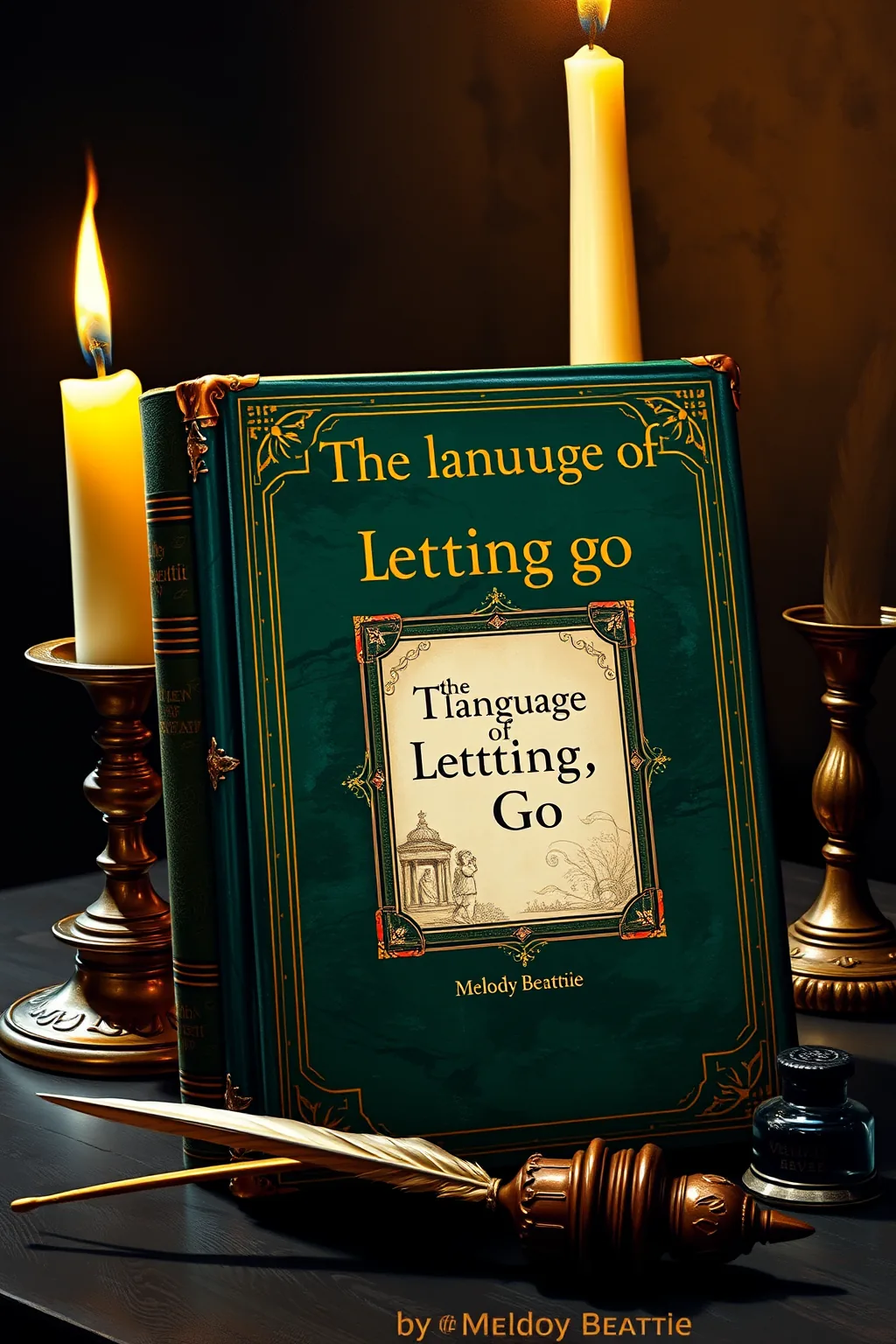
Melody Beattie’s 1990 work, *The Language of Letting Go*, approaches the often-arduous process of emotional detachment with a disarming gentleness. Its strength lies in its consistent, accessible prose that demystifies complex psychological concepts into digestible daily affirmations. Beattie’s central argument—that true freedom comes from ceasing to control the uncontrollable—is both simple and profound. However, the book’s very accessibility can, at times, feel repetitive; the core message is reiterated through various lenses, which might test the patience of some readers seeking greater theoretical depth. A particularly effective passage discusses the idea of 'worrying,' framing it as a form of prayer that attracts what we fear, a concept that is both counter-intuitive and powerfully illustrative of the book's core tenets. For those caught in cycles of anxiety and control, this book offers a clear, actionable path toward peace.
📝 Description
82
Melody Beattie's *The Language of Letting Go* was published in 1990.
This book presents meditations and advice for personal recovery and emotional freedom. It guides readers to disengage from unhealthy dependencies and regain autonomy. The core idea is that releasing the need to control situations, people, and outcomes is vital for spiritual growth and mental health.
It is written for individuals struggling with codependency, addiction, or compulsive caretaking. The book speaks to those who feel bound by relationships, their past, or their own thinking. Readers seeking self-acceptance, peace, and healthy boundaries will find its counsel pertinent. It is for people ready to address enabling behaviors and live more authentically.
Published in 1990, the book emerged during a time of growing awareness about codependency, influenced by Beattie's own work and the recovery movement. This period saw increased interest in the psychological and spiritual aspects of addiction and its family impacts. Beattie's perspective, grounded in recovery programs, offered a broader spiritual viewpoint distinct from clinical texts.
While rooted in the practicalities of 12-step recovery, *The Language of Letting Go* taps into a spiritual tradition emphasizing surrender and acceptance. It aligns with concepts found in various spiritual paths that advocate for detachment from outcomes and trust in a larger order. The book's focus on relinquishing the need for control and finding peace through acceptance echoes themes present in contemplative traditions and philosophies that view external circumstances as largely beyond individual manipulation.
💡 Why Read This Book?
• You will learn the distinction between caring for yourself and enabling others, a critical insight articulated through the book's repeated emphasis on recognizing your own needs, a concept central to the 1990 publication. • You will gain practical strategies for managing anxiety by actively choosing to release the need for external control, a method detailed throughout the book's meditations. • You will discover a framework for spiritual surrender, understanding how relinquishing the illusion of total control can lead to inner peace, a theme Beattie explores extensively.
⭐ Reader Reviews
Honest opinions from readers who have explored this book.
❓ Frequently Asked Questions
What is the core message of Melody Beattie's 'The Language of Letting Go'?
The core message is that true freedom and peace are found by learning to release the need to control people, situations, and outcomes. It teaches that letting go is an active process of surrender and acceptance, not passive resignation.
Who is Melody Beattie and what is her background?
Melody Beattie is an American author known for her work on codependency and recovery. Her books, including 'The Language of Letting Go' (1990), draw from her personal experiences and her involvement in recovery programs.
How does 'The Language of Letting Go' differ from other self-help books?
It distinguishes itself through its spiritual perspective and its focus on gentle, consistent guidance. While many self-help books offer strategies, Beattie emphasizes a process of surrender and trust, often referencing a 'higher power.'
Can 'The Language of Letting Go' help with anxiety?
Yes, the book provides techniques for managing anxiety by shifting focus from uncontrollable external factors to internal acceptance and self-care. It encourages readers to stop 'worrying' and instead focus on what they can control: their reactions and choices.
What is 'codependency' as discussed in the book?
Codependency, as explored in the book, refers to unhealthy relationship patterns where individuals enable others' addiction or dysfunction, often at the expense of their own well-being. Letting go involves detaching from these enabling behaviors.
Is this book suitable for someone new to self-help or spiritual growth?
Absolutely. Its clear language and daily-meditation format make it accessible for newcomers. The book guides readers through fundamental concepts of self-awareness and emotional regulation without requiring prior knowledge.
🔮 Key Themes & Symbolism
The Practice of Surrender
This theme explores the active, conscious decision to release the need to control external circumstances and people. It’s not about apathy, but about recognizing one's limitations and trusting in a larger order. The book guides readers through understanding that while we cannot control external events, we can control our reactions and inner state. This concept is fundamental to achieving serenity, as articulated in the work first published in 1990.
Boundary Setting
A crucial aspect of letting go involves establishing and maintaining healthy boundaries. This theme addresses the difficulty many face in saying 'no' or asserting their needs, often due to fear of rejection or a desire to please. The book provides a framework for understanding that boundaries are acts of self-respect and are essential for healthy relationships, allowing individuals to protect their energy and well-being.
Self-Care and Self-Love
Central to the philosophy of letting go is the cultivation of self-care and self-love. The work argues that individuals cannot effectively support others or navigate life's challenges without first tending to their own physical, emotional, and spiritual needs. This theme encourages readers to prioritize their well-being, recognize their inherent worth, and treat themselves with the same compassion they might offer a loved one.
Spiritual Trust
The book consistently points towards a reliance on a higher power or the universe's unfolding. This theme encourages readers to move beyond reliance on their own limited perspective and to trust in a benevolent force guiding life. It’s about finding comfort and strength in something larger than oneself, particularly during times of uncertainty or distress, fostering a sense of hope and resilience.
💬 Memorable Quotes
Direct passages from the work, attributed to the author.
“We can learn to let go of the idea that we have to control everything.”
— This highlights the core principle of the book: challenging the pervasive human tendency to micromanage life. It suggests that relinquishing this need for absolute control is a learning process, essential for achieving peace and freedom.
“We are not responsible for other people’s feelings.”
— This is an important concept for codependent individuals. It clarifies that while empathy is valuable, taking on the emotional burden of others is neither healthy nor sustainable. It encourages detachment from others' emotional states.
“Letting go means accepting that you cannot control everything.”
— This interpretation emphasizes the acceptance aspect of 'letting go.' It’s about acknowledging reality and surrendering the struggle against what is, rather than fighting for control over the uncontrollable.
“The goal is to learn to live in the present.”
— This points to mindfulness and presence as key outcomes of practicing 'letting go.' By releasing worries about the past or future, individuals can fully engage with and appreciate their current experience.
“We can recover by learning to let go.”
— This phrase directly connects the practice of letting go to the process of healing and recovery from various forms of distress, particularly codependency and addiction, framing it as a central therapeutic tool.
🌙 Esoteric Significance
Tradition
While not explicitly tied to a single esoteric lineage, *The Language of Letting Go* draws heavily from principles found in various spiritual traditions that emphasize surrender and detachment. Its focus on a 'higher power' echoes concepts found in 12-step programs influenced by Christian theology and also speaks to Stoic philosophy and Eastern meditative practices like Buddhism, which advocate for non-attachment to outcomes and acceptance of impermanence.
Symbolism
The central 'symbol' is the act of 'letting go' itself, representing the release of egoic control and the embrace of flow. Another motif is the concept of 'worrying,' often framed as a negative form of prayer or visualization that attracts unwanted outcomes. The book implicitly uses the symbol of 'boundaries' as protective energetic shields, essential for maintaining one's center amidst external pressures. These symbols collectively point towards inner sovereignty.
Modern Relevance
Beattie's work remains highly relevant today, influencing modern therapeutic approaches to anxiety, addiction, and burnout. Concepts like 'detachment,' 'boundaries,' and 'self-care' are now mainstream in wellness discourse. Contemporary mindfulness practitioners, life coaches, and therapists often cite or implicitly draw upon the principles laid out in her books, demonstrating their enduring impact on how individuals approach personal growth and emotional well-being in the 21st century.
👥 Who Should Read This Book
• Individuals struggling with codependency or enabling behaviors, who will find practical guidance on detaching healthily from others' problems and focusing on their own well-being. • Those experiencing anxiety and a persistent need for control, who can learn techniques to foster acceptance and peace by relinquishing the illusion of total mastery. • Spiritual seekers looking for accessible ways to integrate concepts of surrender and trust in a higher power into their daily lives, moving beyond rigid self-reliance.
📜 Historical Context
Published in 1990, *The Language of Letting Go* emerged at a peak of cultural engagement with the concepts of codependency and recovery, a movement significantly influenced by the self-help literature of the 1980s. Melody Beattie’s work gained considerable traction, often discussed alongside popular psychology and spiritual self-help guides of the era. While figures like John Bradshaw were articulating the impact of childhood trauma on adult behavior, Beattie's approach offered a more directly actionable, spiritually infused pathway focused on the mechanics of detachment. The book resonated widely within recovery communities and beyond, providing accessible language for complex emotional and psychological challenges. Its reception was overwhelmingly positive, cementing Beattie’s status as a leading voice in the field of personal growth, though some critics might argue for more rigorous psychological underpinnings compared to academic texts.
📔 Journal Prompts
Reflect on a situation where the practice of 'letting go' could alter your emotional response.
Consider the concept of 'boundaries' and identify one area where yours may be weak.
How does the idea of 'worrying' as a form of prayer apply to your current concerns?
Explore the meaning of 'self-care' in the context of releasing responsibility for others.
Identify one outcome you are trying to control and brainstorm ways to practice acceptance.
🗂️ Glossary
Codependency
An unhealthy relationship pattern characterized by excessive emotional or psychological reliance on a partner, often involving enabling destructive behaviors and neglecting one's own needs.
Letting Go
The active process of releasing the need to control people, situations, or outcomes, fostering acceptance and peace by surrendering to the natural flow of life.
Boundaries
Limits and guidelines established to protect one's emotional, physical, and mental well-being within relationships and interactions.
Higher Power
A concept, often central to recovery programs, representing a spiritual force or guiding principle greater than oneself, in which one can place trust.
Serenity
A state of mental and emotional calm, peace, and freedom from disturbance, often achieved through acceptance and letting go of control.
Enabling
Behaviors that unintentionally support or perpetuate another person's dysfunctional or addictive patterns, often stemming from a desire to help.
Detachment
Maintaining emotional objectivity and freedom from excessive emotional involvement, especially in difficult situations or relationships, without losing compassion.
🔮 Readers Also Liked
Browse all →









More by Melody Beattie
All books →


More Free Spiritual Development Books
View all →