The History of the Holy Grail, Englisht, Ab
 75
75

The History of the Holy Grail, Englisht, Ab
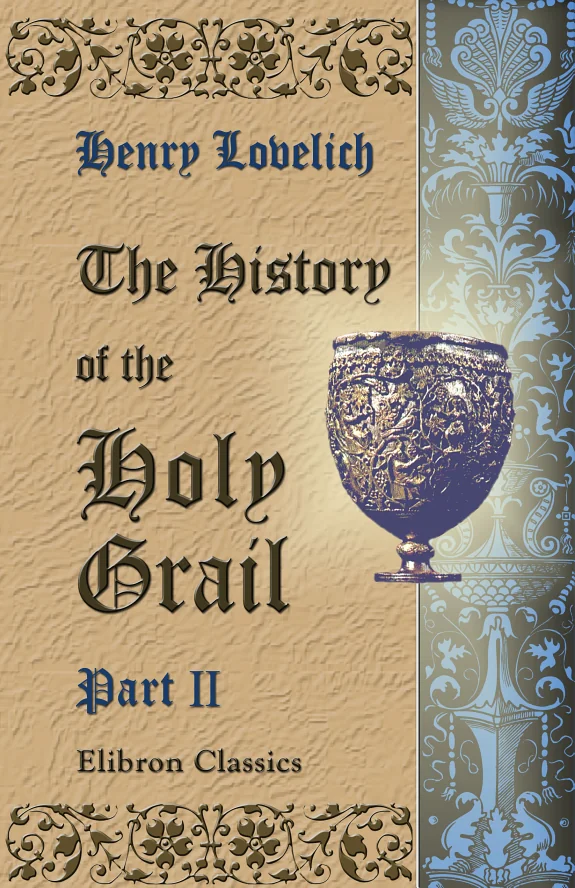
Robiers De Borron and Henry Lovelich's compilation, as presented in this 1875 edition, offers a valuable, if dense, scholarly look at the English Grail tradition. Its strength lies in its direct engagement with the source material, allowing readers to see the evolution of the myth through early prose narratives. The meticulousness of the 19th-century scholarship, however, can also be a hurdle; the prose is often dense and assumes a familiarity with medieval literary conventions. A particularly illuminating section details the lineage of the Perlesvaus, offering concrete textual evidence for its influence. While lacking modern critical frameworks, its archival value is undeniable for anyone serious about the Grail's textual history. It serves as a crucial, albeit challenging, stepping stone for understanding the legend's early English life.
📝 Description
75
This 1875 edition republishes early English prose romances about the Holy Grail.
The History of the Holy Grail, Englisht, Ab collects and examines early English prose narratives that shaped the enduring myth of the Grail. This volume, originally published by N. Trübner & Co. in 1875, is a reprint aimed at scholars and students of medieval literature, Arthurian studies, and comparative mythology.
It focuses specifically on the English tradition of the Grail story, distinguishing it from continental versions. The work emerged during the mid-19th century, a time of revived scholarly interest in medieval romances and folklore. This book contributes to that academic resurgence by analyzing the development of the Grail narrative, its potential origins, and its Christianization, with particular attention to figures like Joseph of Arimathea and the early quests. It also scrutinizes the textual lineage and variations among different versions of the story.
This work engages with the historical development of Christian esoteric traditions surrounding the Grail. While published in the 19th century, it analyzes medieval texts that contributed to the mythos of the Grail as a sacred vessel and object of spiritual quest. The focus on early English prose romances situates it within the lineage of Arthurian literature that often contained allegorical and mystical elements, predating later occult interpretations but laying groundwork for them.
💡 Why Read This Book?
• Gain insight into the specific textual evolution of the Holy Grail legend within English literature, distinct from continental romances, as detailed in the analysis of early prose works. • Understand the scholarly approach to Arthurian myth in the late 19th century, exemplified by the 1875 publication context and its focus on textual lineage. • Explore the concept of Joseph of Arimathea's role in the Grail's early narrative, a key figure whose presence is examined across the analyzed English texts.
⭐ Reader Reviews
Honest opinions from readers who have explored this book.
❓ Frequently Asked Questions
What is the primary focus of 'The History of the Holy Grail, Englisht, Ab'?
This book focuses on the early English prose romances concerning the Holy Grail, analyzing their narratives and textual development from their origins through their Christianized forms.
Who were the original authors or compilers associated with the Grail stories discussed?
The work references Robiers De Borron and Henry Lovelich, key figures in the development of the Grail romances, whose narratives form the basis of this study.
When was the original edition of this work published?
The original edition, a reprint of which this Elibron Classics title is based upon, was published by N. Trübner & Co. in London in 1875.
What distinguishes the English Grail tradition discussed in this book?
The book highlights the specific evolution of the Grail narrative within English literature, examining how it was adapted and transformed in early prose romances compared to continental versions.
Is this book a retelling of the Grail story or a scholarly analysis?
It is primarily a scholarly analysis of the early English Grail romances, examining their historical context, textual lineage, and conceptual development rather than a simple retelling.
What role does Joseph of Arimathea play in the narratives presented?
The text explores the significant role of Joseph of Arimathea in the early English Grail narratives, tracing his introduction and function within the developing mythos.
🔮 Key Themes & Symbolism
Textual Lineage of the Grail
The work meticulously traces the development of the Holy Grail narrative through its early English prose versions. It highlights how authors like Robiers De Borron and Henry Lovelich contributed distinct elements, examining the relationships between different texts and the evolution of key plot points and characters. This focus on textual genealogy is crucial for understanding how the legend solidified in the English literary tradition before later interpretations.
Christianization of the Myth
A significant theme is the transformation of the Grail story from potentially secular or pagan origins into a Christian allegory. The book analyzes how elements like Joseph of Arimathea and the quest for the sacred vessel were integrated into a framework of Christian doctrine and spiritual seeking, particularly within the English adaptations.
The Figure of Joseph of Arimathea
The compilation places considerable emphasis on the role of Joseph of Arimathea. It examines his introduction into the Grail narrative, his connection to the vessel, and his subsequent importance in establishing the lineage and spiritual mission associated with the Grail quest in early English literature.
Arthurian Romance in England
This volume serves as a window into the specific development of Arthurian romance within England. By focusing on prose versions, it differentiates the English tradition from other European branches of the Arthurian cycle, offering insight into the unique cultural and literary forces shaping these tales in medieval England.
💬 Memorable Quotes
Direct passages from the work, attributed to the author.
“Joseph of Arimathea's foundational role.”
— This highlights the importance attributed to Joseph of Arimathea in the early versions of the Grail narrative discussed, signifying his function as a key originator or steward of the Grail's legacy.
“Analysis of early English Grail romances.”
— This describes the book's methodology: a critical examination of the foundational English texts that shaped the myth of the Holy Grail, focusing on their structure and content.
“The distinct lineage of the English Grail tradition.”
— This points to the work's effort to map out the specific development and interconnections of Grail stories as they appeared and evolved within English literature, separate from continental influences.
“The 1875 scholarly perspective on medieval texts.”
— This refers to the historical context of the book's original publication, indicating that it represents a 19th-century academic approach to understanding and presenting medieval literature.
💡 Key Ideas
Editorial paraphrase of the work's core concepts — not direct quotes.
The Grail story's transition into English prose.
This paraphrased concept refers to the core subject: how the legends of the Holy Grail were adapted and presented in the specific format of English prose narratives, marking a significant phase in their literary history.
🌙 Esoteric Significance
Tradition
While deeply rooted in medieval Christian allegory, the study of the Grail legend touches upon esoteric traditions by exploring its potential pre-Christian or Gnostic undertones, often debated in later scholarship. The quest for the Grail can be interpreted as a spiritual journey towards divine knowledge or enlightenment, aligning with themes found in Hermeticism and mystical traditions that seek inner transformation.
Symbolism
The Grail itself is a potent symbol, variously interpreted as a chalice, a dish, or a mystical vessel containing divine grace or spiritual power. Joseph of Arimathea’s role often links the Grail to foundational Christian events, imbuing it with sacraments and relics. The quest narrative symbolizes the arduous path of spiritual seeking, requiring purity, faith, and perseverance from the knightly hero.
Modern Relevance
Contemporary thinkers and practitioners in fields like comparative mythology, literary analysis, and certain strands of Western esotericism continue to engage with the Grail legend. Its themes of spiritual questing, hidden knowledge, and the search for meaning resonate with modern seekers exploring personal transformation and the archetypal patterns of heroism and divine connection.
👥 Who Should Read This Book
• Students of Arthurian Legend: Those seeking to understand the specific development and textual history of the Grail story within English literature, beyond the more commonly known French romances. • Medieval Literature Scholars: Researchers interested in the evolution of medieval prose, the impact of religious themes on secular literature, and the textual analysis of early English romances. • Comparative Mythology Enthusiasts: Individuals exploring the archetypal patterns of quest narratives and the transformation of myths across different cultural and historical contexts.
📜 Historical Context
The 1875 publication of this work by N. Trübner & Co. places it firmly within the Victorian era's burgeoning interest in medieval literature and folklore. Scholars of the period, including figures like Thomas Malory whose *Le Morte d'Arthur* was widely studied, were actively seeking to compile, edit, and understand the roots of Arthurian legend. This book contributed to that movement by focusing specifically on the early English prose versions of the Holy Grail story, distinguishing them from the more prominent French romances like those of Chrétien de Troyes. The 19th century saw a rise in nationalistic literary scholarship, and this work participated by highlighting a specifically English thread of the Grail myth. While specific contemporary reviews or reception events for this particular edition are not detailed here, the general intellectual climate favored such textual recovery and analysis. It existed alongside competing schools of thought that might have prioritized classical texts or more secular medieval works, but the dedication to Arthurian material was significant.
📔 Journal Prompts
The concept of Joseph of Arimathea's early involvement with the Grail.
The textual variations across early English Grail romances.
Interpreting the Grail as a symbol of spiritual attainment.
The transition of the Grail legend from potential secular origins to Christian allegory.
The specific contributions of Robiers De Borron to the Grail narrative.
🗂️ Glossary
Holy Grail
A legendary object, often depicted as a cup or dish, central to Arthurian literature, associated with the Last Supper and Christian relics, and the object of a sacred quest.
Arthurian Romance
A genre of medieval literature focusing on the legends of King Arthur and his knights, characterized by chivalry, adventure, and often supernatural elements.
Prose Romance
A type of lengthy fictional narrative written in prose, prevalent in the Middle Ages, often dealing with chivalric adventures and courtly love.
Textual Lineage
The historical sequence and relationship between different written texts, illustrating how a story or idea evolved and was transmitted through various versions.
Christian Allegory
A narrative or story in which characters, events, and settings represent abstract moral or spiritual meanings, particularly within a Christian framework.
Joseph of Arimathea
A biblical figure credited in tradition with providing the tomb for Jesus and, in Grail legends, with bringing the Grail to Britain or establishing its lineage.
Esoteric
Intended for or likely to be understood by only a small number of people with a specialized knowledge or interest; dealing with hidden or mysterious subjects.
This book appears in 1 collection
🔮 Readers Also Liked
Browse all →







From the “Holy Grail” Collection
View all →









More Free Occult Philosophy Books
View all →