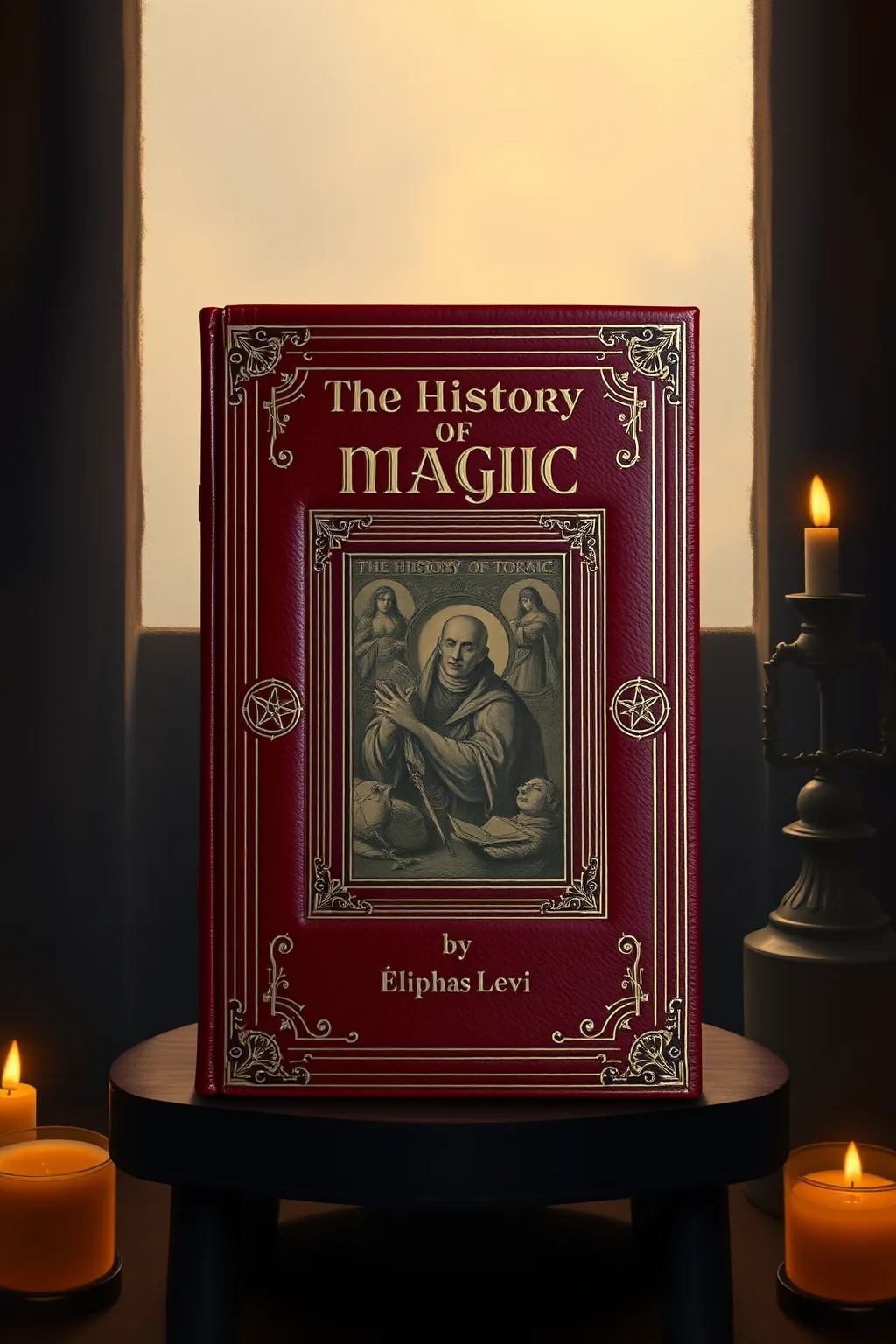
The history of magic: including a clear and precise exposition of its procedure, its rites and its mysteries
 71
71

The history of magic: including a clear and precise exposition of its procedure, its rites and its mysteries


Éliphas Lévi's The History of Magic stands as a timeless masterpiece in the field of esoteric literature. Published in 1810, this book remains a beacon for those seeking to understand the deep and often enigmatic world of magic. Lévi's clear and precise exposition of magical procedures, rites, and mysteries provides a comprehensive overview that is both informative and inspiring. For modern esoteric seekers, this text offers a wealth of knowledge that can be applied to contemporary spiritual practices. The book's detailed exploration of ceremonial magic, theurgy, and the occult sciences makes it an indispensable resource for anyone interested in the history and practice of magic. Lévi's insights into the symbolic and ritualistic aspects of magic are particularly valuable, offering readers a deeper understanding of the mystical traditions that have shaped our world. The History of Magic is a must-read for those who wish to delve into the esoteric and uncover the hidden mysteries of the universe.
📝 Description
71
Published in 1860, Éliphas Lévi's 'The History of Magic' explains magical procedures, rites, and mysteries.
Éliphas Lévi's 1860 book, 'The History of Magic,' offers a detailed account of magical practices. Lévi aimed to clarify the procedures, rites, and mysteries associated with magic, presenting them with precision. The text covers a wide range of esoteric concepts, seeking to illuminate the symbolism and philosophical underpinnings of these traditions. It addresses both the theoretical aspects and the practical elements of magic, making it a comprehensive resource for understanding historical occultism. Lévi's work is structured to guide readers through the complexities of the subject matter. It presents a coherent view of magical systems as understood in the 19th century.
The book discusses various magical traditions and their associated rituals. Lévi's approach is analytical, breaking down complex ideas into understandable components. He addresses the historical context of these practices, placing them within a specific framework of occult knowledge. The author's intent was to demystify these subjects for a contemporary audience interested in the occult. The book serves as a reference for those studying the history and theory of Western esotericism.
Éliphas Lévi wrote 'The History of Magic' during a period of renewed interest in spiritualism and occultism in 19th-century Europe. This era saw a resurgence of hermeticism, Kabbalah, and ceremonial magic, with figures like Lévi seeking to synthesize and codify these disparate traditions. His work is a product of this intellectual climate, aiming to provide a systematic understanding of magic that moved beyond mere superstition. It is situated within the broader currents of Western esotericism, which often attempts to reconcile ancient philosophies and religious ideas with contemporary thought.
✍️ Author
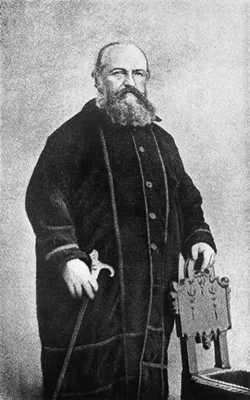
Lévi, Éliphas
Éliphas Lévi Zahed, born Alphonse Louis Constant (8 February 1810 – 31 May 1875), was a French esotericist, poet, and writer. Initially pursuing an ecclesiastical career in the Catholic Church, he abandoned the priesthood in his mid-twenties and became a ceremonial magician.
💡 Why Read This Book?
Reading The History of Magic by Éliphas Lévi today offers a unique opportunity to explore the rich and complex world of esoteric traditions. This book provides a detailed and precise exposition of magical procedures, rites, and mysteries, making it an invaluable resource for both scholars and practitioners of the occult. By delving into the historical context of magic, readers can gain a deeper understanding of its enduring influence on various spiritual and philosophical movements. This text is particularly relevant for those seeking to bridge the gap between ancient mystical traditions and contemporary spiritual practices. Whether you are a seasoned esoteric seeker or a curious newcomer, The History of Magic offers insights and knowledge that can enrich your spiritual journey.
⭐ Reader Reviews
Honest opinions from readers who have explored this book.
❓ Frequently Asked Questions
What is the main focus of The History of Magic?
The main focus of The History of Magic is to provide a clear and precise exposition of magical procedures, rites, and mysteries. It delves into ceremonial magic, theurgy, and the occult sciences, offering a comprehensive understanding of these esoteric disciplines.
Who is Éliphas Lévi?
Éliphas Lévi, whose real name was Alphonse-Louis Constant, was a French occultist and author. He played a significant role in the occult revival of the 19th century and is known for his influential works on magic and the esoteric.
Why is this book relevant for modern esoteric seekers?
This book is relevant for modern esoteric seekers because it bridges the gap between ancient mystical traditions and contemporary spiritual practices. It provides a wealth of knowledge that can be applied to modern esoteric and spiritual endeavors.
🔮 Key Themes & Symbolism
Hermetic Principles
Lévi's work delves deeply into the Hermetic principles that underlie magical practices, exploring the philosophical and symbolic foundations of the occult. This theme is crucial for understanding the interconnectedness of the mystical and the mundane, and how ancient wisdom continues to influence modern esoteric thought.
Rituals and Mysteries
The book provides a detailed examination of the rituals and mysteries that have shaped magical traditions over the centuries. Lévi's clear and precise exposition clarifies these arcane practices, making them accessible to both novice seekers and seasoned practitioners.
Symbolism in Magic
Symbolism is a central theme in 'The History of Magic,' as Lévi explores the profound meanings behind magical symbols. This theme is essential for understanding the deeper layers of occult knowledge and how symbols serve as conduits for hidden wisdom and spiritual transformation.
💬 Memorable Quotes
Direct passages from the work, attributed to the author.
“The key to true magic lies in the mastery of one's inner self.”
— Lévi emphasizes the importance of self-awareness and inner transformation in magical practice.
“The universe is a vast collection of symbols and signs.”
— Lévi's exploration of symbolism reveals the interconnectedness of all things in the cosmic order.
“The true magician seeks harmony with the natural world.”
— Lévi's work underscores the importance of aligning with the natural order in magical practice.
💡 Key Ideas
Editorial paraphrase of the work's core concepts — not direct quotes.
Magic is the science of the invisible.
This quote underscores the mystical and esoteric nature of magic, highlighting its connection to hidden knowledge and spiritual realms.
Rituals are the language of the soul.
This quote emphasizes the spiritual significance of magical rituals and their role in communicating with higher realms.
🌙 Esoteric Significance
Tradition
This book belongs to the Hermetic tradition, which emphasizes the study of ancient wisdom and the pursuit of spiritual transformation through magical practices. Hermeticism is rooted in the teachings of Hermes Trismegistus and encompasses a wide range of esoteric disciplines, including alchemy, astrology, and theurgy.
Symbolism
Key symbols in this book include the Pentagram, the Seal of Solomon, and the Rosy Cross. These symbols represent the interconnectedness of the mystical and the mundane, serving as conduits for hidden wisdom and spiritual transformation. Lévi's exploration of symbolism reveals the deeper layers of occult knowledge and its relevance to modern esoteric thought.
Modern Relevance
Today, 'The History of Magic' continues to be a valuable resource for modern practitioners and scholars of the occult. Its insights into magical traditions and symbolism are relevant to contemporary esoteric studies, and the book's clear and precise exposition makes it an essential guide for those seeking to deepen their understanding of the arcane.
👥 Who Should Read This Book
Beginners will find 'The History of Magic' an accessible introduction to the world of the occult, with its clear and precise exposition of magical practices. Scholars of esoteric studies will appreciate the book's depth of historical context and esoteric insight. Spiritual seekers will be drawn to the philosophical and symbolic depth of the text, which offers a path to spiritual transformation and self-awareness. Practitioners of the occult will find valuable guidance in the book's exploration of rituals and mysteries, making it an indispensable resource for their craft.
📜 Historical Context
Written in the 19th century, 'The History of Magic' emerged during a time of renewed interest in occult and esoteric studies. Lévi's work was influential in reviving and popularizing magical traditions, providing a comprehensive and authoritative guide to the rituals and mysteries that had been largely forgotten or suppressed. The book's publication marked a significant moment in the history of esoteric literature, inspiring generations of seekers and practitioners to explore the hidden knowledge of the occult.
📔 Journal Prompts
Reflect on a magical symbol that appeals to you and explore its deeper meaning.
Consider how the Hermetic principles discussed in the book apply to your own spiritual journey.
Write about a ritual or practice that you find particularly meaningful and how it connects to the themes in the book.
Explore the concept of the interconnectedness of the mystical and the mundane in your own life.
Reflect on the role of self-awareness and inner transformation in your magical practice.
🗂️ Glossary
Hermeticism
An esoteric tradition based on the teachings of Hermes Trismegistus, focusing on spiritual transformation and ancient wisdom.
Theurgy
The practice of rituals and ceremonies aimed at invoking divine entities to achieve spiritual transformation.
Alchemy
An ancient practice involving the transformation of base metals into gold, symbolizing spiritual and personal transformation.
Pentagram
A five-pointed star used as a symbol in magical traditions, representing the elements and spiritual protection.
Rosy Cross
A symbol associated with the Rosicrucian order, representing the union of opposites and spiritual enlightenment.
This book appears in 1 collection
🔮 Readers Also Liked
Browse all →




From the “Folklore Magic” Collection
View all →




More Free Magic & Ritual Books
View all →