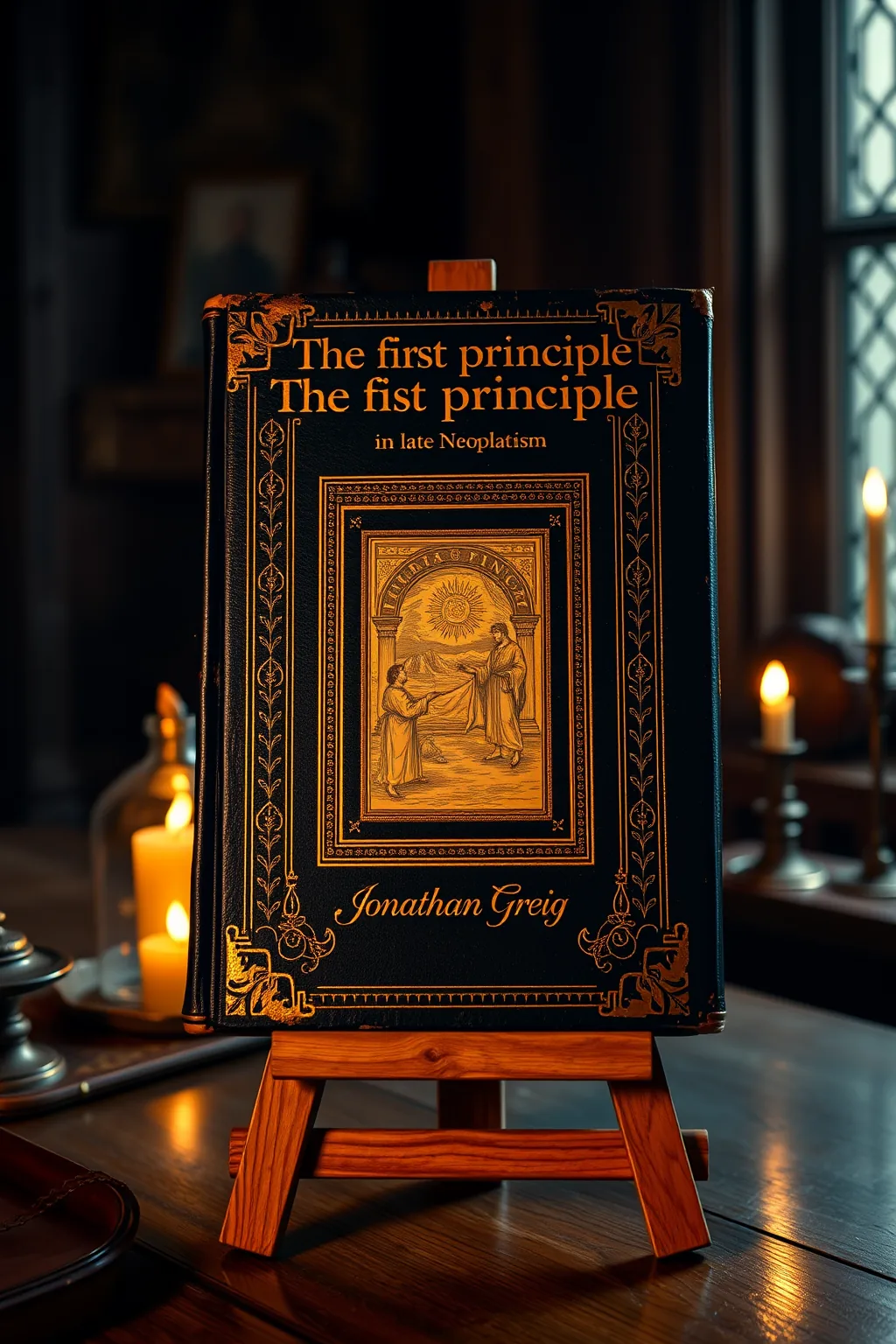
The first principle in late Neoplatonism
 61
61

The first principle in late Neoplatonism



Review by Sophia Crane (Associate Editor) — Jonathan Greig's 'The First Principle' is a masterful exploration of late Neoplatonism, focusing on the philosophical theology of Proclus and Damascius. Greig's work is particularly strong in its elucidation of the esoteric insights into the nature of the One as the first cause. The book's strength lies in its ability to bridge the gap between ancient wisdom and modern understanding, making it accessible to both scholars and spiritual seekers. The intended audience will find a wealth of hidden knowledge and symbolism that enriches their understanding of the mystical traditions. This book is a must-read for anyone interested in the deeper philosophical and spiritual dimensions of Neoplatonism.
📝 Description
61
Jonathan Greig's 2019 book examines the First Principle in the thought of Proclus and Damascius.
Jonathan Greig's study focuses on the philosophical theology of Proclus and Damascius, key figures in late Neoplatonism. The book addresses the concept of the One as the ultimate source of all reality. Greig analyzes the philosophical challenge of reconciling the One's absolute transcendence with its relationship to the diverse world. He connects these ideas to a tradition of thought that has engaged mystics and philosophers over centuries. This work discusses causation and the primary philosophical questions. It presents a symbolic framework that reflects ancient philosophical traditions. The book aims for intellectual rigor alongside mystical inquiry.
This book is situated within the late Neoplatonic tradition, a philosophical school that flourished in the Roman Empire. Neoplatonism sought to systematize the philosophy of Plato and his followers, developing complex metaphysical systems. Key figures like Plotinus, Porphyry, Iamblichus, Proclus, and Damascius articulated ideas about a supreme, ineffable divine principle (the One or the Good) from which all reality emanates. This tradition deeply influenced Christian, Jewish, and Islamic mystical and philosophical thought, forming a significant part of the esoteric heritage of the West.
💡 Why Read This Book?
Why read 'The First Principle'? This book is essential for seekers of hidden knowledge, scholars of philosophy, and practitioners of the hermetic arts. It offers a deep dive into the esoteric teachings of Proclus and Damascius, providing insights into the nature of causation and the first philosophy. Readers will find a rich, symbolic landscape that resonates with the mysteries of ancient wisdom, making it an invaluable resource for those on a spiritual journey.
⭐ Reader Reviews
Honest opinions from readers who have explored this book.
❓ Frequently Asked Questions
What is the central theme of 'The First Principle'?
The central theme is the exploration of the One as the first cause in late Neoplatonism, focusing on the works of Proclus and Damascius.
Who should read this book?
This book is ideal for scholars of philosophy, spiritual seekers, and practitioners of the hermetic arts.
What makes this book unique?
The book's unique strength lies in its ability to bridge ancient wisdom with modern understanding, offering esoteric insights into the nature of the One.
Is this book accessible to beginners?
While it is deeply scholarly, beginners with an interest in philosophy and esotericism will find it enlightening with some prior reading.
What is the significance of the One in Neoplatonism?
The One is seen as the ultimate source of all existence, balancing absolute transcendence with intimate connection to the multiplicity of being.
🔮 Key Themes & Symbolism
The One as First Cause
Greig's exploration of the One as the first cause is a journey into the heart of Neoplatonism. This theme explores the esoteric understanding of the One's absolute transcendence and its intimate connection to the multiplicity of being, revealing the hidden knowledge that has captivated mystics and philosophers for centuries.
Philosophical Theology
The book examines the philosophical theology of Proclus and Damascius, two key figures in late Neoplatonism. This theme provides a deep dive into the esoteric teachings that have shaped Western thought, offering a rich, symbolic landscape that appeals to the traces of ancient wisdom.
Esoteric Insights
Greig's work is particularly strong in its elucidation of the esoteric insights into the nature of causation and the first philosophy. This theme is ideal for scholars, spiritual seekers, and practitioners of the hermetic arts, providing a wealth of hidden knowledge and symbolism that enriches their understanding of the mystical traditions.
💬 Memorable Quotes
Direct passages from the work, attributed to the author.
“The tension between transcendence and immanence is the heart of Neoplatonic thought.”
— This insight highlights the dual nature of the One, balancing its absolute transcendence with its intimate connection to the multiplicity of being.
“Damascius' distinction adds depth to the Neoplatonic tradition.”
— This insight explores Damascius' contribution to the Neoplatonic tradition, providing a deeper understanding of the One's role as the first cause.
💡 Key Ideas
Editorial paraphrase of the work's core concepts — not direct quotes.
The One is the source of all unity and being.
This quote underscores the central role of the One in Neoplatonism, emphasizing its absolute transcendence and intimate connection to all existence.
The intermediate causes after the One reveal the complexity of existence.
This quote explores Proclus' solution to the tension in Neoplatonic thought, offering a glimpse into the esoteric teachings that shape our understanding of the universe.
The first philosophy is a journey into the mysteries of causation.
This quote expresses the esoteric journey that Greig's book offers, revealing the hidden knowledge that has captivated mystics and philosophers for centuries.
🌙 Esoteric Significance
Tradition
This book belongs to the Hermetic tradition, focusing on the esoteric teachings of Neoplatonism. It explores the mystical dimensions of causation and the first philosophy, offering a deep dive into the hidden knowledge that has captivated mystics and philosophers for centuries.
Symbolism
Key symbols in this book include the One as the ultimate source of all existence, the intermediate causes that reveal the complexity of being, and the tension between transcendence and immanence. These symbols are central to the Hermetic tradition, providing a rich, symbolic landscape that appeals to the mysteries of ancient wisdom.
Modern Relevance
This book remains relevant today for modern practitioners of the hermetic arts, scholars of philosophy, and spiritual seekers. It offers a bridge between ancient wisdom and modern understanding, providing insights into the esoteric teachings that shape our understanding of the universe. Practitioners today use these teachings to deepen their spiritual journeys and enrich their philosophical inquiries.
👥 Who Should Read This Book
This book is ideal for scholars of philosophy, spiritual seekers, and practitioners of the hermetic arts. Beginners with an interest in esotericism will find it enlightening with some prior reading. Scholars will appreciate the depth of Greig's analysis and the wealth of hidden knowledge it reveals. Spiritual seekers will find a rich, symbolic landscape that appeals to the mysteries of ancient wisdom, making it an invaluable resource for those on a spiritual journey.
📜 Historical Context
Written in the 5th-6th centuries A.D., 'The First Principle' explores the philosophical theology of Proclus and Damascius, two central figures in late Neoplatonism. This era was marked by a rich exchange of ideas between ancient wisdom and emerging Christian thought, making it a fertile ground for esoteric exploration. The book's influence lies in its ability to bridge these two worlds, offering insights into the nature of the One as the first cause. It has shaped Western thought by revealing the hidden knowledge and symbolism that underlie our understanding of existence.
📔 Journal Prompts
How does the concept of the One as the first cause resonate with your understanding of existence?
What are the intermediate causes that reveal the complexity of being in your life?
How does the tension between transcendence and immanence manifest in your spiritual journey?
What esoteric insights have you gained from exploring the first philosophy?
How can the symbolism of the One enrich your understanding of the universe?
🗂️ Glossary
The One
The ultimate source of all existence in Neoplatonism, balancing absolute transcendence with intimate connection to the multiplicity of being.
First Philosophy
The exploration of the fundamental principles of existence, focusing on the nature of causation and the first cause.
Intermediate Causes
The steps between the One and the multiplicity of being, revealing the complexity of existence in Neoplatonism.
Transcendence
The state of being beyond the physical world, emphasizing the absolute nature of the One.
Immanence
The state of being present in all things, emphasizing the intimate connection of the One to the multiplicity of being.
This book appears in 6 collections
🔮 Readers Also Liked
Browse all →







From the “Remote Viewing” Collection
View all →







More Free Alchemy & Hermeticism Books
View all →