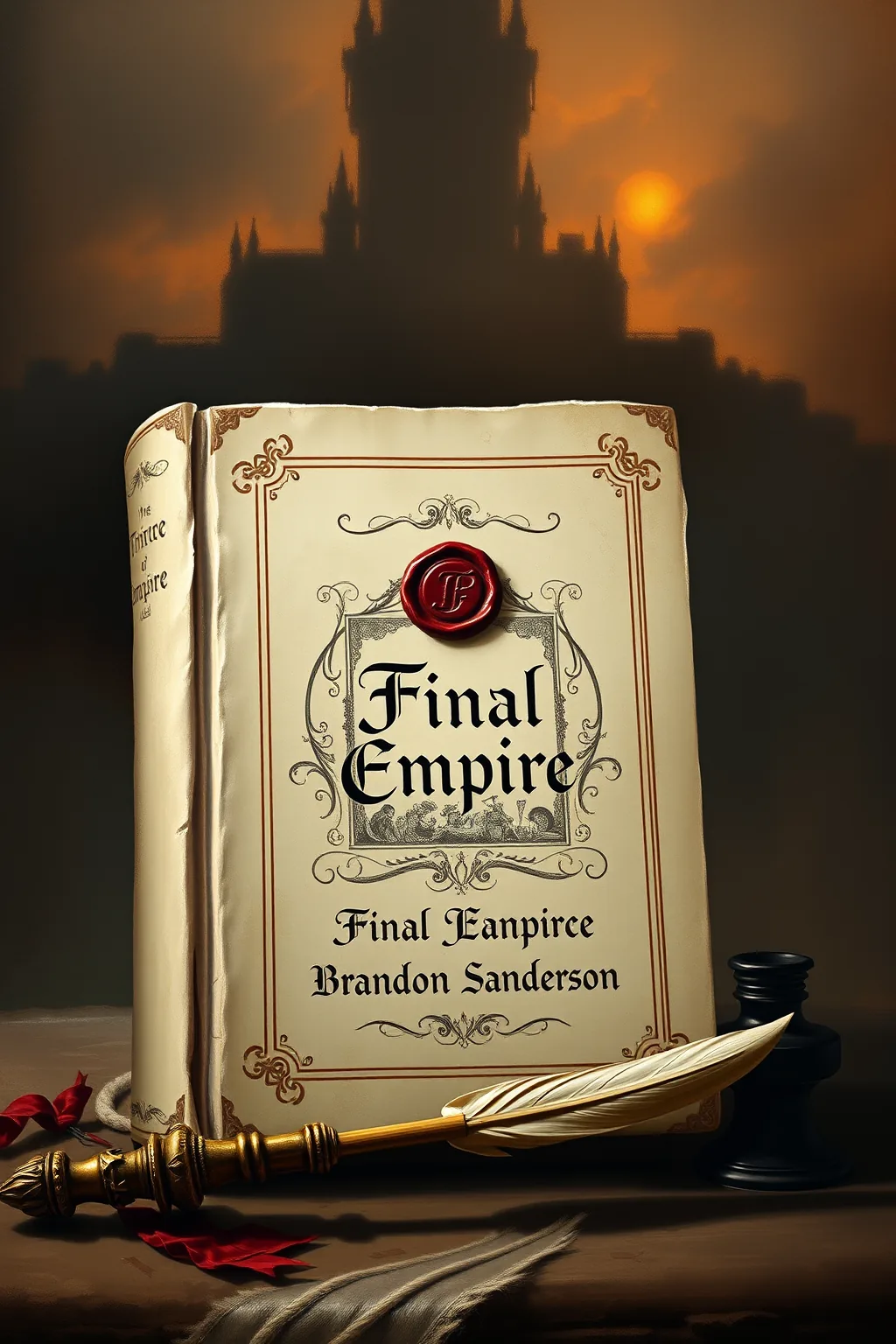
The Final Empire
 73
73

The Final Empire
Brandon Sanderson's "The Final Empire" operates with a clockwork precision that is both its greatest asset and, at times, a slight constraint. The Allomantic system, detailing the precise effects of burning metals like tin for enhanced senses or iron for ferrokinesis, is meticulously constructed. Its integration into the plot, particularly the heist-like planning of the rebellion against the Lord Ruler, showcases Sanderson's unparalleled world-building. However, the character arcs, while present, occasionally feel secondary to the intricate machinations of the plot and magic. Vin's development from a distrustful thief to a nascent hero is compelling, yet some of the supporting cast, like Kelsier, can lean towards archetypes. A particularly strong sequence involves Vin’s first true mastery of pewter, demonstrating the physical augmentation that allows for spectacular feats, underscoring the book's blend of visceral action and conceptual magic. While the story occasionally sacrifices emotional nuance for structural perfection, it remains a formidable entry in modern fantasy, particularly for its inventive magic and intricate plotting.
📝 Description
73
Brandon Sanderson's 2006 novel, The Final Empire, begins the Mistborn saga on a world choked by ash.
The story unfolds on Scadrial, a planet under the oppressive rule of the Lord Ruler, where ash falls constantly. The narrative follows Vin, a young thief living on the streets. She discovers she has Allomancy, a magic tied to consuming and burning metals to gain supernatural powers. This book establishes the unique magic system and the deep social stratification of Scadrial.
Vin becomes involved with a crew planning a daring heist against the Lord Ruler. Their goal is to overthrow his thousand-year reign. The plot weaves together Vin's personal growth and her integration into the rebellion. It sets up a world where trust is scarce and the existing power structure seems insurmountable.
The Final Empire engages with concepts of inherent power and societal control, drawing parallels to Gnostic ideas of a false demiurge in the figure of the Lord Ruler. The magic system, based on metal consumption, can be seen as a metaphorical exploration of inner potential and the transformative power of discipline. Vin's journey from an unaware street urchin to a figure of influence mirrors archetypal narratives of awakening and challenging established cosmic or social orders.
💡 Why Read This Book?
• Understand the foundational principles of Allomancy, a meticulously designed magic system where burning metals like iron and steel grants specific powers, which can be applied to strategic problem-solving. • Witness the genesis of the Final Empire's oppressive societal structure under the Lord Ruler, offering a unique lens on power dynamics and rebellion. • Experience the intricate plotting of a heist narrative embedded within an epic fantasy setting, showcasing how Kelsier's crew attempts to overthrow a seemingly invincible tyranny.
⭐ Reader Reviews
Honest opinions from readers who have explored this book.
❓ Frequently Asked Questions
What is the primary magic system in The Final Empire?
The primary magic system is Allomancy, where individuals ingest and burn specific metals to gain supernatural abilities. Different metals grant different powers, such as enhanced senses (tin) or telekinetic manipulation of metals (iron and steel).
Who is the antagonist in The Final Empire?
The primary antagonist is the Lord Ruler, the immortal and seemingly invincible dictator who has reigned over the Final Empire for a thousand years, maintaining his power through an oppressive societal structure and his own formidable abilities.
What is the significance of ash in The Final Empire?
The sky of the Final Empire constantly rains ash due to a cataclysmic event known as the Deepness. This ashfall is a constant environmental hazard and a visual symbol of the world's decay and the Lord Ruler's dominion.
What is a Mistborn?
A Mistborn is an Allomancer who can burn all eight of the basic Allomantic metals. This grants them a wide range of powers, making them exceptionally dangerous and rare individuals within the world of Scadrial.
What is the goal of Kelsier's crew?
Kelsier's crew aims to overthrow the Lord Ruler and dismantle the oppressive Final Empire. Their plan involves inciting a rebellion, using their Allomantic abilities, and exploiting weaknesses within the Lord Ruler's thousand-year reign.
When was The Final Empire first published?
The Final Empire was first published in 2006, marking the beginning of Brandon Sanderson's acclaimed Mistborn series.
🔮 Key Themes & Symbolism
Allomancy and the Nature of Power
The intricate system of Allomancy, where individuals ingest and burn metals for supernatural abilities, forms the core of the narrative's power dynamics. Each metal confers a unique ability, from enhanced senses (tin) to telekinetic manipulation (iron and steel), creating a meticulously defined magical framework. This system explores how power is acquired, wielded, and its corrupting influence, particularly through the thousand-year reign of the Lord Ruler. The limitations and costs associated with Allomancy, such as the addictive nature of some metals or the sheer mental fortitude required, prevent it from becoming an easy solution, grounding the fantastical elements in a tangible cost.
Oppression and Rebellion
The Final Empire presents a stark vision of societal stratification and tyrannical rule. The Lord Ruler's dominion over Scadrial for a millennium has created a rigid hierarchy, with the skaa suffering under brutal oppression and the nobility enjoying privileged lives. The narrative follows Kelsier's ambitious plan to ignite a rebellion, challenging the seemingly insurmountable power of the Lord Ruler. This theme examines the psychological impact of long-term oppression, the sparks of hope that can ignite resistance, and the moral complexities faced by those fighting for freedom against overwhelming odds.
Faith and Doubt
Within the ash-choked world of Scadrial, faith manifests in various forms, often intertwined with the oppressive regime. The Lord Ruler presents himself as a divine figure, and religious dogma is used to control the populace. Characters grapple with questioning established beliefs, particularly Vin, who must reconcile her innate powers and the harsh realities of her world with the stories and doctrines she has been taught. The story probes the nature of belief, the manipulation of faith for control, and the courage required to forge one's own understanding in the face of pervasive dogma.
Identity and Belonging
Vin's journey is central to the theme of identity. Initially a distrustful and isolated street urchin, she discovers not only her Allomantic potential but also a sense of belonging within Kelsier's crew. Her struggle to reconcile her past life with her newfound abilities and the dangerous path she is forced to tread explores the formation of self under extreme pressure. The narrative questions whether identity is defined by one's origins, one's abilities, or the choices one makes, particularly when those choices involve challenging the very fabric of society.
💬 Memorable Quotes
Direct passages from the work, attributed to the author.
“There's always another secret.”
— This recurring phrase captures the layered nature of the world and its mysteries. It suggests that no matter how much is revealed, deeper truths and hidden agendas always lie beneath the surface, driving the plot and character motivations.
“I am the Lord Ruler. I can do whatever I wish.”
— This statement, attributed to the immortal tyrant, highlights the absolute power and arrogance of the ruling figure. It underscores the core conflict of the story: a rebellion against an entity that believes itself beyond consequence or challenge.
“Hope is the best of them, and even the best of hopes can be terribly wrong.”
— This reflection speaks to the precarious nature of optimism in a world defined by despair. It suggests that while hope is a vital motivator, it can also lead to profound disappointment if based on false premises or unrealistic expectations.
“The problem of the skaa is that they are too trusting. They believe that they will be treated fairly.”
— This interpretation of the skaa's plight highlights their naivety born from generations of subjugation. It points to a key element of the Final Empire's control: the suppression of critical thinking and the fostering of blind faith in their oppressors.
💡 Key Ideas
Editorial paraphrase of the work's core concepts — not direct quotes.
Metal is the key. It is the source of all power.
This quote directly refers to the fundamental principle of Allomancy. It emphasizes that the ingestion and burning of specific metals are the literal and metaphorical keys to unlocking extraordinary abilities in this world.
🌙 Esoteric Significance
Tradition
While not directly rooted in a single esoteric tradition like Hermeticism or Kabbalah, "The Final Empire" engages with concepts that resonate with alchemical principles, particularly in its depiction of Allomancy. The transformation of metals within the body for spiritual or physical enhancement echoes alchemical ideas of transmutation and the purification of the self. The Lord Ruler's thousand-year reign and apparent immortality could be seen as a warped pursuit of the elixir vitae or a perverted form of spiritual ascension. The narrative explores how power, even when derived from seemingly mundane sources like metals, can lead to a form of corrupted apotheosis.
Symbolism
The pervasive ashfall in the Final Empire serves as a potent symbol of decay, oppression, and the environmental consequences of unchecked power or cataclysm. Metals themselves are central symbols, each representing distinct aspects of human capability and potential that can be unlocked and amplified through Allomancy. The Lord Ruler, as an immortal figure who has seemingly conquered death, symbolizes a tyrannical perversion of eternal life, a common theme in esoteric traditions that often seek spiritual immortality rather than absolute, oppressive dominion.
Modern Relevance
Contemporary fantasy authors and readers continue to draw inspiration from Sanderson's meticulous approach to magic systems. "The Final Empire" serves as a foundational text for discussions on 'hard magic' versus 'soft magic' in speculative fiction, influencing writers who prioritize logical consistency and detailed rulesets. The book's exploration of societal control, rebellion, and the nature of power remains relevant in a world grappling with political instability and social inequality, offering allegorical insights through its fantastical lens.
👥 Who Should Read This Book
• Readers fascinated by meticulously crafted magic systems, particularly those who appreciate logical consistency and detailed explanations of how supernatural abilities function. • Enthusiasts of epic fantasy narratives that combine grand political intrigue, large-scale rebellion, and heist-style plotting within a unique world. • Those interested in exploring themes of oppression, societal hierarchy, and the psychological impact of long-term tyranny, presented through a compelling speculative fiction framework.
📜 Historical Context
Brandon Sanderson's "The Final Empire" emerged in 2006, a period when epic fantasy was solidifying its mainstream appeal, partly due to the success of series like J.R.R. Tolkien's "The Lord of the Rings" and George R.R. Martin's "A Song of Ice and Fire." Sanderson distinguished himself by focusing on intricate, hard magic systems, a departure from the softer, more mysterious magic prevalent in much of contemporary fantasy. His approach to Allomancy, with its defined rules and applications, offered a unique intellectual challenge to readers. While not directly engaging with a specific philosophical movement in the way some earlier speculative fiction did, Sanderson's work implicitly explored themes of determinism versus free will through his magic systems and character choices. The book's reception was strong, lauded for its originality and world-building, helping to establish Sanderson as a major voice in the genre, often contrasted with authors who prioritized character drama over mechanical systems.
📔 Journal Prompts
Vin's discovery of her Allomantic powers and her subsequent integration into Kelsier's crew.
The Lord Ruler's thousand-year reign and its effect on the structure of the Final Empire.
The symbolic meaning of the constant ashfall in the world of Scadrial.
Kelsier's philosophy of rebellion and his definition of 'hope'.
The distinct abilities granted by burning different metals, such as tin and iron.
🗂️ Glossary
Allomancy
A magic system where individuals ingest and 'burn' specific metals to gain supernatural abilities. Each metal grants a distinct power, and those who can burn all eight basic metals are known as Mistborn.
Mistborn
An Allomancer capable of burning all eight basic Allomantic metals. This grants them a wide array of powers, making them exceptionally potent and rare individuals within the world of Scadrial.
Lord Ruler
The immortal and absolute ruler of the Final Empire, who has reigned for a thousand years. He is the primary antagonist and the embodiment of the world's oppressive regime.
Skaa
The oppressed peasant class of the Final Empire. They are subjected to harsh labor, poverty, and the brutal rule of the nobility and the Lord Ruler.
Pewterarm
An Allomancer who burns pewter, which enhances physical attributes like strength, speed, and durability. This allows them to perform extraordinary physical feats.
Feruchemy
A related magic system that involves storing physical attributes or abilities in metal mnemonic symbols when not needed, and then drawing upon them later. It is distinct from Allomancy.
Deepness
A cataclysmic event in the world's past, responsible for the constant ashfall that characterizes the Final Empire's environment. Its exact nature is shrouded in mystery.
🔮 Readers Also Liked
Browse all →







More by Brandon Sanderson
All books →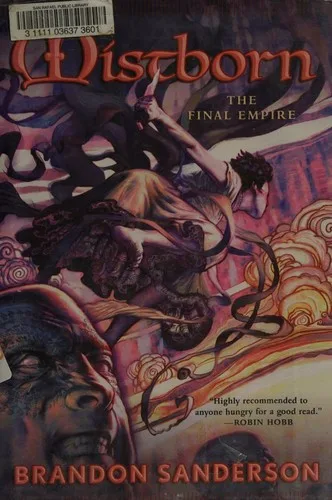



More Free Magic & Ritual Books
View all →