The Expected One

 76
76

The Expected One
Kathleen McGowan’s *The Expected One* attempts to illuminate a shadowed corner of early Christian history through a compelling, albeit fictionalized, lens. The novel’s strength lies in its imaginative premise, positing a secret lineage directly connected to Mary Magdalene and Jesus, which serves as a vehicle for exploring suppressed spiritual traditions. The narrative propels the reader through a quest that feels both personal and cosmically significant. However, the book occasionally falters under the weight of its own ambition. The pacing can become uneven, particularly when exposition overwhelms the plot's momentum. A particularly striking element is the concept of the 'Magdalene Lineage,' which McGowan presents not just as a historical possibility but as a living, spiritual inheritance. While the prose is generally accessible, the speculative nature of its core claims requires a reader open to bypassing strict historical verification for narrative and spiritual exploration. Ultimately, *The Expected One* offers an engaging, if speculative, re-imagining of foundational religious narratives for those seeking alternative spiritual pathways.
📝 Description
76
Kathleen McGowan's 2008 novel, The Expected One, posits a hidden lineage and secret tradition tied to Mary Magdalene.
The Expected One follows a protagonist on a quest to uncover suppressed truths about early Christianity, focusing on Mary Magdalene's life and teachings. The novel suggests a lineage and a secret tradition passed down through generations, challenging established biblical narratives and church history. McGowan weaves historical elements with a personal spiritual discovery for her main character.
This narrative is suited for readers interested in alternative historical views of foundational religious texts. It appeals to those drawn to the mysteries surrounding Mary Magdalene and Gnostic Gospels. The story blends adventure with theological inquiry, prompting contemplation of spiritual lineages and potentially hidden histories within established religions.
Published in 2008, The Expected One entered a period of heightened public interest in early Christian history and apocryphal texts. The early 21st century saw a rise in accessible literature examining Gnosticism and the concept of the divine feminine, often questioning patriarchal structures in early church formation. McGowan's work contributes to this discourse by fictionalizing the exploration of these themes, particularly the idea of a bloodline carrying esoteric knowledge and a prophesied descendant destined to reveal it.
💡 Why Read This Book?
• You will explore the concept of the 'Magdalene Lineage,' a proposed spiritual and bloodline inheritance from Mary Magdalene, offering a unique perspective on early Christian discipleship. • You can engage with the idea of 'The Expected One,' a prophesied figure intended to reveal suppressed historical and spiritual truths, prompting reflection on hidden histories. • The narrative encourages contemplation of Gnostic texts and early Christian communities, presenting a fictionalized account that challenges conventional biblical interpretations and the role of women in early religion.
⭐ Reader Reviews
Honest opinions from readers who have explored this book.
❓ Frequently Asked Questions
What is the central premise of Kathleen McGowan's The Expected One?
The book's core idea is that Mary Magdalene carried a secret lineage and teachings, passed down through generations, with a prophesied descendant, 'The Expected One,' destined to reveal these truths to the world.
When was The Expected One first published?
The Expected One was first published in 2008, placing it within a contemporary wave of interest in alternative religious histories.
Does the book present historical facts or fiction?
The book is a work of fiction that explores speculative historical and spiritual themes, particularly concerning Mary Magdalene and early Christianity, rather than presenting verifiable historical accounts.
What role does Mary Magdalene play in the narrative?
Mary Magdalene is presented as a central figure, not just a disciple but the bearer of a profound spiritual legacy and lineage, depicted as a primary teacher and companion to Jesus.
What are 'Gnostic Gospels' mentioned in relation to this book?
Gnostic Gospels are ancient texts that offer perspectives on Jesus and early Christianity often differing from the canonical Gospels, sometimes emphasizing esoteric knowledge and the divine feminine, themes explored in McGowan's work.
Who is considered 'The Expected One' in the book?
'The Expected One' refers to a prophesied individual within the narrative's lineage, believed to be tasked with uncovering and revealing the suppressed spiritual and historical truths associated with Mary Magdalene.
🔮 Key Themes & Symbolism
The Magdalene Lineage
The narrative centers on the concept of a secret lineage, both spiritual and biological, descended from Mary Magdalene and Jesus. This 'Magdalene Lineage' is portrayed as the custodian of suppressed esoteric teachings and a different understanding of early Christianity. The book suggests this lineage holds keys to understanding the divine feminine and a more inclusive spiritual path that was potentially sidelined by patriarchal structures in the formation of mainstream religion. The transmission of knowledge through this lineage forms the backbone of the protagonist's quest and the book's central mystery.
The Expected One Prophecy
Central to the plot is the prophecy of 'The Expected One,' a descendant within the Magdalene Lineage who is destined to reveal the hidden truths carried through generations. This figure represents hope and the potential for a spiritual awakening, tasked with bringing forth suppressed Gnostic wisdom and correcting historical omissions. The concept invites readers to consider how prophecies shape belief and action, and the enduring human search for revelation and a fuller understanding of spiritual history.
Suppressed Gnostic Wisdom
The Expected One explores the idea that early Christianity encompassed diverse teachings, including those found in Gnostic texts, which were later suppressed. The book posits that Mary Magdalene was a primary conduit for this esoteric knowledge, emphasizing a direct, personal relationship with the divine rather than mediated doctrine. It suggests that the marginalization of Magdalene and Gnostic traditions led to a loss of vital spiritual insights within Western religious thought, sparking contemplation on what might have been if these paths had flourished.
The Divine Feminine
A significant undercurrent of the novel is the exploration and reassertion of the divine feminine. Through Mary Magdalene, the book elevates a female figure to a position of profound spiritual authority and wisdom, challenging traditional patriarchal interpretations of religious history. The narrative suggests that an imbalance occurred with the suppression of feminine spiritual principles, and that rediscovering this aspect is crucial for a more complete and holistic understanding of divinity and human spirituality.
💬 Memorable Quotes
Direct passages from the work, attributed to the author.
“The bloodline was not the only thing passed down; it was the light, the knowing, the sacred trust.”
— This phrase captures the novel's central thesis: that the physical lineage connected to Mary Magdalene also carried a spiritual inheritance, a form of sacred knowledge and divine illumination.
“We are the keepers of a truth that has been buried, waiting for the right time to be reborn.”
— This statement reflects the role of the characters within the 'Magdalene Lineage,' portraying themselves as guardians of suppressed wisdom that is destined for rediscovery and revelation.
“The church feared what it could not control, and it could not control the direct connection to God through Mary.”
— This interpretation highlights the perceived conflict between early, direct spiritual experiences (associated with Magdalene) and the institutionalization of religion, suggesting a deliberate suppression of feminine spiritual authority.
“She was not merely a follower; she was the vessel of the new testament, the living embodiment of Christ’s love.”
— This emphasizes the elevated status of Mary Magdalene within the book's narrative, presenting her as a central, authoritative figure whose role and teachings were potentially downplayed in historical accounts.
“The path of knowing is not always through scripture, but through the heart that remembers.”
— This suggests an intuitive and experiential approach to spiritual truth, contrasting it with purely textual or dogmatic understanding, aligning with the esoteric and Gnostic themes explored.
🌙 Esoteric Significance
Tradition
The Expected One draws heavily from Gnostic traditions, particularly those that emphasize esoteric knowledge (gnosis), the divine feminine, and a direct, unmediated relationship with the divine. It posits a lineage that carries these suppressed teachings, departing from orthodox Christianity by elevating Mary Magdalene to a central, authoritative role akin to Jesus. This aligns with modern Gnostic revivals and interpretations that seek to reclaim feminine spiritual power and alternative cosmologies often found in Nag Hammadi library texts.
Symbolism
Key symbols include the 'bloodline' itself, representing not just biological descent but the inheritance of sacred knowledge and spiritual light. The 'light' motif signifies divine awareness and enlightenment. The narrative also implicitly uses symbols associated with Mary Magdalene, such as alabaster jars (representing sacred unguents and hidden treasures) and lilies, often linked to purity and divine feminine essence, recontextualized within a lineage of secret keepers.
Modern Relevance
This work speaks to contemporary movements focused on reclaiming the divine feminine, exploring alternative spiritual paths outside mainstream religions, and re-examining early Christian history through a Gnostic or feminist lens. Thinkers and practitioners in Goddess spirituality, modern Gnosticism, and those interested in the historical Jesus movement often engage with narratives like McGowan's to find validation for their views on suppressed traditions and the importance of Mary Magdalene's rediscovered significance.
👥 Who Should Read This Book
• Readers interested in speculative historical fiction about early Christianity and the figure of Mary Magdalene, who are open to fictional narratives exploring Gnostic themes. • Individuals seeking spiritual literature that re-examines religious traditions to emphasize the divine feminine and challenge patriarchal interpretations of scripture and history. • Seekers of alternative spiritual pathways who are drawn to concepts of secret lineages, hidden knowledge, and prophecies related to spiritual awakening and historical revelation.
📜 Historical Context
Published in 2008, *The Expected One* arrived at a cultural moment ripe with popular interest in alternative religious histories and the figure of Mary Magdalene. This period saw numerous books and films exploring suppressed Gnostic texts and questioning orthodox Christian narratives, a trend significantly amplified by Dan Brown's *The Da Vinci Code* in 2003. McGowan’s novel taps into this fascination, offering a fictionalized exploration of a potential bloodline and secret teachings stemming from Jesus and Magdalene. It emerged during a broader conversation about the divine feminine in spirituality and challenged the patriarchal interpretations that had dominated Western Christianity for centuries. While not a historical treatise, it contributed to a wider public discourse on the diversity of early Christianity and the possibility of marginalized voices and traditions being systematically excluded from historical records. Its reception occurred within this context of popular spiritual inquiry and a growing skepticism towards established religious doctrines.
📔 Journal Prompts
The Magdalene Lineage as a vessel of sacred trust: What knowledge might be passed down in your own life?
Reflecting on 'The Expected One': What personal prophecies or destinies do you feel called to fulfill?
The concept of suppressed spiritual wisdom: What contemporary 'truths' might be overlooked or silenced?
Mary Magdalene's elevated role: How can the divine feminine be more fully integrated into spiritual understanding?
The 'living embodiment of Christ’s love': Explore personal interpretations of embodying spiritual teachings.
🗂️ Glossary
Magdalene Lineage
A proposed spiritual and biological succession originating from Jesus and Mary Magdalene, believed by the book's premise to carry hidden teachings and esoteric knowledge.
The Expected One
A prophesied descendant within the Magdalene Lineage, destined to reveal suppressed historical and spiritual truths to the world, often linked to a significant spiritual awakening.
Gnostic Gospels
Ancient Christian texts, such as those found at Nag Hammadi, that offer different accounts and interpretations of Jesus's teachings, often emphasizing esoteric knowledge and the divine feminine.
Divine Feminine
The aspect of the divine that is associated with feminine qualities, intuition, creation, and nurturing, often seen as suppressed or marginalized in patriarchal religious structures.
Sacred Trust
The concept of being entrusted with vital spiritual knowledge or a sacred mission, passed down through generations within the Magdalene Lineage in this narrative.
Esoteric Knowledge
Knowledge that is intended for or likely to be understood by only a small number of people with a revealed knowledge or initiation, often concerning spiritual or mystical truths.
Bloodline
In the context of the book, this refers not just to biological descent but also to the spiritual inheritance and continuity of teachings passed down through generations.
🔮 Readers Also Liked
Browse all →








More by Kathleen McGowan
All books →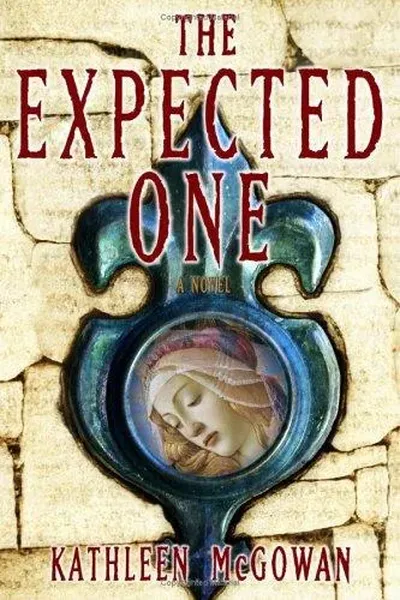
More Free Occult Philosophy Books
View all →