The Energy Plan
 78
78

The Energy Plan
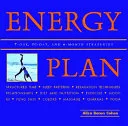
Aliza Baron Cohen’s The Energy Plan, from its initial 2002 release, grounds esoteric principles of vitality in accessible, actionable lifestyle adjustments. The book’s strength lies in its methodical breakdown of energy management, presenting "building blocks" that feel achievable rather than overwhelming. Cohen, drawing on her experience as founder of Bliss Spa, avoids New Age jargon in favor of practical, everyday advice. A particularly effective section details how seemingly minor environmental shifts, like adjusting light exposure, can dramatically impact circadian rhythms and, consequently, energy levels. However, the book’s reliance on color photographs and line drawings, while visually appealing, sometimes feels dated in its presentation style. It could also benefit from more direct engagement with the scientific underpinnings of energy metabolism, beyond basic sleep, nutrition, and exercise. Despite these points, The Energy Plan remains a useful guide for anyone looking to systematically improve their personal energy reserves through considered lifestyle changes.
📝 Description
78
Aliza Baron Cohen's 2002 book, The Energy Plan, presents practical strategies for personal energy deficits.
The Energy Plan, by Aliza Baron Cohen, published in 2002, provides a practical framework for understanding and addressing personal energy deficits. It moves beyond basic advice on sleep, nutrition, and exercise to examine the wider range of lifestyle choices that affect vitality. The book introduces "building blocks"—distinct, manageable adjustments intended to foster lasting improvements in energy levels over time. This approach is founded on observable effects, aiming to equip readers with actionable strategies for better well-being.
This work is for individuals experiencing chronic fatigue, low vitality, or a general sense of depletion, irrespective of their conventional health status. It appeals to those seeking concrete, self-directed methods to regain energy, especially those who found standard wellness advice inadequate. Readers interested in holistic lifestyle adjustments and the subtle connection between daily habits and personal energy will find value here.
Published in 2002, The Energy Plan emerged during a period of increased interest in lifestyle medicine and mind-body wellness. This era saw growing public awareness of stress-related conditions and the development of the wellness industry. The book followed earlier works that began to demystify personal energy and holistic health, drawing from research like Candace Pert's on neuropeptides. Cohen's practical, non-dogmatic method distinguished it from more esoteric or purely medical texts.
💡 Why Read This Book?
• You will learn how to implement "building blocks"—specific, small lifestyle adjustments like Aliza Baron Cohen details for adjusting light exposure—that create cumulative, long-term energy gains, a method directly applicable from its 2002 publication. • You will discover how to identify and address "personal energy deficits" by examining the holistic interplay of your daily habits, a concept central to Cohen's approach as founder of Bliss Spa. • You will gain practical strategies for integrating foundational wellness pillars (sleep, nutrition, exercise) with broader lifestyle factors, offering a concrete plan that moves beyond generic advice.
⭐ Reader Reviews
Honest opinions from readers who have explored this book.
❓ Frequently Asked Questions
What is the core philosophy behind Aliza Baron Cohen's "The Energy Plan"?
The core philosophy is that sustained energy levels are achieved through consistent, small lifestyle adjustments, termed "building blocks." It emphasizes identifying and rectifying "personal energy deficits" by examining the holistic interplay of sleep, nutrition, exercise, and other daily habits.
When was "The Energy Plan" first published, and what was the context?
"The Energy Plan" was first published in 2002. This period saw a rise in interest in personal wellness and holistic health, making Cohen's practical approach to energy management particularly relevant.
What does the book mean by "building blocks" for energy?
"Building blocks" refers to small, manageable changes in daily routine or environment that, when implemented consistently, lead to significant and lasting improvements in personal energy levels, as detailed in the book's practical sections.
How does "The Energy Plan" differ from basic health advice?
It goes beyond basic advice on sleep, nutrition, and exercise by exploring the wider spectrum of lifestyle factors and their impact on energy. It focuses on self-diagnosis of "energy deficits" and systematic implementation of "building blocks" for sustained vitality.
Who is Aliza Baron Cohen, and what is her background?
Aliza Baron Cohen is the founder of Bliss Spa. Her background in creating a wellness-focused environment informs the practical, lifestyle-oriented strategies presented in "The Energy Plan."
Does the book offer visual aids to explain its concepts?
Yes, the original 2002 publication of "The Energy Plan" includes approximately 200 color photos and line drawings intended to illustrate the concepts and practical applications discussed within the text.
🔮 Key Themes & Symbolism
Personal Energy Deficits
The central theme is the identification and remediation of "personal energy deficits," a state of chronic low vitality. Cohen posits that these deficits stem not just from poor habits but from a complex interplay of lifestyle factors. The book guides readers to diagnose these leaks through self-assessment, moving beyond simple fatigue to understand the root causes impacting their energetic state. This concept encourages a proactive approach to well-being, viewing energy as a resource to be managed and cultivated.
The Power of Building Blocks
Cohen introduces "building blocks" as the methodology for achieving sustained energy improvements. These are small, incremental changes to diet, sleep, environment, or routine that collectively build resilience and vitality. This theme emphasizes that significant transformation doesn't require drastic upheaval but rather consistent, focused adjustments. The "building block" approach makes the daunting task of lifestyle change feel manageable and accessible, fostering a sense of empowerment.
Holistic Lifestyle Integration
The Energy Plan champions a holistic perspective, viewing energy as influenced by the entirety of one's lifestyle. It moves beyond isolated concerns like exercise or nutrition to explore how mental states, environmental factors, and daily rhythms contribute to overall vitality. This integration encourages readers to see their lives as an interconnected system, where changes in one area can positively impact others, leading to a more balanced and energetic existence.
Self-Directed Vitality
A significant theme is empowering readers to take direct control of their energy levels. The book provides the tools and knowledge for self-diagnosis and self-implementation of strategies. It promotes an ethos of personal responsibility for well-being, framed not as a burden but as an opportunity for growth and enhanced quality of life. This focus on self-direction is key to the book's practical and enduring appeal.
💬 Memorable Quotes
Direct passages from the work, attributed to the author.
“Small changes that can make long-term differences to energy levels.”
— This expresses the 'building blocks' philosophy, emphasizing that consistent, minor adjustments are more effective for sustained energy than sporadic, drastic measures.
“Exploring every aspect of lifestyle to help beat personal energy deficits.”
— This highlights the holistic approach, indicating the book's comprehensive scope beyond just basic health advice to encompass all facets of daily living.
“Building on the basics of sleep, nutrition, and exercise.”
— This establishes the foundational elements the book assumes readers are familiar with, positioning its content as an advanced or integrated approach to energy management.
“The work presents building blocks throughout.”
— This reinforces the core methodology, suggesting a structured and step-by-step process for readers to follow in improving their energy.
“Addressing personal energy deficits.”
— This clearly defines the problem the book aims to solve, framing low energy not as an inherent state but as a condition that can be actively managed and overcome.
🌙 Esoteric Significance
Tradition
While not strictly adhering to a single esoteric lineage, The Energy Plan draws implicitly from vitalistic philosophies that view life force as a tangible, manageable energy. It aligns with modern interpretations of energetic health found in practices influenced by Traditional Chinese Medicine (Qi) or Ayurvedic principles (Prana), adapting them into a Western lifestyle context. The book departs from traditional esoteric texts by grounding its concepts in observable, everyday phenomena and practical application rather than ritual or complex metaphysical systems.
Symbolism
The book's primary symbolic motif is the "building block," representing discrete, foundational elements of lifestyle that construct overall vitality. The concept of "energy deficits" itself functions symbolically, representing a depletion or imbalance in the vital force that animates individuals. While not overtly symbolic in a traditional esoteric sense, the emphasis on foundational elements like sleep and nutrition can be seen as representing the material basis upon which more subtle energetic work is built, echoing Hermetic principles of correspondence.
Modern Relevance
The Energy Plan's principles remain highly relevant today, resonating with contemporary fields like functional medicine, biohacking, and performance coaching. Thinkers and practitioners who emphasize personalized wellness plans, habit formation, and the intricate connection between environment and physiology often echo Cohen's approach. Its focus on actionable "building blocks" finds parallels in modern habit-stacking techniques and minimalist wellness strategies, making its 2002 framework adaptable to current discussions on sustainable energy and personal optimization.
👥 Who Should Read This Book
• Individuals experiencing persistent fatigue or low vitality who seek practical, self-directed strategies beyond generic health advice. • Aspiring wellness professionals or spa practitioners looking for foundational frameworks on lifestyle integration and energy management, drawing from Aliza Baron Cohen's experience. • Readers interested in understanding how everyday habits and environmental factors contribute to overall energy levels, bridging the gap between basic wellness and more holistic self-care.
📜 Historical Context
Published in 2002, Aliza Baron Cohen's The Energy Plan arrived during a burgeoning era of lifestyle-focused wellness literature. The early 2000s saw a significant public embrace of concepts like holistic health, stress management, and mind-body connections, fueled by accessible books and the growth of the spa industry, which Cohen actively participated in as founder of Bliss Spa. This period also saw continued exploration of the physiological underpinnings of stress and fatigue, with researchers like Candace Pert publishing influential works on the mind-body interface. The Energy Plan distinguished itself by translating these broader trends into highly practical, step-by-step advice, avoiding overly technical jargon or purely spiritual discourse that might characterize some contemporary esoteric works. Its focus on "building blocks" offered a tangible alternative to more abstract self-help philosophies prevalent at the time.
📔 Journal Prompts
Your personal "energy deficits": identify three areas where you feel drained.
"Building blocks" for vitality: what small, consistent changes can you implement this week?
The impact of environment: how does your current living/working space affect your energy?
Integrating sleep, nutrition, and exercise: how can these basics be optimized together?
Assessing your lifestyle spectrum: where are your energy leaks most pronounced?
🗂️ Glossary
Personal Energy Deficits
A state of chronic low vitality or fatigue resulting from an imbalance or depletion of an individual's energetic resources, addressed through lifestyle adjustments.
Building Blocks
Small, discrete, and manageable changes to daily habits, routines, or environment that, when implemented consistently, contribute to sustained improvements in personal energy levels.
Lifestyle Spectrum
The comprehensive range of daily activities, choices, and environmental influences that impact an individual's overall energy and well-being.
Energy Leaks
Specific factors or habits within a person's lifestyle that contribute to the depletion of their vital energy reserves.
Vitality
The state of having abundant physical and mental energy; a feeling of aliveness and robustness.
Holistic Approach
An approach that considers the interconnectedness of all aspects of a person's life—physical, mental, emotional, and environmental—in addressing health and energy.
Self-Assessment Tools
Methods or frameworks provided within the book to help readers identify their specific "energy deficits" and areas for improvement.