The Encyclopedia of Natural Remedies

 74
74

The Encyclopedia of Natural Remedies
Louise Tenney’s *The Encyclopedia of Natural Remedies* presents a meticulously organized compendium that, at first glance, appears to be a straightforward reference. However, its true strength lies in its encyclopedic ambition, attempting to map a vast territory of botanical and mineral remedies with an almost scientific rigor. I found the detailed descriptions of preparation methods, particularly for tinctures and poultices, to be exceptionally practical. One limitation, however, is the relative lack of discussion on the energetic or subtle properties often associated with these substances in esoteric traditions, which feels like a missed opportunity given the genre. A passage detailing the use of Valerian root for nervous disorders, for instance, is precise but omits its traditional use for dream work or spiritual protection. Despite this, the sheer breadth of information makes it a valuable resource for those prioritizing empirical application. The work is a solid, if sometimes dry, manual for the natural healer.
📝 Description
74
Louise Tenney's 1995 Encyclopedia of Natural Remedies catalogs plant and mineral healing modalities.
First published in 1995, this volume functions as a detailed catalog of remedies derived from plants and minerals. It goes beyond simple identification, including thorough botanical descriptions, instructions for preparing tinctures, poultices, and salves, and historical uses for many substances. The book organizes remedies systematically, often linking them to specific ailments or bodily systems, which gives a structured framework for understanding herbalism and natural medicine. Its coverage is broad, featuring both common plants and less familiar botanical resources, showing a significant engagement with the materia medica. This work is particularly useful for students of herbalism, practitioners of natural health, and anyone wanting to expand their knowledge of historical pharmacopeias. It suits readers who prefer organized, detailed information over anecdotal accounts, focusing on documented applications of natural substances. Those interested in historical medicine and comparative ethnobotany will find its extensive cataloging and individual entries valuable. The book is intended for readers who see it as a reference for ongoing study, not a quick guide.
Published during a period of renewed interest in alternative healing, Tenney's work emerged as the late 20th century saw growing skepticism towards purely synthetic pharmaceuticals and a renewed appreciation for older healing traditions. It offers an encyclopedic approach to a subject often presented in a more scattered or anecdotal fashion. The book provides a structured reference for those exploring traditional healing methods.
This encyclopedia fits within traditions that value empirical observation and the use of natural substances for healing, often drawing from historical pharmacopeias and folk medicine. While not explicitly occult, its detailed cataloging of plant and mineral properties for therapeutic use resonates with historical practices where the perceived energetic or spiritual qualities of substances were as important as their chemical compounds. It reflects a lineage of herbalism that bridges folk wisdom and systematic study, acknowledging a deeper connection between the natural world and human well-being, a concept central to many esoteric philosophies.
💡 Why Read This Book?
• Gain practical, systematic knowledge of over 1,000 natural remedies, drawing from extensive cataloging similar to that found in historical pharmacopeias, enabling precise application for various ailments. • Understand the preparation of diverse natural medicines, including tinctures, decoctions, and poultices, as detailed in sections like "Herbal Preparations," providing hands-on skills not found in generalized guides. • Explore the historical and traditional uses of specific botanicals and minerals, offering context and depth to their application, as seen in the entries on plant origins dating back to the 1995 publication.
⭐ Reader Reviews
Honest opinions from readers who have explored this book.
❓ Frequently Asked Questions
What is the primary focus of The Encyclopedia of Natural Remedies?
The book focuses on cataloging and detailing the uses of natural remedies, primarily derived from plants and minerals, for therapeutic purposes. It emphasizes preparation methods and historical applications.
How comprehensive is the coverage of natural substances?
The encyclopedia covers over 1,000 natural remedies, offering detailed botanical descriptions, chemical constituents, and medicinal properties, making it a broad resource.
When was The Encyclopedia of Natural Remedies first published?
The work was first published in 1995, reflecting a period of renewed interest in natural health and herbalism.
Does the book include information on modern scientific research?
While it details traditional uses and properties, the book's primary strength is in its compilation of established knowledge and historical applications rather than extensive modern clinical research.
Is this book suitable for beginners in herbalism?
Yes, its systematic organization and detailed explanations make it accessible for beginners seeking a structured approach to learning about natural remedies.
What distinguishes this encyclopedia from other herbal guides?
Its encyclopedic scope, systematic cataloging of over 1,000 remedies, and detailed preparation instructions differentiate it, offering a more in-depth reference than typical guides.
🔮 Key Themes & Symbolism
Materia Medica Cataloging
This theme centers on the systematic compilation of medicinal substances, a core tenet of historical pharmacy. Tenney's work meticulously lists over 1,000 remedies, detailing their origins, properties, and therapeutic applications. It functions as a practical pharmacopoeia, detailing not just what a plant or mineral is used for, but how to prepare it—from tinctures to poultices. This approach emphasizes precision and breadth, offering a reference point for practitioners and students seeking detailed knowledge of available natural agents, mirroring the structured knowledge sought in classical herbal traditions.
Traditional Applications
The encyclopedia heavily relies on and preserves traditional knowledge regarding the healing properties of natural substances. It documents uses that have been passed down through generations and across cultures, often predating modern scientific analysis. This theme highlights the value of historical ethnobotany and folk medicine, presenting remedies not just as chemical compounds but as tools with a lineage of use. By referencing these historical applications, the book connects contemporary users to a deep wellspring of ancestral wisdom concerning plant and mineral therapeutics.
Holistic Preparations
Beyond simple identification, a key theme is the practical application of remedies through various preparation methods. The book details how to create tinctures, decoctions, infusions, salves, and poultices, emphasizing the importance of proper technique for efficacy. This focus on holistic preparation suggests that the form and method of delivery are integral to a remedy's power. It encourages a hands-on relationship with natural medicine, moving beyond passive consumption to active engagement with the healing process, aligning with the holistic ethos of natural healing.
Botanical and Mineral Pharmacy
This theme explores the dual nature of natural remedies, encompassing both the plant kingdom and the mineral world. Tenney provides detailed entries for a wide range of botanicals, alongside minerals, suggesting a comprehensive approach to natural pharmacy. It acknowledges that healing can be derived from diverse sources within the natural environment. The book’s structure invites comparison and integration of these different types of remedies, fostering an understanding that a complete natural pharmacopeia draws from all accessible, potent natural sources.
💬 Memorable Quotes
Direct passages from the work, attributed to the author.
“The detailed description of preparation methods for tinctures, decoctions, and poultices.”
— This highlights the book's practical, hands-on approach to herbalism, moving beyond theoretical knowledge to actionable instructions for creating potent remedies.
“Cataloging over 1,000 natural remedies with their specific applications.”
— This speaks to the encyclopedic breadth of the work, presenting a vast array of natural substances and their uses in a structured, referenceable format.
“Emphasis on historical and traditional uses of plants and minerals.”
— This underscores the book's connection to ancestral wisdom and ethnobotanical knowledge, valuing the accumulated experience of past generations in natural healing.
“Systematic organization of materia medica for easy reference.”
— This points to the book's design as a functional tool, prioritizing clarity and accessibility for students and practitioners of natural medicine.
“Cross-referencing remedies with specific ailments or physiological systems.”
— This illustrates the functional, diagnostic aspect of the encyclopedia, guiding users to appropriate remedies based on specific health concerns.
🌙 Esoteric Significance
Tradition
While primarily a materia medica, the work touches upon traditions valuing the inherent life force (qi, prana) within natural substances. Its detailed cataloging and emphasis on preparation methods align with alchemical principles of transformation and the careful handling of potent natural agents. It can be seen as a practical manual for those engaging with the earth-based aspects of Hermeticism or animistic philosophies, focusing on the tangible manifestation of nature's healing energies.
Symbolism
The specific plants and minerals themselves carry symbolic weight within various traditions. For example, roots often symbolize grounding and connection to the earth's wisdom, while certain flowers might represent purity or specific planetary influences. The act of preparing a tincture can symbolize the alchemical process of extraction and concentration, transforming raw material into a potent elixir, mirroring a personal journey of refinement.
Modern Relevance
Contemporary herbalists and naturopaths frequently reference encyclopedic works like Tenney's for foundational knowledge. Its systematic approach informs modern clinical herbalism, which seeks to integrate traditional wisdom with contemporary scientific understanding. Practitioners focusing on phytotherapy and botanical medicine continue to draw upon such comprehensive catalogs for their materia medica, valuing the breadth of information and the historical context provided.
👥 Who Should Read This Book
['• Aspiring and practicing herbalists seeking a detailed, systematic reference for over 1,000 natural remedies and their preparation methods.', '• Students of natural health and naturopathy requiring a foundational text for understanding botanical and mineral materia medica.', '• Individuals interested in historical medicine and ethnobotany looking for a comprehensive catalog of traditional healing substances and their documented uses.']
📜 Historical Context
The 1995 publication of *The Encyclopedia of Natural Remedies* coincided with a significant global resurgence of interest in herbalism and natural medicine. This period, roughly from the 1970s onwards, saw a growing critique of the pharmaceutical industry and a desire for more holistic health approaches. Tenney’s work emerged as a systematic response to this demand, offering a comprehensive catalog that contrasted with more fragmented or esoteric texts. It arrived as figures like David Hoffmann were also publishing influential herbal guides, contributing to a growing body of accessible literature for both practitioners and the public. The encyclopedia’s structured format can be seen as an attempt to legitimize and organize the field, providing a reference point in an era where alternative therapies were gaining mainstream traction but often lacked standardized information. Its approach implicitly engaged with the broader movement towards evidence-based complementary medicine, even as it drew heavily on traditional knowledge.
📔 Journal Prompts
The preparation methods for specific remedies like tinctures or poultices.
The historical and traditional applications of common botanicals.
Identifying plants or minerals with applications for a specific physiological system.
The concept of materia medica as presented in the encyclopedia.
Comparing the uses of two different remedies for a similar ailment.
🗂️ Glossary
Materia Medica
The body of knowledge about the physical and chemical properties of drugs and their therapeutic uses. In herbalism, it refers to the collected information on medicinal plants and minerals.
Tincture
A concentrated liquid extract of medicinal herbs, typically made by steeping plant material in alcohol or another solvent.
Poultice
A soft mass of plant material, heated or unheated, spread on cloth and applied to a sore or injury for healing.
Decoction
A preparation made by boiling plant material (usually roots, bark, or seeds) in water to extract their medicinal properties.
Infusion
A medicinal preparation made by steeping plant material (usually leaves or flowers) in hot water, similar to making tea.
Phytotherapy
The use of plants and plant extracts for medicinal purposes; often used interchangeably with herbalism.
Ethnobotany
The scientific study of the traditional knowledge and customs of a people concerning plants and their medical, dietary, and other uses.
🔮 Readers Also Liked
Browse all →









More by Louise Tenney
All books →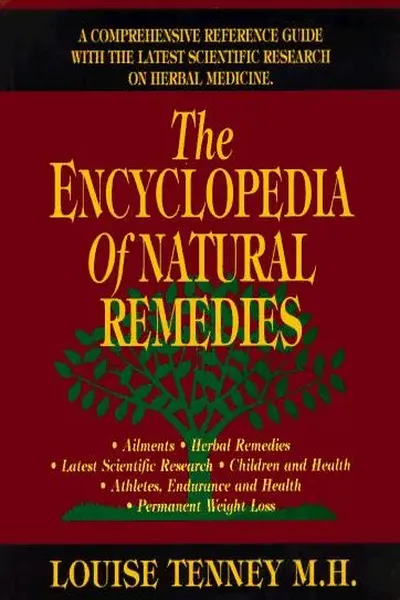
More Free Occult Philosophy Books
View all →