The Druid Isle
 83
83

The Druid Isle
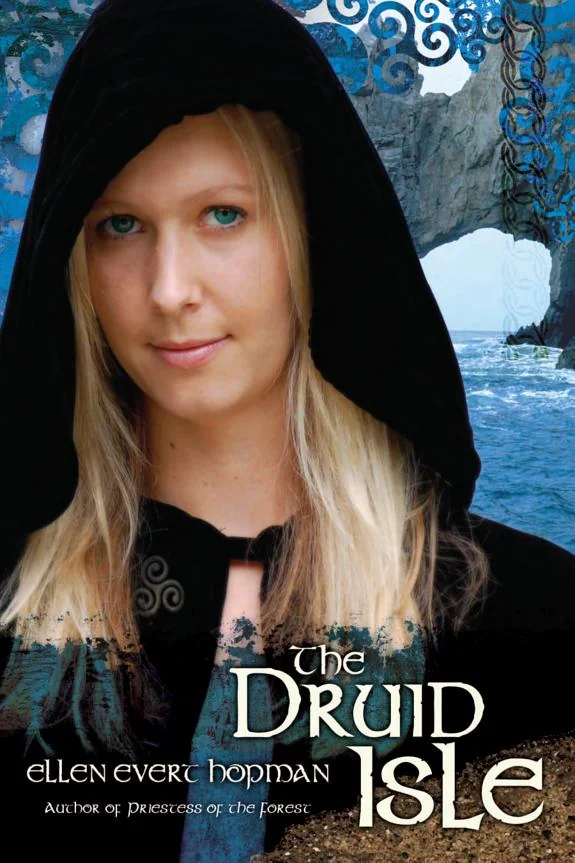
Ellen Evert Hopman's The Druid Isle offers a richly imagined world where the ancient practices of Druidry are not mere historical footnotes but a vibrant, living tradition. The novel centers on Aífe, whose upbringing in a secluded Forest School prepares her for a destiny as a healer and priestess. Hopman excels in depicting the natural world as an active participant in the spiritual lives of her characters, imbuing the forests and wildlife with a palpable sense of ancient power. The initial chapters, detailing Aífe’s education and her deep bond with her home, are particularly evocative, establishing a strong emotional core. However, the narrative's transition to the Druid Isle, while central to Aífe's arc, feels somewhat abrupt, and the introduction of Lucius, a character intended to provide romantic and adventurous counterpoint, doesn't fully develop beyond his initial spirited introduction. The strength of the book lies in its detailed portrayal of Druidic practices and its evocative natural settings. The primary limitation is the pacing in the latter half, which could benefit from further exploration of the challenges and discoveries on the titular isle. Ultimately, The Druid Isle is a commendable exploration of a specific pagan path, offering a compelling glimpse into a spiritual world.
📝 Description
83
Ellen Evert Hopman's The Druid Isle follows Aífe's path to becoming a Druidic healer and priestess.
The Druid Isle tells the story of Aífe, an adopted daughter raised among Druidic practitioners. Her education begins at the Forest School, a place dedicated to learning the "Old Ways." As her calling becomes clear, Aífe must leave the familiar school for the titular Druid Isle, embarking on a journey of personal growth and spiritual development.
The narrative is set against a natural backdrop, highlighting a deep connection to the earth and its energies. It is a work of fiction that draws on ancient Celtic traditions. The story emphasizes spiritual development, the challenges of personal growth, and the relationship between humanity and nature. Readers will find characters focused on healing, magic, and nature-based spirituality.
This novel situates itself within a modern interpretation of ancient Celtic spiritual practices, often termed the "Old Ways." It reconstructs or reimagines pre-Christian European beliefs, focusing on a path connected to Druidry. The story highlights a perceived ancient emphasis on natural cycles, healing arts, and a complex spiritual understanding of the world. The Forest School acts as a setting to show the transmission of knowledge within this tradition.
💡 Why Read This Book?
• Gain insight into the reconstructed practices of the "Old Ways" as presented in the book, understanding the educational journey of a Druidic priestess through Aífe's experiences in the Forest School. • Experience the evocative depiction of nature as a sacred force, central to Druidic spirituality, and how it influences the characters' lives and destinies. • Explore the theme of spiritual pilgrimage through Aífe's mandatory journey to the "Druid Isle," a narrative device symbolizing personal growth and commitment to ancient traditions.
⭐ Reader Reviews
Honest opinions from readers who have explored this book.
❓ Frequently Asked Questions
When was The Druid Isle first published?
The Druid Isle by Ellen Evert Hopman was first published on September 8, 2010, making it a relatively recent exploration of ancient Druidic themes.
What is the main character's name in The Druid Isle?
The main character is named Aífe, the adopted daughter of Drui healer Ethne and her warrior partner Ruadh, who embarks on a significant spiritual journey.
What is the significance of the 'Old Ways' in the book?
The 'Old Ways' in The Druid Isle refer to the ancient, nature-centered spiritual and healing practices of Druidry, emphasizing a deep connection to the earth and its cycles.
Where does the protagonist, Aífe, need to travel to become a healer?
To fulfill her destiny as a healer and priestess, Aífe must leave her home and journey to the specific location known as the "Druid Isle."
What kind of setting is described in the early part of the book?
The early part of the book is set in a "Forest School," described as a place of lush, green trees and abundant wildlife, serving as Aífe's home and educational center.
Does the book focus on historical accuracy or fictional interpretation of Druidry?
While drawing on historical and spiritual concepts of Druidry, The Druid Isle is a work of fiction that interprets and reimagines these elements to tell a compelling story.
🔮 Key Themes & Symbolism
The Old Ways and Druidic Practice
This theme centers on the reconstruction and fictional portrayal of ancient Druidic spiritual and healing practices, termed the 'Old Ways.' The book illustrates these traditions through the education of Aífe, emphasizing a deep reverence for nature, herbalism, and the inherent energies of the earth. It highlights the transmission of knowledge from elders like Ethne to younger generations, depicting a spiritual lineage rooted in the natural world and ancient Celtic wisdom, making it a significant exploration for those interested in pagan paths.
Spiritual Journey and Rite of Passage
The narrative's core revolves around Aífe's transformation from a student in the Forest School to a priestess and healer. Her mandatory journey to the "Druid Isle" serves as a profound rite of passage, testing her resolve and deepening her connection to her spiritual calling. This theme explores the personal sacrifices and challenges inherent in embracing a sacred path, emphasizing that growth often requires leaving behind the familiar and confronting the unknown. The journey itself is a metaphor for spiritual maturation and commitment.
Nature as Sacred and Empowering
The book vividly portrays the natural environment—lush trees, wildlife, and the earth itself—not merely as a backdrop but as a fundamental source of spiritual power and wisdom. The "Old Ways" are intrinsically linked to this reverence for nature, suggesting that true healing and spiritual understanding come from harmonizing with natural cycles and energies. This theme underscores the interconnectedness of all living things and positions the natural world as a potent force in both personal destiny and spiritual practice.
The Role of Healer and Priestess
The novel meticulously details the path to becoming a healer and priestess within the Druidic tradition. This involves rigorous training, inherent spiritual gifts, and a deep ethical commitment. The character of Aífe embodies the aspiring practitioner, learning to harness natural remedies and spiritual insights. The book presents these roles as sacred trusts, requiring wisdom, compassion, and a profound understanding of both the physical and energetic realms, offering a view into spiritual vocations.
💬 Memorable Quotes
Direct passages from the work, attributed to the author.
“Life revolves around the sacred beauty and ancient mystery of the Old Ways.”
— This statement expresses the central spiritual philosophy of the book, highlighting that the ancient Druidic traditions are not just practices but the very essence of existence for the characters, deeply interwoven with the natural world.
“To become a healer and priestess, she must leave behind all that she loves and journey to the Druid Isle.”
— This highlights the theme of sacrifice and pilgrimage inherent in spiritual development. The journey to the "Druid Isle" is presented as a necessary, albeit difficult, step towards fulfilling one's sacred destiny.
“Handsome and spirited, Lucius is resolved to seek adventure outside of the...”
— This introduces a contrasting character, Lucius, whose drive for external adventure contrasts with Aífe's internal spiritual quest, suggesting potential narrative conflicts or complementary paths.
“The Forest School has been the heart of her Druidic education—and her beloved home.”
— This emphasizes the deep connection between learning, home, and spiritual practice. The "Forest School" represents a nurturing environment where the foundations of the "Old Ways" are laid, creating a strong sense of belonging.
“Surrounded by lush, green trees and frolicsome wildlife...”
— This descriptive phrase sets the scene, immediately immersing the reader in the natural, vibrant world that is integral to the Druidic way of life depicted in the novel.
🌙 Esoteric Significance
Tradition
The Druid Isle is firmly rooted in the Western Esoteric tradition, specifically within contemporary Neo-Druidry and broader Pagan spiritual paths. It draws inspiration from reconstructed Celtic spirituality, emphasizing nature worship, healing arts, and a cyclical understanding of life and death. While not strictly adhering to a single historical lineage like Hermeticism or Kabbalah, it shares with them a focus on sacred knowledge, spiritual initiation, and the belief in unseen forces and energies within the natural world. Hopman's work contributes to the modern esoteric landscape by fictionalizing these practices, making them accessible and relatable to a wider audience interested in earth-based spirituality.
Symbolism
Key symbols in The Druid Isle include the "Forest School" and the "Druid Isle" themselves. The Forest School represents a sanctuary of learning, tradition, and nurturing, embodying the deep connection between education and the natural world central to Druidic practice. The Druid Isle functions as a symbolic destination for spiritual maturation and a place of higher initiation, representing a journey into deeper spiritual understanding and responsibility. Additionally, the pervasive presence of lush trees and wildlife symbolizes the vibrant life force (often referred to as *Awen* in some Druidic traditions, though not explicitly named here) and the interconnectedness of all beings within the sacred landscape.
Modern Relevance
Contemporary practitioners of Neo-Druidry, earth-based spiritual movements, and those interested in nature-centered witchcraft often find resonance with the themes presented in The Druid Isle. Authors and bloggers focusing on modern Paganism, Celtic reconstructionism (in its more artistic interpretations), and eco-spirituality may reference or draw inspiration from the book's portrayal of Druidic life. The novel's emphasis on the healer's path and the priestess's role also appeals to individuals exploring spiritual vocations within contemporary Pagan contexts, offering a narrative framework for understanding personal spiritual development aligned with nature.
👥 Who Should Read This Book
• Readers interested in historical fantasy with a strong spiritual or mythological bent, particularly those drawn to Celtic lore and the concept of Druidry. • Individuals seeking fictional explorations of nature-based spirituality, healing practices, and the journey of self-discovery within ancient traditions. • Aspiring practitioners or students of Neo-Druidry and Paganism looking for narrative examples of spiritual education and the challenges of embracing a sacred path.
📜 Historical Context
Published in 2010, Ellen Evert Hopman's The Druid Isle emerges within a contemporary resurgence of interest in Paganism and Neo-Druidry, movements that gained significant traction from the late 20th century onwards. This period saw a proliferation of literature aiming to reconstruct or reimagine pre-Christian European spiritualities, often drawing from Celtic mythology and folklore. Hopman's work engages with this milieu by presenting a narrative grounded in the "Old Ways," a term often used within these movements to denote traditional, nature-based practices. While contemporary academic scholarship on Druidry was developing, focusing on archaeological evidence and classical accounts, popular Neo-Druidry, as reflected in fiction like Hopman's, often embraced more speculative or romanticized interpretations. Unlike the rigorous, scholarly approach seen in figures like Ronald Hutton, who critically examined the historical basis of modern Paganism, Hopman's novel leans towards narrative exploration, offering a fictionalized spiritual journey rather than a historical treatise. The book's reception would likely have been within communities interested in Pagan fiction and Druidic spirituality, rather than mainstream literary or academic circles.
📔 Journal Prompts
Aífe's departure from her beloved home to journey to the Druid Isle: what personal sacrifices feel most significant?
Reflect on the depiction of the "Old Ways" and the role of nature in the Forest School.
Consider the symbolism of the "Druid Isle" as a destination for spiritual growth.
Explore the qualities required of a healer and priestess as presented in the book.
Analyze the contrast between Aífe's journey and Lucius's pursuit of adventure.
🗂️ Glossary
Drui
An ancient Celtic term referring to a member of the learned class in ancient Gaul and Ireland, including priests, philosophers, and magicians. In the context of the book, it specifically denotes practitioners of the ancient Druidic spiritual path.
Old Ways
A term used in the book to represent the ancient, nature-centered spiritual, magical, and healing practices associated with Druidry. It signifies a holistic worldview deeply connected to the earth's cycles and energies.
Forest School
The nurturing and educational environment where the protagonist, Aífe, receives her initial training in the 'Old Ways.' It is depicted as a place of deep connection with nature, surrounded by lush greenery and wildlife.
Druid Isle
A specific geographical and spiritual location central to the protagonist's journey. It represents a place of advanced learning, spiritual initiation, and the assumption of sacred duties as a healer and priestess.
Healer and Priestess
These roles within the narrative signify individuals dedicated to spiritual leadership, the practice of sacred rites, and the use of natural and energetic means for physical and spiritual well-being.
Ruadh
The name of Aífe's adoptive warrior father, who, along with her Drui healer mother Ethne, guides her early life and education.
Ethne
The name of Aífe's adoptive Drui healer mother. She plays a central role in Aífe's upbringing and introduction to the 'Old Ways'.
This book appears in 1 collection
🔮 Readers Also Liked
Browse all →









From the “Druidism” Collection
View all →


More Free Occult Philosophy Books
View all →