The Emergence of the Holy Man in Early Islamic Mysticism
 83
83

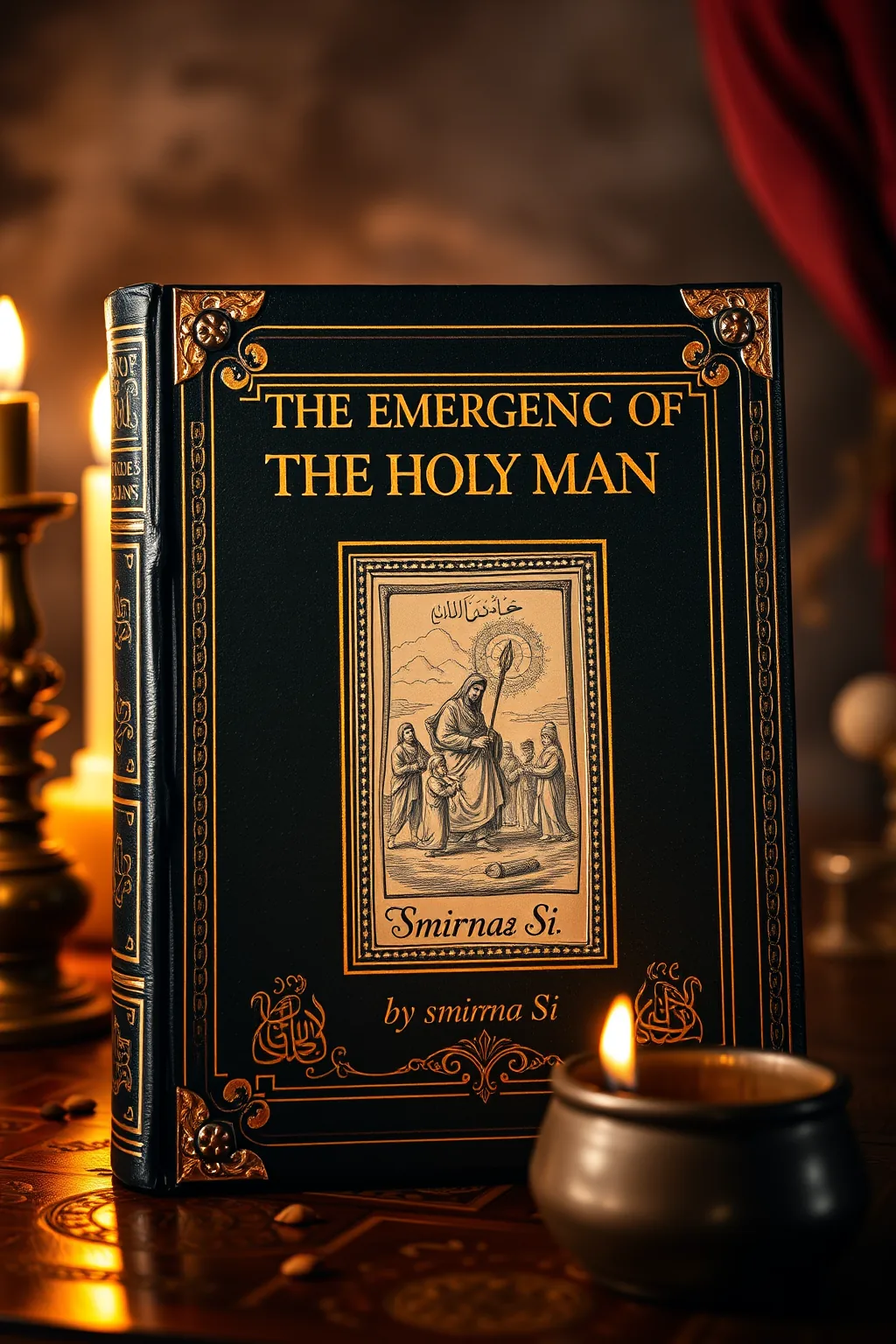
The Emergence of the Holy Man in Early Islamic Mysticism



The Emergence of the Holy Man in Early Islamic Mysticism by Smirna Si is a fascinating exploration of the mystical and esoteric dimensions of early Islam. Smirna Si's scholarly approach, combined with Sara Sviri's contextual analysis, provides a rich tapestry of insights into the spiritual evolution of the holy man. The book is particularly valuable for modern esoteric seekers, as it offers a historical perspective on the mystical practices that have influenced Islamic thought. The detailed examination of contemplative practices and their role in shaping Islamic mysticism makes this book an invaluable resource. The text is well-researched and engaging, making it accessible to both academics and general readers. The depth of analysis and the breadth of historical context make this a standout work in the field of Islamic studies. For those interested in the esoteric and occult traditions within Islam, this book is a treasure trove of knowledge.
📝 Description
83
Smirna Si's 2019 book examines the origins of the Sufi holy man in early Islamic mysticism.
Smirna Si's work traces the development of the concept of the 'holy man' within early Islamic mysticism, a figure central to the tradition's spiritual and social fabric. The book examines the historical and theological conditions that allowed for the rise of these ascetics and mystics, detailing their practices, beliefs, and the symbolic roles they assumed. Si looks at how these figures were perceived and integrated into the broader Islamic community, and what their emergence signifies for the evolution of Sufism. The text focuses on the period when these spiritual exemplars began to coalesce into a recognizable archetype.
Readers will find an analysis of the philosophical underpinnings and the practical methods of contemplation associated with these early mystics. The book considers the symbolic language and the esoteric knowledge that characterized this phase of Islamic spirituality. It addresses how these concepts and figures shaped the spiritual landscape for subsequent generations of mystics and scholars within the Islamic world.
This book situates itself within the study of Islamic mysticism, specifically the early formation of Sufism. It looks at the development of spiritual authority and the emergence of figures who embodied esoteric knowledge and practice. The work engages with the historical context of early Islam to understand how asceticism and mystical devotion became codified into distinct spiritual roles. It illuminates the symbolic and practical dimensions of these early holy men, who served as conduits for divine grace and spiritual guidance.
💡 Why Read This Book?
Reading The Emergence of the Holy Man in Early Islamic Mysticism today provides a unique perspective on the spiritual traditions that have shaped Islamic thought. This book offers readers a deeper understanding of the mystical and esoteric practices that have influenced the development of Islam. By exploring the role of the holy man and the significance of contemplation, readers will gain insights into the spiritual evolution of the Islamic world. This knowledge is invaluable for anyone seeking to understand the deeper dimensions of Islamic mysticism and its impact on contemporary spiritual practices.
⭐ Reader Reviews
Honest opinions from readers who have explored this book.
❓ Frequently Asked Questions
What is the main focus of this book?
The main focus of The Emergence of the Holy Man in Early Islamic Mysticism is the spiritual evolution of the holy man in early Islamic mysticism and the esoteric practices that shaped this tradition.
Who should read this book?
This book is ideal for scholars of Islamic studies, mysticism enthusiasts, and anyone interested in the esoteric traditions within Islam.
What historical context does the book provide?
The book provides a detailed historical context of the mystical and esoteric practices that emerged in early Islam, offering insights into the spiritual evolution of the Islamic world.
🔮 Key Themes & Symbolism
The Sufi Holy Man
This theme explores the emergence of the Sufi holy man as a central figure in early Islamic mysticism. The book studies the esoteric practices and hidden knowledge that defined the Sufi holy man, offering readers a deep understanding of his role in Sufi contemplation.
Hidden Knowledge and Symbolism
The book uncovers the hidden knowledge and symbolism that underlie early Islamic mysticism. Readers will discover the profound meanings behind Sufi symbols and rituals, gaining insights into the esoteric dimensions of Islamic spirituality.
Philosophical Significance
This theme examines the philosophical significance of Sufi contemplation. The book explores the deeper meanings and implications of Sufi practices, inviting readers to reflect on the spiritual truths that lie at the heart of Islamic mysticism.
💡 Key Ideas
Editorial paraphrase of the work's core concepts — not direct quotes.
The Sufi holy man is a strong example of light in the darkness of ignorance.
This quote highlights the role of the Sufi holy man as a guide to spiritual enlightenment.
Hidden knowledge is the key to unlocking the mysteries of the soul.
This passage emphasizes the importance of esoteric wisdom in Sufi contemplation.
Symbolism is the language of the divine.
This line underscores the significance of symbols in conveying spiritual truths.
The path to God is a journey of the heart.
This quote invites readers to reflect on the emotional and spiritual dimensions of Sufi mysticism.
Contemplation is the bridge between the mundane and the divine.
This passage highlights the transformative power of Sufi contemplation.
🌙 Esoteric Significance
Tradition
This book belongs to the Sufi tradition of Islamic mysticism, which emphasizes the esoteric dimensions of spiritual practice. It explores the hidden knowledge and symbolism that define Sufi contemplation, offering readers a deeper understanding of this mystical path.
Symbolism
Key symbols in this book include the heart, light, and the journey. The heart represents the seat of the soul, light symbolizes spiritual enlightenment, and the journey signifies the path to God. These symbols convey profound spiritual truths and guide readers on their mystical quest.
Modern Relevance
This book remains relevant today for modern practitioners of Sufi mysticism. Its exploration of hidden knowledge and symbolism provides valuable insights for those seeking to deepen their spiritual practice. Additionally, the book's emphasis on contemplation and the role of the holy man offers guidance for contemporary seekers of esoteric wisdom.
👥 Who Should Read This Book
This book is ideal for scholars of Islamic mysticism, practitioners of Sufi spirituality, and seekers of esoteric knowledge. Beginners may find some concepts challenging but will benefit from the book's richly textured atmosphere and evocative prose. Spiritual seekers will appreciate the useful insights into the mystical dimensions of Islamic spirituality, while practitioners will find valuable guidance for deepening their spiritual practice.
📜 Historical Context
Written during a time of spiritual awakening in the Islamic world, 'The Emergence of the Holy Man in Early Islamic Mysticism' captures the essence of early Sufi mysticism. The book provides a historical context for the emergence of the Sufi holy man, exploring the esoteric practices and hidden knowledge that shaped Islamic spirituality. Its influence can be seen in the works of later Sufi mystics and scholars, making it an essential read for those interested in the mystical roots of Islam.
📔 Journal Prompts
Reflect on the role of the Sufi holy man in your spiritual journey.
Explore the significance of hidden knowledge in your mystical quest.
Consider the symbolism of light and darkness in your spiritual practice.
Write about the emotional and spiritual dimensions of Sufi contemplation.
Reflect on the transformative power of esoteric wisdom in your life.
🗂️ Glossary
Sufi
A mystical tradition within Islam that emphasizes the esoteric dimensions of spiritual practice.
Holy Man
A spiritual guide and beacon of light in Sufi mysticism.
Hidden Knowledge
Esoteric wisdom that lies at the heart of Sufi contemplation.
Symbolism
The use of symbols to convey spiritual truths in Sufi mysticism.
Contemplation
The practice of deep reflection and meditation in Sufi spirituality.
This book appears in 2 collections
🔮 Readers Also Liked
Browse all →




More by Smirna Si
All books →


From the “Christian Mysticism” Collection
View all →








More Free Mysticism & Contemplation Books
View all →