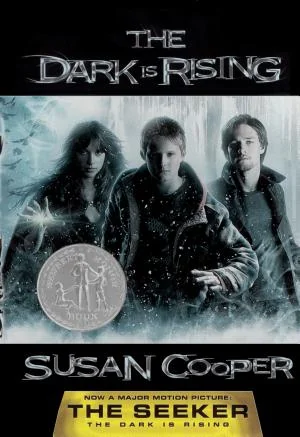
The Dark Is Rising
 78
78

The Dark Is Rising
Cooper’s "The Dark Is Rising" presents a compelling adolescent protagonist, Will Stanton, who embodies a classic reluctant hero archetype. The book excels in its atmosphere, drawing effectively from British folklore and a palpable sense of ancient magic. The progression of Will’s powers and his growing understanding of his role as the last of the Old Ones are handled with a steady, unhurried pace that allows the weight of his task to settle in. However, the narrative occasionally feels a little too direct in its exposition of the magical conflict, sometimes leaning on the reader's acceptance of supernatural events without fully exploring the internal logic of the Dark's motivations beyond pure malevolence. The passage where Will first confronts the manifestations of the Dark in the snowstorm is particularly effective, showcasing the raw, elemental power at play. Despite its occasional narrative conveniences, the novel remains a potent exploration of inherited duty and the courage found in facing overwhelming odds.
📝 Description
78
Susan Cooper's "The Dark Is Rising" published in 1973 introduces Will Stanton, an ordinary boy who learns he is an Old One.
Will Stanton is an eleven-year-old boy on his twelfth birthday who discovers he is the last of the Old Ones. These ancient beings are tasked with protecting the world from the encroaching Dark. The story follows Will as he must find six magical signs to defeat the forces threatening to bring eternal night.
This novel is suited for young adult readers aged 12 to 14. It will appeal to those who enjoy fantasy narratives grounded in mythology. Readers who like stories about hidden heritage, reluctant heroes, and the conflict between light and shadow will find it engaging. Those seeking a mix of adventure, folklore, and arcane elements will be absorbed by the tale.
Published in 1973, "The Dark Is Rising" arrived as fantasy literature explored deeper themes. It followed J.R.R. Tolkien's work and predated the surge in epic fantasy. Cooper's novel, part of a larger series, helped shape young adult fantasy. It featured darker elements and complex mythologies, moving beyond simple fairy tales.
💡 Why Read This Book?
• Learn about the cyclical struggle between Light and Dark as depicted through the Old Ones and the encroaching Shadow, a concept central to the book's mythology. • Experience the significance of ancient symbols and signs, such as the six signs Will must find, which represent forgotten power and knowledge necessary for world preservation. • Understand the theme of destiny and inherited responsibility through Will Stanton's journey, discovering how an ordinary boy becomes a vital protector against an ancient evil.
⭐ Reader Reviews
Honest opinions from readers who have explored this book.
❓ Frequently Asked Questions
What is the main conflict in "The Dark Is Rising"?
The central conflict is the ancient battle between the forces of Light, embodied by the Old Ones like Will Stanton, and the encroaching Dark, which seeks to bring eternal night upon the world.
Who are the Old Ones in Susan Cooper's novel?
The Old Ones are immortal beings who are reincarnated through human generations to protect the world from the Dark. Will Stanton discovers he is the last of their kind.
What is the significance of the six magical signs?
The six magical signs are crucial artifacts or symbols that Will Stanton must find to defeat the Dark. They represent forgotten power and ancient knowledge necessary for the Light's victory.
When was "The Dark Is Rising" first published?
The book "The Dark Is Rising" was first published in 1973.
Is "The Dark Is Rising" part of a series?
Yes, "The Dark Is Rising" is the second book in Susan Cooper's "The Dark Is Rising" series, following "Over Sea, Under Stone."
What kind of magic is featured in the book?
The magic is deeply rooted in British folklore and ancient, elemental forces. It involves the powers of the Old Ones, the threat of the Dark, and the discovery of symbolic signs.
🔮 Key Themes & Symbolism
Light Versus Dark
The narrative is fundamentally structured around the eternal conflict between primal forces of Light and Dark. The Dark represents chaos, entropy, and oblivion, while the Light signifies order, life, and continuity. This struggle is not merely a battle of good versus evil but a cosmic necessity for maintaining balance in the world. The Old Ones, like Will Stanton, are agents of the Light, tasked with preventing the Dark's dominion, which would plunge existence into an unending night.
The Power of Signs
The six magical signs are central to the plot and represent tangible manifestations of ancient power and knowledge. Their discovery is Will's primary quest, and each sign unlocked weakens the Dark's hold and empowers the forces of Light. These signs are not mere trinkets but keys to forgotten lore and potent energies, embodying the idea that true power lies in understanding and harnessing the world's hidden currents.
Inherited Duty and Destiny
Will Stanton's journey is one of discovering his inherent destiny and accepting the immense responsibility that comes with it. As the last of the Old Ones, he is born with a specific role to play in the cosmic struggle. The book explores the weight of this inherited duty, particularly for a young boy, and the courage required to embrace his fate and confront forces far greater than himself.
Cycles of Time and Reincarnation
The concept of reincarnation is integral to the Old Ones, who are reborn across centuries to fulfill their duty. This suggests a cyclical view of time and conflict, where the battle between Light and Dark is not a singular event but an ongoing, recurring phenomenon. The narrative implies that the same ancient forces and the same struggle have existed for millennia and will continue indefinitely, with new champions rising when needed.
💬 Memorable Quotes
Direct passages from the work, attributed to the author.
“The Dark was of the world, and he was of the Dark.”
— This statement captures the fundamental nature of the antagonists. The Dark is not an external invader but an intrinsic part of existence, a force of nature that opposes the life-giving aspects of Light. It suggests a balance, albeit a perilous one, where the Dark has its own inherent place and power within the cosmic order.
“He was the last of the Old Ones, the last of the Light.”
— This phrase emphasizes Will's isolation and the immense burden placed upon him. Being the 'last' signifies the potential end of an ancient lineage and the critical nature of his role in continuing the fight against the Dark. It highlights the solitary responsibility he must bear.
“The signs were there to be found, to be used.”
— This highlights the active quest central to the plot. The magical signs are not passive elements but possess inherent power that must be actively sought out and wielded. Their existence implies a preordained path and the necessity of Will's actions to recover and employ this lost magic.
“The Dark is not a force that can be defeated, only held at bay.”
— This interpretation suggests that the struggle between Light and Dark is not about annihilation but about maintaining equilibrium. The Dark is an eternal aspect of existence, and the goal is not to eradicate it but to prevent it from overwhelming the world, preserving the balance necessary for life and order.
💡 Key Ideas
Editorial paraphrase of the work's core concepts — not direct quotes.
There are more things in heaven and earth than are dreamt of in your philosophy.
Though a paraphrase of Shakespeare, the sentiment resonates deeply within the book's context. It speaks to the hidden, magical realities that underpin the mundane world, which characters like Will are learning to perceive and interact with, suggesting a reality far grander and more mysterious than ordinary perception allows.
🌙 Esoteric Significance
Tradition
While not strictly adhering to a single established esoteric lineage, "The Dark Is Rising" draws heavily from the archetypal conflicts found in Western esotericism, particularly Gnosticism and Hermeticism, concerning the struggle between primal Light and Shadow. It carries the Gnostic concept of a flawed creation or an encroaching force of ignorance (the Dark) that obscures divine truth (the Light). The idea of ancient powers, hidden knowledge, and individuals awakened to a cosmic struggle aligns with Hermetic principles of correspondence and the hidden nature of reality.
Symbolism
The novel prominently features the symbolism of the six magical signs, which represent ancient, elemental powers necessary to combat the encroaching Dark. These signs can be interpreted as keys to unlocking forgotten spiritual knowledge or activating primordial forces. The recurring motif of the circle, often associated with eternity, unity, and the cyclical nature of time and reincarnation, also plays a significant role, underscoring the ongoing battle between Light and Dark across ages.
Modern Relevance
Contemporary fantasy authors and practitioners of modern witchcraft or neo-paganism often cite Cooper's work for its authentic portrayal of folklore and its exploration of elemental magic. The book's emphasis on the cyclical nature of power, the importance of ancient symbols, and the idea that individuals can tap into hidden forces to effect change continues to inspire readers interested in animistic beliefs and the concept of the 'Earth power' or 'Old Ways' that predate organized religion.
👥 Who Should Read This Book
• Young adult readers aged 12-14 seeking immersive fantasy adventures that explore profound themes of destiny and courage. • Students of comparative mythology and folklore interested in how ancient British legends are woven into a compelling narrative. • Aspiring writers and readers who appreciate atmospheric storytelling and the exploration of archetypal battles between light and shadow.
📜 Historical Context
Published in 1973, Susan Cooper's "The Dark Is Rising" emerged during a period of burgeoning interest in mythic fantasy for young adults, a genre gaining momentum beyond the shadow of J.R.R. Tolkien's monumental works. The novel was part of a larger sequence, building upon the foundations laid in "Over Sea, Under Stone" (1965). Cooper’s work distinguished itself by its sophisticated engagement with British folklore and its darker, more complex portrayal of good versus evil, moving beyond simpler allegories. While children's literature in the late 1960s and early 1970s was exploring new depths, Cooper’s approach, grounded in ancient lore and cyclical time, offered a unique perspective. The book's reception was strong, earning critical acclaim and contributing significantly to the genre's evolution, influencing subsequent authors who sought to imbue their fantasy narratives with deeper cultural and historical resonances.
📔 Journal Prompts
Will Stanton's discovery of his heritage as the last of the Old Ones.
The symbolic meaning and function of the six magical signs.
The atmospheric depiction of the Cornish setting and its ancient feel.
The nature of the Dark as an encroaching, elemental force.
The contrast between the mundane world and the hidden magical reality.
🗂️ Glossary
The Old Ones
Immortal beings who are reincarnated through human generations to protect the world from the encroaching Dark and maintain the balance of Light.
The Dark
A malevolent, primordial force that seeks to engulf the world in eternal night and chaos. It is an intrinsic aspect of existence that must be held at bay.
The Signs
Six magical symbols or artifacts that Will Stanton must find to gain the power necessary to defeat the Dark and save the world.
The Light
The opposing force to the Dark, representing order, life, and continuity. The Old Ones are its agents.
Reincarnation
The process by which the Old Ones are reborn into human form across different eras to continue their eternal duty.
The Maker
A term used to refer to the divine or creative force behind the world, often invoked in connection with the Light and the Old Ones' purpose.
The Shadow
Often used interchangeably with 'The Dark,' representing the forces of entropy, oblivion, and negation that threaten existence.
🔮 Readers Also Liked
Browse all →









More Free Occult Philosophy Books
View all →