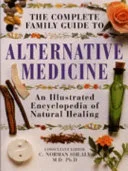
The Complete Family Guide to Alternative Medicine
 75
75

The Complete Family Guide to Alternative Medicine
Richard Thomas’s 1996 guide offers a clear, if somewhat dated, overview of alternative medicine. Its strength lies in its structured approach, presenting comparisons between orthodox and alternative treatments and providing a handy A-Z reference for common ailments. This clarity is its greatest asset, moving beyond the often-vague promises of some esoteric health literature. However, the limitation is inherent in its publication date; medical understanding and the landscape of alternative therapies have evolved considerably since 1996. For instance, while the book lists various herbal remedies, contemporary research may offer more nuanced or evidence-based insights into their efficacy and contraindications. The section on common ailments, while comprehensive for its time, lacks the depth of current diagnostic understanding. Ultimately, *The Complete Family Guide to Alternative Medicine* serves as a useful historical snapshot and a basic primer, but should be supplemented with more current research for practical application.
📝 Description
75
Richard Thomas's 1996 guide aimed to make alternative healing understandable for families.
Published in 1996, *The Complete Family Guide to Alternative Medicine* by Richard Thomas acts as a reference for those interested in healing methods outside conventional medicine. The book contrasts these alternative therapies with standard medical treatments, giving readers a dual view of health. Thomas sought to explain a wide array of treatments, making them accessible to the general reader.
This guide is for people who want to learn about medical options beyond typical approaches. It is especially helpful for readers curious about natural remedies, whole body health, and personal care. Families seeking extra information for common health issues or looking into different treatment choices will find its layout useful. The book arrived during a time of growing public interest in alternative medicine in the mid-1990s.
This book entered the discourse on healing during the 1990s, a decade marked by increased public curiosity in spiritual development and complementary health practices. As a growing number of people questioned solely biomedical models of health, they turned to traditions that emphasized natural remedies and a connection between mind, body, and spirit. Thomas's work engaged with this shift, situating itself within a broader movement seeking holistic well-being and personal empowerment in health decisions.
💡 Why Read This Book?
• Gain an understanding of comparative medicine by examining Thomas's 1996 comparisons between alternative and orthodox treatments, offering a historical perspective on health discourse. • Learn practical approaches to managing common ailments through the book’s curated list of recommended treatments, many rooted in traditional herbalism. • Quickly access information on diverse therapies and conditions using the integrated A-Z reference guide, a structured tool for exploring non-conventional health options.
⭐ Reader Reviews
Honest opinions from readers who have explored this book.
❓ Frequently Asked Questions
What is the primary focus of *The Complete Family Guide to Alternative Medicine*?
The book's primary focus is comparing alternative medical practices with orthodox medicine, detailing common ailments, and recommending effective treatments, all presented in an accessible A-Z reference format.
When was Richard Thomas's guide first published?
Richard Thomas's *The Complete Family Guide to Alternative Medicine* was first published in 1996, reflecting the interest in alternative health during that era.
Does the book offer practical advice for home use?
Yes, the guide provides recommendations for effective treatments for common ailments, aiming to equip families with information for self-care and exploration of non-conventional options.
What kind of alternative treatments are covered?
The book covers a range of alternative treatments, including those based on herbalism, nutrition, and other natural modalities, contrasting them with conventional medical approaches.
Is this book suitable for medical professionals?
While offering a broad overview, the book is primarily geared towards a general audience seeking an introduction and comparison of alternative medicine. Medical professionals might find it a historical reference rather than a clinical guide.
How does the A-Z reference guide function?
The A-Z guide allows readers to quickly look up specific common ailments or alternative therapies, providing concise information and treatment suggestions relevant to the book's scope.
🔮 Key Themes & Symbolism
Orthodox vs. Alternative Medicine
The work systematically contrasts established medical practices with a spectrum of alternative healing modalities. It aims to provide readers with a comparative framework, allowing them to evaluate different approaches to health and wellness. This is not a simple endorsement of one over the other, but an exploration of the philosophies and methodologies that differentiate them, encouraging informed choices.
Ailments and Treatments
A core function of the guide is its detailed catalog of common ailments. For each condition, Thomas offers recommendations for effective treatments derived from alternative medicine. This practical focus empowers readers by suggesting tangible remedies and approaches they can explore, moving beyond theoretical discussions to actionable advice rooted in natural and holistic principles.
Accessibility and Reference
Designed as a 'Family Guide', the book prioritizes clarity and ease of use. The inclusion of a quick A-Z reference section is central to this aim. It transforms complex information into readily digestible entries, ensuring that readers can efficiently find information on specific conditions or therapies without needing extensive prior knowledge.
Holistic Health Exploration
Beyond mere symptom management, the book implicitly advocates for a more holistic view of health. By presenting a wide array of alternative therapies, it encourages readers to consider the interconnectedness of physical, mental, and environmental factors in well-being, fostering a broader perspective on personal health management.
💬 Memorable Quotes
Direct passages from the work, attributed to the author.
“Comparisons between alternative and orthodox medicine”
— This phrase captures the book's core function: presenting a balanced, comparative view of different healing systems, enabling readers to understand their distinctions and potential applications.
“A list of common ailments”
— This highlights the guide's practical utility, serving as a reference point for everyday health concerns that readers might wish to address with non-conventional methods.
“Recommendations on effective treatments”
— This points to the actionable advice within the book, suggesting specific therapeutic approaches that the author deems beneficial for various conditions.
“A quick A-Z reference guide”
— This emphasizes the book's user-friendly design, ensuring that information is easily accessible and searchable for readers seeking specific details on ailments or therapies.
“Published in 1996”
— This contextualizes the information within a specific timeframe, acknowledging that the range of alternative medicine and its research has evolved significantly since the book's initial release.
🌙 Esoteric Significance
Tradition
While not explicitly aligned with a single esoteric lineage like Hermeticism or Gnosticism, *The Complete Family Guide to Alternative Medicine* draws heavily from traditions emphasizing vitalism, natural law, and holistic interconnectedness. It reflects a broader Neo-Theosophical and New Age current that gained traction in the late 20th century, viewing the body as a complex energetic system amenable to natural forces and subtle energies, distinct from purely materialistic interpretations of disease.
Symbolism
The book's symbolism is primarily functional rather than overtly mystical. However, the very act of contrasting 'alternative' with 'orthodox' medicine invokes a symbolic dichotomy between natural, holistic healing (often associated with the Earth and ancient wisdom) and the artificial, reductionist approach of modern science. The A-Z format itself can be seen as a symbolic attempt to bring order and comprehensibility to a vast, sometimes esoteric, body of knowledge.
Modern Relevance
Contemporary practitioners of functional medicine, integrative health, and naturopathy echo the holistic principles presented in Thomas's work. While specific modalities and research have advanced, the book's foundational approach—comparing diverse treatments, clarifying natural remedies, and empowering patients with information—remains relevant for individuals seeking to read through the complex range of modern healthcare options beyond conventional prescriptions.
👥 Who Should Read This Book
• Individuals curious about non-conventional health practices seeking a foundational overview. • Families looking for accessible information on managing common ailments through alternative or complementary therapies. • Researchers or students interested in the history and public perception of alternative medicine in the 1990s.
📜 Historical Context
The mid-1990s marked a significant surge in public interest in alternative and complementary medicine (CAM), a trend Richard Thomas's 1996 book tapped into. Mainstream medical discourse, heavily influenced by the pharmaceutical industry and scientific positivism, often viewed CAM with skepticism, if not outright dismissal. Books like Thomas's emerged as crucial bridges, translating complex alternative philosophies and practices into accessible formats for a growing audience seeking more personalized or holistic health solutions. This period also saw the beginnings of more rigorous academic study into CAM, with figures like David Eisenberg publishing influential research in the New England Journal of Medicine around this time, signaling a gradual shift towards greater integration and investigation. The reception of such guides was generally positive among proponents of alternative health, though often met with caution by the established medical community, reflecting the ongoing tension between biomedical hegemony and burgeoning holistic movements.
📔 Journal Prompts
The comparison between alternative and orthodox medicine presented in the 1996 guide.
Specific recommendations for effective treatments for common ailments.
The structure and utility of the A-Z reference guide.
Personal reflections on the accessibility of alternative health information.
Evaluating the historical context of alternative medicine in the mid-1990s.
🗂️ Glossary
Orthodox Medicine
Refers to conventional Western medicine, characterized by its reliance on scientific evidence, pharmaceuticals, surgery, and standardized diagnostic procedures.
Alternative Medicine
A broad category of healing practices and therapies that are not considered part of standard medical care, often emphasizing natural remedies and holistic approaches.
Common Ailments
Frequently occurring health conditions or symptoms that individuals typically experience, such as colds, headaches, or minor injuries, which the book addresses with alternative treatments.
Effective Treatments
Therapeutic methods or interventions that produce a desired or intended result in managing or alleviating a specific health condition, as suggested within the guide.
A-Z Reference Guide
A structured section within the book that organizes information alphabetically, allowing for quick and easy lookup of specific topics, conditions, or therapies.
Holistic Health
An approach to well-being that considers the interconnectedness of the mind, body, and spirit, emphasizing balance and treating the whole person rather than just symptoms.
Herbalism
A traditional or folk practice that utilizes plants and plant extracts for medicinal purposes, often forming a significant component of alternative medicine approaches.