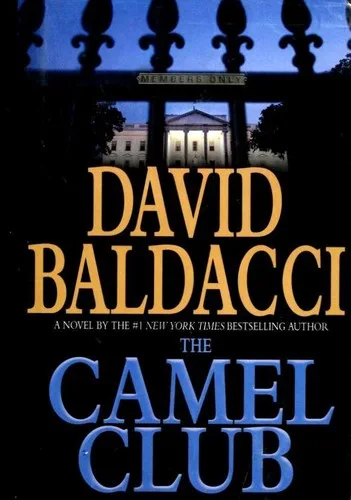
The Camel Club
 72
72

The Camel Club
Baldacci’s 2017 entry, *The Camel Club*, presents a familiar premise: a cabal of unlikely figures operating in the shadows to influence world events. The strength lies in the tightly wound plotting and the gradual reveal of the club's members and their motivations. However, the narrative occasionally strains credulity, with coincidences stacking up to serve the plot. The early chapters, establishing the club's eccentric leader, Alex Ford, and his quiet observations, offer a compelling glimpse into their unique brand of civic duty before the thriller elements fully take over. While the pacing is generally brisk, some character arcs feel underdeveloped amidst the escalating stakes. Ultimately, *The Camel Club* delivers a serviceable thriller that entertains but rarely surprises.
📝 Description
72
David Baldacci's 2017 thriller, The Camel Club, features a secret group influencing societal events.
Published in 2017, David Baldacci's The Camel Club follows a clandestine organization that watches and sometimes intervenes in major societal occurrences. These self-appointed protectors operate outside official systems, holding a distinct viewpoint on power dynamics. Their involvement in a complicated plot forces them to face dangerous enemies and difficult ethical questions.
The story examines justice, deceit, and the unseen forces that direct public matters. It appeals to readers who like complex plots about secret groups and high stakes. The novel is for those who enjoy stories where everyday people take unusual steps to find the truth or bring about change. Fans of political thrillers with a suspenseful element will be drawn to the group's hidden actions and the intellectual tests they encounter.
The Camel Club operates as a metaphor for vigilance and unofficial oversight, reminiscent of historical societies or philosophical orders that observe and subtly influence societal direction. The narrative questions the extent to which public life is shaped by unseen forces, touching upon themes of conspiracy that resonate with esoteric traditions exploring hidden knowledge and power dynamics. It presents a modern take on the idea of individuals outside established systems acting upon perceived wrongs, a concept found in various philosophical and occult traditions that emphasize direct action or illuminated understanding.
💡 Why Read This Book?
• Gain an understanding of how Baldacci constructs intricate conspiracy plots, learning from the pacing and reveal strategies employed throughout the narrative, particularly in chapters focusing on the club's initial investigations. • Experience a unique exploration of vigilantism and 'outsider justice' as depicted through the actions of Alex Ford and his associates, offering a fictional lens on societal accountability. • Discover how the novel, published in 2017, taps into contemporary anxieties about hidden influences and the balance of power, providing a fictional case study of clandestine operations.
⭐ Reader Reviews
Honest opinions from readers who have explored this book.
❓ Frequently Asked Questions
What is the primary goal of the Camel Club?
The Camel Club's primary goal is to observe and, when necessary, subtly influence significant events or counter perceived threats to society, operating outside official government channels.
Who is the main character associated with the Camel Club?
Alex Ford is the central figure and founder of the Camel Club. He is a former intelligence analyst whose unique skills and perspective drive the group's activities.
When was The Camel Club by David Baldacci first published?
The Camel Club was first published in 2017, placing it within the author's extensive catalog of contemporary thrillers.
What kind of themes does The Camel Club explore?
The book explores themes of conspiracy, justice, deception, power, and the role of individuals operating outside established systems to achieve their objectives.
Is The Camel Club part of a series?
Yes, The Camel Club is the first book in a series featuring the titular group. Subsequent books continue their clandestine operations.
What is the central conflict in The Camel Club?
The central conflict involves the Camel Club uncovering a dangerous conspiracy and becoming targets themselves, forcing them to use their unique skills to survive and expose the truth.
🔮 Key Themes & Symbolism
Clandestine Oversight
The core of the novel revolves around the concept of the Camel Club itself, a self-appointed group of observers who believe in monitoring and, at times, subtly intervening in events beyond the purview of official agencies. They represent a form of 'outsider justice,' operating on principles of vigilance and an unofficial sense of civic duty. Their existence questions the necessity and effectiveness of established institutions when facing complex threats, highlighting a desire for accountability from those who believe the system is failing.
The Nature of Conspiracy
Baldacci uses the narrative to explore the pervasive idea that significant world events are not accidental but orchestrated. The Camel Club actively seeks out these hidden machinations, presenting a world where powerful, often unseen, forces manipulate outcomes. This theme studies the psychological impact of believing in such structures, the paranoia it can engender, and the thrill of uncovering perceived truths that lie beneath the surface of public knowledge.
Moral Ambiguity in Action
The members of the Camel Club, while often acting with noble intentions, operate in morally grey areas. Their methods are unconventional, and their pursuit of justice can involve deception and risk-taking that blurs the lines between right and wrong. The book prompts readers to consider whether the ends justify the means, particularly when confronting perceived greater evils. This exploration highlights the difficult ethical compromises individuals might make when operating outside the law for what they deem a greater good.
The Power of Observation
A key tenet for the Camel Club is the power derived from diligent observation and intelligence gathering. Alex Ford, the group's leader, relies on his analytical skills to piece together seemingly disparate events. The novel suggests that true understanding and the ability to effect change often stem from meticulous attention to detail and a keen perception of underlying patterns, rather than overt force.
💬 Memorable Quotes
Direct passages from the work, attributed to the author.
“The Camel Club watches.”
— This short, declarative statement captures the group's primary function and ethos. It suggests a constant, often unseen, state of vigilance and a commitment to observing the machinations of power and influence from the periphery.
“They were the watchers in the shadows, the unseen arbiters.”
— This phrase highlights the clandestine nature of the club's operations and their self-perceived role as unofficial guardians. It underscores their position outside the public eye, yet deeply involved in the unfolding of significant events.
“Truth was a slippery thing, often buried under layers of deception.”
— This concept reflects the central challenge faced by the Camel Club. It acknowledges the difficulty in discerning reality amidst manipulation and underscores their mission to uncover buried truths, no matter how obscured.
“Sometimes, the only way to fix things was to break the rules.”
— This idea speaks to the group's willingness to operate outside legal or ethical norms when they believe it necessary to achieve a greater good. It highlights the moral compromises inherent in their vigilante approach to justice.
“Alex Ford believed in the power of quiet intervention.”
— This concept defines the protagonist's philosophy and the club's modus operandi. It suggests that significant impact can be achieved through subtle actions and strategic influence rather than overt confrontation.
🌙 Esoteric Significance
Tradition
While not overtly occult, *The Camel Club* can be seen as resonating with certain Gnostic or Hermetic themes concerning hidden knowledge and the manipulation of the material world by unseen forces. The club's members act as latter-day 'initiates' who perceive a deeper reality behind societal appearances. Their mission to uncover 'truth' and effect change from the shadows aligns with esoteric traditions that emphasize secret wisdom and the potential for enlightened individuals to influence the course of events, albeit through unconventional means.
Symbolism
The concept of the 'Camel Club' itself functions symbolically, representing a patient, enduring, and perhaps stubborn force that carries burdens (knowledge, responsibility) across difficult terrain (societal challenges). The 'shadows' in which they operate symbolize secrecy, hidden knowledge, and the liminal spaces outside conventional authority. The act of 'watching' can be interpreted as a form of esoteric discernment, a practice of seeing beyond the veil of illusion to perceive underlying truths.
Modern Relevance
Contemporary thinkers and practitioners interested in critical theory, power structures, and alternative forms of activism might find resonance in *The Camel Club*. The novel's exploration of how individuals can challenge powerful, opaque systems from the outside speaks to modern discussions about citizen journalism, whistleblowing, and the decentralized nature of influence in the digital age. It reflects a continued fascination with uncovering hidden agendas and the potential for small, organized groups to impact larger societal narratives.
👥 Who Should Read This Book
• Readers interested in thrillers that explore conspiracy and hidden power structures, offering a fictional examination of how individuals might operate outside official channels. • Fans of David Baldacci's writing style who appreciate intricate plotting, suspenseful pacing, and characters driven by a sense of clandestine purpose. • Individuals intrigued by the concept of 'outsider justice' and the moral complexities of vigilantism, particularly as depicted through the actions of Alex Ford and his associates.
📜 Historical Context
David Baldacci's *The Camel Club*, published in 2017, arrived at a time when public trust in institutions was a recurring theme in global discourse. The novel taps into a lineage of fiction featuring secret societies and shadowy organizations, a trope that has roots stretching back to the Enlightenment and gained significant traction in the late 20th century with authors like Robert Ludlum. While Baldacci's work is firmly in the thriller genre, its premise of a group operating outside official channels to exert influence echoes contemporary anxieties about 'deep state' theories and unelected power brokers. The book did not engage directly with a specific intellectual movement, but its publication followed a period where discussions around surveillance, national security, and clandestine operations were prominent, particularly following events of the early 2000s. Its reception was typical for Baldacci's work: popular with his readership, contributing to his status as a consistent bestseller, though critical engagement often focused on its thriller elements rather than deeper societal commentary.
📔 Journal Prompts
The Camel Club's methods of observation and intervention.
Alex Ford's philosophy of quiet intervention versus overt action.
The perceived 'slippery' nature of truth in the narrative.
The ethical compromises made by the club members.
The symbolic meaning of operating from the shadows.
🗂️ Glossary
Camel Club
A clandestine group of individuals, founded by Alex Ford, dedicated to observing and subtly influencing significant societal events from outside official channels.
Outsider Justice
The concept of seeking or enacting justice through methods and individuals operating outside the established legal or governmental systems.
Alex Ford
The primary protagonist and founder of the Camel Club, characterized by his analytical skills and belief in subtle intervention.
Clandestine Operations
Activities or actions conducted in secrecy, often by governments or organizations, to achieve specific objectives without public knowledge.
Conspiracy
A secret plan by a group to do something unlawful or harmful. In the context of the book, it refers to hidden machinations influencing public affairs.
Vigilance
The action or state of keeping careful watch for possible danger or difficulties; a key characteristic of the Camel Club's mission.
Deception
The act of misleading or tricking someone, often employed by characters in the novel to achieve their goals or protect their secrets.
🔮 Readers Also Liked
Browse all →









More by David Baldacci
All books →





More Free Occult Philosophy Books
View all →