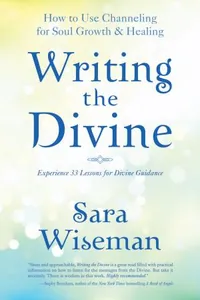
The Book of Shadows

 79
79

The Book of Shadows
Stan Nicholls' The Book of Shadows is a grim, unvarnished look at a hero stripped of his prowess. Nightshade, a warrior hobbled by the loss of his sword arm and his spirit, is thrust back into a conflict he seems ill-equipped to handle. The premise, while familiar – a prophesied hero against a dark lord – gains traction through its unsparing depiction of Nightshade's vulnerability. The introduction of the titular "Book of Shadows" as the ultimate MacGuffin provides a clear narrative drive, even if its nature remains somewhat abstract until its eventual use.
Nicholls excels at portraying the sheer weight of Nightshade's incapacitation, making his potential victory feel hard-won rather than inevitable. However, the supporting cast and the world-building, while functional, rarely transcend the archetypal. The sorcerer Avoch-Dar, though a potent antagonist, could benefit from deeper characterization beyond his destructive intent. Ultimately, The Book of Shadows delivers a solid, if conventional, dark fantasy quest, where the journey of a broken man finding his last chance for heroism is its strongest element.
📝 Description
79
Stan Nicholls' 2000 novel, The Book of Shadows, follows a warrior's quest for redemption after a devastating defeat.
The Book of Shadows centers on Nightshade, once Delgarvo's top warrior. His defeat by the sorcerer Avoch-Dar cost him his sword arm and his standing. When Avoch-Dar reappears, threatening widespread devastation, Nightshade's story truly begins. This grim fantasy narrative focuses on redemption and prophecy, appealing to readers who enjoy flawed protagonists facing seemingly insurmountable odds. The resolution of conflicts often relies on ancient lore and magical artifacts. Those who appreciate classic quest stories and tales of overcoming significant personal limitations will find this work resonates.
The narrative hinges on the concept of the titular "Book of Shadows," a legendary artifact. This magical tome is presented not just as a source of power, but as a means to understand and counteract dark enchantments. The story also examines a hero's fall and subsequent rise, emphasizing how physical and emotional damage can be surmounted through destiny and the acquisition of forbidden knowledge.
Published in 2000, The Book of Shadows emerged during a time when dark fantasy was gaining traction, with authors increasingly interested in morally gray characters and harsh settings. Nicholls' novel arrived as the genre continued to draw on epic fantasy traditions but showed a growing appetite for more mature and psychologically complex stories, moving beyond purely idealistic portrayals. The book's focus on a legendary tome of dark magic and its use in countering supernatural threats places it within a tradition of occult fiction that uses magical objects as narrative drivers.
💡 Why Read This Book?
• Gain insight into the narrative function of a "Book of Shadows" as a plot device for overcoming insurmountable magical threats, as seen in Nightshade's quest. • Experience a protagonist's struggle with profound physical disability in a fantasy setting, challenging conventional heroic archetypes. • Understand how prophecy and ancient lore can serve as critical turning points in a hero's journey, as Avoch-Dar's return necessitates the recovery of this fabled tome.
⭐ Reader Reviews
Honest opinions from readers who have explored this book.
❓ Frequently Asked Questions
What is the main conflict in The Book of Shadows?
The central conflict involves the warrior Nightshade, who has lost his sword arm, battling the evil sorcerer Avoch-Dar. A prophecy reveals that Nightshade must recover the fabled Book of Shadows to defeat Avoch-Dar and save Delgarvo from destruction.
Who is Nightshade and why is he important?
Nightshade was once the best warrior in Delgarvo, but was defeated by Avoch-Dar, losing his sword arm. He is crucial because a prophecy designates him as the only one capable of stopping Avoch-Dar's return and saving the land.
What role does the Book of Shadows play in the story?
The Book of Shadows is a legendary artifact that Nightshade must find. It is presented as the key to defeating the sorcerer Avoch-Dar and his powerful enchantments, representing a source of ultimate knowledge or power.
When was The Book of Shadows by Stan Nicholls first published?
The Book of Shadows by Stan Nicholls was first published in the year 2000, placing it within the broader landscape of late 20th and early 21st-century dark fantasy literature.
What is Delgarvo in The Book of Shadows?
Delgarvo is the land or kingdom that Nightshade hails from. It is the place threatened by the return of the sorcerer Avoch-Dar, making its protection the primary objective of Nightshade's quest.
What kind of fantasy is The Book of Shadows?
The Book of Shadows is a dark fantasy novel. It features a wounded hero, a powerful sorcerer antagonist, a quest for a magical artifact, and themes of prophecy and redemption, set against a backdrop of potential destruction.
🔮 Key Themes & Symbolism
The Fallen Hero's Return
The narrative centers on Nightshade, a warrior whose past defeat and subsequent injury have left him physically and spiritually broken. His journey is not just about regaining strength but about confronting his own limitations and the prophecy that calls him back to action. This theme explores the idea that true heroism lies not in invincibility, but in the will to fight despite overwhelming personal cost and past failures.
The Power of Forbidden Knowledge
The titular Book of Shadows represents a repository of potent, perhaps dangerous, knowledge essential for combating Avoch-Dar's dark magic. Its recovery is paramount, suggesting that understanding and wielding obscure lore is the only path to overcoming a magically superior foe. This highlights the esoteric belief that specific, often hidden, knowledge holds the key to unlocking power and defeating malevolent forces.
Destiny and Prophecy
A central element is the prophecy that dictates Nightshade's role in defending Delgarvo. This narrative device underscores the theme of destiny, suggesting that certain individuals are fated to confront great evils. The prophecy provides the impetus for Nightshade's quest and frames his struggle as part of a larger, predetermined cosmic conflict against Avoch-Dar.
Overcoming Physical and Spiritual Wounds
Nightshade's missing sword arm is a constant physical reminder of his defeat, symbolizing deeper spiritual and emotional wounds. The story explores his path to recovery and redemption, demonstrating that even a hero severely diminished can still fulfill their destiny. This theme appeals to archetypal narratives of healing and the indomitable spirit overcoming physical limitations.
💬 Memorable Quotes
Direct passages from the work, attributed to the author.
“A warrior deeply wounded.”
— This phrase expresses Nightshade's state after his defeat by Avoch-Dar. It signifies not just the loss of his sword arm but also the profound psychological and spiritual damage that defines his initial character arc.
“What use is a one-armed hero against such powerful enchantment?”
— This rhetorical question highlights the central dilemma of the narrative. It underscores the seemingly insurmountable odds Nightshade faces due to his disability when confronting a formidable sorcerer, setting the stage for the necessity of finding an alternative solution, like the Book of Shadows.
“Then a prophecy is revealed.”
— This marks a critical turning point in the story. The revelation of a prophecy shifts the narrative focus from Nightshade's personal tragedy to his fated role, introducing the element of destiny and the ultimate goal of recovering the Book of Shadows.
“Only by recovering the fabled Book of Shadows can Nightshade defeat Avoch-Dar.”
— This statement explicitly defines the quest and the primary means of achieving victory. It establishes the Book of Shadows not just as a plot device but as the indispensable element required to overcome the antagonist's power.
“To do otherwise is to court certain death.”
— This ominous warning emphasizes the dire consequences of failure and the absolute necessity of Nightshade's quest. It amplifies the stakes, reinforcing that the recovery of the Book of Shadows is not optional but a matter of survival for Nightshade and Delgarvo.
🌙 Esoteric Significance
Tradition
While not strictly adhering to a single esoteric lineage, The Book of Shadows draws upon themes common in Western esotericism, particularly the concept of hidden knowledge and magical artifacts as keys to power. It echoes Gnostic ideas of confronting a powerful, malevolent force and the need for special gnosis (knowledge) to achieve liberation. The narrative structure also aligns with archetypal hero's journeys found in various mystical traditions, emphasizing transformation through adversity.
Symbolism
The "Book of Shadows" itself is a potent symbol, often associated in real-world witchcraft traditions with magical spells, rituals, and lore. In Nicholls' work, it signifies ultimate, perhaps forbidden, knowledge necessary to combat overwhelming dark forces. Nightshade's missing sword arm symbolizes his defeat and vulnerability, serving as a physical manifestation of spiritual or heroic wounding, which must be overcome for his fated task.
Modern Relevance
Contemporary fantasy authors continue to explore the archetype of the wounded hero and the quest for powerful, hidden artifacts. The concept of a "Book of Shadows" as a locus of power or ancient wisdom remains a compelling narrative device. Modern practitioners of various esoteric paths might find resonance in the idea that specific, often obscure, knowledge is required to confront and overcome significant personal or external challenges.
👥 Who Should Read This Book
• Readers interested in dark fantasy narratives featuring morally complex protagonists. • Fans of quest stories where ancient prophecies and magical artifacts are central to the plot. • Those who appreciate stories focusing on themes of redemption and overcoming severe personal limitations.
📜 Historical Context
Stan Nicholls' The Book of Shadows, published in 2000, arrived at a central moment for dark fantasy. The genre was solidifying its identity, moving beyond traditional heroic archetypes towards more morally ambiguous characters and gritty realism. Nicholls' work emerged as authors like R.A. Salvatore were still popular, but a new wave was pushing boundaries. The early 2000s saw a growing appetite for narratives that explored the psychological toll of conflict and the concept of the flawed protagonist. While not directly tied to a specific esoteric movement, the book tapped into a wider cultural fascination with arcane lore and hidden knowledge, mirroring a broader interest in witchcraft and occult themes that had seen revivals throughout the 20th century, influenced by figures like Aleister Crowley and Gerald Gardner. The reception of such works often involved discussions about their place within or departure from established fantasy traditions.
📔 Journal Prompts
Nightshade's missing sword arm as a symbol of his defeat.
The prophecy's role in compelling reluctant heroes.
The nature and power of the fabled Book of Shadows.
Avoch-Dar's destructive intent and its impact on Delgarvo.
The hero's journey through profound personal wounds.
🗂️ Glossary
Delgarvo
The land or kingdom that is the setting for the story and is threatened by the sorcerer Avoch-Dar.
Nightshade
The protagonist, a once-great warrior who has lost his sword arm and must overcome his limitations to fulfill a prophecy.
Avoch-Dar
The primary antagonist, an evil sorcerer whose return threatens Delgarvo with destruction.
Book of Shadows
A fabled, legendary book containing knowledge or power essential for defeating Avoch-Dar.
Prophecy
A foretelling of future events, specifically one that designates Nightshade as the one who can stop Avoch-Dar.
Enchantment
Magical spells or influences, particularly those wielded by Avoch-Dar, which are powerful and difficult to counter.
Warrior
A combatant, specifically referring to Nightshade's former esteemed status and current wounded condition.
This book appears in 1 collection
🔮 Readers Also Liked
Browse all →








From the “Book of Shadows” Collection
View all →




More Free Occult Philosophy Books
View all →