Issues in Vedic astronomy and astrology
 61
61

Issues in Vedic astronomy and astrology

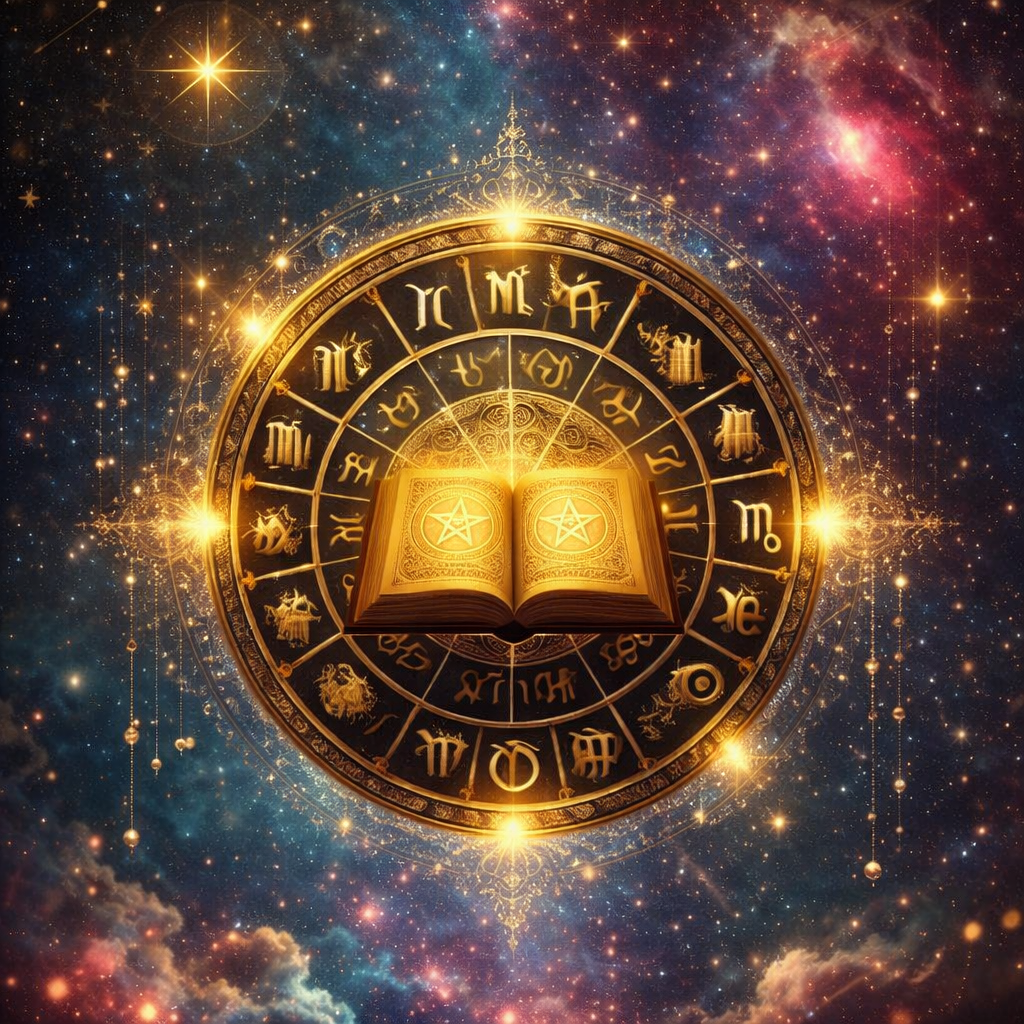

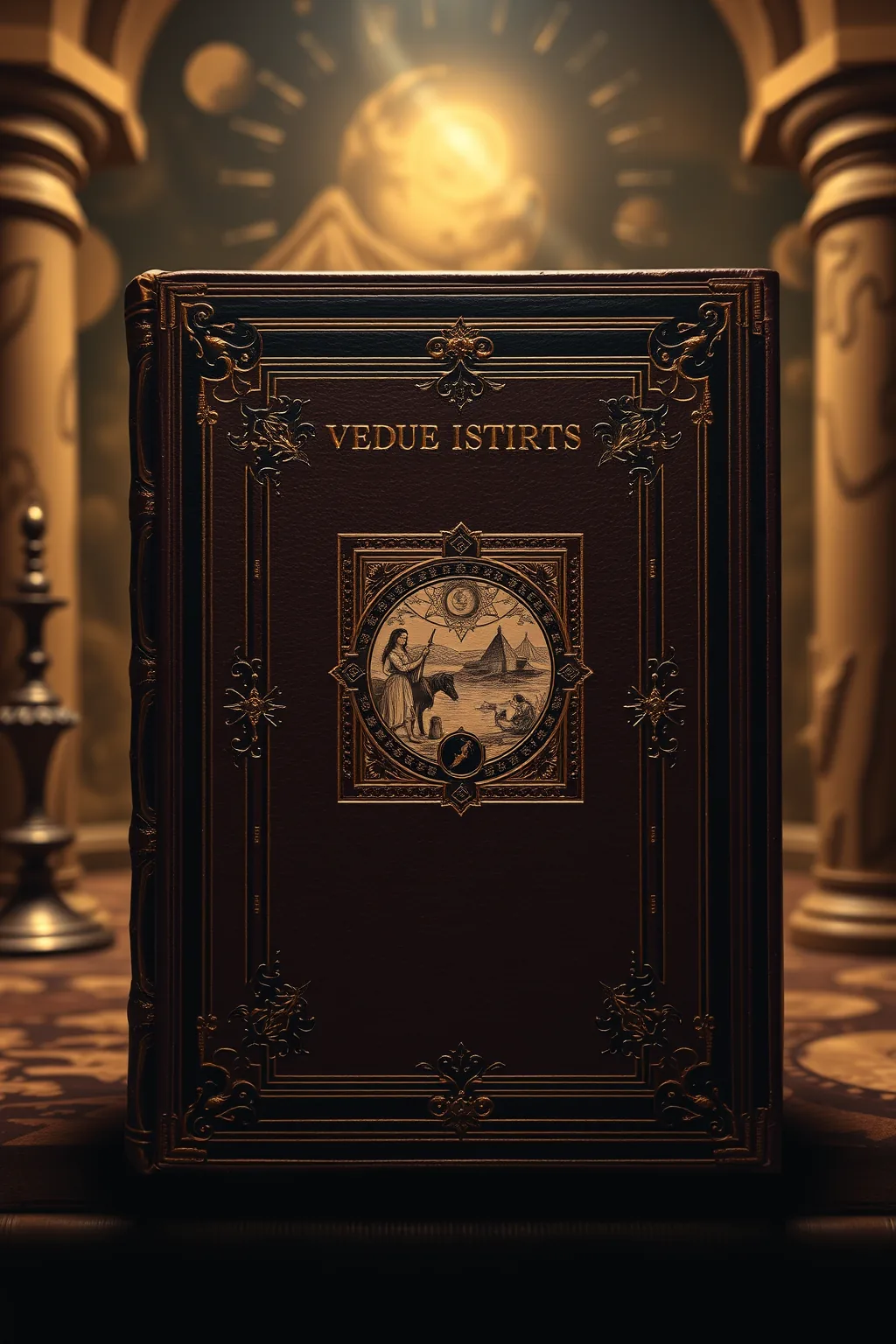
Isolde Whitaker, Sacred Texts Editor: 'Issues in Vedic Astronomy and Astrology' is a vital compendium for anyone seeking to transcend superficial astrological interpretations. Emerging from the insightful 1989 Nagpur Colloquium, this work meticulously unpacks the philosophical and spiritual dimensions of Vedic Jyotisha. It illuminates the intricate symbolism embedded within astronomical observations, offering a profound understanding of time, karma, and cosmic law. The contributors provide a bridge between ancient wisdom and contemporary inquiry, making this an indispensable resource for serious students and practitioners of Eastern cosmology. A testament to the enduring power of Vedic knowledge.
📝 Description
61
The 1989 Nagpur Colloquium produced 'Issues in Vedic Astronomy and Astrology,' a collection examining Jyotisha.
This volume compiles papers presented at the 1989 Colloquium on Vedic Astronomy and Astrology held in Nagpur, India. It addresses the theoretical and practical aspects of Jyotisha, the traditional Indian system of astrology and astronomy. The discussions go beyond simple prediction, seeking to understand the philosophical and cosmological frameworks that underpin Vedic astronomical calculations. Topics include the nature of celestial influences, the cyclical understanding of time, and the relationship between cosmic movements and human experience.
The work aims to clarify the esoteric principles within Jyotisha, presenting it not just as a predictive tool but as a system deeply integrated with Indian philosophical thought. It considers the movements of planets and stars as expressions of a larger cosmic order that affects both individual lives and broader societal patterns. The collected papers offer a perspective on how ancient Indian traditions conceptualized the universe and humanity's place within it, drawing on millennia of accumulated knowledge.
Vedic astronomy and astrology, or Jyotisha, is a component of the Vedas, considered a sacred body of knowledge in Hinduism. Its esoteric dimension lies in its connection to ritual, cosmology, and the understanding of dharma. Jyotisha is not merely about predicting events but about aligning human life with cosmic rhythms, seen as divinely ordained. This volume engages with that traditional understanding, moving beyond modern interpretations to consider the philosophical underpinnings of the system as conceived within its original cultural and spiritual context.
💡 Why Read This Book?
Unearth the mystical roots of Vedic astronomy and astrology. This volume offers a rare glimpse into the philosophical depths and esoteric symbolism that underpin Jyotisha. Ideal for scholars, practitioners, and seekers of ancient wisdom who wish to understand the cosmos as a divinely orchestrated system and its profound connection to human life, offering a path to deeper self-awareness and cosmic alignment.
⭐ Reader Reviews
Honest opinions from readers who have explored this book.
❓ Frequently Asked Questions
What is the primary focus of this book?
The book delves into the intricate relationship between Vedic astronomical observations and astrological interpretations, emphasizing the philosophical and esoteric dimensions of this ancient Indian science.
Who would benefit most from reading this book?
Scholars of ancient Indian sciences, students of Vedic astrology (Jyotisha), practitioners seeking deeper theoretical understanding, and spiritual seekers interested in cosmic influences on human life.
Does the book discuss modern astronomical concepts?
While rooted in ancient traditions, the discussions often explore how these ancient principles can be understood or reconciled with contemporary scientific perspectives on astronomy and time.
What makes Vedic astrology different from Western astrology?
Vedic astrology (Jyotisha) is based on the sidereal zodiac and has a strong emphasis on karma, dharma, and spiritual evolution, often incorporating philosophical and mythological elements not typically found in Western systems.
Is this book suitable for beginners in astrology?
While it contains foundational discussions, the depth of the topics may be more immediately accessible to those with some prior exposure to astrological concepts or a strong academic interest.
🔮 Key Themes & Symbolism
The Cosmic Dance of Time and Karma
This theme explores the profound Vedic understanding of time not as a linear progression but as a cyclical, divinely ordered phenomenon. It studies how the celestial movements are seen as manifestations of cosmic laws, directly influencing the unfolding of karma and the journey of the soul through various lifetimes. The interconnectedness of astronomical events and individual destiny is presented as a fundamental principle, offering a framework for comprehending life's challenges and opportunities through a lens of cosmic justice and purpose.
Jyotisha as a Sacred Science
This section illuminates Jyotisha (Vedic astrology) not merely as a predictive art but as a sacred science, deeply interwoven with spiritual philosophy and occult knowledge. It examines the symbolic language of planets, constellations, and lunar mansions as keys to unlocking universal truths and understanding the divine blueprint of existence. The emphasis is on the ethical and spiritual dimensions of astrological practice, highlighting its role in guiding individuals towards their dharma and fostering a harmonious relationship with the cosmos.
Ancient Astronomical Lore and Its Esoteric Meanings
Here, the book unearths the sophisticated astronomical knowledge of the Vedic seers, often shrouded in allegory and symbolism. It discusses ancient observances, calendrical systems, and cosmological models, revealing how these were not just practical tools but repositories of profound spiritual wisdom. The esoteric interpretations of celestial phenomena are explored, demonstrating how the ancients perceived the universe as a living, conscious entity, with celestial bodies acting as divine messengers and cosmic archetypes influencing the terrestrial realm.
💬 Memorable Quotes
Direct passages from the work, attributed to the author.
“Time flows like a celestial river, carrying the seeds of karma towards their inevitable fruition.”
— This highlights the cyclical nature of time in Vedic thought and its inseparable link to the law of karma, emphasizing the continuous process of cause and effect in the universe.
“To read the heavens is to read the self; both are mirrors of the same cosmic truth.”
— This underscores the profound connection between the microcosm (human being) and the macrocosm (universe), suggesting that understanding one leads to understanding the other.
“The ancient charts are not maps of space, but maps of consciousness.”
— This emphasizes the esoteric nature of Vedic astrology, framing its celestial diagrams as symbolic representations of inner states and spiritual pathways, rather than purely physical locations.
“In the silent language of the spheres, the secrets of creation are whispered.”
— This poetic phrase points to the subtle, intuitive knowledge accessible through the study of celestial movements, suggesting a divine communication with humanity.
💡 Key Ideas
Editorial paraphrase of the work's core concepts — not direct quotes.
The stars are not mere distant fires, but divine eyes watching over our journey.
This quote speaks to the Vedic perspective of the cosmos as a sentient entity, where celestial bodies possess consciousness and guide human affairs with benevolent oversight.
🌙 Esoteric Significance
Tradition
This work is deeply rooted in the Vedic tradition, a foundational pillar of Indian spiritual and philosophical thought. It specifically engages with Jyotisha, the Vedic system of astronomy and astrology, which is considered one of the six Vedangas (auxiliary disciplines of the Vedas). Esoterically, Jyotisha is viewed as a divine science, a means of understanding the cosmic order and its influence on human existence, offering insights into karma, destiny, and spiritual evolution.
Symbolism
The book studies the strong symbolism inherent in Vedic astronomy and astrology. Planets are not just celestial bodies but archetypal energies or deities (Grahas) representing specific karmic influences and life lessons. Constellations (Nakshatras) and zodiacal signs are imbued with mythic narratives and symbolic meanings that offer useful insights into human nature and universal patterns. The text explores how these symbols function as a divine language, revealing the interconnectedness of the cosmos and the individual soul.
Modern Relevance
In an age often marked by material focus and a perceived disconnect from the natural world, the esoteric significance of Vedic astronomy and astrology offers a powerful counterpoint. It provides a framework for understanding life's challenges as part of a larger cosmic design, fostering a sense of meaning and purpose. The emphasis on cyclical time and karma encourages personal responsibility and spiritual growth. For modern seekers, it offers a path to reconnect with ancient wisdom, gain deeper self-awareness, and cultivate a more harmonious relationship with the universe.
👥 Who Should Read This Book
This compendium is a rich source for a diverse audience. **Scholars** of comparative religion, ancient history, and indigenous sciences will find rigorous analysis and historical context. **Practitioners of Vedic astrology** seeking to deepen their understanding beyond rote memorization will discover the philosophical underpinnings and esoteric nuances. **Spiritual seekers** yearning to grasp the cosmic architecture and its impact on their life's journey will find useful insights into destiny, karma, and divine timing. Even **curious minds** interested in the intersection of science, spirituality, and ancient wisdom will be captivated by the depth and breadth of knowledge presented.
📜 Historical Context
This collection emerges from an important 1989 colloquium held in Nagpur, India, a time when there was a burgeoning global interest in the revival and scholarly examination of ancient Indian traditions. The late 20th century saw a growing recognition of the sophistication and philosophical depth of Vedic sciences, moving beyond mere cultural curiosities to serious academic and spiritual inquiry. This period was characterized by an effort to bridge the gap between traditional knowledge systems and modern scientific understanding, seeking to validate and reintegrate the wisdom of the ancients. The discussions within this volume reflect that era's intellectual climate, striving to present Vedic astronomy and astrology not as relics of the past, but as dynamic systems with enduring relevance for contemporary life and thought.
📔 Journal Prompts
Reflect on a celestial event (e.g., a full moon, planetary alignment) you have observed. How might its symbolic meaning, as discussed in this book, resonate with your personal experiences or current life phase?
Consider the concept of cosmic cycles. How does understanding time as cyclical, rather than purely linear, alter your perception of your own life's progression and future possibilities?
The book discusses planets as archetypal energies. Choose one Graha that you feel has a strong influence in your life and explore its symbolic meaning in relation to your strengths and challenges.
How does the Vedic concept of karma, as influenced by celestial movements, challenge or affirm your current understanding of free will and destiny?
Imagine you are an ancient Vedic seer observing the night sky. What spiritual or philosophical insights might you derive from the patterns and movements you witness?
🗂️ Glossary
Jyotisha
The Vedic system of astronomy and astrology, considered a Vedanga (auxiliary discipline of the Vedas), focused on understanding celestial influences on earthly life and spiritual development.
Graha
Literally 'seizer' or 'planet,' in Vedic astrology, Grahas are celestial bodies (Sun, Moon, Mars, Mercury, Jupiter, Venus, Saturn, Rahu, Ketu) considered to exert karmic influence on individuals and the cosmos.
Nakshatra
Lunar mansions or star clusters within the Vedic zodiac, each with its own unique symbolism, deity, and governing influence, offering a more detailed astrological analysis than zodiacal signs alone.
Dharma
One's inherent duty, purpose, or righteous path in life, often understood as being influenced by one's astrological chart and cosmic timing.
Rashi
The twelve zodiacal signs in Vedic astrology, corresponding to the signs of the Western zodiac but calculated using the sidereal zodiac.
This book appears in 2 collections
🔮 Readers Also Liked
Browse all →









From the “Astrology” Collection
View all →







More Free Astrology & Cosmology Books
View all →