The Bhagavadgītā

 78
78

The Bhagavadgītā
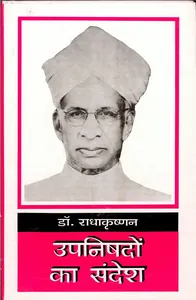
Sarvepalli Radhakrishnan’s 1989 rendition of the Bhagavadgītā offers a clear, scholarly lens on this ancient Indian text. His introduction and extensive notes provide invaluable context for readers unfamiliar with the philosophical landscape of the Vedas. The translation itself prioritizes accuracy, making the complex verses accessible, though at times it leans towards the academic rather than the devotional. A particular strength lies in Radhakrishnan’s ability to elucidate the interplay between different yogic paths, such as karma and bhakti. However, for those seeking a more visceral, less intellectual engagement with the text, this edition might feel somewhat restrained. The dialogue between Arjuna and Krishna concerning duty amidst imminent conflict, specifically Krishna's counsel on righteous action, remains a potent core. Radhakrishnan’s edition is a solid academic resource for understanding the Gītā’s philosophical underpinnings.
📝 Description
78
Composed between the 5th and 2nd centuries BCE, the Bhagavadgītā is a Sanskrit scripture central to Hindu thought.
The Bhagavadgītā, meaning "Song of the Lord," is a Sanskrit scripture that forms part of the epic Mahābhārata. It is structured as a dialogue between the warrior prince Arjuna and his charioteer, the god Krishna, set on the battlefield before a great war. Krishna instructs Arjuna on various philosophical and spiritual concepts, addressing his confusion and despair.
The text covers duties like dharma, action (karma), devotion (bhakti), and knowledge (jnana). It proposes a spiritual path that integrates worldly responsibilities with inner realization. The teachings are directed toward individuals facing difficult choices and existential questions, offering guidance for applying spiritual principles in everyday life. Students of yoga and meditation may find its discussions on self-control and detachment particularly useful.
Emerging during a period of intellectual and religious consolidation in ancient India, the Bhagavadgītā synthesized earlier Vedic and Upanishadic traditions. It offered a spiritual framework that accommodated the active life, a contrast to purely ascetic renunciations. Its integration into the Mahābhārata ensured its broad dissemination. The scripture engages with concepts of self, divine reality, and the means to achieve spiritual understanding, placing it within the broader context of Indian philosophical and devotional traditions.
💡 Why Read This Book?
• Gain a structured understanding of *karma yoga*, the principle of performing one's duties without attachment to outcomes, as elucidated in the Bhagavadgītā's dialogue from circa the 2nd century BCE. • Explore the concept of *bhakti* (devotion) as a direct path to spiritual realization, a key theme emphasized by Krishna to Arjuna that offers solace and purpose. • Grasp the nature of the *atman* (soul) and its eternal existence, a central philosophical tenet presented within the epic Mahābhārata, providing a framework for confronting mortality.
⭐ Reader Reviews
Honest opinions from readers who have explored this book.
❓ Frequently Asked Questions
What is the historical period of the Bhagavadgītā's composition?
Scholars generally place the composition of the Bhagavadgītā between the 5th and 2nd centuries BCE, a period of significant philosophical development in ancient India.
Who are the main speakers in the Bhagavadgītā?
The primary speakers are Arjuna, a warrior prince, and Krishna, his charioteer and divine guide, who imparts spiritual wisdom.
What is the central philosophical message of the Bhagavadgītā?
It emphasizes performing one's duty (*dharma*) selflessly (*karma yoga*), seeking knowledge (*jnana yoga*), and cultivating devotion (*bhakti yoga*) as paths to spiritual liberation.
How does the Bhagavadgītā relate to the Mahābhārata?
The Bhagavadgītā is a distinct philosophical discourse embedded within the larger Sanskrit epic, the Mahābhārata, likely added at a later stage to enrich its spiritual content.
What is the significance of the term 'Gītā'?
'Gītā' translates to 'Song,' and 'Bhagavad' means 'Lord,' so the title 'Bhagavadgītā' means 'Song of the Lord,' referring to Krishna's divine teachings.
What is the concept of 'dharma' as presented in the text?
Dharma refers to one's duty, righteousness, and the inherent nature of things. The Bhagavadgītā stresses fulfilling one's prescribed dharma, even in difficult circumstances.
🔮 Key Themes & Symbolism
The Path of Action (Karma Yoga)
Central to the Bhagavadgītā is the doctrine of *karma yoga*, the performance of one's duties without attachment to the fruits of labor. Krishna instructs Arjuna that action is inevitable and that renunciation is not the only path to liberation. True renunciation lies in acting with detachment, dedicating the results of actions to the divine. This concept offers a practical framework for engaging with the world while pursuing spiritual growth, distinguishing it from ascetic traditions that emphasize withdrawal.
Devotion as Supreme Path (Bhakti Yoga)
The text elevates *bhakti yoga*, the path of loving devotion, as a supremely accessible means to attain the divine. Krishna reveals himself as the Supreme Being and encourages surrender and unwavering love. This emphasis on personal relationship with the divine provides a powerful emotional and spiritual anchor for practitioners, offering solace and a direct conduit to spiritual realization that transcends intellectual understanding or ritualistic practice.
Knowledge of the Self (Jnana Yoga)
The Bhagavadgītā also expounds upon *jnana yoga*, the path of knowledge, particularly the knowledge of the *atman* (the self) and its eternal, unchanging nature. Krishna teaches Arjuna that the true self is distinct from the physical body and the transient world. Understanding this fundamental truth leads to detachment from worldly suffering and fosters equanimity. This wisdom forms the philosophical bedrock upon which the other yogic paths are built, offering clarity and insight.
The Nature of the Divine
Krishna's self-revelation in the Bhagavadgītā presents a complex understanding of the divine. He is both the immanent presence within all beings and the transcendent reality beyond the universe. This depiction of the Supreme Being as both personal and impersonal, accessible through devotion and contemplation, has profoundly influenced Hindu theology and practice. The text offers a synthesis of monistic, polytheistic, and monotheistic elements, presenting a comprehensive vision of the Absolute.
💬 Memorable Quotes
Direct passages from the work, attributed to the author.
“You have a right to your actions, but never to the fruits of your actions.”
— This iconic verse expresses the essence of *karma yoga*. It advises engaging fully in one's responsibilities while relinquishing the anxiety and attachment associated with desired outcomes, fostering inner peace and freedom.
“The soul is not born, nor does it die; nor having once come into existence, will it ever cease to be.”
— This statement highlights the eternal nature of the *atman* (soul). It offers a perspective on mortality, suggesting that true identity transcends the physical body and its temporary existence, providing a foundation for courage in the face of adversity.
“Whatever action a great man performs, common men follow his example.”
— This observation underscores the power of leadership and example. It implies that those in positions of influence have a responsibility to act righteously, as their conduct shapes the behavior and understanding of the wider community.
“The mind is restless and difficult to restrain, but by practice and detachment, O son of Kuru, it can be controlled.”
— This verse speaks directly to the challenges of spiritual discipline. It acknowledges the mind's inherent volatility and offers the practical tools of consistent practice (*abhyasa*) and non-attachment (*vairagya*) for achieving mental control.
💡 Key Ideas
Editorial paraphrase of the work's core concepts — not direct quotes.
I am the gambling of the fraudulent, and the splendor of the splendid.
Presented during Krishna's cosmic vision, this line illustrates the divine presence in all aspects of existence, both positive and negative. It suggests that the divine is the source of all qualities and phenomena.
🌙 Esoteric Significance
Tradition
The Bhagavadgītā holds a central place within the Vaishnava tradition of Hinduism but is widely revered across various Indian spiritual lineages. Esoterically, it functions as a manual for spiritual alchemy, transforming the battlefield of human consciousness into a space for divine realization. Its teachings on the union of action, knowledge, and devotion align with broader esoteric principles of integrating the material and spiritual realms, offering a path accessible to householders rather than solely monastics.
Symbolism
The dialogue itself is symbolic: Arjuna represents the struggling soul, caught between duty and despair, while Krishna embodies the divine guide or higher consciousness. The impending Kurukshetra war symbolizes the internal battle against one's own lower nature and attachments. The chariot and horses represent the body and senses, which must be controlled by the intellect (the charioteer, Krishna) to reach the destination of liberation.
Modern Relevance
Contemporary esoteric and New Age movements frequently draw upon the Bhagavadgītā's wisdom. Concepts like *karma yoga* and the *atman* are foundational in many modern yoga and meditation practices. Thinkers and practitioners in fields ranging from integral spirituality to conscious capitalism reference its principles for ethical conduct and personal development. The text's emphasis on inner transformation and finding purpose in action continues to resonate with individuals seeking spiritual grounding in a complex world.
👥 Who Should Read This Book
• Aspiring practitioners of yoga and meditation seeking to understand the philosophical underpinnings of their practice, particularly the concepts of selfless action and mental discipline. • Students of comparative religion and philosophy interested in the core tenets of Hindu thought and its ethical frameworks, especially concerning duty and spiritual liberation. • Individuals facing moral dilemmas or existential questions who seek guidance on navigating life's challenges with purpose and equanimity, drawing from ancient wisdom.
📜 Historical Context
The Bhagavadgītā, likely composed between the 5th and 2nd centuries BCE, emerged during a period of intense philosophical and religious exploration in India. It synthesized elements from earlier Upanishadic thought, Brahmanical ritualism, and emerging ascetic traditions like Buddhism and Jainism, which emphasized renunciation. Unlike the purely ascetic paths, the Gītā proposed a way to achieve spiritual liberation through engagement with worldly life, particularly through *karma yoga* (selfless action). Its integration into the Mahābhārata, a vast epic compiled over centuries, ensured its widespread dissemination. The work responded to a need for a philosophy that could guide householders and warriors, not just renunciates. Its teachings gained further prominence in later centuries, influencing figures like Adi Shankara and Ramanuja, who offered differing commentaries, and later impacting Western thinkers like Emerson and Thoreau.
📔 Journal Prompts
Arjuna's despair on the battlefield: explore a personal conflict between duty and desire.
The concept of *karma yoga*: how can actions be performed without attachment to results?
Krishna's discourse on the eternal nature of the *atman*: reflect on what constitutes your true self.
The role of *bhakti* (devotion): consider practices that cultivate a loving connection to the divine.
The symbolism of the chariot: how can the senses and mind be guided towards a higher purpose?
🗂️ Glossary
Atman
The eternal, unchanging self or soul within each individual. It is considered distinct from the physical body and mind, and its realization is a key goal in many Indian spiritual traditions.
Brahman
The ultimate reality or absolute consciousness in Hinduism. It is the supreme cosmic spirit, the source and sustainer of all existence, often described as formless and infinite.
Dharma
Duty, righteousness, moral law, or one's intrinsic nature and purpose. In the Bhagavadgītā, fulfilling one's prescribed dharma is crucial, even when difficult.
Karma
Action, deed, or work, and its consequential effects. The law of karma posits that actions performed in this life influence future experiences and rebirths.
Yoga
A spiritual discipline or practice aimed at uniting the individual self with the divine or absolute reality. The Bhagavadgītā outlines several paths, including Karma, Jnana, and Bhakti Yoga.
Jnana
Knowledge, wisdom, or spiritual insight, particularly concerning the nature of reality and the self. Jnana Yoga is the path of attaining liberation through this wisdom.
Bhakti
Devotion, love, and adoration directed towards the divine. Bhakti Yoga emphasizes cultivating a deep, loving relationship with God as a primary spiritual path.
🔮 Readers Also Liked
Browse all →









More by Sarvepalli Radhakrishnan
All books →




More Free Occult Philosophy Books
View all →