The Bands of Mourning
 74
74

The Bands of Mourning
Brandon Sanderson's *The Bands of Mourning* continues his ambitious foray into the world of Roshar with a focus on the enigmatic Lord Ruler and the remnants of his empire. The strength of this volume lies in its intricate world-building and the sheer momentum of its plot, which propels characters through significant personal and political challenges. Sanderson excels at presenting complex systems, both magical and societal, with clarity and compelling logic. However, the sheer scope of the narrative, while a hallmark of the series, can at times feel overwhelming, with certain character arcs appearing to stall momentarily as the larger plot demands attention. A particularly striking element is the exploration of the lingering fear and reverence surrounding the Lord Ruler's legacy, a concept that permeates the very foundations of the society depicted. The book ultimately delivers a satisfying, albeit dense, chapter in the saga.
Verdict: A dense but rewarding continuation of a grand fantasy epic.
📝 Description
74
Published in 2016, The Bands of Mourning continues Brandon Sanderson's intricate Stormlight Archive series.
This volume, set in 2016, centers on the complex political landscape and unfolding mysteries of Roshar. The story follows characters facing significant personal challenges and large-scale conflicts. Sanderson weaves these personal arcs into a world rich with unique magic, like Surgebinding, and a detailed history. The narrative explores the impact of ancient artifacts, specifically the titular Bands of Mourning, and their link to the historical figure of the Lord Ruler.
The book appeals to readers who enjoy detailed world-building, character growth, and layered plots. Those interested in high fantasy that prioritizes intricate magic systems, political maneuvering, and societal structures will find substance here. It is especially recommended for those already following the Stormlight Archive, as it builds directly on prior events and character developments.
The Bands of Mourning engages with themes common in esoteric traditions, particularly those concerning the weight of historical artifacts and their influence on present power structures. It examines how legends and past figures, like the Lord Ruler, continue to shape societies and individual destinies, echoing ideas found in mythopoetic literature. The narrative also touches upon the moral compromises inherent in leadership and the manipulation of history, concepts that resonate with philosophical inquiries into destiny and free will.
💡 Why Read This Book?
• Gain insight into the societal control exerted by the Lord Ruler's legacy, understanding how historical figures and artifacts like the Bands of Mourning can shape an entire civilization's beliefs and practices. • Experience the unique mechanics of Allomancy and Feruchemy, Sanderson's meticulously designed metal-based magic systems, which allow characters to manipulate physical attributes and memories. • Witness the moral and ethical dilemmas faced by characters navigating the aftermath of ancient conflicts, particularly regarding the concept of the "Survivor of the Peaks" and its implications for leadership.
⭐ Reader Reviews
Honest opinions from readers who have explored this book.
❓ Frequently Asked Questions
What is the primary magic system in The Bands of Mourning?
The magic system prominently featured is Allomancy, the ability to gain powers by ingesting and 'burning' metals. Feruchemy, which stores attributes in metal, is also crucial, with the titular Bands of Mourning being a key Feruchemical artifact.
Who is the main antagonist in The Bands of Mourning?
While there are many antagonistic forces and characters, the overarching antagonist is often seen as the lingering influence of the Lord Ruler and the oppressive societal structures he created during his reign, which ended in 10th year of the Lord Ruler's reign.
What is the significance of the 'Bands of Mourning' themselves?
The Bands of Mourning are a set of powerful Feruchemical items that allow the wearer to draw upon the stored attributes of others. They are deeply connected to the history of the Lord Ruler and represent immense power and control.
Does this book feature characters from the Stormlight Archive?
No, The Bands of Mourning is part of the Mistborn series, a different epic fantasy series by Brandon Sanderson. While both series are set in the Cosmere, they feature distinct characters and storylines.
When was The Bands of Mourning published?
The Bands of Mourning was published in 2016, serving as the third book in the second Mistborn trilogy.
What are the main themes explored in the book?
Key themes include the nature of power and leadership, the impact of historical narratives on present societies, the struggle against oppression, and the personal cost of wielding extraordinary abilities.
🔮 Key Themes & Symbolism
The Lord Ruler's Legacy
The narrative is deeply concerned with the pervasive influence of the Lord Ruler, who reigned for a thousand years. His actions, decrees, and the societal structures he implemented continue to shape the lives of everyone in the Final Empire, even after his death. The book examines how myths and legends about him are used to maintain order and control, posing questions about the nature of absolute power and its long-term consequences on a population.
Feruchemy and Allomancy
Central to the world are the magic systems of Feruchemy and Allomancy. Feruchemy allows individuals to store physical attributes within metal objects, releasing them later. Allomancy grants the ability to 'burn' metals for specific powers, such as enhanced senses or emotional manipulation. The titular 'Bands of Mourning' are a powerful example of Feruchemy, combining multiple abilities.
Societal Control and Rebellion
The story explores the mechanisms of control employed by the Lord Ruler's regime and the burgeoning rebellion seeking to overthrow it. It studies the desperation of the oppressed Skaa, the internal politics of the nobility, and the moral compromises made by those on both sides of the conflict. The book questions the legitimacy of authority built on fear and manipulation.
The Nature of Heroes
The concept of heroism is examined through the lens of the Lord Ruler, who was once hailed as a savior but became a tyrant. The narrative questions what truly defines a hero and how history can be rewritten to serve present agendas. Characters grapple with their own roles and the potential for their actions to be remembered or distorted.
💬 Memorable Quotes
Direct passages from the work, attributed to the author.
“He was a god. He was a monster. He was the Lord Ruler.”
— This statement captures the dual nature attributed to the Lord Ruler. He was revered as a divine figure who brought order, yet also feared as a cruel dictator responsible for immense suffering over his thousand-year reign.
“The Bands of Mourning allowed the wearer to be someone else. Someone powerful.”
— This highlights the function of the Bands as a potent Feruchemical artifact. They grant access to stored attributes, enabling the wearer to temporarily embody different skills and strengths, representing a significant source of power and potential for manipulation.
“The world was built on the bones of the past.”
— This reflects the deep historical underpinnings of the Final Empire. Society's current structure and the magic systems are the direct result of ancient events and the actions of figures like the Lord Ruler, whose legacy literally forms the foundation of their reality.
“Mistakes were made. That was a certainty.”
— This understated line acknowledges the numerous errors and moral failings of characters and the ruling powers throughout history. It suggests a pragmatic, albeit somber, view of decision-making in high-stakes situations where negative outcomes are often unavoidable.
“He had been a survivor. Now, he had to survive.”
— This refers to the cyclical nature of survival and the burden of past experiences. Characters who have overcome great trials must continually adapt and fight for their existence in a dangerous and ever-changing world.
🌙 Esoteric Significance
Tradition
While not explicitly tied to a single historical esoteric tradition, *The Bands of Mourning* draws heavily on themes common in Hermeticism and Gnosticism, particularly the concept of a demiurge-like figure (the Lord Ruler) who establishes a flawed world order. The exploration of hidden knowledge, secret societies (like the Steel Inquisitors), and the manipulation of perception aligns with Gnostic concerns about illusion and liberation from a false reality.
Symbolism
The 'Bands of Mourning' themselves are a potent symbol, representing immense power and the ability to control and manipulate one's own and others' attributes – a metaphor for wielding influence and shaping destiny. Metal, as the medium for Allomancy and Feruchemy, symbolizes refinement, transformation, and the stored essence of power. The pervasive ashfall can be seen as a symbol of decay, a constant reminder of the world's brokenness and the Lord Ruler's oppressive reign.
Modern Relevance
Contemporary discussions in self-help and philosophical circles about the nature of power, the construction of personal identity through discipline (akin to Allomancy/Feruchemy), and the critique of oppressive systems find echoes in Sanderson's work. Thinkers exploring narrative psychology and the impact of historical myth-making on societal consciousness can find fertile ground for analysis in the world of the Final Empire.
👥 Who Should Read This Book
• Aspiring fantasy world-builders seeking examples of intricate magic systems and detailed societal structures, particularly those interested in the interplay between history and present-day governance. • Readers fascinated by concepts of political philosophy and the long-term effects of authoritarian rule, who appreciate narratives exploring rebellion and the challenges of establishing a just society. • Dedicated fans of Brandon Sanderson's Cosmere universe, looking to deepen their understanding of Feruchemy, Allomancy, and the overarching narrative connecting his various series.
📜 Historical Context
Published in 2016, *The Bands of Mourning* entered a fantasy landscape already shaped by authors like J.R.R. Tolkien and Ursula K. Le Guin, and contemporary titans such as George R.R. Martin. The early 21st century saw a demand for intricate, character-driven epics with complex magic systems. Sanderson's Mistborn series, particularly this installment, distinguished itself by focusing on a post-revolutionary society grappling with the legacy of a thousand-year autocracy. Unlike the more traditional medieval settings often found in the genre, Roshar presented a unique ecology and socio-political structure. The reception of Sanderson's work has consistently been strong, with his books frequently appearing on bestseller lists and garnering significant fan engagement, solidifying his place among prominent modern fantasy authors.
📔 Journal Prompts
Reflect on the thousand-year reign of the Lord Ruler and its lasting societal impact.
Analyze the mechanics and ethical implications of Feruchemy as demonstrated by the Bands of Mourning.
Consider the Skaa's struggle for freedom and the various forms resistance takes.
Explore the concept of a 'savior' figure who becomes an oppressor.
Examine the role of hidden knowledge and secret societies in maintaining or challenging power structures.
🗂️ Glossary
Allomancy
A magic system where individuals ingest and 'burn' metals to gain specific supernatural abilities, such as enhanced senses, emotional manipulation, or physical augmentation.
Feruchemy
A magic system that allows users to store physical attributes (like strength, speed, or intelligence) within metal objects, which can then be tapped by others or themselves.
Bands of Mourning
A legendary set of powerful Feruchemical items, believed to have been worn by the Lord Ruler, that allows the wearer to access stored attributes from multiple people.
Lord Ruler
The tyrannical immortal ruler of the Final Empire for one thousand years, whose legacy continues to dominate the world even after his death.
Skaa
The oppressed underclass in the Final Empire, largely consisting of laborers and servants, who suffer under the rule of the nobility and the Lord Ruler's laws.
Steel Inquisitors
A terrifying order of mutated, spiked Allomancers who serve the Lord Ruler, possessing immense power and acting as his enforcers and interrogators.
Terris
An ancient people, believed to be the originators of Feruchemy, who are often characterized by their prophecies and connection to the world's deep history.
🔮 Readers Also Liked
Browse all →







More by Brandon Sanderson
All books →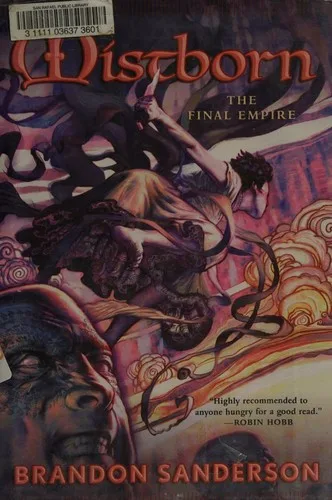
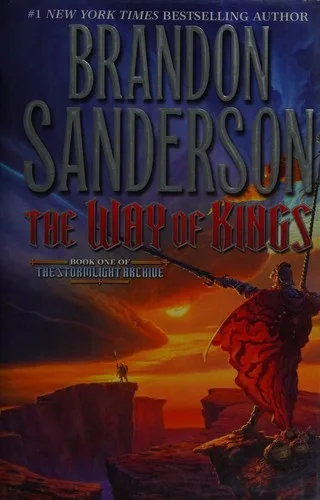
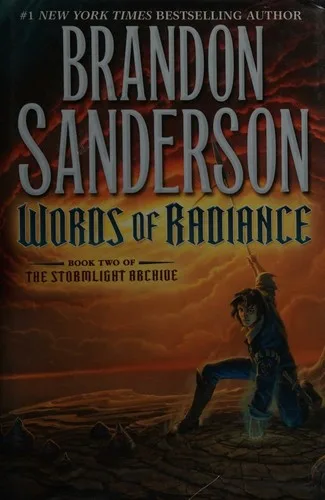



More Free Occult Philosophy Books
View all →