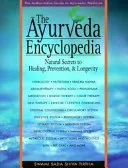
The Ayurveda Encyclopedia
 79
79

The Ayurveda Encyclopedia
Sada Shiva Tirtha’s The Ayurveda Encyclopedia presents a dense but organized compendium of Ayurvedic knowledge, first appearing in 1998. Its strength lies in its breadth, encompassing not only theory but a wide array of practical applications, from pancha karma therapies to gemology. The explanations of pathology and diagnosis are commendably clear, a significant achievement given the subject's complexity. However, the sheer volume of information can feel overwhelming; at times, the text attempts to cover so much that individual topics receive only brief attention. A notable passage is the detailed breakdown of commonly used Ayurvedic herbs, which offers practical utility. While it serves as an exhaustive reference, a more focused exploration of specific case studies might have enhanced its clinical applicability. It is a foundational text for any serious student of this ancient medical system.
📝 Description
79
First published in 1998, Sada Shiva Tirtha's Ayurveda Encyclopedia details the ancient Indian system of medicine.
This reference work covers the core principles, historical progression, and practical uses of Ayurveda, aiming for clarity for a wide readership. It suits both individuals interested in general health concepts and practicing health professionals. The book offers a solid introduction for newcomers and deeper insights for those already familiar with Ayurvedic practices.
Its historical context traces Ayurvedic healing arts from ancient roots through their development to contemporary understanding, reflecting their lasting significance. Key concepts examined include Ayurveda's philosophy of balance, the interconnectedness of mind, body, and spirit, and various therapeutic approaches. These modalities range from herbal treatments and dietary advice to practices like meditation and color therapy.
As an encyclopedia of Ayurveda, this work sits within the broader tradition of Indian spiritual and medical sciences, which view health as a state of equilibrium between the individual and the cosmos. Ayurveda's emphasis on aligning with natural rhythms and understanding the subtle energies (doshas) reflects a holistic worldview common in esoteric traditions. The text’s examination of practices like meditation and color therapy further connects it to methods used across various spiritual disciplines for personal transformation and well-being.
💡 Why Read This Book?
• Gain a foundational understanding of Ayurveda's core principles, including the five elements and three doshas, as detailed in the book's early chapters, enabling a holistic view of personal health. • Discover a wide range of therapeutic techniques, from specific herbal uses to pancha karma, as presented in the comprehensive sections on therapies, offering practical methods for well-being. • Understand the historical lineage of Ayurveda, as explored in the text's historical context section, providing a deeper appreciation for the system's development since its ancient origins.
⭐ Reader Reviews
Honest opinions from readers who have explored this book.
❓ Frequently Asked Questions
What are the basic principles of Ayurveda covered in the encyclopedia?
The encyclopedia explains fundamental Ayurvedic concepts such as the Pancha Mahabhutas (five great elements), the three doshas (Vata, Pitta, Kapha), and the concept of Prakriti (individual constitution), forming the bedrock of Ayurvedic diagnosis and treatment.
Does The Ayurveda Encyclopedia discuss Ayurvedic diet and nutrition?
Yes, the book includes extensive sections on nutrition, detailing how food choices, tastes, and preparation methods influence the balance of doshas and overall health according to Ayurvedic principles.
What is Pancha Karma, and is it explained in the book?
Pancha Karma, a set of five detoxification and rejuvenation therapies, is thoroughly covered. The encyclopedia outlines these procedures, explaining their purpose and application for cleansing the body and mind.
Are common Ayurvedic herbs identified and their uses described?
Absolutely. The work provides a detailed discussion of frequently used Ayurvedic herbs, including their properties, indications, and methods of use, making it a valuable resource for herbalists.
Is the book suitable for beginners in Ayurveda?
Yes, the book is designed to be accessible to beginners, explaining core principles in plain English, while also offering depth for practitioners. Its comprehensive nature makes it a valuable starting point.
When was The Ayurveda Encyclopedia first published?
The Ayurveda Encyclopedia was first published in 1998, making it a relatively modern compilation of ancient knowledge, aiming to synthesize extensive information for contemporary readers.
🔮 Key Themes & Symbolism
Holistic Health Principles
The work meticulously details the foundational principles of Ayurveda, emphasizing the interconnectedness of mind, body, and spirit. It explores how balance among the three doshas (Vata, Pitta, Kapha) is essential for well-being. The text presents a complete system where diet, lifestyle, and environment are seen as integral to health, moving beyond a purely symptomatic approach to illness.
Therapeutic Modalities
A significant portion of the encyclopedia is dedicated to the diverse range of Ayurvedic therapies. This includes detailed explanations of herbal medicine, nutritional guidance tailored to individual constitutions, aromatherapy, meditation techniques, color therapy, and gemology. Special attention is given to rejuvenating measures like Pancha Karma, offering practical insights for practitioners.
Diagnosis and Pathology
The book addresses the methods of Ayurvedic diagnosis and the understanding of disease pathology in accessible language. It outlines how imbalances in the doshas manifest as specific symptoms and conditions, providing a framework for identifying the root causes of ailments rather than just their surface manifestations.
Ayurvedic Herbology
A substantial section is devoted to commonly used Ayurvedic herbs. The encyclopedia details their unique properties, therapeutic actions, and applications in treating various health concerns. This makes the book a valuable reference for understanding the pharmacopoeia of this ancient medicinal system.
💬 Memorable Quotes
Direct passages from the work, attributed to the author.
“Ayurveda views the human body as a microcosm reflecting the macrocosm of the universe.”
— This statement expresses the philosophical underpinnings of Ayurveda, highlighting its holistic perspective where the individual is intrinsically linked to the wider cosmos and its natural laws.
“The goal of Ayurveda is to promote health, prevent disease, and achieve longevity.”
— This interpretation emphasizes the proactive and comprehensive nature of Ayurvedic medicine, positioning it not merely as a treatment system but as a way of life dedicated to optimal well-being and extended vitality.
“Pancha Karma offers a profound method for internal purification.”
— This interpretation highlights the cleansing and restorative power of Pancha Karma, suggesting it is a deep and effective process for removing toxins and revitalizing the body's natural functions.
“Understanding one's Prakriti is key to personalized healthcare.”
— This statement points to the importance of individual constitution (Prakriti) in Ayurveda, suggesting that tailored health strategies based on one's unique innate makeup are crucial for effective well-being management.
💡 Key Ideas
Editorial paraphrase of the work's core concepts — not direct quotes.
Dietary choices are fundamental to balancing the doshas.
This paraphrased concept underscores the central role of food in Ayurvedic practice, indicating that what one eats directly influences the internal energetic balance (doshas) and, consequently, health status.
🌙 Esoteric Significance
Tradition
Ayurveda, while primarily a system of medicine, is deeply rooted in Vedic philosophy and the Sankhya school of thought, which are foundational to many Indian esoteric traditions. It shares principles with Hermeticism through its emphasis on macrocosm-microcosm correspondences and the interconnectedness of all things. The work fits within the broader esoteric library by presenting a practical application of ancient metaphysical principles to the physical body and its well-being.
Symbolism
Key symbols in Ayurveda include the three doshas (Vata, Pitta, Kapha), which represent fundamental forces of nature and biological processes. The concept of Agni (digestive fire) is also central, symbolizing transformation and metabolic energy. The five elements (ether, air, fire, water, earth) provide a symbolic language for understanding both the external world and internal bodily composition.
Modern Relevance
Contemporary thinkers and practitioners in holistic health, functional medicine, and yoga studies frequently draw upon Ayurvedic principles. Modern wellness movements often incorporate Ayurvedic concepts of diet, lifestyle, and herbal remedies. The work’s detailed approach to therapies like Pancha Karma continues to influence spa treatments and detoxification protocols globally.
👥 Who Should Read This Book
• Beginning students of holistic health and natural medicine seeking a comprehensive introduction to a major world healing system. • Health practitioners, including herbalists and nutritionists, looking to integrate ancient wisdom into their modern practice with detailed therapeutic information. • Individuals interested in comparative religion and philosophy who wish to understand the practical, embodied aspects of Vedic traditions.
📜 Historical Context
Published in 1998, The Ayurveda Encyclopedia emerged during a period of renewed global interest in complementary and alternative medicine (CAM). Western medical discourse was beginning to engage more seriously with traditions like Ayurveda, previously often relegated to fringe practices. The work by Sada Shiva Tirtha arrived as a comprehensive codification, aiming to present the vast knowledge of Ayurveda in a structured, accessible format. This was particularly important as the 1990s saw increased academic study of Indian philosophy and medicine, with scholars like David Frawley also popularizing Vedic sciences in the West. While Ayurveda faced skepticism from some mainstream medical professionals, its growing acceptance was bolstered by such detailed reference works. The book’s publication occurred well after the initial wave of Theosophical interest in Indian thought, positioning it as a more mature, systematic presentation for a health-focused audience.
📔 Journal Prompts
The concept of Prakriti and its influence on daily choices.
Applying Ayurvedic principles of Agni to personal digestion.
The significance of the five elements in understanding bodily balance.
Exploring specific herbal remedies discussed for common ailments.
Reflecting on the interconnectedness of mind, body, and spirit as presented in Ayurveda.
🗂️ Glossary
Dosha
The three fundamental bio-energetic forces (Vata, Pitta, Kapha) that govern physiological and psychological functions in the body. Imbalances in doshas are considered the root cause of disease.
Prakriti
An individual's unique, innate constitution determined at conception, based on the proportion of doshas. Understanding Prakriti is key to personalized Ayurvedic healthcare.
Pancha Karma
A set of five therapeutic procedures aimed at detoxification and rejuvenation, designed to eliminate accumulated toxins (ama) and restore the balance of the doshas.
Agni
The digestive fire or metabolic energy responsible for transforming food into energy and nutrients, and for eliminating waste products. Strong Agni is crucial for health.
Ama
Toxins or metabolic waste that accumulates in the body due to poor digestion, improper diet, or environmental factors. Ama is considered a primary cause of disease in Ayurveda.
Dhatu
The seven fundamental tissues of the body (plasma, blood, muscle, fat, bone, marrow, reproductive fluid) that are formed sequentially from digested food.
Mala
The waste products of the body, primarily feces, urine, and sweat. Proper elimination of Mala is essential for maintaining health and preventing disease.