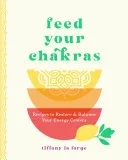
Feed Your Chakras
 73
73

Feed Your Chakras
Tiffany La Forge's 'Feed Your Chakras' offers a refreshing, practical approach to a subject often steeped in abstraction. The strength of this work lies in its direct correlation of food to energetic states, moving beyond mere spiritual platitudes to tangible, kitchen-based solutions. The author's compilation of over 50 recipes, each tied to a specific chakra, provides a clear roadmap for readers. For instance, the detailed explanation of how ingredients influence the Solar Plexus chakra, linking it to personal power and digestion, is particularly well-articulated and actionable. However, the book occasionally leans towards oversimplification in its portrayal of complex energetic systems. While the recipes are accessible, the deeper theoretical underpinnings of chakra mechanics could benefit from more nuanced exploration. Despite this, 'Feed Your Chakras' succeeds in making esoteric concepts digestible and applicable for daily life. It's a valuable, if not exhaustive, manual for culinary energy work.
📝 Description
73
Tiffany La Forge's 2024 book, 'Feed Your Chakras,' offers over 50 recipes for chakra balancing.
This culinary guide connects diet to the body's energy centers. La Forge proposes that specific foods can help align the seven primary chakras, complementing practices like meditation and mindfulness. The book contains more than 50 recipes designed to address energetic imbalances.
It is intended for those pursuing holistic wellness, whether new to chakra concepts or seeking to incorporate nutrition into existing spiritual or self-care practices. Readers aiming for greater mental clarity, vitality, or relief from physical or emotional discomfort may find practical advice within its pages. The author's approach suggests that conscious food choices are a key element in maintaining overall energetic equilibrium.
The concept of chakras originates from ancient Indian traditions, gaining prominence in Western esoteric circles in the late 19th and early 20th centuries. This book enters a modern context where mind-body connections are widely examined. La Forge's work builds on the evolving integration of dietary practices with these energy systems, a trend that has grown with the broader focus on personalized wellness strategies since the late 20th century.
💡 Why Read This Book?
• You will learn to identify specific dietary triggers for energetic imbalances, allowing you to tailor your meals to support your Root chakra's need for grounding, a concept explored in detail within the book's foundational chapters. • You will gain practical skills in preparing over 50 chakra-aligned recipes, empowering you to actively influence your emotional state and mental clarity by focusing on ingredients that nourish the Throat chakra for effective communication. • You will develop a deeper understanding of the body's energy centers beyond theoretical knowledge, experiencing firsthand how specific foods can impact your Sacral chakra's connection to creativity and pleasure, as demonstrated by the book's recipe section.
⭐ Reader Reviews
Honest opinions from readers who have explored this book.
❓ Frequently Asked Questions
What are chakras and how do they relate to food?
Chakras are energy centers within the body, originating from ancient Indian traditions, that influence physical, emotional, and mental states. 'Feed Your Chakras' explains that specific foods can either support or disrupt the energetic flow within these centers, offering recipes designed for balance.
How many recipes are included in 'Feed Your Chakras'?
The book features over 50 distinct recipes. Each recipe is specifically curated to address imbalances in one of the seven primary chakras, providing practical applications for dietary alignment.
Is 'Feed Your Chakras' suitable for beginners?
Yes, the book is designed for individuals new to chakra concepts and those seeking practical ways to integrate energy work into their lives. It provides accessible explanations and straightforward recipes.
What is the historical origin of chakra concepts?
Chakra concepts originate from ancient Indian spiritual traditions, particularly Hinduism and Tantra. They were introduced to Western esoteric circles in the late 19th century, notably through Theosophy.
Beyond recipes, what else does the book offer?
The book discusses the role of food in conjunction with other practices like exercise, mindfulness, and meditation for chakra alignment. It aims to improve both how one feels and thinks through balanced energy.
When was 'Feed Your Chakras' first published?
'Feed Your Chakras' by Tiffany La Forge was first published on May 21, 2024.
🔮 Key Themes & Symbolism
Culinary Chakra Balancing
This theme explores the direct relationship between the food we consume and the energetic state of our seven primary chakras. La Forge moves beyond abstract concepts to provide concrete, actionable culinary strategies. The book details how specific ingredients and preparation methods can either unblock or reinforce the energetic flow within centers like the Solar Plexus, influencing personal power, or the Heart chakra, affecting emotional states. It presents a practical framework for understanding and utilizing nutrition as a tool for energetic self-regulation and holistic health.
Holistic Self-Care Integration
The work emphasizes that dietary adjustments are one component of a larger self-care regimen. It posits that food plays a critical role alongside established practices such as exercise, mindfulness, and meditation in achieving chakra balance. This theme highlights the synergistic effect of combining nutritional strategies with other mind-body disciplines. By integrating these elements, readers are encouraged to cultivate a comprehensive approach to well-being, fostering a more profound sense of vitality and mental clarity.
Identifying Energetic Imbalances
A core aspect of 'Feed Your Chakras' is empowering readers to recognize signs of energetic disharmony within their own bodies and minds. The book provides guidance on how to identify imbalances related to specific chakras, linking them to observable physical sensations, emotional patterns, and thought processes. This diagnostic element is crucial, as it allows individuals to proactively select recipes and dietary adjustments that directly address their unique energetic needs, promoting a personalized path to vitality.
💬 Memorable Quotes
Direct passages from the work, attributed to the author.
“Food plays a critical role in keeping chakras in balance.”
— This statement underscores the book's central premise: that dietary choices are not merely for physical sustenance but are directly influential in maintaining the energetic equilibrium of the body's core energy centers.
“Our chakras regulate our passions, pleasures, emotions, and senses.”
— This highlights the lasting impact chakras have on fundamental human experiences. It suggests that by understanding and balancing these centers, one can gain greater control and harmony over their inner life.
“We are all composed of energies that are continuously flowing and changing.”
— This foundational concept frames the human body as a dynamic energetic system, emphasizing the constant flux and interdependence of energies, which necessitates attentive self-care and awareness.
“Learn to identify your imbalances and revitalize yourself with over 50 recipes.”
— This directly communicates the book's dual promise: diagnostic insight into personal energetic states and a practical, recipe-driven solution for achieving renewal and well-being.
“Keeping chakras in balance is incredibly important.”
— This concise assertion emphasizes the critical necessity of maintaining energetic equilibrium for overall health, framing chakra balance as a vital aspect of holistic wellness.
🌙 Esoteric Significance
Tradition
This work draws primarily from the yogic and Tantric traditions of India, where the concept of chakras originated. It adapts these ancient energy models for a contemporary audience by integrating them with Western nutritional science and holistic wellness trends. While rooted in Eastern spirituality, La Forge's approach departs from traditional asceticism, instead advocating for the harmonious use of material pleasures, specifically food, as a tool for spiritual and energetic development.
Symbolism
The primary symbols are the seven chakras themselves, each representing a spectrum of human experience from basic survival (Root chakra) to spiritual connection (Crown chakra). Colors associated with each chakra (e.g., red for Root, orange for Sacral, yellow for Solar Plexus) are often mirrored in the food recommendations, creating a visual and sensory link. The concept of 'flow' and 'balance' are also key motifs, symbolizing the desired state of energetic health.
Modern Relevance
La Forge's work speaks to contemporary movements in functional medicine, intuitive eating, and the broader wellness industry. Thinkers and practitioners in these fields often explore the gut-brain axis and the impact of diet on mood and cognitive function, aligning with La Forge's emphasis on food's influence on emotional and mental states. Schools of thought focusing on bio-individuality and personalized nutrition can also find common ground with the book's approach to addressing specific energetic needs.
👥 Who Should Read This Book
• Individuals interested in complementary health practices: Those already engaged with yoga, meditation, or mindfulness who wish to incorporate dietary strategies to deepen their energetic awareness and self-care. • Culinary enthusiasts exploring holistic living: Foodies and home cooks seeking to expand their repertoire with recipes that offer not just flavor but also energetic and emotional benefits. • Seekers of practical spiritual tools: Anyone looking for tangible, everyday methods to understand and manage their emotional and mental well-being by addressing the body's energy centers.
📜 Historical Context
Tiffany La Forge's 'Feed Your Chakras,' published in 2024, emerges within a contemporary landscape where holistic health and esoteric practices are increasingly mainstream. The concept of chakras, originating from ancient Indian traditions like Hinduism and Tantra, gained significant Western exposure through Theosophy in the late 19th century, championed by figures like Helena Blavatsky. By the mid-20th century, New Age movements further popularized these ideas, often integrating them with Western psychology and alternative healing modalities. This era saw authors like Alice Bailey and later, Barbara Brennan, contribute to the discourse. La Forge's work builds upon this legacy, specifically focusing on the intersection of diet and energy work, a sub-genre that gained considerable momentum in the late 20th and early 21st centuries, moving beyond purely spiritual interpretations to practical, lifestyle applications. Unlike earlier Western esoteric texts that might have focused more on meditation or ritual, La Forge's approach is distinctly culinary, reflecting a modern emphasis on tangible, daily practices.
📔 Journal Prompts
Reflect on the energetic qualities of foods you typically consume daily.
Consider how your current diet might be affecting your Sacral chakra's expression of creativity.
Identify a physical sensation or emotional pattern you attribute to an imbalance in your Root chakra.
Explore the connection between your eating habits and your sense of personal power (Solar Plexus).
How might mindful eating practices enhance the energetic benefits of the recipes in 'Feed Your Chakras'?
🗂️ Glossary
Chakras
Energy centers within the subtle body, originating from ancient Indian traditions, believed to regulate physical, emotional, and spiritual functions. There are typically considered to be seven primary chakras.
Root Chakra (Muladhara)
The first chakra, located at the base of the spine. Associated with grounding, security, stability, and physical vitality. Often symbolized by the color red.
Sacral Chakra (Svadhisthana)
The second chakra, located below the navel. Associated with creativity, sexuality, emotions, pleasure, and fluidity. Often symbolized by the color orange.
Solar Plexus Chakra (Manipura)
The third chakra, located in the upper abdomen. Associated with personal power, self-esteem, willpower, and digestion. Often symbolized by the color yellow.
Energetic Imbalance
A state where the flow of energy through the chakras is disrupted, either blocked or excessive, leading to physical, emotional, or mental disharmony.
Holistic Health
An approach to well-being that considers the interconnectedness of the mind, body, and spirit, emphasizing balance across all aspects of life.
Subtle Body
A non-physical dimension of the human being, understood in various spiritual traditions as comprising energy channels (nadis), centers (chakras), and vital force (prana).












![Hindi Bangla Speaking Course[ S. P. Chakraborty]](/img/thumb/hindi-bangla-speaking-course-s-p-chakraborty.webp)