The Afterlife of Emerson Tang
 80
80

The Afterlife of Emerson Tang
Paula Champa’s "The Afterlife of Emerson Tang" offers a poignant examination of how material possessions can anchor our sense of self and connection to history. The novel excels in its depiction of the 1954 Beacon automobile, transforming it from mere metal and chrome into a potent symbol of Emerson Tang’s life and legacy. Champa’s prose is often evocative, particularly when describing the car’s ability to evoke memories and feelings. However, the narrative occasionally falters in its pacing, with certain introspective passages feeling somewhat protracted, potentially slowing the momentum for readers seeking a more brisk plot. A particular strength lies in the nuanced portrayal of the relationship between Emerson and his archivist, hinting at shared understanding and unspoken histories tied to the car. The work's exploration of how objects become extensions of ourselves, holding echoes of past lives and intimations of future destinies, is its most compelling aspect. Ultimately, "The Afterlife of Emerson Tang" is a quietly powerful novel for those who find meaning in the intersection of memory, objects, and the human spirit.
📝 Description
80
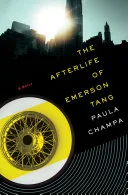
Paula Champa's 2013 novel, The Afterlife of Emerson Tang, examines how objects connect us to memory and identity.
The Afterlife of Emerson Tang centers on Emerson Tang, a collector whose life becomes entwined with his 1954 Beacon automobile as his health fails. Champa's novel explores how possessions, especially those holding memories and significance, can act as links to the past and influence future paths. The narrative will appeal to readers of literary fiction who enjoy philosophical depth. Those interested in the psychological impact of belongings, the nature of legacy, and stories that use tangible items to explore the space between life and death will find this work engaging. It offers introspective storytelling that moves beyond conventional plots to consider themes of identity and remembrance.
Published in 2013, the novel engages with post-modern ideas about fragmented identity and the importance of material culture. Its focus on memory and legacy relates to wider cultural conversations about how we construct and understand our past through the objects we keep. The book distinguishes itself from genre fiction by emphasizing character interiority and symbolic meaning.
The novel touches on concepts related to spiritualism and the afterlife by suggesting that cherished objects can retain a 'psychic imprint' of their owners. This idea aligns with certain esoteric traditions that posit a connection between the material world and lingering consciousness or energy. The 'archive of the self' concept also echoes beliefs in the persistence of personal essence beyond physical death, manifested through the things we leave behind. It frames possessions not merely as inanimate items but as potential carriers of life force or memory.
💡 Why Read This Book?
• You will learn to perceive the spiritual weight of everyday objects, understanding how items like Emerson Tang’s 1954 Beacon can serve as tangible links to personal history and unresolved destinies. • You will gain insight into the concept of the 'archive of the self,' exploring how the artifacts we cherish and preserve actively shape our understanding of who we are and the legacies we leave behind. • You will feel the profound emotional resonance of memory attached to physical objects, experiencing how a specific item can unlock a deeper connection to life, death, and the continuity of human experience.
⭐ Reader Reviews
Honest opinions from readers who have explored this book.
❓ Frequently Asked Questions
What is the central object of significance in "The Afterlife of Emerson Tang"?
The central object is a 1954 Beacon automobile, a vintage car that belonged to Emerson Tang. It serves as a powerful symbol and a conduit to his past, his memories, and his evolving sense of self.
Who is Emerson Tang?
Emerson Tang is the protagonist of the novel. He is portrayed as a collector of art and experiences, the sole heir to a prominent New England family, whose declining health becomes a catalyst for exploring his life's connections through his possessions.
What is the genre of "The Afterlife of Emerson Tang"?
The novel is classified as literary fiction with esoteric and psychological undertones. It explores themes of life, death, memory, and the spiritual significance of objects.
When was "The Afterlife of Emerson Tang" first published?
The book was first published on March 12, 2013, by Paula Champa.
What kind of psychological complexity does the book offer?
The book delves into the psychological complexity of attachment to objects, how possessions can become extensions of our identity, and how they can serve as anchors for our memories and sense of continuity across time.
Does the novel deal with themes of mortality?
Yes, the novel deals significantly with themes of mortality, particularly as Emerson Tang's health fails. The narrative uses his declining health and his relationship with his car to explore life, death, and what endures beyond a person's physical existence.
🔮 Key Themes & Symbolism
The Soul of Objects
The novel posits that certain objects, particularly those cherished and imbued with personal history, develop a form of consciousness or energetic imprint. Emerson Tang's 1954 Beacon is not merely a car but a vessel containing traces of his life, his aspirations, and his very essence. This concept aligns with animistic traditions, suggesting that the line between animate and inanimate is permeable, and that our connection to the material world can carry profound spiritual weight, acting as a bridge between our lived experience and what lies beyond.
Legacy and Archival Self
The book explores the idea of the 'archival self,' where our identity is not just our lived experience but also the curated collection of memories, objects, and narratives we leave behind. Emerson, through his possessions and the narrative of his life, constructs a legacy. The archivist character plays a central role in preserving this, highlighting how external forces can shape and interpret our personal histories. This theme appeals to esoteric ideas about the persistence of consciousness and the ways in which a person's energetic signature can remain attached to their belongings.
Conduits of Memory and Destiny
Objects like the 1954 Beacon are presented as more than just relics; they are active conduits. They can transport individuals back to important moments, allowing for a re-experiencing of the past, and can also serve as guideposts towards future possibilities or unresolved destinies. This perspective aligns with esoteric thought that views the universe as interconnected, where symbols and physical forms can act as keys to unlocking deeper understandings of one's path and purpose, blurring the lines between life, death, and eternal recurrence.
💬 Memorable Quotes
Direct passages from the work, attributed to the author.
“A beloved car becomes a piece of us—a way back into our histories, or forward into our destinies.”
— This statement expresses the novel's central thesis: that cherished possessions are not inert objects but extensions of our being, capable of connecting us to our past selves and guiding us toward future paths.
“Emerson keeps his prized possession safely stored away.”
— This detail highlights Emerson's relationship with his 1954 Beacon, suggesting a reverence for the object and perhaps a desire to preserve its essence, foreshadowing its role as a significant artifact in his life's narrative.
“When his health begins to fail, his archivist and caretaker is app”
— This excerpt introduces an important plot point: the decline of Emerson's health directly correlates with the increased importance of his possessions and the role of his archivist, signaling a shift towards confronting mortality and legacy.
“A collector—of art and experience—Emerson keeps his prized possession safely stored away.”
— This phrase emphasizes Emerson Tang's character as someone who values experiences and artifacts, positioning his 1954 Beacon not just as a car but as a curated piece of his life's collection, hinting at its deeper symbolic meaning.
“The only son of a prominent New England family, that car is a 1954 Beacon.”
— This contextualizes Emerson Tang's background and his connection to the car, linking his personal identity and family history to the specific object, suggesting the car carries the weight of his lineage and upbringing.
🌙 Esoteric Significance
Tradition
The work draws subtly from animistic and Hermetic principles, particularly the Hermetic axiom 'As above, so below' and the idea that the microcosm (individual) reflects the macrocosm (universe). It suggests that the 'spirit' or essence of a person can be intrinsically linked to their material possessions, treating objects as repositories of consciousness and memory. While not explicitly a treatise on a specific tradition, it aligns with a broader Neopagan or nature-based spirituality that sees inherent life and energy in all things, including inanimate objects.
Symbolism
The 1954 Beacon automobile serves as the primary symbol, representing not just a mode of transport but Emerson Tang's life, his history, his collected experiences, and his enduring legacy. The 'archivist' figure symbolizes the process of memory preservation and the external interpretation of an individual's life story, acting as a guardian of the 'archive of the self.' The concept of a failing health symbolizes the inevitable transition from the material plane, prompting a re-evaluation of what truly endures beyond physical existence.
Modern Relevance
Contemporary thinkers and practitioners in areas like object-based spirituality, ancestral veneration, and the psychology of collecting find resonance in Champa's work. The novel's exploration of how objects carry energetic imprints and facilitate connection to past lives or personal histories aligns with modern practices in psychometry and the burgeoning interest in the spiritual dimensions of everyday life. It speaks to a growing desire to find deeper meaning in our material world, viewing possessions not as mere commodities but as sacred anchors to our identity and lineage.
👥 Who Should Read This Book
• Readers interested in literary fiction that explores the intersection of memory, material culture, and the human psyche, particularly those intrigued by how objects can embody personal history. • Individuals who engage with esoteric concepts, such as animism or the idea of energetic imprints on objects, and seek fictional narratives that explore these themes with psychological depth. • Those contemplating legacy, mortality, and the enduring impact of one's life, looking for a contemplative narrative that uses symbolism to examine these profound questions.
📜 Historical Context
Paula Champa's "The Afterlife of Emerson Tang," published in 2013, arrived in a literary landscape where explorations of memory, identity, and the lingering impact of the past were prevalent. The novel engages with themes reminiscent of post-modern literature's focus on fragmented narratives and the subjective nature of reality, but anchors them in the tangible presence of objects. It emerged in an era where discussions about material culture and consumerism were ongoing, offering a more introspective and spiritual perspective on our relationship with possessions. While not directly engaging with a specific esoteric movement of the time, its themes of object consciousness and spiritual resonance would have found echoes among readers interested in the broader New Age and metaphysical currents that continued to influence contemporary fiction. The novel's reception, particularly the "Providence Journal" review noting its psychological complexity, positions it within literary circles that valued character depth over plot-driven narratives, differentiating it from more mainstream genre fiction.
📔 Journal Prompts
Emerson Tang's 1954 Beacon as a repository of memory.
The archivist's role in preserving a life's narrative.
Reflect on an object in your life that holds significant personal history.
The concept of the 'archive of the self' and its relation to legacy.
Exploring the boundary between life, death, and object permanence.
🗂️ Glossary
1954 Beacon
A specific vintage automobile central to the novel. It functions as a symbolic anchor for the protagonist, Emerson Tang, representing his life, memories, and legacy.
Archivist
A character in the novel responsible for cataloging and preserving Emerson Tang's possessions and life story, highlighting the theme of memory and legacy.
Prominent New England family
Refers to Emerson Tang's background, situating him within a context of established social standing and inherited history, which influences his relationship with objects and legacy.
Object permanence (novelistic sense)
In the context of the novel, this refers to the idea that cherished objects retain an energetic or spiritual imprint of their owners, persisting beyond the owner's physical life.
Archive of the self
The collection of personal history, memories, and material possessions that collectively define an individual's legacy and their perceived existence after death.
Conduits
Objects, particularly the 1954 Beacon, that serve as pathways or connections to the past, allowing for remembrance and the exploration of destiny.
Collector of art and experience
Describes Emerson Tang's persona, indicating a life focused on acquiring and appreciating both tangible artistic works and intangible life experiences.