Terror Tarot Shadow Edition
 73
73

Terror Tarot Shadow Edition
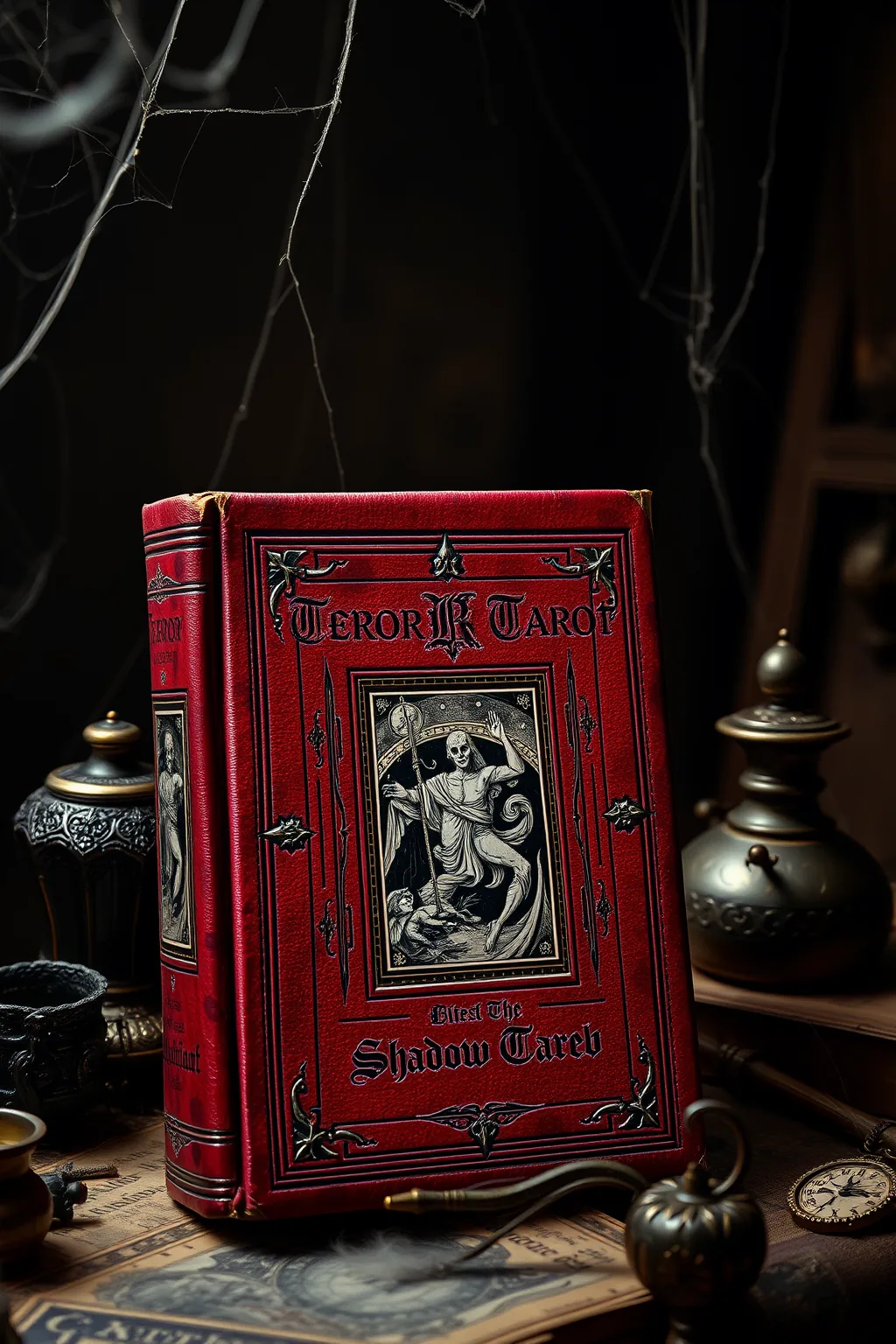
The Terror Tarot Shadow Edition is an arresting visual departure from the familiar RWS imagery. The Ghoulish Garb team has succeeded in imbuing each Major Arcana card with a genuinely unsettling gothic aura. The reimagining of The Tower, for instance, is particularly effective, portraying it not just as destruction but as an inescapable, spectral collapse. Its strength lies in this consistent, dark artistic vision. However, the sheer intensity of the horror aesthetic, while its primary appeal, might prove overwhelming for those seeking gentler interpretations or who are sensitive to overtly frightening imagery. The limited scope to only the Major Arcana, while common for independent decks, means it doesn't offer a full 78-card reading experience on its own. Still, for practitioners who thrive on shadow work and darker archetypes, this deck offers a potent and unique tool.
📝 Description
73
The Terror Tarot Shadow Edition reimagines the 22 Major Arcana with a gothic, frightening aesthetic.
First appearing in August 2021, the Terror Tarot Shadow Edition offers a dark interpretation of the 22 Major Arcana cards. This independently published deck was created by a three-person team who hand-drew each card with a gothic-inspired, haunting quality.
This edition targets tarot practitioners drawn to macabre themes and dark fantasy art. It provides a visually striking perspective on the familiar symbolism of the Major Arcana. Readers interested in exploring tarot archetypes through a horror lens will find its unique style appealing.
This deck draws its structure from the archetypes popularized by the 1909 Rider-Waite-Smith deck. However, the Terror Tarot Shadow Edition deliberately shifts the tone, using a gothic sensibility to subvert the original symbolic clarity. It reflects a contemporary trend in tarot where decks explore distinct aesthetics and thematic variations beyond established imagery.
💡 Why Read This Book?
• Gain a fresh, unsettling perspective on the 22 Major Arcana archetypes, moving beyond the traditional Rider-Waite-Smith interpretations to explore their darker, gothic facets. • Experience the impact of a consistently applied macabre art style, as demonstrated by the hand-drawn, haunting renditions of cards like The Devil and Death. • Utilize a tool specifically designed for shadow work and confronting difficult aspects of the psyche, inspired by the gothic horror aesthetic popularized in the early 2021 publication.
⭐ Reader Reviews
Honest opinions from readers who have explored this book.
❓ Frequently Asked Questions
What is the artistic style of the Terror Tarot Shadow Edition?
The deck features a gothic-inspired, frightening, and haunting artistic style. Each card's imagery is meticulously hand-drawn with a focus on macabre and spectral renditions of traditional Major Arcana figures.
How many cards are included in the Terror Tarot Shadow Edition?
The deck contains the 22 Major Arcana cards, plus one bonus card, making a total of 23 cards. The cards are reversible and feature silver-edged finishes.
Who is the author or artist behind this tarot deck?
The deck is credited to 'The Ghoulish Garb', a three-person team responsible for its design and hand-drawn illustrations. It was first published on August 20, 2021.
Does this deck follow the traditional Rider-Waite-Smith system?
Yes, it embodies the essence of the traditional Major Arcana deck created by Arthur E. Waite and Pamela Coleman Smith, but reinterprets each symbolic aspect through a gothic and frightening lens.
What makes the Terror Tarot Shadow Edition unique?
Its uniqueness stems from its unwavering commitment to a dark, gothic aesthetic, offering a stark contrast to more conventional tarot decks. The hand-drawn, haunting imagery provides a distinct visual and energetic experience.
Is this a full tarot deck or just the Major Arcana?
This edition focuses exclusively on the 22 Major Arcana cards, reimagined with a shadow-themed aesthetic. It does not include the Minor Arcana.
🔮 Key Themes & Symbolism
Gothic Archetypes
This deck reinterprets the core archetypes of the 22 Major Arcana through a distinctly gothic and terrifying lens. Rather than the serene symbolism of the original Rider-Waite-Smith deck, figures like The Hierophant or The Empress are rendered with a spectral, macabre quality. The focus is on evoking dread, the uncanny, and the darker potentials within these universal symbols, aligning with the aesthetic sensibilities of gothic literature and horror.
Shadow Work Tool
The Terror Tarot Shadow Edition is particularly suited for practitioners engaging in shadow work. Its frightening imagery encourages confrontation with repressed fears, anxieties, and the darker aspects of the psyche. By presenting these challenging themes visually, the deck facilitates introspection and integration of the 'shadow self' as conceptualized in Jungian psychology, albeit through a gothic, horror-inflected framework.
Artistic Subversion
This deck represents an artistic subversion of a widely recognized esoteric system. While honoring the foundational structure of the Waite-Smith Major Arcana (popularized from 1909), The Ghoulish Garb intentionally distorts and darkens the visual language. This act of re-imagining challenges viewers to reconsider the familiar symbolism and explore the many-sided nature of archetypes, demonstrating how art can radically alter perception.
Hand-Drawn Craftsmanship
A significant theme is the meticulous, hand-drawn craftsmanship evident in each of the 22 Major Arcana cards. This approach emphasizes the personal touch and artistic dedication involved, contrasting with mass-produced, digitally rendered decks. The detailed, haunting illustrations are central to the deck's identity and its ability to create a specific, immersive atmosphere for divination.
💬 Memorable Quotes
Direct passages from the work, attributed to the author.
“Each beautifully haunting image was meticulously designed and hand-drawn by our three-person team.”
— This emphasizes the artisanal quality of the deck. It points to the deliberate artistic effort and the unique, handcrafted nature of the illustrations, suggesting a level of care and intention absent in more commercially produced items.
“The 22 reversible, silver -edged cards (plus one bonus card) are finis”
— This detail speaks to the physical presentation and quality of the deck. The mention of reversible, silver-edged cards indicates a focus on tactile experience and aesthetic finish, aiming for a premium feel beyond the artwork itself.
“Come with us on a terrifying journey through tarot!”
— This opening from the blurb sets an immediate tone of adventure and apprehension. It signals that this is not a gentle introduction to tarot but an invitation to engage with its darker, more challenging aspects through a horror-inspired lens.
“reimagining every symbolic aspect from the grave up.”
— This phrase powerfully conveys the extent of the deck's reinterpretation. It suggests a complete overhaul of traditional meanings, viewing them through the prism of death, decay, and the spectral, as if resurrected with a gothic purpose.
💡 Key Ideas
Editorial paraphrase of the work's core concepts — not direct quotes.
Embodying the essence of the traditional deck... this independently published Major Arcana deck features a gothic inspired, frightening rendition of each card, reimagining every symbolic aspect from the grave up.
This quote from the original blurb highlights the deck's core mission: to take the familiar Waite-Smith Major Arcana and infuse it with a dark, gothic sensibility. It promises a reinterpretation that is not merely decorative but fundamentally alters the perceived meaning of each card.
🌙 Esoteric Significance
Tradition
This deck operates within the broad lineage of Western Esotericism, specifically drawing from the Rider-Waite-Smith (RWS) tarot tradition established in 1909. However, it significantly departs from the RWS's intention of presenting clear, often benevolent symbolism. Instead, it aligns with a more modern aesthetic of gothic horror, using the established archetypes as a foundation for exploring themes of dread, decay, and the spectral, which speaks to contemporary interest in shadow work and darker mystical aesthetics.
Symbolism
The deck reinterprets core RWS symbols through a gothic lens. For instance, The Fool might be depicted as a spectral wanderer on the precipice of oblivion, emphasizing existential dread rather than naive optimism. The Lovers card could transform into a pact sealed in shadow, highlighting forbidden desires or dangerous unions. The imagery consistently aims to evoke the uncanny and the macabre, turning familiar figures like Death or The Devil into potent embodiments of gothic terror.
Modern Relevance
The Terror Tarot Shadow Edition speaks to contemporary practitioners interested in shadow work, Jungian archetypes viewed through a darker lens, and the aesthetic of gothic horror. Its independent, niche appeal aligns with modern trends in self-publishing and the desire for unique, artistically distinct tools. Practitioners exploring the more challenging, less illuminated aspects of the psyche find its aesthetic particularly relevant for confronting fears and integrating darker elements.
👥 Who Should Read This Book
['• Collectors of unique tarot decks: Those who appreciate artistic innovation and seek decks that offer a distinct visual style beyond the standard RWS imagery will find this compelling.', "• Practitioners of shadow work: Individuals focused on exploring the darker aspects of the psyche, confronting fears, and integrating repressed emotions will benefit from the deck's macabre aesthetic.", "• Fans of gothic and horror art: Enthusiasts of gothic literature, horror films, and dark fantasy aesthetics will connect with the deck's visual language and thematic undertones."]
📜 Historical Context
The Terror Tarot Shadow Edition emerges within a contemporary tarot landscape characterized by immense artistic diversity and thematic exploration. While rooted in the archetypes established by A.E. Waite and P.C. Smith's seminal Rider-Waite-Smith deck (first published 1909), this independently produced Major Arcana set deliberately diverges. The RWS deck itself was a product of the early 20th-century occult revival, aiming for a symbolic clarity that would appeal to esotericists and newcomers alike. In contrast, The Ghoulish Garb's 2021 creation leans into the gothic and horror aesthetics, a genre that has seen resurgence in popular culture and niche artistic communities. Unlike the more academic or theosophically aligned tarot interpretations of the early 20th century, this deck prioritizes visceral, atmospheric impact. Its existence reflects a broader trend in independent publishing, where artists can cater to specific subcultures and aesthetic preferences outside the mainstream publishing channels, offering radical reinterpretations of established systems.
📔 Journal Prompts
The spectral figure of The Fool on the precipice: what existential dread does this image evoke for you?
Consider the reimagined symbolism of The Lovers card as a pact in shadow; what does this suggest about your own desires or relationships?
How does the gothic rendition of Death challenge your conventional understanding of transformation?
Reflect on the hand-drawn, haunting quality of the card illustrations; what emotional response does this artistry elicit?
The concept of reinterpreting traditional tarot symbolism 'from the grave up': what hidden meanings emerge?
🗂️ Glossary
Major Arcana
The trump cards of a tarot deck, typically numbering 22, representing significant life events, archetypal figures, and spiritual lessons. This deck focuses exclusively on these cards.
Gothic Aesthetic
An artistic and literary style characterized by elements of horror, mystery, decay, and the supernatural. It often features dark, atmospheric settings and themes of dread and the uncanny.
Rider-Waite-Smith (RWS) Deck
The influential tarot deck first published in 1909, created by Arthur Edward Waite and illustrated by Pamela Coleman Smith. It standardized the imagery for the Major and Minor Arcana.
Shadow Work
A psychological practice focused on exploring and integrating the 'shadow self'—the unconscious aspects of personality considered unacceptable or repressed. This deck's imagery is suited for such exploration.
Archetype
In Jungian psychology, a universal, inherited pattern of thought or imagery derived from the experience of the species. Tarot Major Arcana cards are often seen as representing archetypes.
Esoteric
Relating to or being concerned with the obscure, hidden, or secret. In the context of tarot, it refers to the deeper, symbolic, and spiritual meanings beyond the surface level.
Reversible Cards
Tarot cards designed with imagery that remains coherent or symbolically meaningful when viewed upside down, allowing for interpretations based on upright or reversed meanings.