Tarot for Beginners
 79
79

Tarot for Beginners
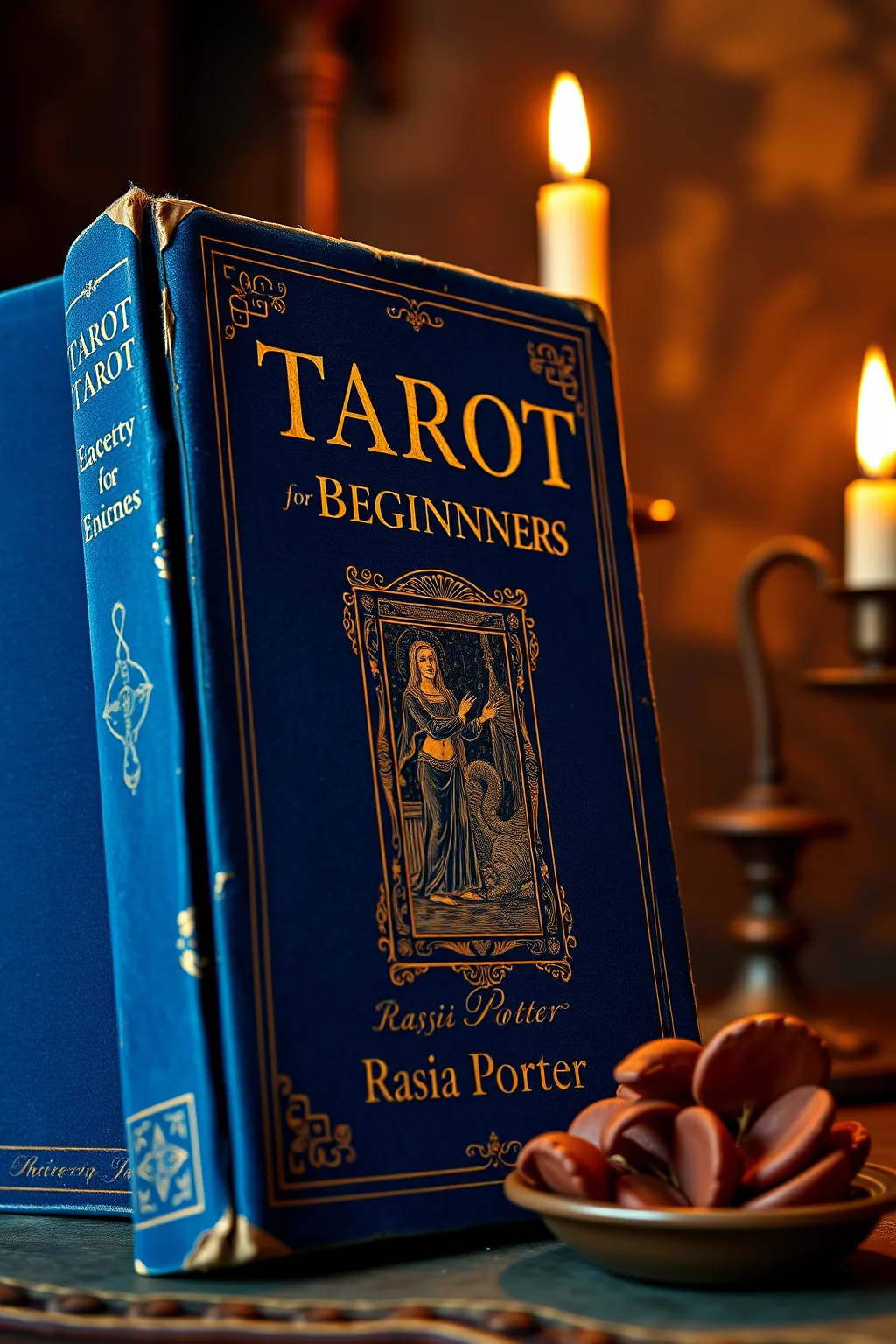
Rasia Potter’s Tarot for Beginners attempts a straightforward entry into a field often clouded by mystique. The book’s strength lies in its grounded approach, particularly in its early sections that break down the daunting 78-card structure into manageable chunks. Potter correctly identifies a common reader anxiety: the feeling of being trapped by destiny. Her reframing of Tarot as a tool for self-reflection rather than rigid prediction is a valuable corrective to more fatalistic interpretations. However, the work sometimes feels overly simplified, particularly when discussing the nuanced symbolism of certain cards. For instance, the interpretation of The Tower, a card often associated with dramatic upheaval, is presented with less dramatic flair than its visual impact suggests. While the intention is to make Tarot approachable, this simplification can occasionally diminish the depth of archetypal exploration. The author’s direct prose is effective for novices but may leave those seeking deeper esoteric currents wanting more. Ultimately, Potter provides a functional, if somewhat superficial, introduction to the Tarot.
📝 Description
79
Rasia Potter's Tarot for Beginners, published in 2021, demystifies the 78-card Tarot deck.
This book serves as a direct introduction to the Tarot, aiming to make its imagery and numerology understandable for personal insight. Potter encourages readers to view the cards not as predictions, but as reflections of inner states and potential paths forward. The text systematically explains the Major and Minor Arcana, offering interpretations for individual cards and basic spreads. It is written for newcomers to Tarot or those seeking a structured, practical approach. The author addresses the common fear of predetermined fate, instead presenting Tarot as a tool for understanding one's position within life's events. Readers interested in symbolic interpretations of topics like love, happiness, and health will find this a straightforward starting point. The writing style avoids overly complex language, focusing on clear explanations of core concepts.
Published in 2021, this guide enters a period of renewed interest in divination. It builds on traditions influenced by decks like the Rider-Waite-Smith, first created in 1909. Potter's work engages with approaches that range from psychological interpretations, drawing on Jungian archetypes, to more direct guidance methods. It contrasts with earlier, more fatalistic views of divination, emphasizing personal agency.
💡 Why Read This Book?
• Gain a foundational understanding of the 78-card Tarot deck, including the distinct roles of the Major and Minor Arcana, as detailed in the book's early chapters. • Learn to interpret Tarot cards as reflective tools for personal insight, moving beyond deterministic views of fate, a concept central to the book's introduction. • Explore the elemental associations of the four suits (Wands, Cups, Swords, Pentacles) and their connection to daily life, as presented in the guide's suit breakdown.
⭐ Reader Reviews
Honest opinions from readers who have explored this book.
❓ Frequently Asked Questions
What is the main purpose of Tarot for Beginners by Rasia Potter?
The book aims to demystify Tarot for newcomers, presenting the 78-card deck as a practical tool for self-reflection and understanding personal circumstances, rather than solely for predicting a fixed future.
Does Rasia Potter's book explain how to read Tarot spreads?
Yes, Tarot for Beginners introduces readers to basic Tarot spreads, providing a structured method for interpreting card combinations and drawing insights from a reading.
What are the Major and Minor Arcana in Tarot, according to this book?
The book explains the Major Arcana as cards representing significant life lessons and archetypal energies, while the Minor Arcana depict everyday events and situations.
Is Rasia Potter's Tarot for Beginners suitable for advanced Tarot readers?
This book is primarily designed for beginners. While it covers fundamental concepts, advanced readers might find its interpretations and approaches less in-depth than more specialized texts.
When was Tarot for Beginners first published?
Tarot for Beginners by Rasia Potter was first published on January 2, 2021.
What approach does the book take regarding fate and free will?
Potter's work reframes Tarot, suggesting it helps individuals understand their role and agency within their life's unfolding, rather than confirming a predetermined destiny.
🔮 Key Themes & Symbolism
Tarot as Self-Reflection
The work emphasizes viewing Tarot cards not as pronouncements of an unalterable future, but as symbolic representations that mirror a reader's inner landscape and current life circumstances. Potter encourages engagement with the archetypes and imagery to foster self-awareness and to explore potential responses to challenges. This perspective shifts the focus from external prediction to internal understanding, empowering the reader to actively participate in their life's unfolding narrative.
Understanding the Arcana
A core theme is the clear delineation between the 22 Major Arcana cards and the 56 Minor Arcana cards. The Major Arcana are presented as representing significant life lessons, spiritual journeys, and universal archetypes, while the Minor Arcana detail the more mundane, day-to-day experiences and challenges. This division provides a structured framework for beginners to grasp the different layers of meaning within the deck.
Elemental and Suit Associations
The book systematically explores the four suits—Wands, Cups, Swords, and Pentacles—and their corresponding elemental energies (Fire, Water, Air, Earth). Understanding these associations is presented as crucial for interpreting the context and nature of the situations depicted in the Minor Arcana, linking the cards to practical aspects of life such as action, emotion, intellect, and material concerns.
Agency vs. Determinism
Potter directly addresses the common question of whether fate is predetermined. The book argues that Tarot can illuminate the forces at play, but ultimately, the individual's perception and choices are paramount. It promotes the idea that awareness gained through Tarot reading enhances personal agency, allowing for more informed decision-making and a proactive approach to life's questions regarding love, happiness, and health.
💬 Memorable Quotes
Direct passages from the work, attributed to the author.
“Are we controlling our fate, or is it determined already?”
— This question expresses the central tension the book seeks to explore, positioning Tarot as a tool to investigate one's relationship with destiny and personal power.
“Most people think that they control their future.”
— This observation highlights a common perception of self-determination, setting the stage for how Tarot might offer a different perspective or deeper understanding of this control.
“Can you find love, happiness, and health using Tarot?”
— This interrogative frames the practical utility of Tarot, suggesting its application extends beyond abstract divination to concrete areas of personal well-being and fulfillment.
“They spend their entire lives at 'the driver seat', judging themselves for anything that happens in their lives.”
— This interpretation speaks to the human tendency towards self-blame and the struggle for control, implying Tarot can offer a more nuanced view of life's events.
“When life brin”
— This fragment suggests the book will likely address the challenges and unexpected turns life presents, and how Tarot can serve as a guide through these moments.
🌙 Esoteric Significance
Tradition
This work aligns broadly with the modern Western esoteric tradition's interest in Tarot as a psychological and spiritual tool. While not strictly adhering to a single lineage like Hermeticism or Kabbalah, it draws from the general symbolic language established by figures like A.E. Waite. Its departure lies in its accessible, less ritualistic presentation, aiming to integrate Tarot into everyday self-awareness rather than specialized occult study.
Symbolism
Key symbols include the archetypal figures of the Major Arcana (e.g., The Fool, The Magician, The High Priestess), representing stages of the human journey and core psychological energies. The four suits (Wands, Cups, Swords, Pentacles) symbolize elemental forces and their manifestation in action, emotion, intellect, and the material world, providing a framework for understanding daily life through symbolic correspondences.
Modern Relevance
Tarot for Beginners speaks to contemporary wellness culture, where self-care and personal growth are paramount. Its emphasis on introspection and personal agency speaks to modern mindfulness practices and therapeutic approaches that utilize symbolic language. Practitioners of modern witchcraft and New Age spirituality often utilize such foundational texts to build their understanding of card meanings for personal readings.
👥 Who Should Read This Book
["• Absolute beginners to Tarot seeking a clear, structured introduction to the deck's components and basic interpretation methods.", '• Individuals interested in using Tarot for self-discovery and personal development, rather than solely for fortune-telling.', '• Those feeling overwhelmed by the esoteric complexity often associated with Tarot, looking for a practical and grounded approach.']
📜 Historical Context
Published in 2021, Rasia Potter's Tarot for Beginners emerged during a period of intensified interest in esoteric practices, particularly among younger demographics influenced by digital platforms. This era saw a vast array of Tarot literature, with many works building upon the legacy of the Rider-Waite-Smith deck, first published in 1909 by Arthur Edward Waite and artist Pamela Colman Smith. Potter's book enters a conversation shaped by diverse interpretive schools, from the psychological archetypes explored by Carl Jung to the more direct, divinatory methods favored by some contemporary practitioners. Its pragmatic approach, focusing on personal agency, stands in contrast to the more deterministic interpretations found in some earlier occult traditions of the late 19th century, such as those influenced by the Hermetic Order of the Golden Dawn. The work implicitly engages with the ongoing debate about free will versus fate, a theme explored across various spiritual and philosophical traditions.
📔 Journal Prompts
The concept of 'driver seat' control in relation to life events.
Personal interpretation of The Fool's journey through the Major Arcana.
Reflecting on the elemental energies of the Cups suit in daily life.
How the imagery of The Tower might apply to personal experiences of upheaval.
Connecting the symbolism of The Magician to personal capabilities.
🗂️ Glossary
Major Arcana
The 22 trump cards of a Tarot deck, representing significant life lessons, spiritual archetypes, and major turning points in a person's journey.
Minor Arcana
The 56 cards of a Tarot deck, divided into four suits, which typically represent everyday events, challenges, and situations encountered in daily life.
Wands
One of the four suits in the Minor Arcana, often associated with the element of Fire, representing creativity, passion, inspiration, and action.
Cups
One of the four suits in the Minor Arcana, associated with the element of Water, representing emotions, relationships, intuition, and feelings.
Swords
One of the four suits in the Minor Arcana, associated with the element of Air, representing intellect, thoughts, conflicts, and challenges.
Pentacles
One of the four suits in the Minor Arcana, associated with the element of Earth, representing material possessions, finances, health, and the physical world.
Spread
A specific arrangement of Tarot cards laid out in a pattern, designed to address a particular question or area of inquiry, guiding the interpretation process.